REVIEW · LONGYEARBYEN
Svalbard: Northern Lights Photography Tour with local expert
Book on GetYourGuide →Operated by See & Explore · Bookable on GetYourGuide
Svalbard at night is serious business. This Northern Lights photography tour turns Longyearbyen’s winter darkness into a practical shooting session, with help finding positions where the aurora can actually show up. I especially like the small group size and the fact that you get real coaching on setting up your camera instead of just being dropped into the cold.
The trip also leans into the Arctic reality: clear skies matter, and the sun has to cooperate. The big consideration is that seeing the Northern Lights is never guaranteed, even with a great guide and lots of driving.
In This Review
- Key things that make this tour work
- Longyearbyen Pickup to the Arctic Dark: How the 4-Hour Hunt Runs
- Weather and the Sun: Why Aurora Photos Can Be a Bit Risky
- Camera Setup: Tripod, Smartphone, and Getting Sharp Results
- Where You’ll Actually Go: Valleys, Port Views, and the Vault Stop
- Daylight Auroras in Polar Nights: How This Tour Changes Your Shooting Window
- Cold Reality Check: What to Wear and How to Stay Usable
- Price and Value: Is $204 Fair for a Small-Group Aurora Photo Tour?
- Who This Tour Fits Best (and Who Might Want a Different Plan)
- Should You Book This Northern Lights Photography Tour?
- FAQ
- FAQ
- How long is the Northern Lights photography tour?
- Is hotel pickup included?
- How many people are in the group?
- What language is the guide?
- Do I need a tripod?
- Is seeing the Northern Lights guaranteed?
- Who is the tour not suitable for?
Key things that make this tour work
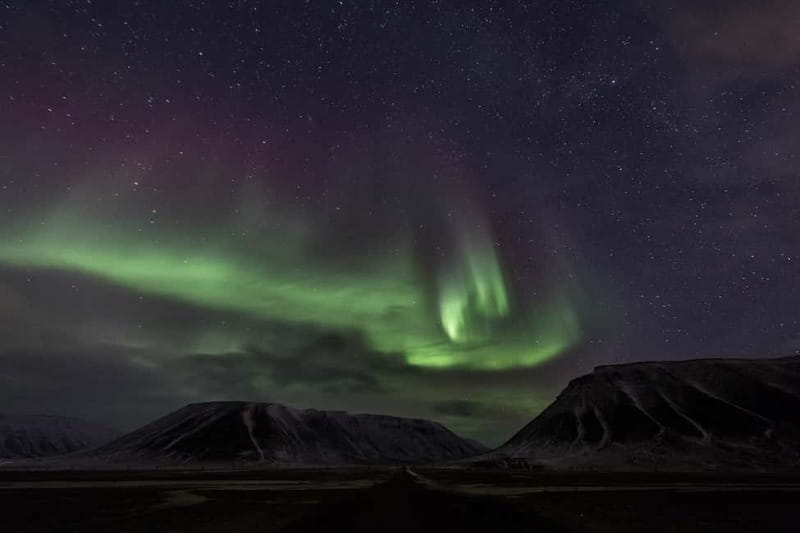
- Small group (limited to 8) means more time for questions and troubleshooting your shots.
- Hotel pickup in Longyearbyen saves time and stress, and you meet in a blue van outside your lodging.
- Hands-on camera help includes setup assistance, plus tips for using a tripod.
- A guide who actively searches for better spots, instead of staying parked in one place.
- Polar-night timing can give you aurora chances in both nighttime and daytime light during winter conditions.
Longyearbyen Pickup to the Arctic Dark: How the 4-Hour Hunt Runs
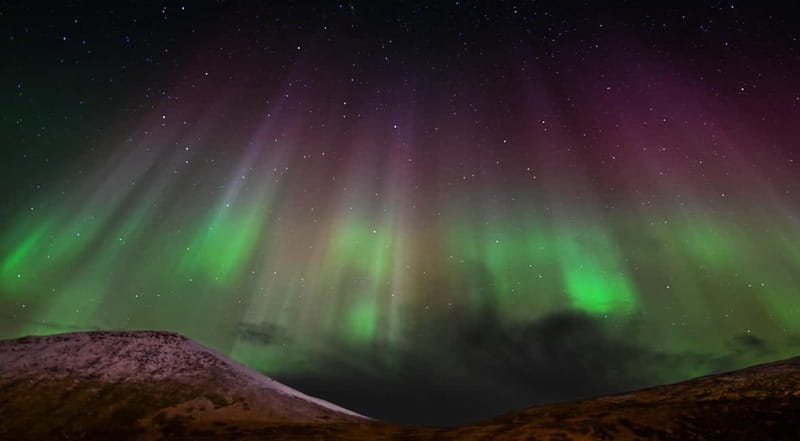
This is a 4-hour Northern Lights photography outing focused on one thing: getting you into the right conditions and giving you the tools to capture what you see. You start with pickup from your hotel in Longyearbyen, with several lodging options included (think places like Radisson Blu Polar Hotel, Svalbard Hotell / Polfareren, and Svalbard Turistinformasjon). Pickup happens shortly before the tour starts, and they note the van may arrive a bit early or up to about ten minutes after—so plan to be outside when the window opens.
Once you’re in the vehicle, the tour becomes a mix of driving and stopping. That matters because aurora hunting is rarely about one perfect location. It’s about finding a patch of sky with fewer cloud issues, less interference, and a view direction that gives your camera a better chance.
You’ll also get a sense of what makes Svalbard feel different in winter. The sky can be crisp. The light pollution is minimal. And even when the lights don’t flare up immediately, you’re still out in the frozen scenery where the Arctic light changes the whole mood of a shot.
You can also read our reviews of more tours and experiences in Longyearbyen.
Weather and the Sun: Why Aurora Photos Can Be a Bit Risky
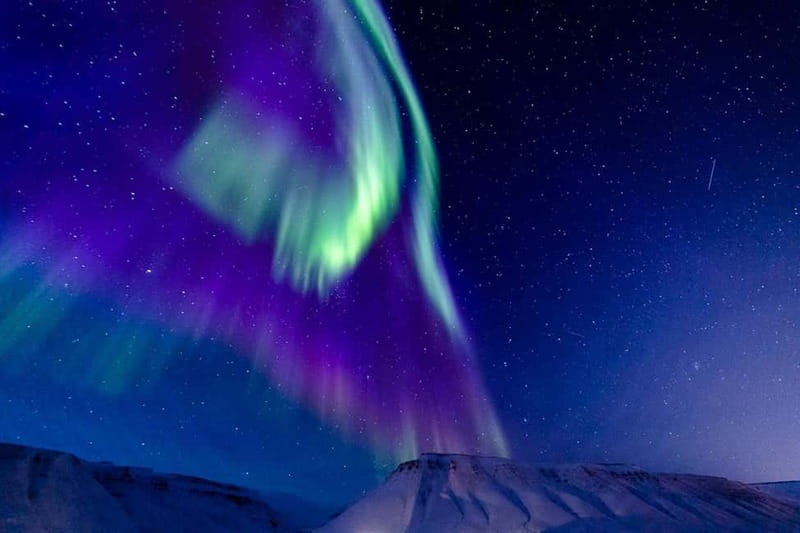
Here’s the deal you need to know before you plan your expectations: Northern Lights sightings depend on two things—clear weather and the sun delivering the right activity. When cloud cover rolls in, even the best “aurora plan” can’t force the sky to cooperate.
This tour specifically calls out that there is no guarantee. That doesn’t make it pointless. It makes it realistic. A good guide improves your odds by scanning options and moving when the sky looks promising elsewhere.
You’ll also hear the concept of polar nights, which is key in winter. In this season, the night can last for all day long. That means you can sometimes get Northern Lights visible during hours that still feel like daytime. It’s a strange, useful contrast for photography, because you may capture aurora over a darker horizon in a way that’s hard to replicate outside the Arctic.
Camera Setup: Tripod, Smartphone, and Getting Sharp Results
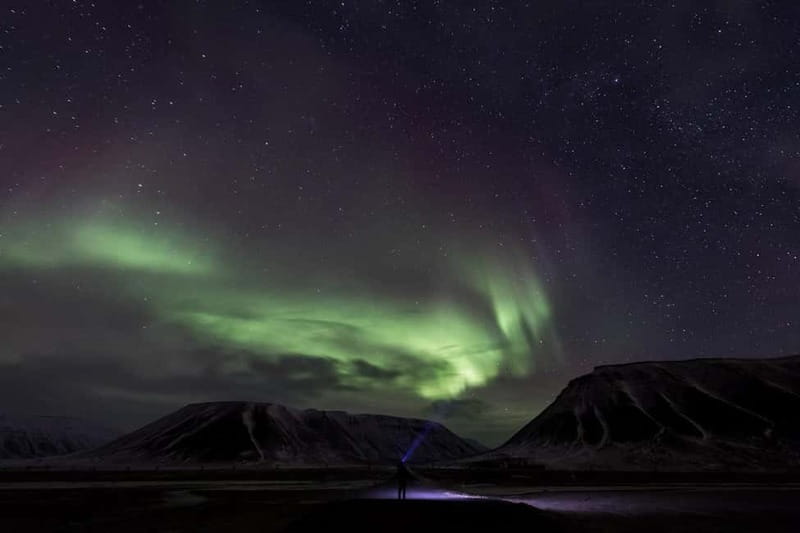
Most Northern Lights tours focus on where to stand. This one also focuses on how to shoot. The included setup assistance matters because aurora photography is full of small technical traps. If you’re guessing your settings, you’ll burn time and battery trying to fix blurry frames later.
You’re told to bring a camera, a tripod, and a charged smartphone. The smartphone isn’t just for comfort. In real field shooting, it’s often what you use to check your battery level, confirm charging behavior, or handle quick reference tasks while you’re outside in cold air. Keeping it charged is smart because winter power drains faster than you expect.
You should also be ready to work with the camera in the cold. That means setting up early enough that you can get stable framing before the aurora appears. Auroras aren’t predictable like a stage show. When they do show up, you want to already have your tripod locked, your composition planned, and your camera ready to capture the changes.
One detail that stood out is that guides help with camera preparation. In practice, that reduces the most common frustration: watching the sky change while your gear is still “getting ready.”
Where You’ll Actually Go: Valleys, Port Views, and the Vault Stop
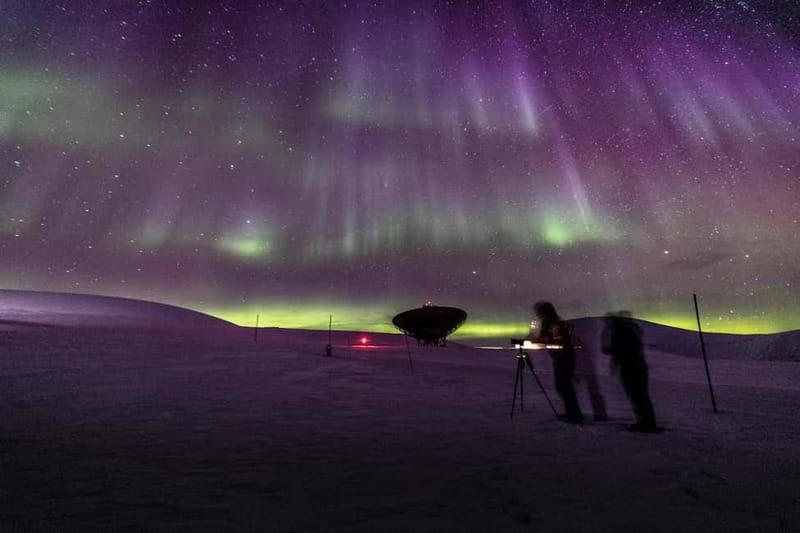
The tour’s driving approach is part of the value. You’ll get transported to the best locations based on conditions, and the route can take you through different viewpoints around Longyearbyen. You shouldn’t expect a single scenic backdrop the whole time.
In one described outing, the group drove around for about three to four hours, chasing the lights across valleys. That matches how aurora hunting often works in Svalbard: you’re looking for a break in cloud cover and a view direction that gives your camera a clean frame. Another highlight from a past run was stopping at a high point for a better view of the sky and the surroundings, with the guide preparing hot drinks so people could warm up while staying alert to the sky.
Stops can include areas like the port area and the Vault area. The point is not the name on a map. The point is that these are places where you may get open sky, good angles, and fewer obstructions—so your camera can do its job.
You’ll also have freedom to explore the area while you shoot. That’s important. In aurora photography, the “best spot” is often the one where you can frame comfortably and wait without constantly moving your tripod.
Daylight Auroras in Polar Nights: How This Tour Changes Your Shooting Window
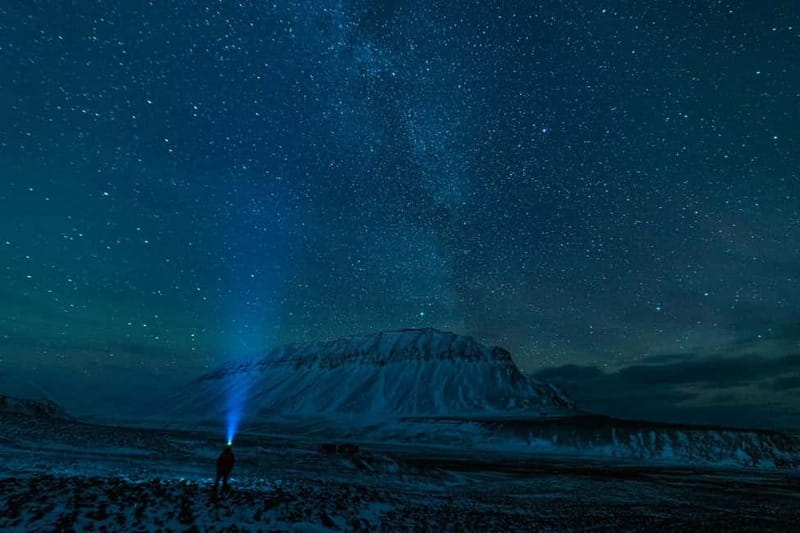
A lot of aurora experiences only think in nighttime hours. This one highlights a winter reality: during polar nights, conditions can let you see aurora in both daytime-like hours and at night. That can be a huge advantage for photography planning.
Why? Because daytime-like darkness can still show aurora, but with a different balance of light in the scene. You might get a moodier horizon, different color separation, and a chance to capture more of the surrounding terrain than you would in pitch black.
That said, remember the tour is still weather-dependent. If skies are cloudy, you’re not just dealing with “bad luck.” You’re dealing with the basic physics of light. The sun has to cooperate, and clouds have to move.
The best way to use this opportunity is to show up mentally prepared for a range of outcomes: you might get the aurora when the sky is fully dark, or you might catch it in a strange winter twilight that looks unreal through a camera viewfinder.
Cold Reality Check: What to Wear and How to Stay Usable
You’re in Svalbard. Cold is not an accessory—it’s the main event. The tour advises warm clothing, and you should take that seriously. You’ll be outside long enough to notice discomfort if your layers are thin.
Bring what the tour asks for:
- Warm clothing
- Camera
- Tripod
- Charged smartphone
Also plan to treat your hands like they’re the limiting factor. If you can’t comfortably handle the camera controls, your photos suffer. Warm gloves that still let you grip and press buttons make a noticeable difference.
There are also clear rules: no smoking, and no alcohol or drugs. That’s not just for policy reasons. In this cold, impaired judgment turns into slower setup and worse photo timing.
Finally, note the group is not suitable for children under 6. If you’re bringing family, treat that as a hard planning constraint.
Price and Value: Is $204 Fair for a Small-Group Aurora Photo Tour?
At $204 per person, you’re paying for more than a bus ride to a dark sky. You’re paying for a combination that costs real money in the Arctic: transportation, a professional guide, and dedicated time spent helping you get better shots.
Here’s what makes the price feel more justified:
- Small group size (up to 8): you’re not competing for attention.
- Pickup and drop-off: in Longyearbyen, that can save you the hassle of arranging last-minute transport while you’re already freezing.
- Camera setup assistance: this is the part many aurora tours skip. It turns your night from sightseeing into shooting.
- Active searching: driving around for the best spots can improve your odds compared with a fixed stop.
You’re also buying flexibility in the schedule sense. The tour offers free cancellation up to 24 hours in advance for a full refund and a reserve now & pay later option, which can help when you’re traveling based on weather windows. Just keep in mind weather still decides what you actually see.
The rating is strong, with a 4.6 average from 33 reviews. That’s not a guarantee, but it’s a useful signal that the experience often delivers what it promises: help, spots, and good guidance when the sky turns on.
Who This Tour Fits Best (and Who Might Want a Different Plan)
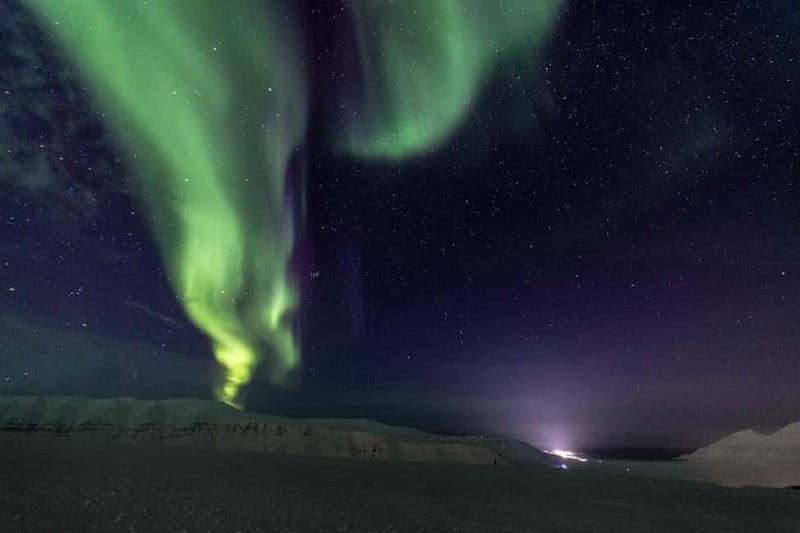
This tour is a great match if you:
- Want to photograph the aurora and you’re okay with some technical coaching.
- Prefer a small group over crowds where it’s hard to troubleshoot.
- Appreciate a guide who helps you move toward better sky conditions instead of staying parked.
- Plan to come prepared for cold, since warmth affects your patience and your ability to keep shooting.
It’s less ideal if you’re expecting guaranteed aurora on command. The tour is honest about the risk. If you need a sure thing, you’ll be happier with a day activity that doesn’t depend on cloud cover and solar activity.
If you’re traveling solo or as a couple, small-group format can feel personal without getting awkward. If you’re new to aurora photography, setup assistance is likely the biggest benefit. If you’re already an intermediate shooter, you’ll still benefit from the guide’s spot choices and the chance to compare your settings with what works in Arctic conditions.
Should You Book This Northern Lights Photography Tour?
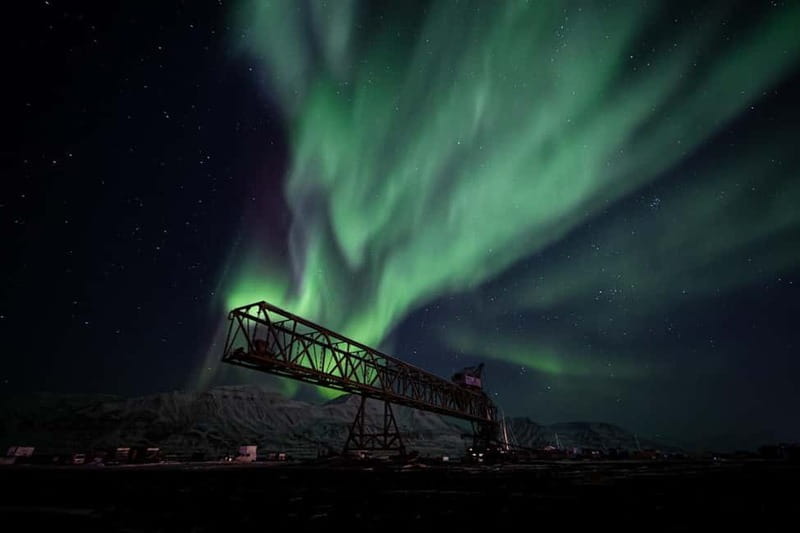
Book it if you want a guided night that maximizes your chances and improves your results, not just your chances of seeing something. The combination of hotel pickup, an English-speaking local expert, tripod-friendly setup help, and a guide who actively searches for better spots makes this a smart value for Svalbard.
Skip it or choose another option if cold weather isn’t your thing, you don’t want to work with a tripod, or you need guaranteed aurora. Even with the best plan, the sky has the final vote.
If you’re flexible and you’re excited about learning, this is the kind of tour that turns a rare Arctic night into real photos you’ll actually want to keep.
FAQ
FAQ
How long is the Northern Lights photography tour?
It runs for about 4 hours.
Is hotel pickup included?
Yes. You’ll get pickup and drop-off at your hotel in Longyearbyen, using a blue van. Pickup starts about 5 minutes before the tour begins, and they may arrive slightly early or up to about 10 minutes after.
How many people are in the group?
The group is small, limited to up to 8 participants.
What language is the guide?
The live tour guide speaks English.
Do I need a tripod?
A tripod is recommended and listed as something to bring, especially for Northern Lights photography.
Is seeing the Northern Lights guaranteed?
No. Northern Lights sightings cannot be guaranteed and depend on clear weather and solar activity.
Who is the tour not suitable for?
It is not suitable for children under 6 years.