REVIEW · BARCELONA
KBr Fundación MAPFRE – Photography Exhibitions
Book on GetYourGuide →Operated by Fundación Mapfre | Touristcheck · Bookable on GetYourGuide
Two photo worlds in one quiet Barcelona stop. At KBr Fundación MAPFRE in Port Olímpic, you get major photography exhibitions in a modern center that’s easy to fit into a day. I really like that admission is only $5, and the visit doesn’t feel rushed because you’re free to move at your own pace while using the free audio guide by QR.
My favorite part is the way the program pairs big, recognizable names with a close look at technique and context. The temporary exhibition space is hosting Walker Evans: Now and Then (through May 24, 2026), and there’s a second exhibition area focused on Pérez Siquier. Fundación MAPFRE Collections. One drawback to plan around: the audio guide setup needs your phone data or the venue Wi‑Fi, and you’ll need headphones to use it comfortably without disturbing other visitors.
If you’re the type who likes your art with good structure—clear themes, thoughtful sequencing, and enough room to actually look—you’ll probably enjoy this stop a lot. Just check timing before you go, because the center’s open hours vary by season.
In This Review
- Key things to know before you go
- KBr Fundación MAPFRE: a small-ticket, big-name photography center in Port Olímpic
- Inside your visit: what to do once you arrive
- Walker Evans: Now and Then and why this show works so well for first-timers
- Pérez Siquier at Fundación MAPFRE: modern color and Spanish visual change
- The quiet perks: audio guide, languages, and how to make it enjoyable
- How the exhibitions feel in your day: pacing, value, and the best type of visit
- Practical visiting hours in Barcelona (and why timing matters)
- Who should book this photo exhibition day?
- Should you book KBr Fundación MAPFRE photography exhibitions?
- FAQ
- FAQ
- Where is KBr Fundación MAPFRE’s Photography Center?
- How much does it cost to enter?
- How long is the experience?
- What exhibitions are currently available?
- Is an audio guide included?
- What languages is the audio guide available in?
- Do I need headphones?
- Are food and swimwear allowed?
Key things to know before you go
- Port Olímpic location: A straightforward area of Barcelona to reach, and a pleasant base for pairing with nearby waterfront time.
- Two exhibition spaces: One side focuses on the rotating show; the other highlights work from the Foundation’s collections.
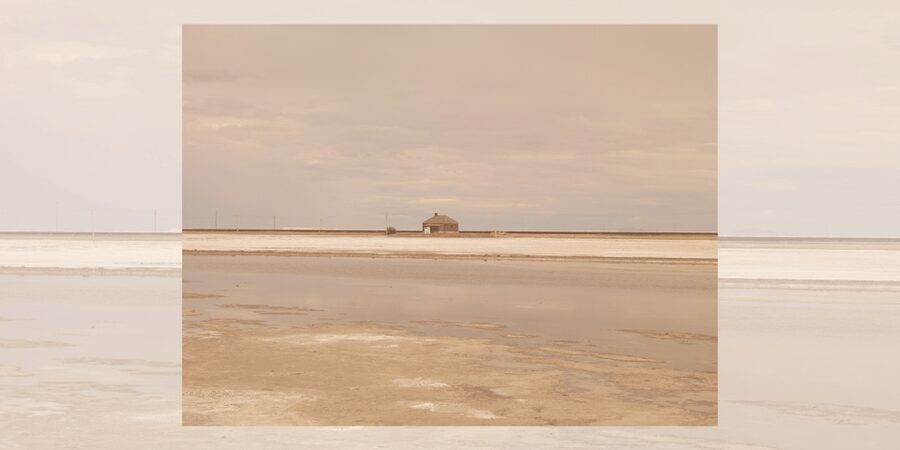
- Walker Evans through May 24, 2026: A career-spanning look, from early photographs in the 1920s to later experiments including Polaroids.
- Pérez Siquier collection selection: A strong match if you like how photographers can reshape a national visual language.
- Audio guide via QR: Included, free, and offered in English, Catalan, and Spanish.
- Headphones required: You can bring your own or buy jack-type headphones at the ticket counter for €1.
KBr Fundación MAPFRE: a small-ticket, big-name photography center in Port Olímpic
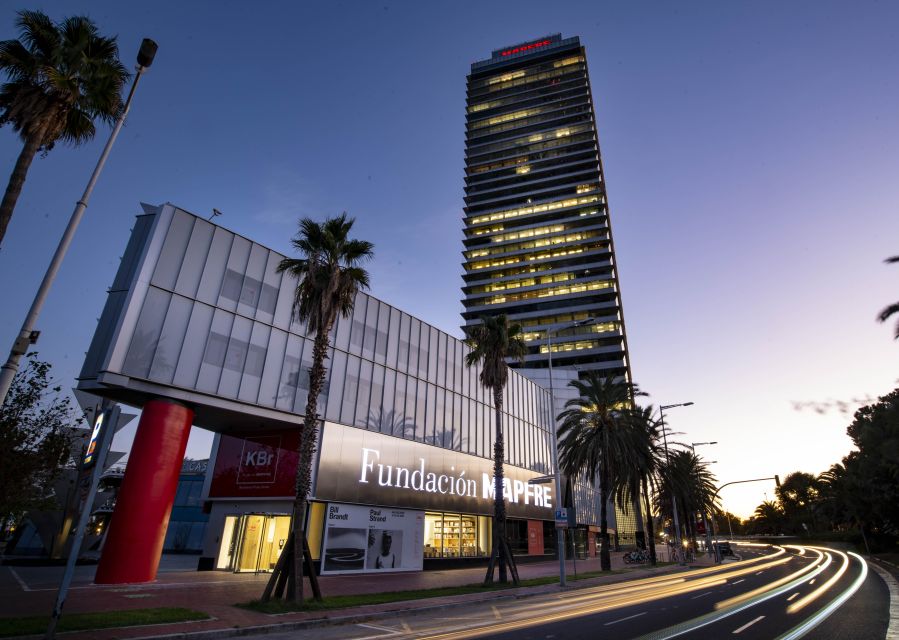
KBr Fundación MAPFRE is the kind of place that works for both casual art time and deeper photo-nerd focus. The setting is modern and tidy, and you’re not fighting crowds just to get close to the work. Instead, you can take your time and let the images do the talking.
This is also a great value play. For about $5, you’re getting access to exhibitions built around internationally known photographers, plus an audio guide included with the ticket. That matters, because photography can feel flat if you only glance at it. The guide helps you see what’s going on: framing choices, subjects, and how the photographer’s approach evolved.
The location in Port Olímpic is another practical plus. You can fit this into a broader Barcelona day without the stress of navigating a totally unfamiliar neighborhood. It’s a smart stop if you want culture without losing half your day to logistics.
You can also read our reviews of more tours and experiences in Barcelona.


Inside your visit: what to do once you arrive
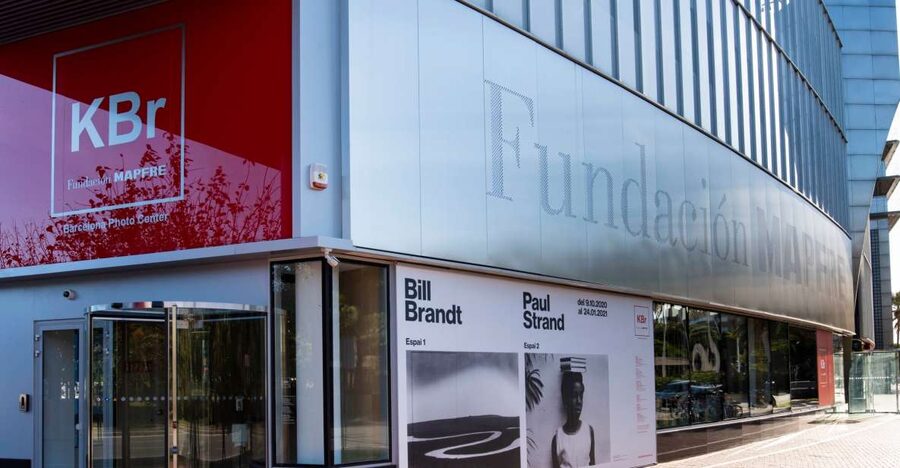
Your experience starts with the ticket desk. You’ll need to present your voucher there. After that, you’ll be set up to explore the two exhibition spaces.
Here’s the practical way to plan your time:
First, give yourself room to reset your eyes. Photography exhibitions ask for slower looking than museums that rely on spectacle. If you walk in scanning like you’re speed-running content, you’ll miss the fine shifts—how a photographer changes subjects, light, and composition across decades.
Next, plan on switching modes. One space is built for the temporary program and its specific theme. The other is built around a defined collection focus—here, the Foundation’s work tied to Carlos Pérez Siquier. You’ll likely get more out of the second exhibition if you treat it as a companion to the first, not just a separate “second room.”
A quick heads-up for comfort and smoothness: the audio guide is included and works via a QR code in the room. You’ll want your phone ready before you enter, and headphones are required. If you don’t have your own, buy them at the ticket counter (jack type) and plan a short wait depending on availability.
Walker Evans: Now and Then and why this show works so well for first-timers
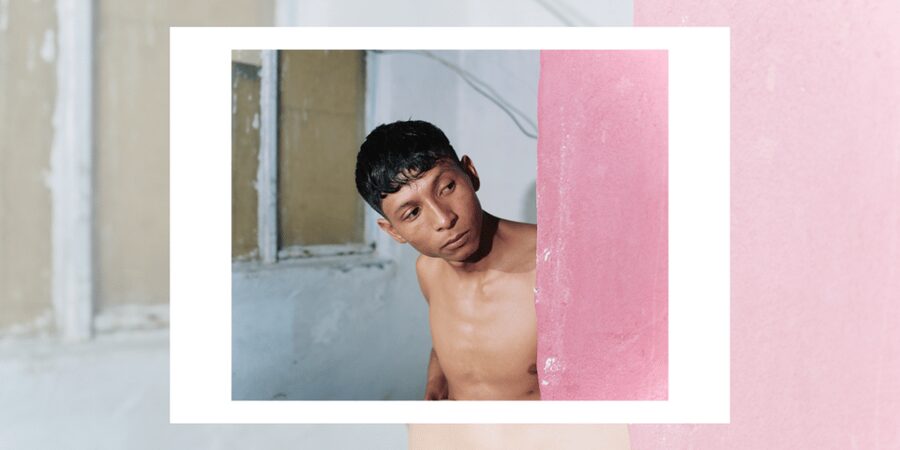
The temporary exhibition space is hosting Walker Evans: Now and Then until May 24, 2026. Even if you don’t know Evans’ name, this is a show that can pull you in quickly because it’s built on recognizable themes: everyday life, city scenes, and ordinary people seen with attention instead of drama.
Evans (1903–1975) matters because he’s a key figure in modern photography. The show leans into his documentary style—direct, spare, and observant—without turning him into a schoolbook example. The result is a viewing experience that feels calm but not passive.
What I like about this kind of exhibition is that it tracks both familiarity and change. The show covers his early photography in the 1920s, then follows his later experiments. It even includes work tied to Polaroid in the 1970s. That’s an important point for you as a viewer: it reminds you that “documentary” doesn’t mean “stuck in one approach.”
The show is also associated with David Campany’s curation approach. That often signals a careful thread, and with Evans it’s especially needed. His images can seem simple at first glance. The power is in how much they reveal once you notice the details: how he frames anonymous faces, how urban scenes become more than backdrops, and how a changing country can be read through small visual cues.
Pérez Siquier at Fundación MAPFRE: modern color and Spanish visual change
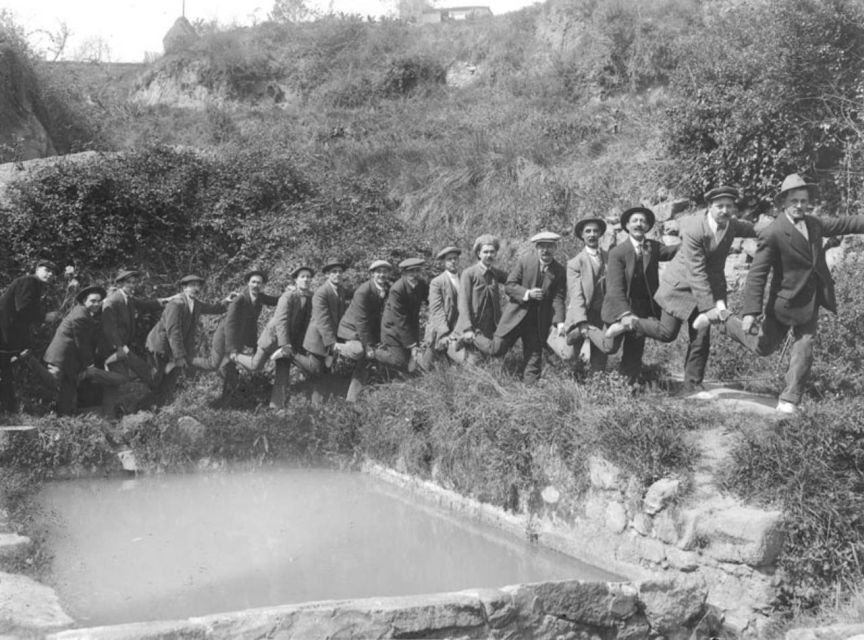
The second exhibition area highlights Pérez Siquier. Fundación MAPFRE Collections. Carlos Pérez Siquier (Almería, 1930–2021) is treated here as a central figure in Spanish photography—someone who helped renew 20th-century visual language.
You’ll get the sense that the show isn’t just about pretty pictures. It traces how Pérez Siquier developed a modern and poetic approach that mixes sensitivity and irony. In other words, you can admire the photography, but you can also feel the social and cultural transformations behind it.
A key feature is the emphasis on his role in color photography and how he helped photography gain recognition as an art discipline. The exhibition includes works that connect to his career development, including emblematic series such as La Chanca, Informalisms, and The Beach. The arc from black-and-white to color is a major storyline here—one that helps you understand that a shift in medium can be a shift in vision.
Another reason this exhibit is valuable for you: it gives you a different “lens” than the Evans show. Where Evans is often associated with a direct documentary gaze in the U.S., Pérez Siquier brings a Spanish modernity shaped by place, community, and a changing society. Seeing both in one visit helps you compare how photographers translate reality into art—without reducing either one to the same formula.
The quiet perks: audio guide, languages, and how to make it enjoyable
One of the best practical things at KBr Fundación MAPFRE is the audio guide. It’s included with the standard ticket, and it’s accessible through a QR code in the room. You can use it in English, Catalan, and Spanish.
You’ll also want to plan for the technical side. The audio guide needs a mobile device with active internet. If you don’t have mobile data, there’s a free Wi‑Fi network available in the space. Before you enter the exhibition rooms, check your phone battery and make sure you can load the QR link smoothly. That one step saves you from that awkward “what do I do now?” moment in front of the wall text.
Headphones matter too. They’re required so you don’t disturb other visitors. If you don’t have your own, the ticket counter sells jack-type headphones for €1. It’s a small cost, but it’s worth doing because it keeps the experience peaceful. The center is the kind of place where quiet is part of the atmosphere, and headphones help you keep that.
Also, there’s practical behavior info you should know. Food isn’t allowed, and swimwear isn’t allowed. It sounds obvious, but it’s helpful on travel days when you’re moving between activities.
How the exhibitions feel in your day: pacing, value, and the best type of visit
This is a one-day experience—meaning it’s easy to combine with other Barcelona plans. The strongest way to use it is as a dedicated photography chunk, not a quick glance between trains.
Because there are two exhibition spaces, you’ll get more out of the visit if you slow down for each one. With Evans, you’ll likely want to linger on the sequencing of his career and how the show frames his shift into later experiments. With Pérez Siquier, focus on the transformation of his style and the shift from black-and-white to color. Those two “stories” run differently, so your viewing approach should change between rooms.
Value-wise, the math is hard to argue with. For roughly $5, you’re getting a ticket to photography exhibitions built around heavyweight names and well-defined themes, plus the audio guide included at no extra charge. If you compare that to paid guided photo tours, workshops, or even larger museum tickets in the city, this is a cost-effective way to see world-level work without committing to a full museum day.
This also suits you if you like structured art experiences. The shows aren’t random photo prints tossed on a wall. They’re organized around clear photographers and clear lines of evolution. That makes it easier to understand what you’re seeing, especially if photography is your “I like it, but I don’t always know how to read it” category.
Practical visiting hours in Barcelona (and why timing matters)
The opening hours vary by season. The center is open:
- October 1 to March 31: Tuesday to Sunday (and holidays), 11:00 am to 7:00 pm
- April 1: Tuesday to Sunday (and holidays), 11:00 am to 8:00 pm
So you’ll want to treat the day’s timing as part of your plan. Late afternoon can be nice for a calm visit, but you’ll still want enough time to get through both exhibitions without rushing. If you’re pairing this with other Port Olímpic plans, aim to schedule it earlier rather than last on your list.
One more practical point: the experience is wheelchair accessible. If that’s part of your planning, you can feel comfortable that the space is designed for access.
Who should book this photo exhibition day?
You should book this if you want a low-cost, high-quality photography stop with real structure. It’s especially good for you if you’re interested in:
- Documentary photography and its evolution (Evans)
- Color photography and modern Spanish visual change (Pérez Siquier)
- Art visits where an audio guide actually helps you see what matters
- A calm indoor experience that doesn’t require a whole day commitment
If you want action-packed entertainment, this won’t be that. This is for people who can slow down and look. That’s not a negative; it’s the point.
Also, keep in mind that the temporary programming can shift. Archive-heavy photography shows have appeared in the center’s history of programs, including a focus on Tina Modotti. So if you like photographers whose work lives in archives and historical context, treat your visit as a chance to catch a program that matches your taste.
Should you book KBr Fundación MAPFRE photography exhibitions?
Yes, you should book this if you want value, calm, and strong names in one visit. The ticket price is low for what you get: two exhibition spaces, an included audio guide in multiple languages, and a chance to see major work tied to modern photography.
I’d skip it only if you know you dislike audio guides, hate headphone requirements, or want a very fast, surface-level experience. Photography centers reward patience. If you’re willing to slow down for a couple of rooms, this is a smart booking.
FAQ
FAQ
Where is KBr Fundación MAPFRE’s Photography Center?
It’s in Barcelona, in the Port Olímpic area of Catalonia, Spain.
How much does it cost to enter?
The ticket price is $5 per person.
How long is the experience?
It’s listed as valid for 1 day.
What exhibitions are currently available?
The temporary exhibition space features Walker Evans: Now and Then until May 24, 2026, and there is also an exhibition on Pérez Siquier. Fundación MAPFRE Collections.
Is an audio guide included?
Yes. The standard ticket includes a free audio guide accessible via a QR code in the room.
What languages is the audio guide available in?
The audio guide is available in English, Catalan, and Spanish.
Do I need headphones?
Yes, headphones are required. You can bring your own, or purchase jack-type headphones for €1 at the ticket counter.
Are food and swimwear allowed?
Food is not allowed, and swimwear is not allowed.