REVIEW · BARCELONA
Barcelona Photography Masterclass – Private Photography Lesson
Book on Viator →Operated by Aperture Tours · Bookable on Viator
Barcelona turns into a camera workshop at night. This private Barcelona photography lesson sends you to real shooting spots (not just postcard views), mixing daylight street time with evening city angles and the Montjuïc light show.
I especially like the hands-on teaching. Your guide sets the pace to your level, then points you toward shot ideas you might miss on your own.
One thing to consider: you need to bring your own DSLR, and transportation between stops is not included, so expect to walk (and to adjust for the weather).
In This Review
- Quick hits before you book
- What this “masterclass” really means in Barcelona
- Your guides set the pace, not a rigid script
- Daylight route: photographing exteriors and the Born district streets
- Night shooting: exterior angles, technique practice, and steady placement
- Montjuïc light show: using timing and light for real results
- Price and value: what you’re paying for at $180.62
- What to bring (and what’s optional)
- How to get better quickly on this kind of photo walk
- Who should book this (and who might not)
- Final advice: should you book it?
- FAQ
- What camera should I bring?
- Is a tripod provided?
- Is this tour private?
- Where does the tour start and end?
- What language is the tour offered in?
- Does the tour run in bad weather?
Quick hits before you book
- Private, up to 4 people means you get direct attention on framing and settings.
- Day + night Barcelona shooting helps you practice fast in both light styles.
- Born district street work focuses on narrow lanes and angles rather than big monuments.
- Montjuïc light show at night gives you a built-in subject for timing and exposure practice.
- Guides tailor the lesson; Emily Kerr and Ian are among the photographers who tailor pace and technique.
- Tripod is optional (upon request), so bring one if you already know you’ll want it.
What this “masterclass” really means in Barcelona
This isn’t a museum talk. It’s a 3-hour, on-the-streets photo lesson with a local guide and a professional photographer guide (so you get both city context and camera brains in the same walk). You start at Plaça de Catalunya and finish back there, which makes the plan feel easy to plug into your trip.
The structure is simple: you photograph exteriors, then move into street scenes, then shift toward night shooting. That format matters because it forces you to practice the same skill in different conditions—daylight contrast versus night light, wide views versus tight street geometry.
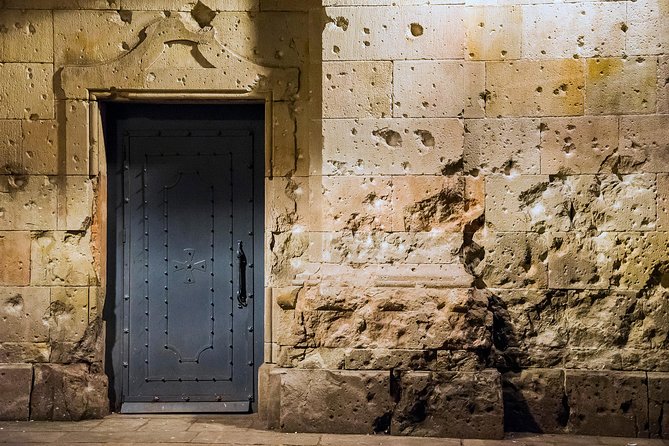
Also, the tour leans into the kind of Barcelona you can’t fake with a bus window. You’ll look for views and architecture angles, plus narrow streets in the Born district that are made for photography—tight sightlines, texture on old walls, and scenes that change every few steps.
You can also read our reviews of more tours and experiences in Barcelona.
Your guides set the pace, not a rigid script
The best part of a private photo lesson is when the instructor adjusts to you. In this experience, guides use questions and fast feedback to match your level, then nudge you toward better results without turning it into a lecture.
For example, Emily Kerr has been praised for setting the right pace based on what the photographer already knew, then working with questions to get stronger images you wouldn’t naturally find on your own. Ian has been praised for aligning the tour to the photography style you want and for focusing on technique for night shots while also finding the best places to shoot from.
That matters because photography isn’t just about knowing the city. It’s also about knowing when to slow down, when to change lenses, and how to translate a scene into a shot—composition first, settings second.
Daylight route: photographing exteriors and the Born district streets
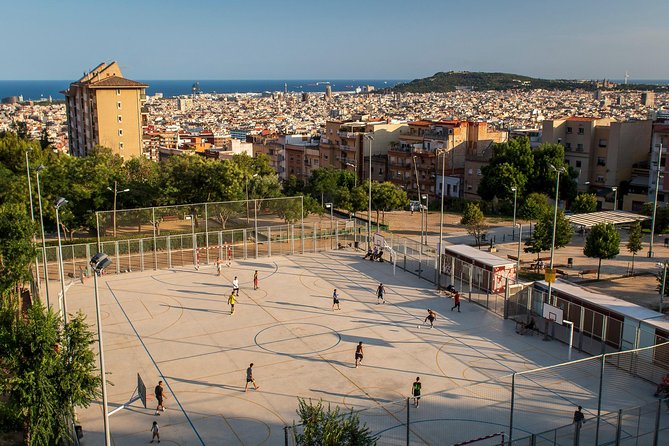
Your daytime part is built around two goals: learn how to see and learn how to frame. The itinerary begins with photographing major attractions from the outside—useful if you want practice turning recognizable landmarks into better photos. Shooting exteriors forces you to think about angle, perspective, and how to include the surrounding streets without making your frame look like a postcard.
Then you walk through and photograph the Born district’s narrow streets. This is where Barcelona becomes a photographer’s playground. In tight neighborhoods, you can’t rely on a big wide shot. You have to work with:
- leading lines formed by streets and building edges
- layered depth from doorways and alleys
- light bouncing off walls and shadows between buildings
A street-focused walk is also great if you want to improve quickly. You’ll likely spend less time staring at one spot and more time moving, trying variations, and learning what works in a compact space.
Possible drawback: narrow streets can mean more foot traffic and less space to set up. That’s not a dealbreaker, but it does affect how long you can linger and how easy it is to take photos from the exact spot you want.
Night shooting: exterior angles, technique practice, and steady placement
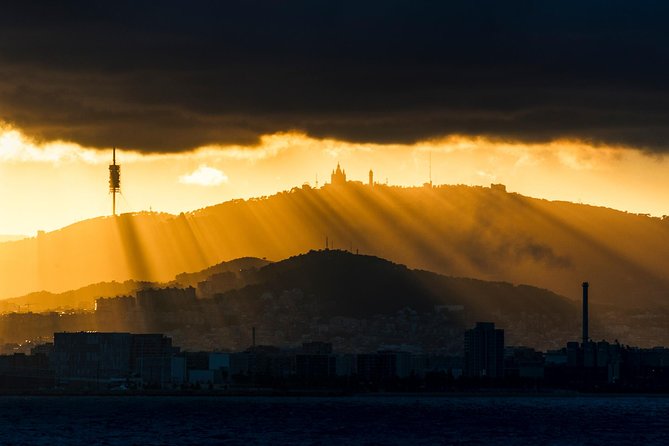
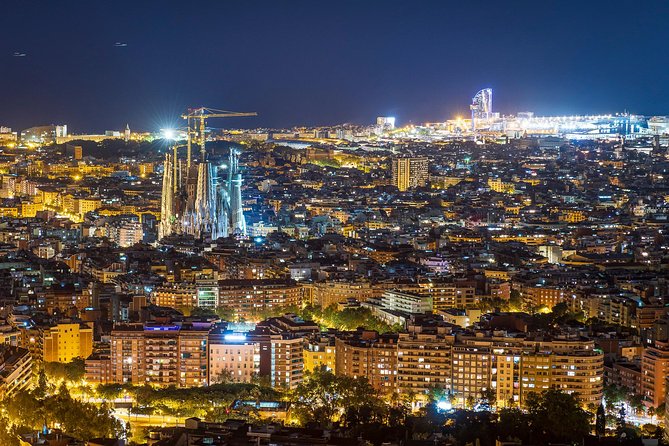
Once evening hits, the tour shifts into a different kind of problem-solving. Night photography usually isn’t about artistic inspiration first—it’s about technique. You’ll be photographing attractions from the outside again, but with a new emphasis: viewpoint and exposure control.
The guidance here is practical. Ian has been specifically praised for focusing on getting night shots with good technique and for making sure the group had the best vantage points. That’s exactly what you want in Barcelona: clear places to stand, angles that reveal the city without washing everything out, and tips that help you stop guessing.
Night also changes how you think about motion. People walking through a scene can help or hurt your photo depending on your settings and your timing. A guided night walk helps because you learn how to react fast—when to shoot, when to wait, and how to frame so you get a result you can actually use.
Consideration: night is colder, darker, and more variable in weather. The tour operates in all weather conditions, so dress for it and keep your gear protected.
Montjuïc light show: using timing and light for real results
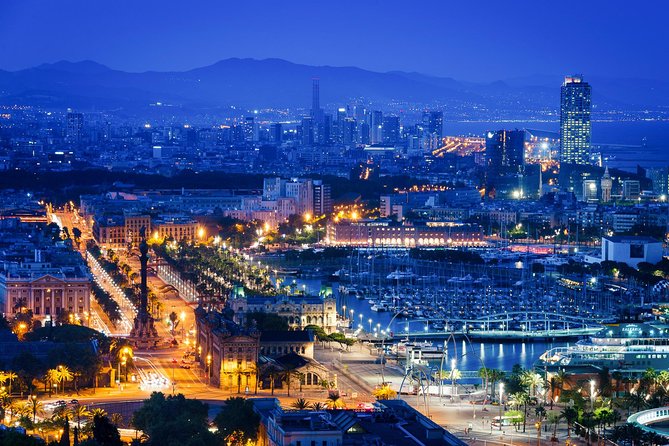
The night portion includes photographing the magic light show of Montjuïc. That’s a big deal for a few reasons.
First, it’s a ready-made subject. Instead of hoping for a random photo moment, you know you’ll have a scheduled visual event to shoot. Second, it’s perfect training for exposure and composition under shifting light. Light shows rarely stay still, so you learn how to respond when brightness changes minute to minute.
If you’ve ever tried to photograph events on your own and ended up with blurry or blown-out frames, this kind of guided session is exactly where you can tighten up your approach. The guide’s job is to help you make decisions quickly: where to stand, what to aim for, and how to get a keeper.
Price and value: what you’re paying for at $180.62
$180.62 for about 3 hours sounds like a lot until you break down what’s included. You’re not just paying for walking around Barcelona. You’re paying for:
- a local guide
- a professional photographer guide
- private instruction for your group (max 4)
And you get help that you can’t easily buy with time alone. One good lesson can save you hours of trial-and-error later. Night photography especially benefits from having someone point you to the right vantage points and correct technique fast.
Still, it’s not magic. You’ll get the best value if you come prepared: bring your DSLR, be ready to shoot a lot, and ask questions when you’re stuck. If you show up without any interest in settings or composition, the session will feel more like a sightseeing walk than a masterclass.
What to bring (and what’s optional)
Here’s what’s explicitly required or helpful based on the tour info:
- Bring your own DSLR camera. The camera is not included.
- Tripod is available upon request, but it’s not listed as included. If you already own one and use it for night work, it’s smart to bring it anyway.
- Transportation to and from the attractions is not included, so plan to rely on walking and public transit.
- Wear weather-appropriate clothing. The tour runs in all weather conditions.
Also, since the tour starts and ends at Plaça de Catalunya, you can keep your day plan flexible. Just remember you’ll be out enough that comfort matters.
How to get better quickly on this kind of photo walk
If you want to maximize results in a short 3-hour window, you need a simple mindset:
- Take fewer shots, but take variations on purpose (angle, height, framing).
- When your guide suggests something, try it right away instead of saving it for later.
- During night, prioritize technique over perfection. You’re building consistency.
What makes this lesson work is that the teaching is tied to places you can actually shoot. You’re practicing composition and exposure while the city is still in front of you, not later in a classroom setting.
This is also why the private format helps. With a 1-to-1 teaching vibe (up to 4 people per booking), you’re less likely to get stuck watching someone else’s tips while you wait.
Who should book this (and who might not)
This experience is a great fit if:
- you want street photography practice in a real neighborhood like Born
- you want night technique help without guessing for hours
- you’re comfortable with a DSLR and want guidance tailored to your level
- you like learning the city through angles and architecture rather than only landmarks
It may be less ideal if:
- you don’t have a DSLR (the tour specifically requests one)
- you’re hoping for transportation between widely scattered spots
- you want long stops at a single monument without moving through streets
Final advice: should you book it?
Yes—if you want a focused photography session that combines Barcelona’s day streets with night shooting, and you’re ready to work with a DSLR and a guide’s feedback. The value is strongest when you treat it like practice: shoot often, ask questions, and try the techniques your guide recommends.
If you want a photo tour that feels structured around actual shooting moments (including the Montjuïc light show), this fits well. If you’d rather wander independently and only need general sightseeing, you might get more freedom elsewhere.
FAQ
What camera should I bring?
You should bring your own DSLR camera. The camera is not included.
Is a tripod provided?
A tripod is available upon request, but it’s not automatically included. If you rely on a tripod for night shots, consider bringing your own.
Is this tour private?
Yes. It’s a private tour/activity, and only your group participates. The booking allows a maximum of 4 people.
Where does the tour start and end?
The tour starts at Plaça de Catalunya and ends back at the meeting point.
What language is the tour offered in?
The experience is offered in English.
Does the tour run in bad weather?
It operates in all weather conditions, so dress appropriately.