REVIEW · BUSAN
Gyeongju Small Group photo Tour (Max 6 Pax)
Book on Viator →Operated by triends · Bookable on Viator
Gyeongju turns into a photo studio in one day. This max 6 person tour strings together major Silla sights, with time for real breaks and landmark backdrops. You’ll move at a relaxed pace, with an air-conditioned ride between sites and a guide focused on getting you the shot.
What I like most is that you also leave with the images: you get raw JPG files soon after the tour, plus optional retouching for up to 8 chosen photos per person.
One thing to consider: the photo day can feel history-light if your guide’s English isn’t strong enough for you to follow details smoothly. If you want deep explanations all the way through, plan to ask questions early (and don’t be shy about requesting more context).
In This Review
- Key things I’d plan for
- Gyeongju in a single long day: why this format works
- Small-group pacing: what max 6 really changes
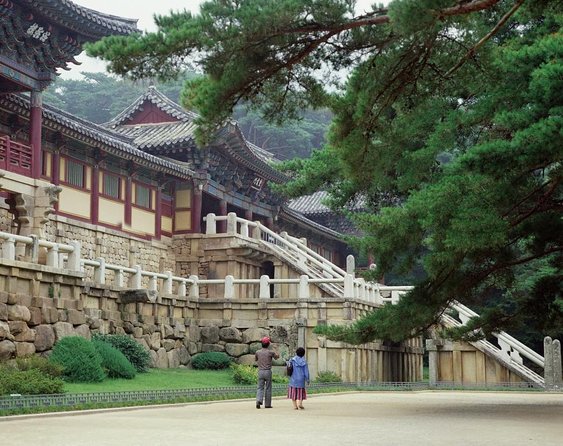
- Bulguksa Temple: UNESCO stonework and an easy start
- Millennium Forest Garden timing: calm nature, plus seasonal swaps
- Hwangridan-gil Street: where the photos meet real snacks
- Daereungwon Tomb Complex: Silla royal mounds and inside-the-world photos
- Gyeongju Gyochon Traditional Village: hanok life and optional clothing
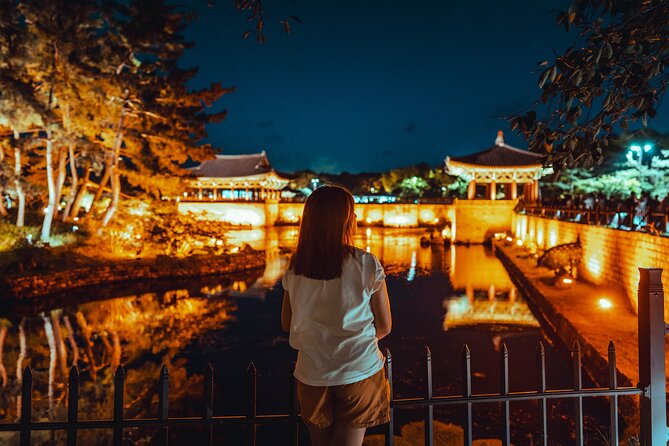
- Donggung Palace & Wolji Pond: the night reflections payoff
- Photography perks: raw JPG files, retouching limits, and how to use them
- What you get for $120: pricing that makes sense for this day
- Who should book this tour, and who should skip it
- Should you book this Gyeongju Small Group photo Tour?
Key things I’d plan for
- Max 6 people keeps it flexible for pacing and photo stops.
- Raw photos + limited retouching means you’ll have something tangible even if you’re not a “camera person.”
- UNESCO Bulguksa Temple is the first big anchor stop, with free admission.
- Night reflections at Donggung Palace & Wolji Pond are the payoff, but it’s why the day runs long.
- Season swaps happen: the Millennium Forest stop can change for ginkgo and cherry blossom timing.
- Lunch and drinks aren’t included, so you’ll want cash/card ready for Hwangridan-gil.
Gyeongju in a single long day: why this format works
If you’re basing in Busan, getting to Gyeongju and back without losing half your day to transit is the real challenge. This tour solves that with pickup offered, an air-conditioned vehicle, and a schedule built around Gyeongju’s most recognizable landmarks.
You’re not just “passing by.” The order of stops matters. You start with Bulguksa Temple, then shift to gardens and photo-friendly streets, then move into Silla royal burial sites, a hanok village experience, and finally the illuminated Donggung Palace and Wolji Pond. That last part is a big reason the tour is about 12 hours total. You’re timing the day so you can see daytime architecture and nature, then switch to nighttime atmosphere.
The small group size (up to 6) also changes the feel. It’s still busy—you’ll walk—but it’s not a cattle-car tour. For many people, that’s what makes the difference between a stressful checklist and a day that feels like it flows.
You can also read our reviews of more tours and experiences in Busan.
Small-group pacing: what max 6 really changes
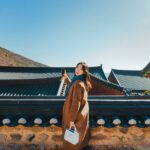
On paper, max 6 sounds like a marketing detail. In practice, it helps you in two ways.
First, you get more room to adjust. If your group needs an extra minute to find the best angle at Bulguksa stonework, or you want a break before walking up to the tomb mounds, a smaller group gives the guide more flexibility.
Second, photo coordination becomes easier. Instead of everyone rushing at once, you can generally expect the guide to manage turns, pose timing, and spot selection without everyone fighting for the same corner.
One more practical note: this is a photo tour, but it’s still built around landmark time blocks—like 1 hour at Bulguksa, 1 hour at Daereungwon Tomb Complex, and 50 minutes at Donggung Palace & Wolji Pond. So you get both the “look at it” part and the “get in the right place” part.
Bulguksa Temple: UNESCO stonework and an easy start
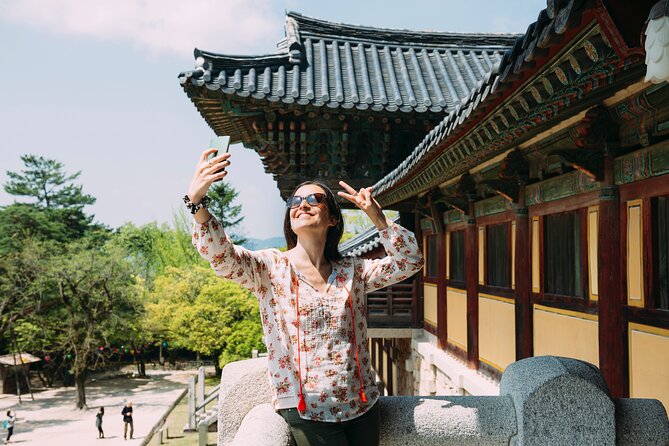
Bulguksa is one of Gyeongju’s biggest hitters, and the timing works well as the first stop. You’ll spend about 1 hour here, and admission is free on this tour.
What makes Bulguksa special for a photo day is its mix of scale and texture. You’re not just photographing buildings in the distance; you’re also seeing intricate stone elements that reward getting close enough for details. The temple’s status as a UNESCO World Cultural Asset since 1995 is a reminder that it’s not a quick roadside stop. It’s the kind of place where you’ll get better photos when you slow down a bit and let your eyes adjust.
A practical tip: wear shoes with grip. Even if the terrain doesn’t look dramatic, temple grounds often involve uneven surfaces and long walks between photo angles. If you’re planning to rent hanbok later, keep that in mind—Bulguksa is still the “better shoes” part of the day.
Millennium Forest Garden timing: calm nature, plus seasonal swaps
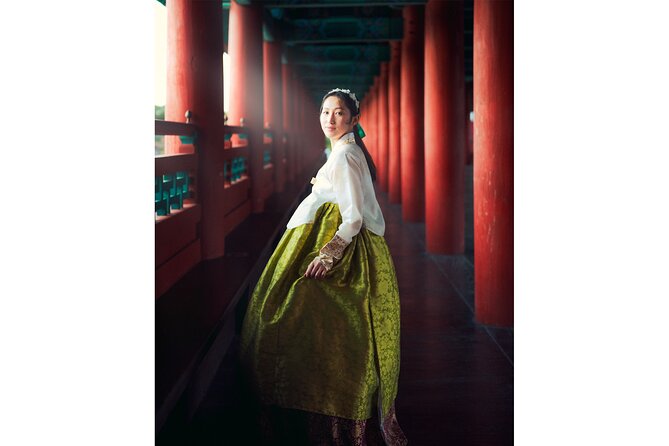
Next you’ll head to the Gyeongbuk Millennium Forest Garden (about 30 minutes, free admission). This stop is shorter by design. It gives you a breather after the temple, with a calmer pace and plenty of natural backdrops for photos.
But here’s the key detail for planning: the stop can change by season. During ginkgo season (last week of October to first week of November), the time at Gyochon Village is shortened and an extra stop (Tongiljeon) may be added before visiting Gyeongbuk Millennium Forest. During cherry blossom season (last week of March to first week of April), the Millennium Forest Garden may be replaced with Bomun Lake or Amgok Village.
What this means for you: don’t lock yourself into a single mental image of the garden. The tour is designed to chase seasonal timing, so what you get is based on the calendar and conditions. If you care about seeing a specific seasonal feature, it’s worth checking your travel dates and being flexible about the exact setting.
Hwangridan-gil Street: where the photos meet real snacks
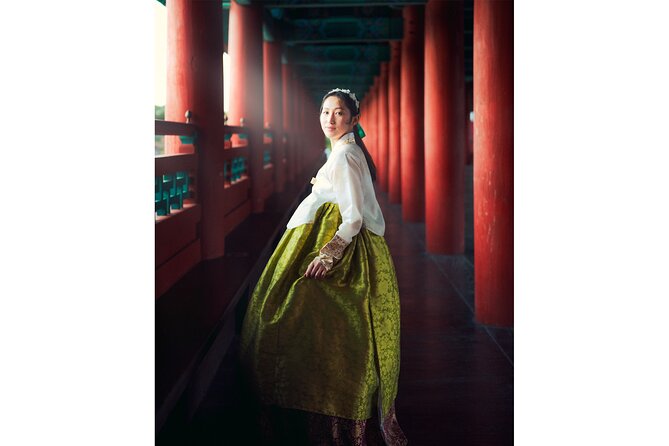
Hwangnidan-gil Street (spelled Hwangridan-gil on the tour details) is one of Gyeongju’s most trendy photo corridors. You’ll have about 1 hour 40 minutes here, and admission is free.
This is where the day shifts from monuments to everyday style. Think traditional hanok-style buildings next to cafes and shops, which is why it’s so useful for photos—you can get “Gyeongju vibes” without it feeling like you’re only standing in historical ruins.
The other big advantage: you get time for lunch on your own. Lunch and beverages aren’t included, so you’ll want to pick somewhere that fits your pace. If you want a quick meal between photo shots, choose a place with fast turnover. If you want a slower sit-down lunch, treat it like a reset before heading back into longer walks.
If you’re not great at deciding on the spot, do a quick scan first, then commit. One hour 40 minutes sounds long, but when you factor in photos, shopping, and eating, it goes faster than you think.
Daereungwon Tomb Complex: Silla royal mounds and inside-the-world photos
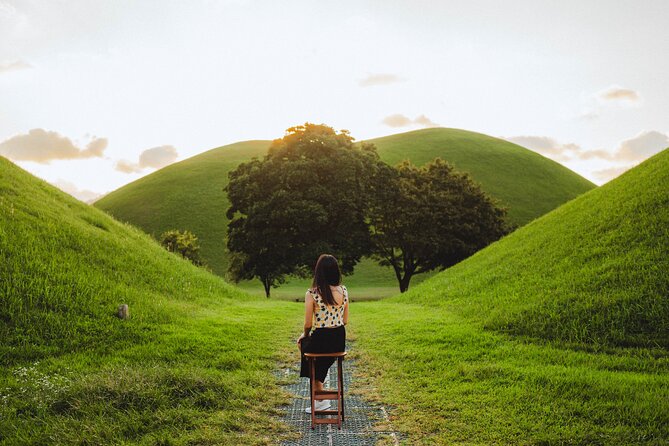
Then you’ll step into the Daereungwon Tomb Complex. This is about 1 hour and admission is free.
The complex includes 23 tombs set inside large mounds, and what you’ll notice right away is how the grounds are arranged like a garden landscape of rolling earth forms. For a photo day, this kind of setting works because you can frame shots with both mounds and greenery without needing a lot of props.
There’s also a useful “depth” point here: the real treat is not only what you see from the outside. The tour notes that there are tomb interiors to experience as well. If you want photos that feel more than just scenic, this is one of the places where you should pay attention to interior viewing areas and the way light hits stone and walls.
If you’re sensitive to crowds, aim to move with the group rather than lagging too far behind—this stop can be popular and the best photo windows shrink quickly.
Gyeongju Gyochon Traditional Village: hanok life and optional clothing
Gyeongju Gyochon Traditional Village gives you the hanok atmosphere you came for. You’ll have about 1 hour 10 minutes here, with admission free.
This part is different from the tombs and temples. Instead of ancient royal structures, you’re walking through traditional house life—built to show the environment and culture of historical Korea. It’s also where you may find options for small experiences, and the tour specifically mentions the chance to try various experiences and life details in the village.
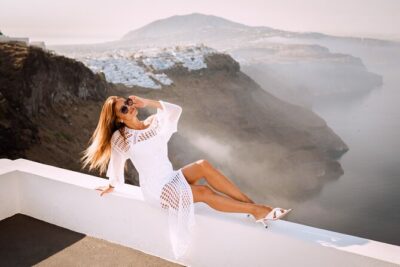
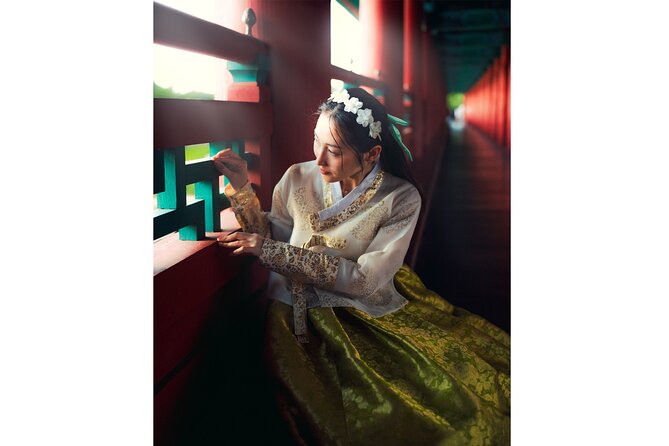
One detail that matters for photos: you can rent hanbok during the tour, but it’s at your own expense. If you plan to do it, decide early so you have enough time to get photos without rushing. Wear comfy shoes while walking in hanbok or around the village—save any fragile footwear for the quick posed moments.
Also, because the ginkgo season can shorten your time here, be ready for a slightly tighter schedule depending on when you visit.
Donggung Palace & Wolji Pond: the night reflections payoff
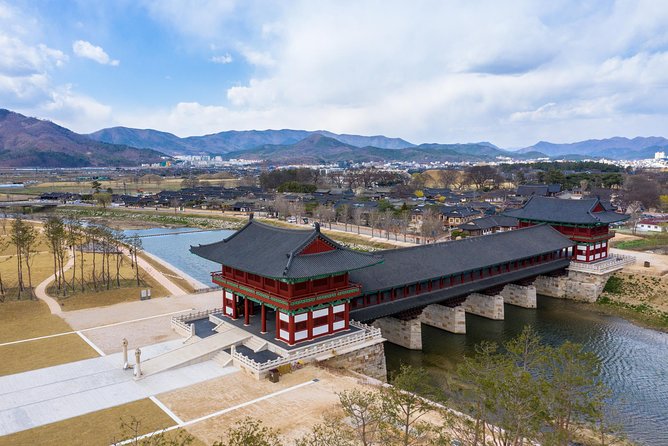
This is the emotional closer of the day. You’ll spend about 50 minutes at Donggung Palace & Wolji Pond, and admission is included.
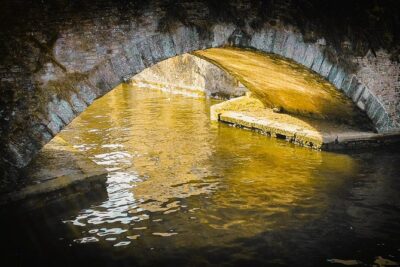
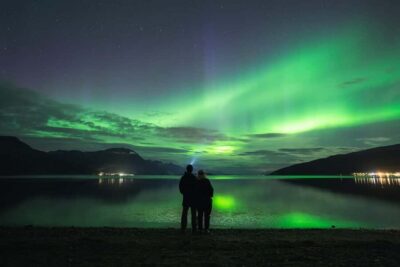
During the day, these spaces are impressive. At night, they become photogenic in a completely different way. The tour highlights the illuminated palace reflecting on the water, and that’s exactly the kind of visual contrast that makes a “photo tour” feel worth it.
Because you’re photographing at night, practical comfort matters more than at daytime stops. Bring something you’ll be comfortable wearing for low-light conditions. Your guide will likely guide you to the best angles, but you still need to be able to stand, wait, and adjust without getting cold or restless.
If you’re thinking about the whole day as a story, this stop is the final chapter. Everything before it sets the context—temples, royal mounds, hanok streets—and then Wolji Pond gives you a memory that looks like a postcard even if you’re not a photographer.
Photography perks: raw JPG files, retouching limits, and how to use them
Here’s the value that makes this tour more than just transportation to sights.
You get all raw photo files (JPG only) sent within 24 hours after the tour. That means you’re not dependent on a single “good” shot. You’ll have choices—use them to pick your best angles, outfits, and expressions.
Then there’s optional retouching. You can select up to 8 photos per person for retouching, and editing is limited to color and skin. The tour notes retouching may take up to 10 days of work, and also states the editing process takes up to 7 days—so plan to allow at least about a week, and a bit longer if it runs to the upper end.
Two practical realities:
- The storage window is short: files are stored for only 30 days after delivery, then deleted. Download promptly after you receive them.
- Retouching limits are real. If you were hoping for major edits, consider the tour like a capture service plus light touch-up—not a heavy editing studio.
If your priority is to get the most from your photos, do this: dress for variety (even if you don’t rent hanbok), keep your phone off during the shoot moments if you’re using the guide’s process, and ask the guide what background is best at each stop.
What you get for $120: pricing that makes sense for this day
At $120 per person, the tour can feel like a splurge until you itemize what’s included.
Included items:
- Air-conditioned vehicle (so you’re not dealing with transfers)
- All fees and taxes
- Tickets (and you’ll see multiple free-admission stops plus Donggung/Wolji Pond included)
Not included:
- Lunch
- Souvenirs
- Beverages
But the biggest pricing hook is the photo component. When a tour includes raw files after the fact, you’re not leaving with only a few shaky phone pictures. For many people, that alone justifies paying for a guide instead of doing a DIY day trip from Busan.
Is it cheap? No. But it’s structured value: you’re buying time savings, transport, ticket coverage, and a professional photo workflow.
Who should book this tour, and who should skip it
This Gyeongju small-group photo tour is a strong fit if:
- You want to see major Gyeongju landmarks without building your own route.
- You care about photos and want something beyond quick selfies.
- You like a structured day that still gives you time for lunch and pacing breaks.
- You’re traveling with a small group or prefer a low-stress group size.
You might want to skip or adjust expectations if:
- You want long, deep historical lectures at every stop. The guide’s English level can vary.
- You hate walking. The day includes “photo stops” that still require moving between viewpoints.
- You’re on a tight budget and don’t value the photo deliverables. Lunch isn’t included, and that’s usually where the day’s extra spend appears.
Should you book this Gyeongju Small Group photo Tour?
I think this is an easy yes for most first-time visitors who want a photo-forward day with real landmarks in one trip. The combination of Bulguksa Temple, the tomb complex, the hanok village vibe, and the night reflections at Donggung Palace & Wolji Pond is a smart arc. Add in the small-group size and the raw photo files within 24 hours, and it becomes more than a sightseeing bus ride.
Book it if you want a smooth, guided day and you’ll actually use the photos afterward. Consider a different option if you expect heavy, detailed history talk in flawless English or if you’d rather spend the money on meals and souvenirs instead of photo services.