REVIEW · UTAH
Capitol Reef Photography Tours
Book on Viator →Operated by Capitol Reef Photography Tours · Bookable on Viator
Capitol Reef turns even a camera into a tool. This 3-hour Capitol Reef photography outing is built around photo-focused timing and hands-on coaching, so you spend less time guessing and more time making strong images. You’ll also get practical guidance aimed at building real skills, not just snapping shots.
What I like most is the small-group feel: a max of four people, which means you’re not lost in a crowd. I also appreciate the comfort factor—an air-conditioned vehicle with pickup available—so you can focus on light, framing, and settings instead of logistics.
The only real watch-out is weather. This experience needs good conditions, and you’ll also want to plan for water and layers since there’s no lunch provided and you’re asked to bring plenty of water.
In This Review
- Quick highlights to know before you go
- Where Capitol Reef light becomes your secret weapon
- Picking the right session: Sunrise, Sunset, Factory Butte, or Astro
- Why the four-person group size feels worth it
- Comfort and pickup: the practical side of better photos
- Your guide’s job: composition, camera settings, and real answers
- Sunset Point Trail and why that stop is a photo lesson
- Waterpocket Fold cliffs, Factory Butte vistas, and Fremont River at dusk
- Astro planning: how to get the Milky Way shot right
- What’s included (and what isn’t) so you plan the day right
- Gear strategy: bring yours, or use the rental option wisely
- Price and value: $229 for a guided photo day for up to four
- Who this tour fits best
- Should you book Capitol Reef Photography Tours?
- FAQ
- How long is the Capitol Reef photography tour?
- What is the group size?
- Is pickup available?
- What language is the tour conducted in?
- What’s included in the tour price?
- What should I bring with me?
- Where does the tour start?
- What if the weather isn’t good?
Quick highlights to know before you go
- Small group (up to 4) for real feedback on composition and camera settings
- Pickup + air-conditioned vehicle keeps the day moving comfortably
- Hand-picked locations chosen for composition, quietness, and easy access
- Choose your goal: Sunrise, Sunset, Factory Butte, or Astro (Milky Way)
- Minimal gear for rent so you can travel lighter
- Weather matters since the tour is designed around the right sky conditions
Where Capitol Reef light becomes your secret weapon
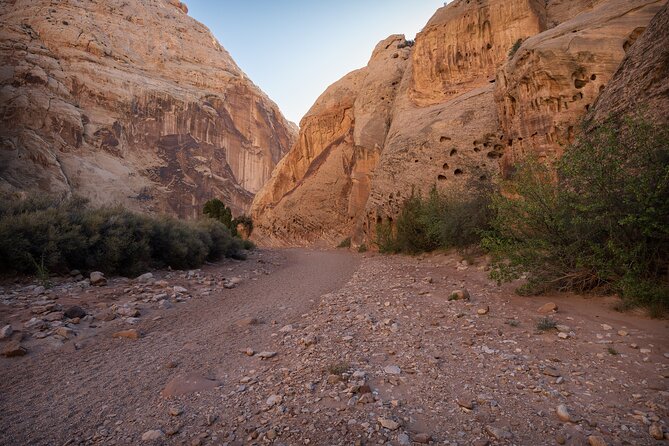
Capitol Reef National Park has the kind of scenery that makes a camera feel smarter than you are. That’s not luck—it’s the way the rock forms catch light. The Waterpocket Fold cliffs, long desert horizons, and tall sandstone spires all create natural “frames” for photos, especially when the sun is low.
This tour is also set up with a simple idea: timing is part of photography. You’re not just driving past scenic places. You’re heading to multiple spots at the best time of day for the look you want—whether that’s soft sunrise light, dramatic sunset color, or the night sky for Astro sessions.
Picking the right session: Sunrise, Sunset, Factory Butte, or Astro
You can book one of four styles, or bundle multiple. Each one targets a different type of image, so you’re not doing the same thing four times.
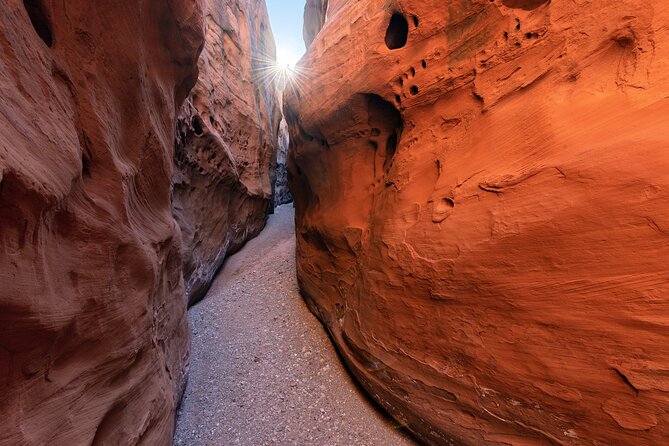
- Sunrise: Think gentle color and lower contrast. The morning light helps texture pop in the cliffs and canyon walls without the harsh glare you can get later.
- Sunset: This is where you chase warmth in the rocks and depth in the canyons. If you like the idea of the Fremont River meandering through canyon walls, sunset is designed for that kind of storytelling.
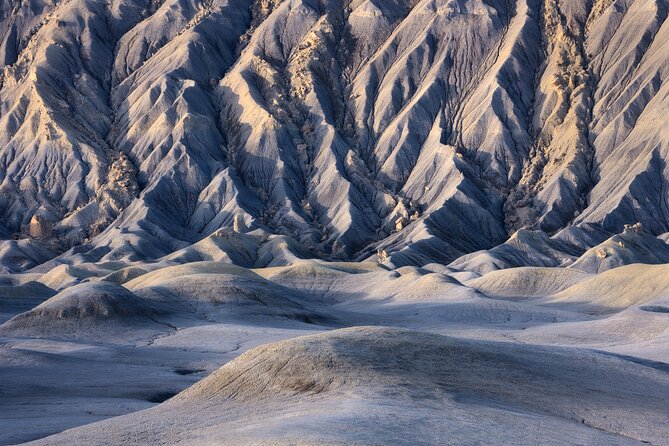
- Factory Butte: If you’re drawn to strong silhouettes and endless views, this one leans into that. The focus is on the big, open-looking scenery around Factory Butte, with wide angles and long sightlines.
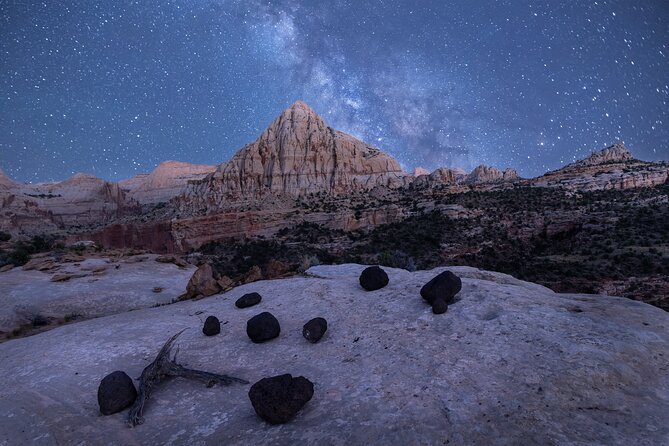
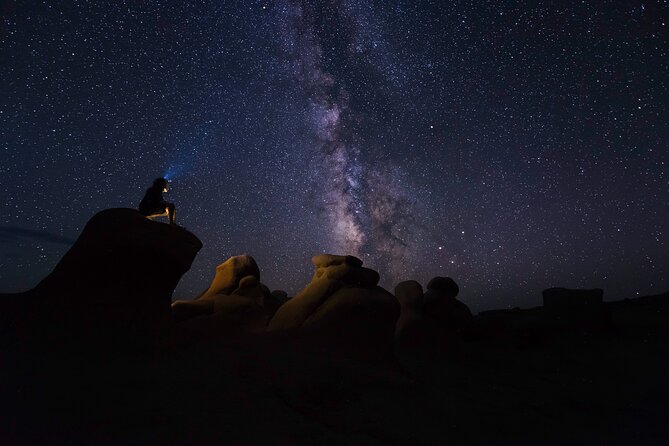
- Astro: This is for the night-sky crowd. You’re aiming to photograph the Milky Way over sandstone cliffs and spires—exactly the kind of shot that rewards good patience and clear conditions.
If you’re not sure which to pick, I’d choose based on your gear and your comfort level. Sunrise and sunset are “easier wins” for most people because they don’t require you to master night photography first. Astro is incredible, but it also asks more from both your camera settings and your willingness to wait.
Why the four-person group size feels worth it
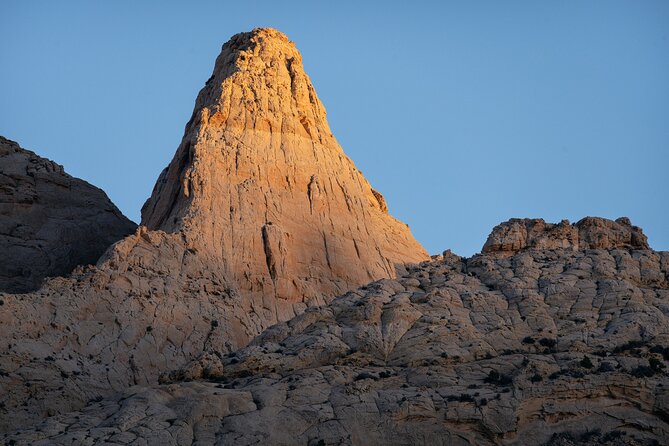
A lot of tours say small group, but you don’t always feel it. Here, the limit of four travelers is the point. It means you can get feedback that’s actually useful—like how to change composition, or why a certain camera setting makes your photo cleaner.
This format also helps you ask questions without feeling rushed. Even if your question is basic—like how to set exposure for changing light—there’s time. I like that the coaching is built to support your current skill level and move you forward by the end of the session.
And because you’re not crammed into a giant group, you can spend more time at each viewpoint. That matters for photography, because the “best” moment can be short: a cloud shift, a beam of light cutting across rock, or the angle where a foreground adds depth.
Comfort and pickup: the practical side of better photos
You start at Chuck Wagon General Store in Torrey (12 W Main St). The tour ends back at the meeting point, and pickup is available if you’re coming from the local area.
Once you’re in the air-conditioned vehicle, the day gets easier. Desert driving is great until the heat drains your energy. Keeping it comfortable helps you stay alert, and that’s when your photos improve—because you’re actually paying attention to framing and light rather than waiting for the next stop.
This is also a tour where planning matters. Bring extra layers for warmth, bring water, and make sure your camera gear is ready before you leave. The guide can’t build a perfect shot if you’re stuck troubleshooting a dead battery five minutes before sunset.
Your guide’s job: composition, camera settings, and real answers
The coaching here is built around two practical pillars: composition and camera settings. That means you’re not only told where to stand—you’re shown how to think like a photographer.
Composition tips are the fastest way to improve because they affect your image even if your camera is basic. You’ll get help with things like how to include strong foreground elements, how to frame rock formations so they lead the eye, and how to choose angles that feel intentional rather than accidental.
Camera settings instruction is for the moments when light changes quickly. In places like Capitol Reef, the sun can shift your exposure from one stop to the next. Having a guide who explains what to adjust—and why—saves you from trial-and-error that can eat up your best minutes.
There’s also area knowledge. That matters more than people expect. Knowing what you’re looking at helps you shoot it better, and it also helps you pick a direction without getting lost in options.
Sunset Point Trail and why that stop is a photo lesson
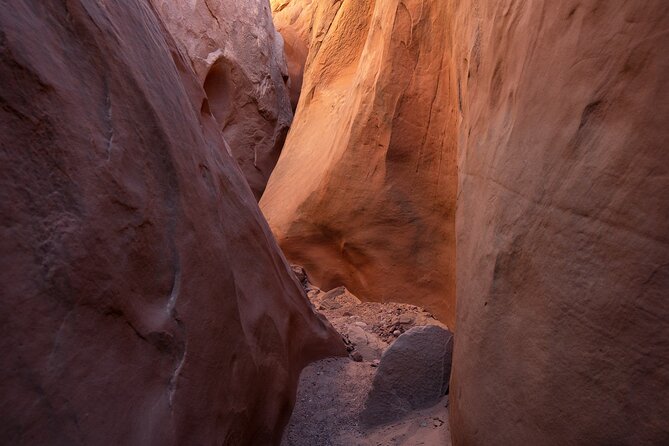
In this session, the first stop is Sunset Point Trail. That’s a strong choice for photographers because trail viewpoints often give you layered views: foreground texture plus the wider scene beyond.
You’ll use that location to practice the core skills the tour focuses on. Expect guidance on how to position your camera, how to adjust settings for the changing light, and how to shape the shot so the subject doesn’t just sit there—it connects.
Here’s what I’d watch for in a place like this.
First, avoid copying the first composition you see. Use the advice on framing and spacing—then try a second angle a few steps to the side. Second, keep an eye on your horizon line. In canyon and reef country, a slightly tilted horizon can make an otherwise beautiful shot feel off.
Waterpocket Fold cliffs, Factory Butte vistas, and Fremont River at dusk
Even though your exact spots depend on which session you book, the tour’s photo targets are very specific. That’s good. You’re not wandering randomly; you’re moving between carefully chosen viewpoints.
For the Waterpocket Fold Tour, the focus is the two-thousand-foot cliffs. High vertical rock is where you get dramatic scale and depth, especially when the sun adds highlights along the ledges. If you like photos that feel big, this is the type of scene that delivers.
For the Factory Butte option, the emphasis is on endless vistas. That usually means wide framing, clean silhouettes, and compositions that include sky space. It’s the kind of subject where focal length choice matters, and where a guide’s composition tips help you avoid “too much sky” or “too much emptiness.”
And for sunset photography, the tour points you toward the Fremont River as it meanders through canyon country. A river gives you something many desert shots lack: a natural leading line. It’s also a subject that can add life and motion to an image if the light and exposure are handled well.
Astro planning: how to get the Milky Way shot right
The Astro session is aimed at photographing the Milky Way Galaxy over sandstone cliffs and spires. That’s a specific goal, and it usually demands a different mindset than sunrise or sunset.
Even with instruction on settings, you’ll get more from the night if you arrive ready. Bring your extra layers, keep your gear protected, and plan to stay patient. Clear weather is essential, and this experience is designed around that reality.
If you’re new to astrophotography, the biggest value here is that you’re not left to figure it all out alone. You’ll get help with camera settings so your photos don’t turn into blurry dots or overly bright frames. Night photography rewards repetition, and a guided session helps you repeat the right steps.
What’s included (and what isn’t) so you plan the day right
What you get is directly tied to making photos easier:
- Air-conditioned vehicle
- Instruction on composition and camera settings
- Knowledge on the area
- Minimal camera equipment for rent
- Access to the best locations the park offers for the session
What you need to handle yourself:
- Bottled water: bring a lot of water
- Lunch: no food is provided
This “no lunch” detail is easy to miss, but it matters. If you’re coming from outside Torrey or you tend to get hungry during early starts, you’ll want to eat beforehand. Also, bring more water than you think you’ll need. Desert light sessions add up fast, and heat can sneak up on you even when you’re in a vehicle most of the time.
If you’re renting minimal equipment, I’d arrive with a clear sense of what you want to shoot. That way, you can use the rental gear effectively rather than experimenting blindly. The tour’s focus is skill-building, so your choices feed your results.
Gear strategy: bring yours, or use the rental option wisely
You’re encouraged to have your photography equipment ready, but the tour also offers minimal camera equipment for rent. That’s helpful if you’re traveling light or don’t want to bring everything from home.
Here’s how to think about it. If you know your camera well, bring it. You’ll waste less time changing settings and you’ll understand feedback faster. If you don’t know your camera yet, the rent option can lower the barrier, especially when you’re also getting settings coaching.
Either way, make sure your battery situation is solid. The tour has multiple stops at key times of day, so you don’t want to run out right when light is best.
Price and value: $229 for a guided photo day for up to four
At $229 per person for about three hours, this is not the cheapest way to see Capitol Reef. You’re paying for three things that directly affect your photos: focused instruction, small-group attention, and targeted location planning.
The small group is the biggest value lever. With up to four people, the guide can spend time with your camera settings and composition choices. That kind of one-on-few coaching usually costs more in bigger-market tour pricing, because it’s labor-intensive.
The comfort details also add up. Pickup, an air-conditioned vehicle, and the time saved from figuring out viewpoints on your own make the day smoother. And because the locations are chosen based on photo criteria like composition quality and quietness, you’re not just paying to drive around—you’re paying for efficiency and better odds of great shots.
If you’re a confident photographer who already knows every angle in the park, you might not feel the full value. But if you want your images to improve fast, this is the kind of tour that can make a real difference.
Who this tour fits best
This experience is ideal if you:
- Want a photo session with instruction, not just scenic stops
- Prefer small-group guidance where questions are welcomed
- Like structured visits timed for sunrise, sunset, or night sky conditions
- Are traveling with limited time and want your shots planned around the right light
It’s also a good fit if you’re a beginner who wants to understand settings instead of memorizing random camera modes. The tour’s goal is to build confidence and capability by the end of the session.
If you’re only looking for a casual walk with no photography focus, you might feel it’s more intense than you need. But if you care about the difference between a snapshot and a photo, you’ll likely enjoy the approach.
Should you book Capitol Reef Photography Tours?
I’d book it if your priority is improving your photos and getting guidance where it counts—composition choices, camera settings, and the right timing at the right viewpoints. The up-to-four setup is a big deal, and the coaching focus makes the price feel more like education plus access than just transportation.
Skip it only if you’re expecting a low-pressure sightseeing drive. This is a photography-first day. You’ll do better if you’re ready to move between viewpoints, adjust your thinking as light changes, and bring water and layers without fuss.
If you’re deciding between sessions, pick the one that matches the kind of image you actually want. Sunrise and sunset are the easiest way to get strong results quickly. Astro is for when you’re ready to work the night sky with guidance.
FAQ
How long is the Capitol Reef photography tour?
It’s approximately 3 hours.
What is the group size?
The tour has a maximum of 4 travelers.
Is pickup available?
Yes, pickup is offered.
What language is the tour conducted in?
The tour is offered in English.
What’s included in the tour price?
Included features are an air-conditioned vehicle, instruction on composition and camera settings, knowledge on the area, minimal camera equipment for rent, and best locations Capitol Reef has to offer.
What should I bring with me?
Have all of your photography equipment, bring extra layers for warmth, and do not forget water. Bottled water and lunch are not included, and you should bring a lot of water.
Where does the tour start?
The meeting point is Chuck Wagon General Store, 12 W Main St, Torrey, UT 84775.
What if the weather isn’t good?
This experience requires good weather. If it’s canceled due to poor weather, you’ll be offered a different date or a full refund.