REVIEW · ZAGREB
Zagreb Photo Tour
Book on Viator →Operated by Croatia Photo Tour · Bookable on Viator
Zagreb in photos starts with one smart angle. This small-group tour pairs you with a professional photographer-guide and teaches practical framing and settings you can use on your own camera or smartphone. If you like cities where architecture does half the work for you, this one rewards you fast.
I particularly like how the route mixes famous sights with everyday city life. You can photograph pieces like the Well of Life by Ivan Meštrović and also spend time at places such as the Dolac open-air market, where locals actually shop and linger. The guide also puts the city’s story into context, from its East-meets-West position to Austro-Hungarian influences you can see on façades and street corners.
One thing to plan around: the tour runs about 2 to 4 hours and it requires good weather. If skies don’t cooperate, you’ll need to be flexible with your time frame.
In This Review
- Key highlights to pay attention to
- Why Zagreb looks so good through a camera
- Photography targets you’ll actually want to shoot
- The Well of Life by Ivan Meštrović
- The Sun And The Planets installation in several locations
- The Archaeological Museum garden
- Dolac market and Ban Jelačić square: where daily life makes the photo
- Upper Town Gradec: the view shots and the details
- Lotrščak Tower and the Grič cannon: dramatic angles without extra effort
- Churches, museums, hidden backyards, and cafes: how the route stays flexible
- The city’s story you’ll be able to use in your photos
- What the guide actually teaches: framing, angles, and phone settings
- How long it takes and how to pace your own expectations
- Price and value for a group of up to 5
- Practical tips to get the most out of your camera time
- Should you book the Zagreb Photo Tour?
- FAQ
- Where does the tour start?
- How long is the Zagreb Photo Tour?
- How much does it cost?
- Is it a private tour?
- What language is the tour offered in?
- What’s included in the price?
- What should I bring?
- Is food or transportation included?
- What’s the cancellation and weather rule?
Key highlights to pay attention to
- Small-group pacing means more time for your questions, not a one-size-fits-all slideshow.
- Hands-on phone + camera coaching, including smarter framing and practical settings (as seen in Igor’s feedback-style coaching).
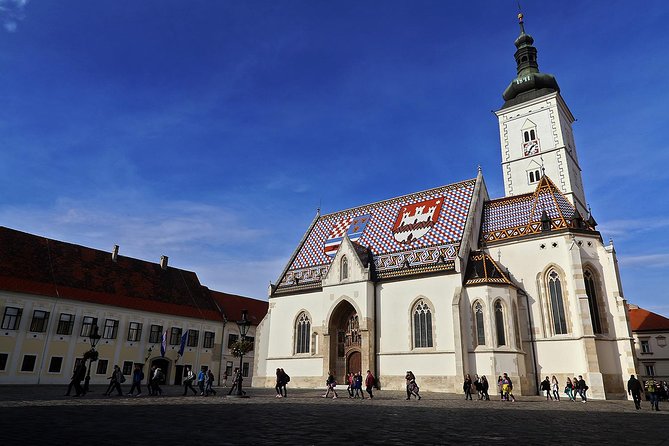
- A route that blends art, markets, and architecture, from Meštrović sculpture to Austro-Hungarian streets.
- Specific photo targets you can build a shot plan around: Dolac, Upper Town, Lotrščak tower, and the Grič cannon.
- Culture with a purpose: short history helps you photograph with intent, not just click-and-run.
Why Zagreb looks so good through a camera
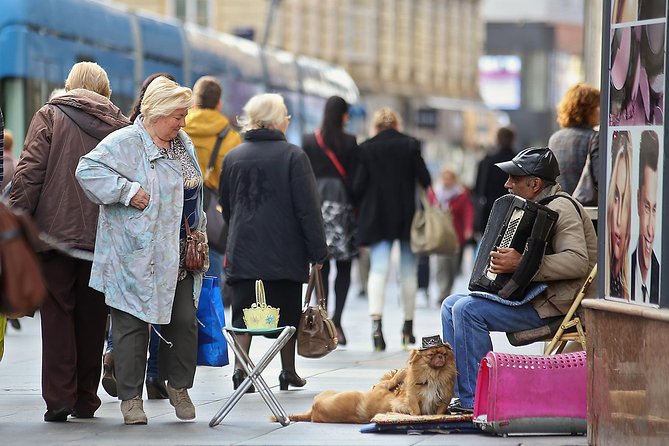
Zagreb’s layout makes photography easier than you might expect. The city sits between two hills—Gradec (Upper Town) and Kaptol—with a lower trading area that developed into today’s main square area. That gives you layers: viewpoints over rooftops, streets that slope, and squares where buildings frame the sky.
Zagreb also sits on a “meeting point” on the historic and political threshold between East and West. You can see that in the mix of styles: Austro-Hungarian architecture shows up on façades, while everyday street life keeps the scenes grounded. For your photos, that means fewer boring angles. Even when you repeat a landmark, the feel changes as you move a few steps.
And because the guide is a photographer-guide, you don’t just hear where things are—you learn how to see them. That’s the real value. Your brain starts working like a camera: foreground, midground, background, light direction, and how people fit into the frame.
You can also read our reviews of more tours and experiences in Zagreb.
Photography targets you’ll actually want to shoot
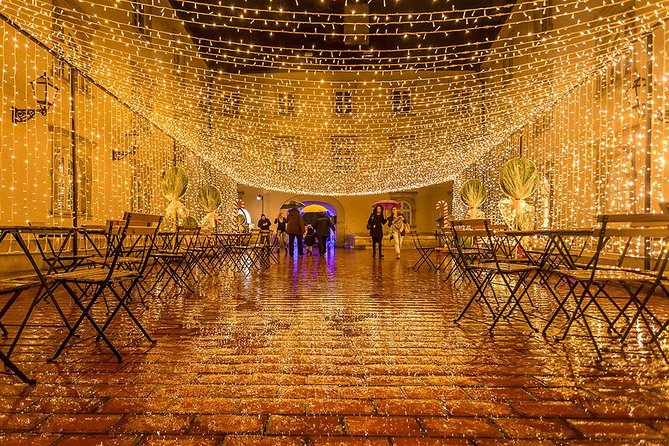
This tour isn’t built around one “big wow” photo and then lots of waiting. It’s designed around specific locations you can return to with different angles.
The Well of Life by Ivan Meštrović
This is the kind of sculpture that gives you options even if you’re walking with a timer running. You can focus on close detail, shape, and texture, or step back to capture it as part of the surrounding space. Sculptures like this also work well for portrait-style crops, because you can isolate forms without needing a huge background.
What helps here is the guide’s teaching style. In past sessions led by Igor, the coaching focus landed on better framing—the practical stuff like where to place the subject in the frame and how to avoid compositions that look accidental.
The Sun And The Planets installation in several locations
Installations are perfect for learning because they often have strong geometry. You’ll usually find you can shoot them in clean lines, with perspective changes as you move. The phrase “in several locations” matters too: you’re likely to practice seeing the same concept from multiple angles, which speeds up your learning.
If you like a challenge, installations are great for it. You learn to work with symmetry, leading lines, and negative space instead of relying only on scenery.
The Archaeological Museum garden
Gardens aren’t just pretty. They can also be useful as a “breather” zone where you can slow down and study light, edges, and background blur. The garden of the Archaeological museum gives you a chance to shoot greenery without turning your camera into a confusing wall of leaves.
If your goal is to come home with more than landmark shots, this kind of in-between location helps you add variety.
Dolac market and Ban Jelačić square: where daily life makes the photo
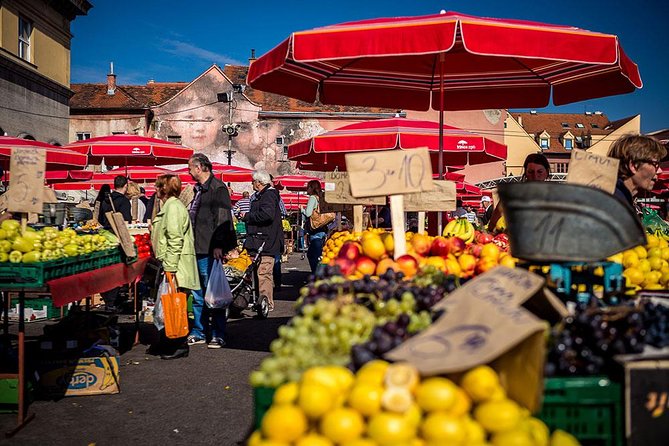
One of Zagreb’s best tricks is that big moments and normal moments happen close together. The tour encourages you to spend time at the Dolac open air market, then move through central areas like the main meeting point area tied to Ban Josip Jelačić.
Markets are a gift for photography because you’re not fighting for subject matter. People carry bags. Vendors arrange goods. Colors appear in stacks. And the light shifts constantly as you walk along aisles and toward open spaces.
A practical way to use this stop:
- Start with wide shots that show the market context.
- Then shift to tighter frames for hands, labels, faces, and textures.
- Keep an eye on composition: too wide can be messy, too tight can lose the story.
You’ll also appreciate that the tour can be adapted. If you want more “street life” energy, you can lean into the market and mingling areas. If you’d rather focus on buildings, you can steer your route toward squares and façades.
Upper Town Gradec: the view shots and the details
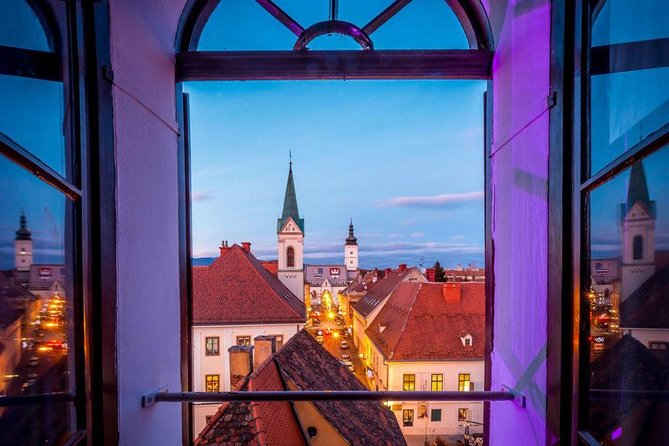
You’ll likely spend time climbing into the Upper Town (Gradec). Even if you think you know what this means, the photographic reality is different once you’re on the hill. Buildings group differently. Sight lines open up. And your shots start looking more layered.
This part of town is where you can capture both:
- panoramic views over Zagreb’s central areas, and
- close-ups where architecture does the storytelling.
The tour approach here matters. Instead of just letting you roam, your photographer-guide can point out angles that fit the subject—what to include and what to leave out. That’s where you start producing photos that look intentional.
Also, Zagreb’s identity here comes from its history. The city traces back to the Middle Ages, with settlements on those two hills: secular Gradec and clerical Kaptol. Knowing that context helps you photograph with meaning. You’re not just shooting “pretty old buildings,” you’re photographing the bones of how the city grew.
Lotrščak Tower and the Grič cannon: dramatic angles without extra effort
If you want a landmark that naturally creates strong framing, the Grič cannon in the Lotrščak tower is a good one to target. Towers are built for viewpoints, which means your camera benefits even when you don’t feel like experimenting.
This is also a location where perspective does a lot of the work. You can shoot from below for height, from an angle to emphasize lines, or from nearby to include foreground elements that give the shot depth.
Just remember: towers also bring you into spaces where people may be moving. Don’t fight it. Use the flow. If your guide helps you pick a position, you can wait for a clean moment and still keep moving through the area.
Churches, museums, hidden backyards, and cafes: how the route stays flexible
One of the smartest things about this tour is how it can be modified to your time frame and preferences. You can choose to focus on sightseeing photo locations or pick a theme such as churches, museums, hidden backyards, and hearty cafes and bars.
That flexibility is not just convenience. It helps your photos match your travel style:
- If you love architecture, you can focus more on Austro-Hungarian streets and church exteriors.
- If you want atmosphere, you can pick cafes/bars and meeting points.
- If you want variety, you can mix museums, gardens, and market scenes.
The tour even references popular meeting places like the Bulldog pub. For photography, a pub stop can be useful as a warm-weather break and a chance to shoot candid, human-scale moments—especially when you’re balancing the heavier architecture shots.
And yes, hidden backyards and tuck-away spaces matter in a city like Zagreb. They give you frames with less visual clutter. You get textures, small doors, quiet corners, and a sense of life that wide squares don’t always provide.
The city’s story you’ll be able to use in your photos
Zagreb’s history isn’t taught like a lecture. It’s shared in pieces, tied to what you can see. The city’s position is a big theme—an in-between place with a continental spirit and a Mediterranean influence.
You’ll also hear how Zagreb got its name: legend has it that a governor, exhausted and thirsty from battle, asked for water from a spring. The story connects to Manduševac, the spring that carries that name. That kind of detail matters because it turns “another fountain” into a scene with a meaning you can carry into your photo captions and your own memory of the trip.
The tour also calls out how Zagreb survived the cold northern winds thanks to Medvednica and how the city opens to the world thanks to the Sava river and the plains. Again, you won’t photograph the entire geography in one picture, but it changes the way you interpret the city. When you look at open squares and river-adjacent sight lines, you understand why the city feels the way it does.
What the guide actually teaches: framing, angles, and phone settings
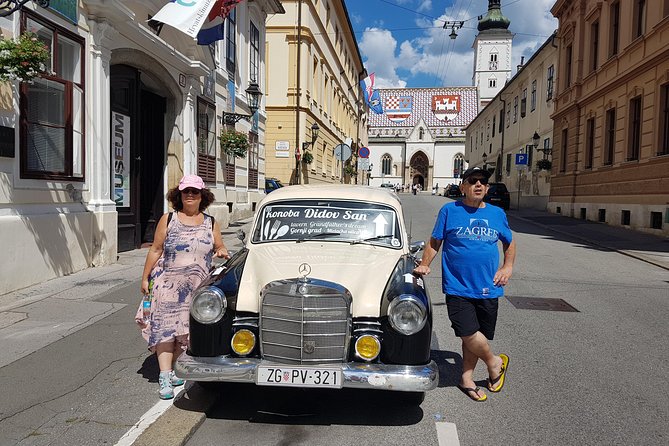
The standout value in the reviews is the coaching style. Igor, in particular, is described as helpful in showing better framing and teaching phone camera settings that improved photos.
Here’s what that means for you, practically:
- You don’t just get told to point the camera at the landmark.
- You learn how to compose the shot so it looks clean and intentional.
- You get quick, usable tips for your phone or camera, so you can shoot confidently instead of guessing.
A photo tour can either be “walk and shoot” or “learn how to shoot.” This one leans toward learning. And because it’s small-group, it’s easier for the guide to notice what you’re doing—like if your horizon is drifting, if your subject is too centered, or if your phone settings need a tweak for the light.
If you’re a beginner, that’s huge. You avoid the frustration of experimenting alone. If you’re more experienced, you still benefit because you’re getting feedback on angles and framing decisions you might not think about in the moment.
How long it takes and how to pace your own expectations
Most tours run about 2 to 4 hours, depending on timing and how you want to tailor the route. That range is important. In a short window, you’ll benefit from going with the guide’s priorities. In a longer window, you’ll have more chances to revisit locations for alternate framing and lighting.
This kind of pace also means you should come ready to move. Even if the stops are close, old-town streets can be uneven and you’ll spend time climbing toward the Upper Town. Comfortable shoes are the quiet hero here.
Also, your best results will come from being present rather than “collecting stamps.” Take the shot the guide helps you frame. Then try one variation right after—wider, tighter, or from a new angle.
Price and value for a group of up to 5
The price is $202.54 per group (up to 5), for about 2 to 4 hours. That pricing model is what makes it feel fair if you’re traveling with even one friend. Two people essentially split the cost of a professional photography guide, and you still get a small-group experience.
What makes the value work isn’t just the guide. It’s what you’re getting: targeted locations, photo-specific teaching, and a route that can match your interests. If you were hiring a guide for a normal walking tour, you’d still be guessing how to translate what you see into stronger images. Here, the translation is part of the service.
The tour also includes a mobile ticket and is offered in English, which removes friction so you can focus on shooting rather than figuring out logistics on the fly.
Practical tips to get the most out of your camera time
Bring your own camera/smartphone. Since phone settings are part of the coaching, you’ll want your device charged and ready.
Also, think about your goal before you arrive:
- If you want “album photos,” ask for framing that keeps buildings straight and subjects clear.
- If you want “story photos,” ask for ways to include people and daily activity without making your image messy.
- If you’re after variety, you’ll want at least one stop that leans architectural, one that leans street/market, and one that leans detail.
Finally, give yourself permission to take more than one version. A good guide will help you pick a direction quickly, which saves time. But you’ll still get better results if you shoot, adjust, and shoot again.
Should you book the Zagreb Photo Tour?
You should book it if you want more than postcard photos and you like the idea of getting direct feedback on framing and settings. The small-group size and professional photographer-guide approach make it a strong choice if you’re traveling with a friend, learning photography, or just tired of random snapshots.
Skip it (or at least adjust expectations) if you want a strictly structured, “every minute predetermined” sightseeing itinerary. The tour is designed to be modified based on your time and preferences, so the exact mix of stops can shift. And because it requires good weather, you’ll need some flexibility.
If Zagreb is on your list and you care about coming home with photos that actually look like your style, this is a solid way to spend a few focused hours.
FAQ
Where does the tour start?
The tour starts in Zagreb, Zagreb, Central Croatia.
How long is the Zagreb Photo Tour?
It’s about 2 to 4 hours.
How much does it cost?
The price is $202.54 per group, up to 5 people.
Is it a private tour?
Yes. Only your group participates.
What language is the tour offered in?
The tour is offered in English.
What’s included in the price?
A professional photographer-guide is included.
What should I bring?
Bring your own camera or smartphone.
Is food or transportation included?
No. Food and drinks, hotel pickup and drop-off, and transportation to/from attractions are not included.
What’s the cancellation and weather rule?
You can cancel for a full refund up to 24 hours in advance. The experience requires good weather, and if it’s canceled due to poor weather, you’ll be offered a different date or a full refund.