Seoul streets become a photo studio. This Jongno walking experience pairs a historian guide with a professional photographer, so you’re not just looking at Seoul—you’re learning what you’re seeing while practicing smart street-photo moves.
What I like most is the way the history feels practical, not dusty, with clear context as you pass major sights like Jongmyo Shrine. I also love that you finish with real deliverables: fully edited photos plus a OneDrive download link, so you’re not left with blurry “maybe” shots. One consideration: the tour is all on foot, and no umbrella is included if rain shows up.
In This Review
- Key Things You’ll Notice on This Seoul Photo Walk
- Street Photography and Seoul History, Rolled Into One Walk
- Starting at Jongno 3-ga Station (Exit 5) and Why It Matters
- The Golden-Hour Route: Jongmyo Shrine to Cheonggyecheon Views
- Ikseon-dong’s Hanok Cafe Street and the Charm of Hanok Village
- How the Pro Photographer Changes Your Photos Without Making It Awkward
- UNESCO Heritages and Storytelling That Actually Sticks
- Price and Value: What $47 Gets You (and Why It Can Be a Good Deal)
- What to Bring (So You Don’t Spend the Walk Thinking About Gear)
- Who This Tour Suits Best (And Who Might Want to Skip)
- Should You Book the Street Photoshoot and Seoul Hidden Corners Tour?
- FAQ
- Where do I meet for the tour?
- How long is the walking tour?
- What does the tour include for photos?
- What places does the tour focus on?
- Are meals included?
- Is an umbrella provided if it rains?
- What should I bring?
- What languages are offered?
- Is the tour suitable for wheelchair users or limited mobility?
- Can I pay later, and what about cancellation?
Key Things You’ll Notice on This Seoul Photo Walk
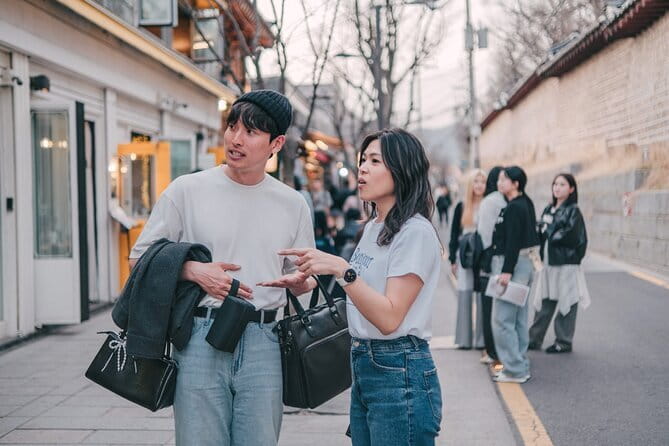
- A historian guide + pro photographer team up, so you get both meaning and composition
- Golden-hour timing helps your photos look cinematic without advanced camera gear
- Jongmyo Shrine, Cheonggyecheon, and Ikseon-dong form a strong story arc across the walk
- Ikseon-dong’s hanok cafe street vibe gives you texture, light, and cute angles
- All edited photos come with post-processing and color edits, delivered via a Microsoft OneDrive link
Street Photography and Seoul History, Rolled Into One Walk
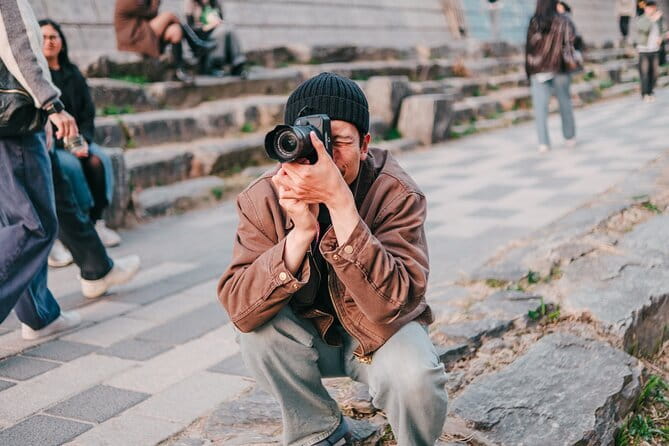
Seoul can feel fast. Between subway signs, street food smells, and constant visual noise, it’s easy to miss why places matter. This tour solves that problem by combining two things most people want at the same time: great photos and real context.
The format is simple. You meet in Jongno, then you walk to culturally important spots while your guide explains what you’re looking at. At the same time, the photographer steers your eye—where to stand, how to frame, when to wait for a moment of light or movement. The result is a tour that feels like sightseeing, but with an extra layer: you’re actively making images instead of just taking quick snapshots.
It’s also designed for everyday people, not just camera nerds. You bring a camera if you want, but the bigger point is learning how to spot photo opportunities in places like Jongmyo courtyards and along Cheonggyecheon waterways.
You can also read our reviews of more tours and experiences in Seoul.
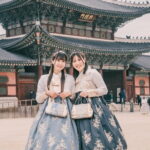
Starting at Jongno 3-ga Station (Exit 5) and Why It Matters
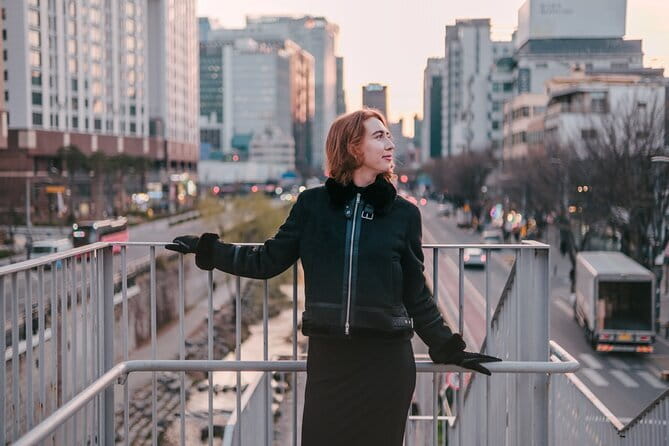
Meeting at Jongno 3-ga Station, Exit 5 is a smart choice if you want the day to move smoothly. Jongno is central, well-connected, and easy to reach without complex transfers. And starting here matters because it places you near the heart of Seoul’s cultural corridor, where you can walk between major sights and quieter neighborhood streets.
From your end, here’s what to do:
- Show up with comfortable walking shoes already on.
- Bring water. Even a 2–3 hour walk can feel longer in Seoul heat.
- If you’re planning to shoot, pack sunscreen and a hat. You’ll appreciate them fast.
Also, this isn’t a short hop-on hop-off ride. It’s meant to be walked. That’s part of the charm—and part of the consideration if you’re not used to steady walking.
The Golden-Hour Route: Jongmyo Shrine to Cheonggyecheon Views
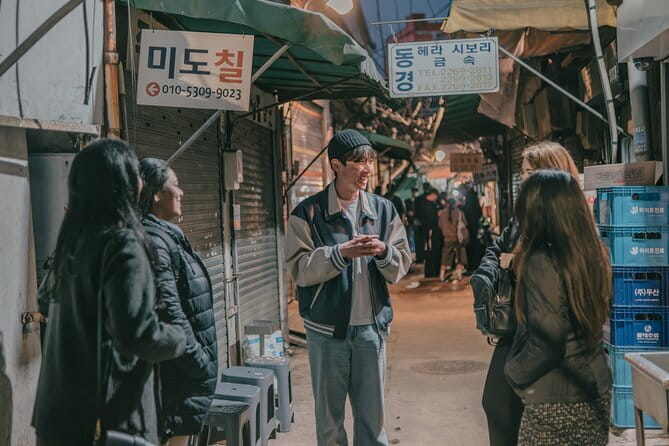
One of the tour’s strongest ideas is the pacing around golden hour. Golden hour isn’t just an aesthetic buzzword. When the light softens, shadows become gentler, skin tones look better, and architectural lines look more flattering. You’re not just chasing pretty sunset color—you’re using the timing to improve how photos look.
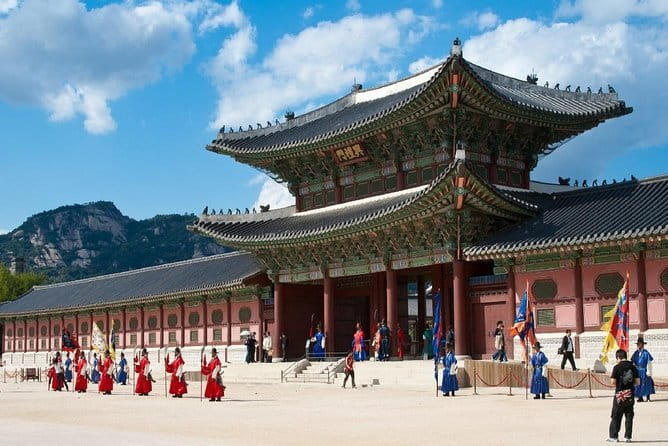
The tour includes major stops tied to traditional and historical Seoul. One anchor is Jongmyo Shrine, where the guide shares background while you move through the area. Even if you’ve seen photos before, having a human explain what you’re looking at changes how you photograph: you stop shooting random angles and start looking for meaningful details.
After that, the walk shifts toward the Cheonggyecheon area for sunset views. Cheonggyecheon is especially good for street photography because it’s both structured and alive—linear water, bridges, and the surrounding urban rhythm. The photo coaching here tends to focus on balance and timing:
- Wait for clean moments with fewer distractions.
- Frame with lines that lead the eye.
- Use the light direction to make subjects stand out.
You’ll feel the difference between a quick snapshot and a planned shot. The photographer’s job is to help you make that jump without turning your travel day into a school project.
Ikseon-dong’s Hanok Cafe Street and the Charm of Hanok Village
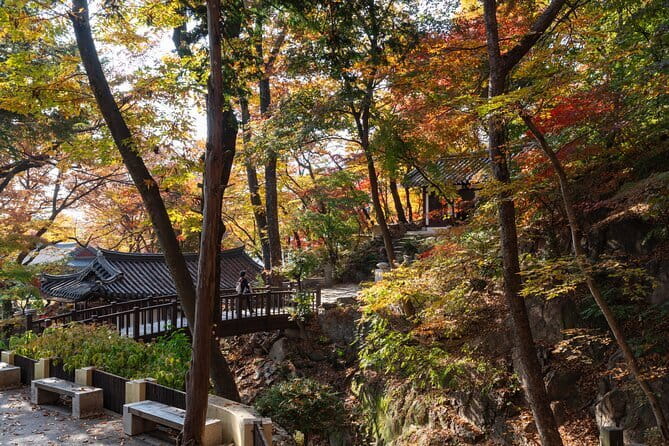
After the main heritage stops, you move into Ikseon-dong, known for its hanok-style streets and the “cafe culture” that makes the neighborhood fun even when you’re just wandering.
The tour specifically highlights the trendy hanok cafe street in Ikseon-dong. This is where your photos get more playful. You go from large-scale heritage settings to smaller textures: doorways, narrow alleys, tiled roof lines, and cozy storefront lighting. That mix is key for people who want variety in their final photo set, not just a series of monuments.
The included time also includes a stroll through Hanok Village. Even though you’re walking through a curated cultural zone, it doesn’t feel like a checklist. The guide’s historical storytelling helps you connect the atmosphere to real Korean cultural forms, so your photos feel intentional instead of accidental.
Practical note: Ikseon-dong’s streets can get busy around peak cafe hours. If you’re taking photos, the photographer will help you find spots where you can reduce visual clutter. Your best photos often happen when you pause and let the flow of people change.
How the Pro Photographer Changes Your Photos Without Making It Awkward
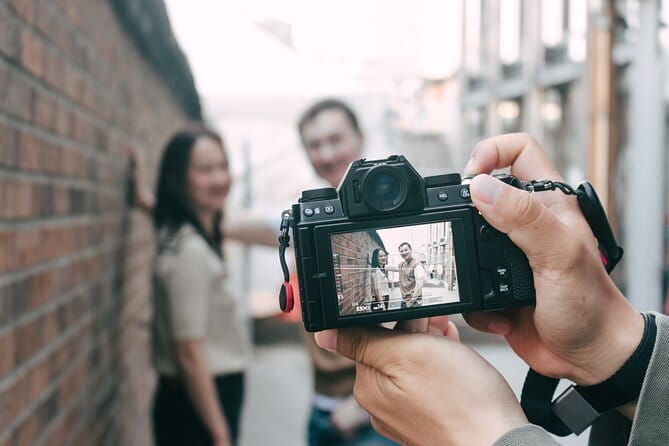
This tour is built around the idea that the photographer isn’t just handing you a camera and hoping for the best. You get direction that helps you look natural in photos, and the goal is to produce images you’ll actually want to keep.
From the experience feedback, the photo part is a big reason people rate this tour so highly. One detail that keeps coming up: the guides are patient, and they help you feel comfortable in front of the camera. That matters. Street photos often fail because people freeze, overthink, or constantly try to look perfect. A good photographer does something else: they get you moving, they coach small adjustments, and they wait for real moments.
Here’s what you can do to help the photographer help you:
- Bring a camera, but don’t stress if you only have a phone. The framing coaching can still level up your shots.
- Wear comfortable clothes you can move in. You’ll be walking and stopping often.
- If you want hats for photos, bring one. But also be practical—sun protection is useful, even if your hat is for the camera.
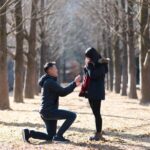
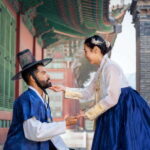
And you’ll love the final payoff: all edited photos with post-processing and color edits. That turns your experience into a memory you can share immediately once the images arrive. You’ll download through a Microsoft OneDrive link available for one month.

UNESCO Heritages and Storytelling That Actually Sticks
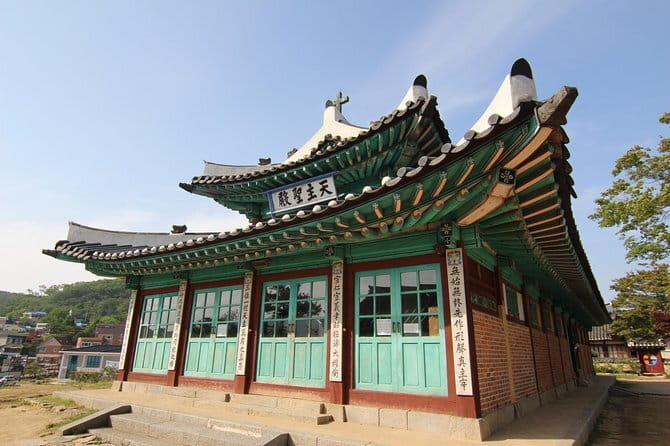
This tour includes exploration of Seoul UNESCO heritages in the Jongno area, paired with historical storytelling. The difference between a history talk and this kind of storytelling is that it’s timed to what you’re seeing, not delivered as a lecture.
In plain terms: when you learn why a place looks the way it does, your photo framing improves. You start shooting for context—patterns, materials, entrances, and layout. You’re not just capturing scenery. You’re capturing meaning.
It’s also where the guide’s personality shows up. Reviews highlight humor, friendly energy, and the ability to make history feel alive. That makes long walking days easier, and it keeps the whole group engaged instead of drifting into silent scrolling.
Price and Value: What $47 Gets You (and Why It Can Be a Good Deal)
At $47 per person, this isn’t a splurge tour, but it’s not a basic walking group either. The value comes from three things you’re not usually getting together:
- A historian-style explanation tied directly to heritage locations
- Professional photo guidance during the walk
- Edited photo delivery after the tour, including color and post-processing
A lot of walking tours give you photos only if you take them yourself. A lot of photography sessions charge extra and still don’t offer strong historical context. This one blends both, and the edited-photo bundle is what pushes it into “worth it” territory if you care about having usable pictures at the end.
If you’re traveling solo, this format is also a sneaky advantage. It reduces the awkwardness of finding strangers to take photos, because the photographer handles the job. If you’re traveling as a couple or with friends, it’s even better for natural-looking group shots that don’t feel staged.
What to Bring (So You Don’t Spend the Walk Thinking About Gear)
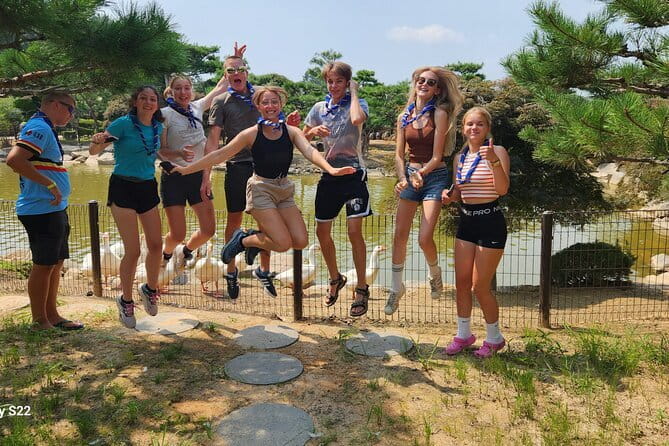
You’ll walk a moderate distance, and you’ll be outdoors for a good chunk of the experience. Pack like you’re walking around Seoul for a half day.
Bring:
- Comfortable shoes (non-negotiable)
- Hat and sunscreen
- Camera if you prefer; otherwise your phone is fine
- Water (a bottle)
- Comfortable clothes you can move in
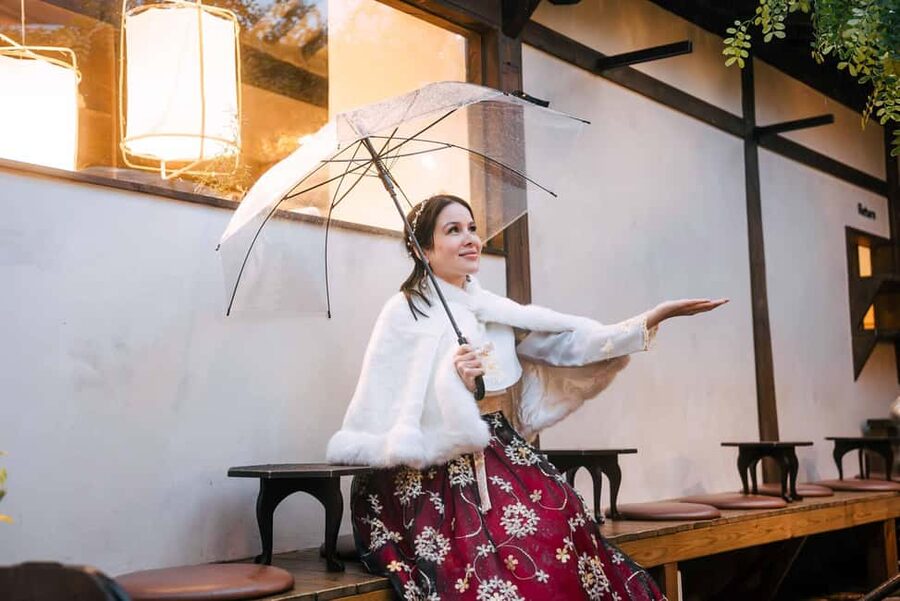
If rain is on the forecast, plan ahead too. An umbrella isn’t included, so bring your own if weather looks iffy. This is one of those tours where “we’ll just be flexible” can get annoying if you’re uncomfortable.
Who This Tour Suits Best (And Who Might Want to Skip)
This is a great fit if you want:
- Street photography coaching without needing to know photography jargon
- A guided walk through key Jongno culture points and surrounding neighborhoods
- Edited photos you can download after the tour
- A friendly rhythm with time to explore and stop for photos
It’s not suitable for people with mobility impairments and not for wheelchair users, based on the stated limitations.
If you’re someone who loves learning historical context and you also care about having solid photos to show for the day, this lands right in your sweet spot.
If you hate walking or you want a slow museum-style pace, you may find the moderate walking tiring. In that case, you’d probably be happier with a shorter, more transit-based plan.
Should You Book the Street Photoshoot and Seoul Hidden Corners Tour?
Yes, you should book it if you’re the type of traveler who values both meaning and photos. The best reason is simple: you leave with edited images plus a clear story of what you saw in Jongno, Ikseon-dong, and around major heritage sites like Jongmyo. You also get professional direction during the shoot, which makes it easier to look relaxed in photos instead of just standing there.
I’d skip it only if you strongly dislike walking, if rain worries you and you don’t plan to bring an umbrella, or if you’re not interested in the photography deliverable. Otherwise, this feels like smart value for a half-day activity where the photo results are part of the package, not a gamble.
FAQ
Where do I meet for the tour?
You meet at Jongno 3-ga Station, Exit 5.
How long is the walking tour?
The tour runs about 2–3 hours.
What does the tour include for photos?
You get all edited photos with post-processing and color edits, delivered through a downloadable Microsoft OneDrive link that’s available for one month.
What places does the tour focus on?
You’ll walk through the Jongno district, with highlights including Jongmyo Shrine, Cheonggyecheon sunset views, Ikseon-dong (including the hanok cafe street), and a stroll through Hanok Village.
Are meals included?
No, meals are not included.
Is an umbrella provided if it rains?
No. Umbrella is not included, so you should plan accordingly.
What should I bring?
Bring comfortable walking shoes, a hat, camera (if you use one), sunscreen, water, and comfortable clothes.
What languages are offered?
The tour languages are English and Korean.
Is the tour suitable for wheelchair users or limited mobility?
No. It is not suitable for people with mobility impairments and not suitable for wheelchair users.
Can I pay later, and what about cancellation?
You can reserve & pay later. You can cancel up to 24 hours in advance for a full refund.