REVIEW · SAN PEDRO DE ATACAMA
San Pedro de Atacama: Wildlife Safari and Photography Tour
Book on GetYourGuide →Operated by On Safari Atacama · Bookable on GetYourGuide
Stop guessing where the animals are. This wildlife safari and photography tour from San Pedro de Atacama is built for close encounters, with big views of volcano country and wetland life that you usually miss when you go on your own. I love how the guide, Juan Pablo, gets you into the right spots for real sightings, and I love the spotting scopes with phone adaptors that turn distant movement into clear photos.
One thing to plan for: you’ll be at altitude and outdoors, so bring warm layers and comfortable shoes for the rocky sections and the short hike.
In This Review
- Key things that make this tour worth your time
- From your hotel to Quirquincho Pass: how the tour starts
- Quirquincho Pass: where guanacos and vizcachas show up close
- Machuca Village wetlands: flamingos and bird photography in action
- Crossing Machuca Village: a quieter kind of local contact
- Putana Vade lookout: the 360° wetland and volcano payoff
- Photography help that actually applies to your phone
- The real value of $145 for four hours
- Who should book this and who should skip it
- What the tour feels like on the ground
- Should you book this San Pedro wildlife safari and photography tour?
- FAQ
- How long is the wildlife safari and photography tour?
- Do I get hotel pickup and drop-off?
- What animals and birds can I look for?
- Is spotting equipment included for photos?
- What’s the photography level needed?
- What languages is the live guide available in?
- What should I bring?
- Is it suitable for kids?
- Is there free cancellation?
Key things that make this tour worth your time
- Small group of just 4 people means less traffic and more quiet observation time
- Quirquincho Pass brings you face-to-face with animals like guanacos and vizcachas
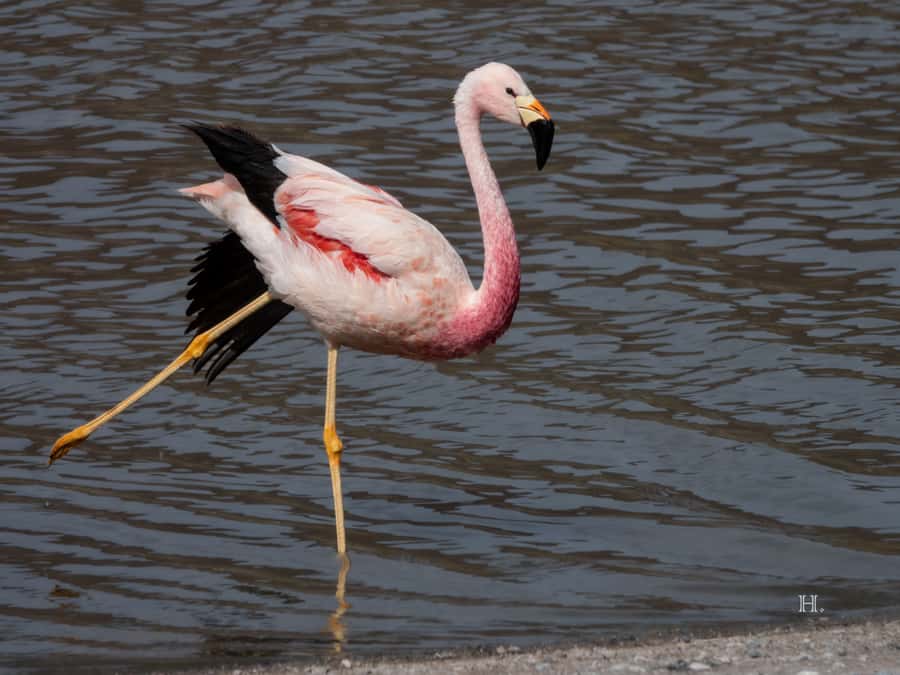
- Machuca wetlands hike is where the bird action heats up, including flamingos
- 360° Putana Vade lookout gives you the big-picture payoff of high-altitude wetland views
- Phone-ready spotting scopes and binoculars help you shoot sharp, not just guess
From your hotel to Quirquincho Pass: how the tour starts
This is a straightforward, no-fuss kind of tour. You get hotel pickup in San Pedro de Atacama and then settle in for about a 45-minute drive up toward the mountains. The setting changes fast: from town rhythms into open, high, rocky spaces where wildlife has room to roam and the sky feels huge.
The best part is how the tour is paced. It is not a sprint with constant get-out-and-go stops. You arrive at each area, pause long enough to actually look, and then move when the guide says it is time. That rhythm matters for photography because your eyes and camera settings need a moment to catch up to the light and distance.
This is also where the small-group setup pays off. With limited numbers, you can spread out and avoid the awkward crowding that turns wildlife watching into a traffic jam. That quiet feel shows up again and again in the reviews, especially when people talk about being away from busier routes.
Quirquincho Pass: where guanacos and vizcachas show up close
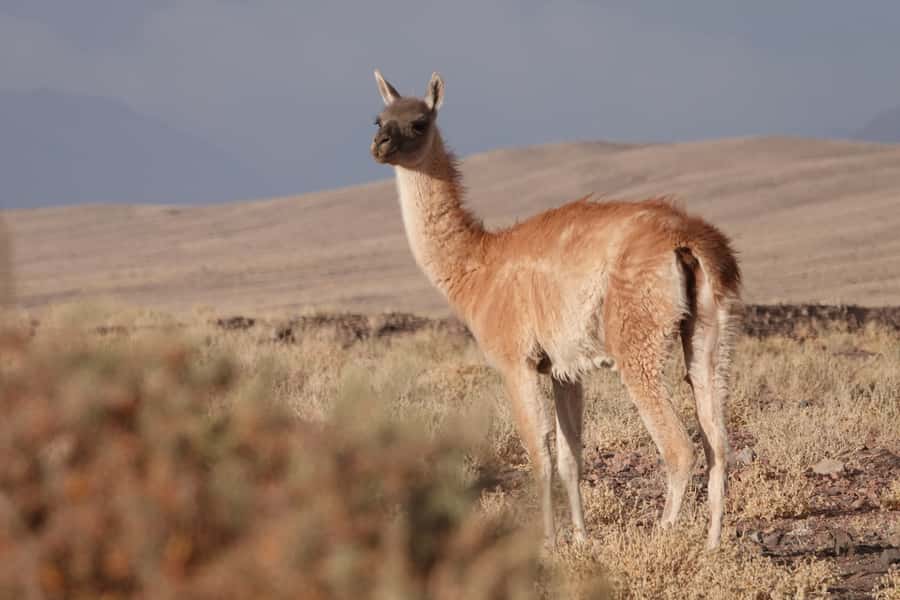
The first main stop is the rocky Quirquincho Pass. This is a classic high-Andes observation area where you go hunting in a practical way: not just looking randomly, but searching with the guide’s experience and the right optics.
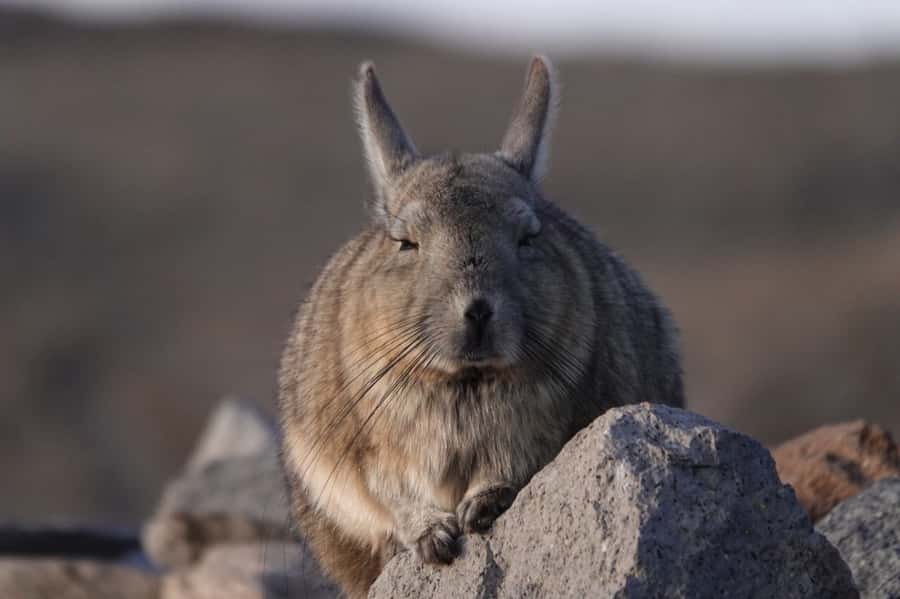
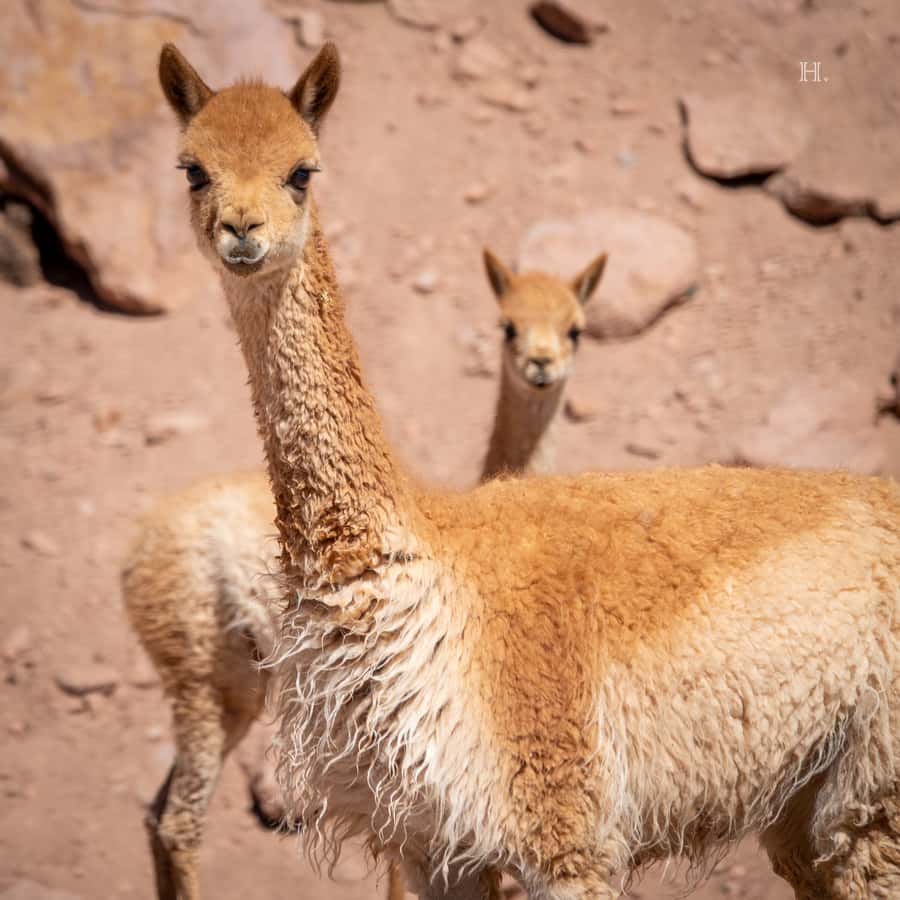
You are specifically on the lookout for guanacos and vizcachas. Both can be surprisingly close when you’re in the right habitat, and the key is seeing them clearly without spooking them or wasting your time scanning from far away. That is where the gear matters. The tour includes binoculars and spotting scopes, and the scopes come with phone adaptors, so you can magnify without needing a big camera rig.
If you care about photography, this stop is a big deal because it teaches you how the tour finds subjects. One review mentions literally looking at an animal but not being able to see what it was clearly until the guide explained what to look for. That is the difference between sightseeing and getting a real photo you’re proud of.
Also, the terrain is rocky and bright. Expect strong light, high contrast, and crisp skies. If you’ve ever had photos blow out in the sun here, you’ll appreciate having time to fine-tune settings while the guide helps you aim.
Machuca Village wetlands: flamingos and bird photography in action
Next comes the wetlands around Machuca Village. This is where the tour shifts from “spot the animal” to “watch the whole scene.” You drive to the wetlands area and then do a short hike, with plenty of birdlife along the way.
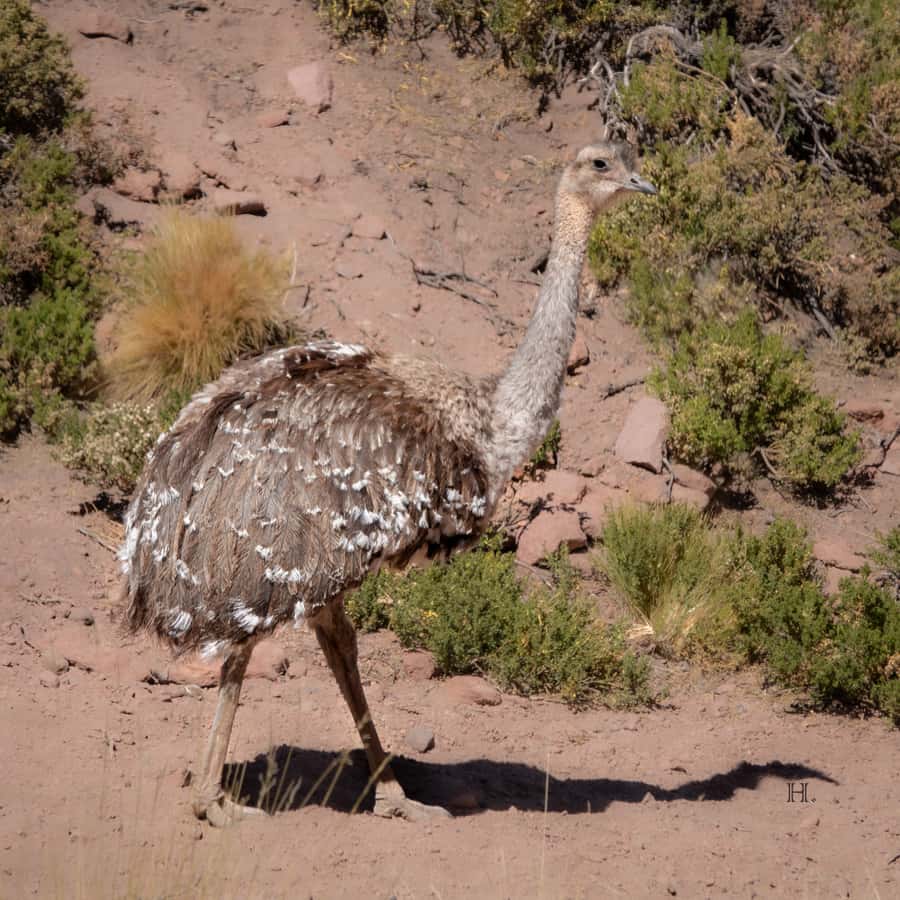
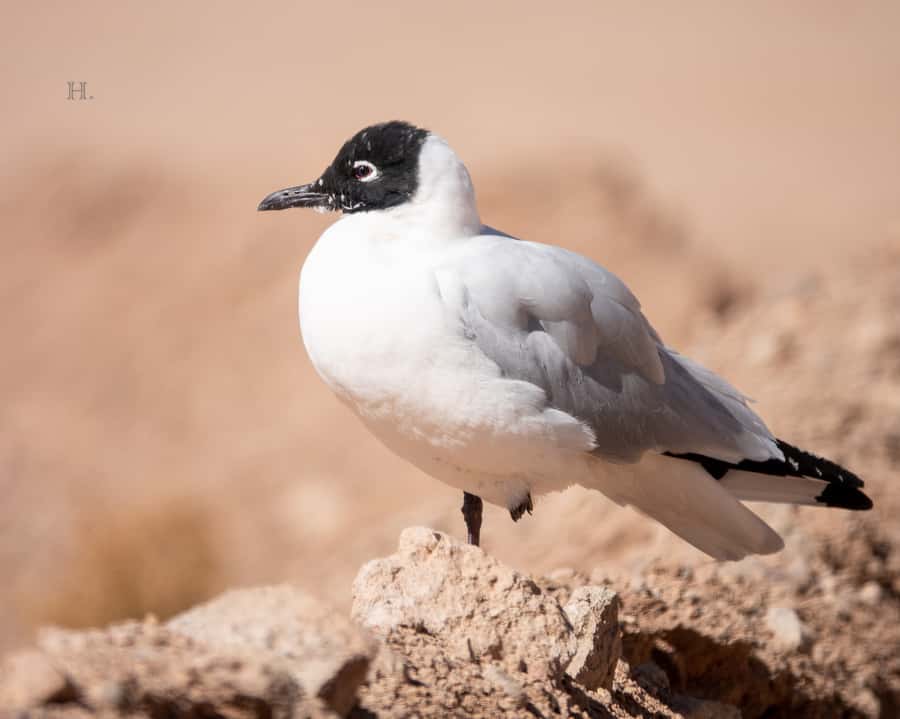
Flamingos are the headline, but the bird list does not stop there. You can also expect other species the guide points out, and the tour includes field guides so you can confirm what you’re seeing instead of guessing. If you’ve ever left a birding moment annoyed that you could not name what you photographed, this setup prevents that.
What I like about doing this on a tour is the way you’re guided through the wetlands without turning it into a frantic hike. The group moves at a pace that supports observation, and that makes your photos better. Birds are never patient, but calm positioning helps you catch the exact moment they angle toward the light.
Another thing worth noting is how the tour builds in time for stillness. One of the most repeated themes is that you get time to watch and relax in the spot rather than being forced into quick stops. For photography, that matters. You’re not just shooting; you’re learning where the birds appear and how they move through the water and shallow edges.
And yes, golden light is a real thing here. People specifically mention the warm evening light that helps their flamingo and bird photos look natural, not flat.
Crossing Machuca Village: a quieter kind of local contact
Between the wetlands and the next viewpoint, you cross the beautiful Machuca Village. This part is short, but it matters because it keeps the experience from feeling like a closed wildlife bubble.
Even if your main goal is photography, the village stop adds context. It also gives you a brief reset from the intense animal-watching. You get that sense that this isn’t just a safari vehicle circuit; it’s tied to the way people live in this high-altitude region.
For a photo trip, this also offers visual variety. You might photograph birds in the wetlands, then switch gears to wider scenes with human-scale details in the village. That mix can keep your set from looking repetitive.
Putana Vade lookout: the 360° wetland and volcano payoff
After Machuca, the tour drives up to the Putana Vade viewpoint. This is the moment where the day widens out.
You relax with a 360° view of the largest wetland of the region, surrounded by high volcanoes. It’s not just pretty (it is), it’s useful. Seeing the broader geography helps you understand why wildlife gathers where it does. Wetlands pull life in at high altitude for a reason, and this overlook makes that pattern obvious.
This viewpoint also works for photographers who need a break from tight shots. After time zooming in, you get a chance to shoot wide: atmospheric skies, volcano silhouettes, and the wetland spread across the basin. Even if you’re mostly phone-based, wide shots are easier and often look more dramatic because you’re capturing scale.
If you like conversations while you wait for a moment, this is a good spot for that. Reviews mention Juan Pablo sharing information not just about animals, but also about Chile in general. That kind of guide energy makes the viewpoint feel less like a stop you suffer through and more like time you’ll remember.
Photography help that actually applies to your phone
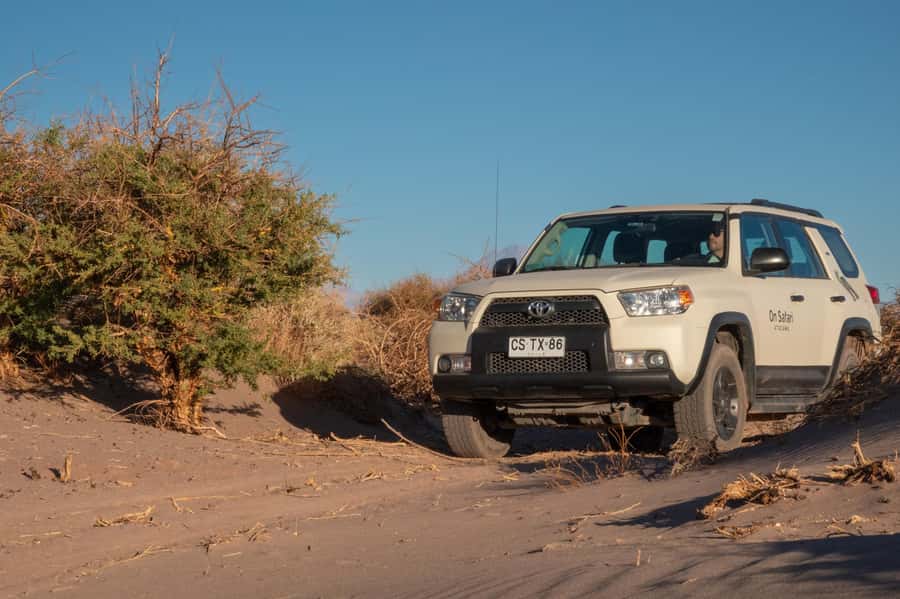
This tour is aimed at photographers of all levels, including people who only shoot with a phone. The key is that the included gear is designed for the way you’ll actually take pictures.
You get spotting scopes with phone adaptors. That means you can place your phone at the eyepiece and magnify details that would otherwise be too small to frame. You also get binoculars plus field guides, which help you identify birds and animals so you can shoot with intention.
Here is the practical value: the guide helps you find animals first, then helps you see clearly once you’ve found them. One review describes the exact problem many people have: you can spot the movement, but you do not know what you’re truly seeing until someone points it out. Once you understand the shape, posture, and behavior, your photos improve fast because you’re no longer guessing.
If you’re nervous about getting great shots, don’t be. The tour gives you tools and time. You can focus on composition, and when you need help with aiming or settings, the guide can guide you on what to look for and how to frame.
Also, this is a small group tour, so you’re less likely to feel rushed by other photographers. That reduces the “I only got one shaky shot” problem.
The real value of $145 for four hours
At $145 per person for a 4-hour experience, you’re paying for more than a vehicle and a guide. You’re paying for targeted searching, expert interpretation, and included optics that a lot of people would otherwise have to rent or buy.
Here’s what you get built into that price:
- hotel pickup and drop-off
- a bilingual fauna expert guide (Juan Pablo in many recent experiences)
- spotting scopes with phone adaptors
- binoculars and field guides
That combination is what makes the time feel efficient. You’re not spending your day driving between random viewpoints hoping for luck. You’re moving between specific habitat types: rocky pass terrain, bird-heavy wetlands, and a high lookout over the basin. When wildlife tours are done well, they feel like someone opened the map and drew the best route for your goals.
The small-group limit of 4 is also part of the value. With fewer people, you get more observation time per stop. If your goal is photography, that usually translates into better results, not just better memories.
Who should book this and who should skip it
This tour fits best if you want wildlife and photography to go together. If you enjoy birds, if you like trying to name animals you spot, or if you simply want help seeing what’s in front of you, you’ll likely have a great time.
It also suits people who are open to cool weather and outdoor time. Bring warm clothing and plan to walk a short distance during the wetlands stop. The area is not built for flip-flops and fragile ankles.
The tour is not suitable for children under 12, so families should take note.
If you’re the kind of traveler who prefers mega-hikes and all-day adventures, the 4-hour format might feel short. But if you want a focused wildlife and photo session without eating your whole afternoon, this is a very workable length.
What the tour feels like on the ground
This is not a theme-park version of wildlife. It feels calm. Several reviews highlight the quiet, with very few other vehicles around at times. That matters because wildlife reacts to pressure. Less crowd energy means more natural behavior and fewer frantic shutter clicks.
The guide’s approach also changes the tone. Juan Pablo is described as professional and very willing to tailor the experience to what you care about. One review says the guide asked what the person was interested in and then took extra effort to match those wants, even when it would have been easier to just stick to the standard route.
That is the kind of difference you notice right away. You stop feeling like you’re watching through glass and start feeling like you’re learning the ecosystem in real time.
Should you book this San Pedro wildlife safari and photography tour?
I think you should book it if your goal is simple: you want better wildlife sightings and better photos than you can manage by wandering on your own. The included scopes and phone adaptors are a strong reason to choose this over a generic sightseeing loop, and the small group size keeps the day from feeling rushed or crowded.
Skip it if you want an easy, warm, fully seated experience. You’ll be outside, at altitude, and you’ll do a short hike. Also, if birds and mammals don’t interest you at all, you might prefer a more scenery-focused day.
If you’re on the fence, consider this your best bet for combining wildlife, photography practice, and a guide who helps you actually see what matters.
FAQ
How long is the wildlife safari and photography tour?
It lasts 4 hours.
Do I get hotel pickup and drop-off?
Yes. Pickup and drop-off are included.
What animals and birds can I look for?
You’ll be searching for guanacos and vizcachas at Quirquincho Pass, and you’ll have bird-heavy wetlands near Machuca Village where flamingos are included. Vicuñas and additional birds are also mentioned in the experience.
Is spotting equipment included for photos?
Yes. The tour includes spotting scopes with phone adaptors, plus binoculars and field guides of fauna and birds.
What’s the photography level needed?
It’s suitable for all levels of photographers.
What languages is the live guide available in?
The live guide operates in English, Spanish, and Portuguese.
What should I bring?
Bring comfortable shoes, warm clothing, a hat, and sunscreen.
Is it suitable for kids?
No, it is not suitable for children under 12.
Is there free cancellation?
Yes. You can cancel up to 24 hours in advance for a full refund.