REVIEW · ROME
Rome by Day, Beauty and History Unique Photo Tour and Workshop
Book on Viator →Operated by RomePhotoFuntours Giulio D'Ercole · Bookable on Viator
Rome can be overwhelming. This small-group photo walk turns it into a guided shot list, with a friendly workshop for iPhone and Android shooters. I like two big things right away: you do not need a DSLR, and Giulio’s teaching is patient and tailored to your level. The only real catch is the pace: most stops are short, so if you want long museum time, you’ll need other plans.
You’ll move from classic landmarks to quieter corners, learning how to photograph monuments, churches, and street life with better composition and exposure. A non-photographing partner or spouse can join, so you’re not forced into a split-up day. If you’re heading to churches or selected museums, plan your outfit carefully, because knees and shoulders must be covered to avoid entry issues.
This is priced at $215.69 per person for about 4 hours with a professional photographer guide and a maximum of 4 travelers. That small group size matters in Rome, where “just walking” can turn into lost time and mediocre photos. If you show up with no camera, you can rent Nikon gear plus a tripod for 50 euros per kit, paid in cash.
In This Review
- Key Things to Know Before You Go
- A 4-Hour Photo Walk That Starts at Ponte Sant’Angelo and Ends Near the Colosseum
- How the Smartphone-Friendly Workshop Improves Your Photos in Real Time
- St. Peter’s Square at Speed: How to Photograph Drama Without Getting Stressed
- Castel Sant’Angelo and the Bridge of Angels: Riverside Angles and Fortress Lines
- Piazza Navona: Turning Fountains and People Into a Story
- Pantheon Area Photos: Outside Shots, Big Columns, and Human Scale
- Chiesa di Sant’Ignazio di Loyola: Baroque Detail You Can Actually Capture
- Campidoglio and the View Over Rome: Michelangelo’s Square With Real Photo Payoff
- Trajan Markets, Imperial Forum Area, and Teatro di Marcello: Ancient Rome Without Museum Time Sinks
- The Antico Quartiere Ebraico and Campo de’ Fiori: Alley Photos and Market Energy
- Price, Group Size, and What You’re Actually Getting for $215.69
- Who This Tour Fits Best, and Who Might Want a Different Plan
- Should You Book Rome by Day Photo Tour and Workshop?
- FAQ
- Do I need a DSLR to join?
- How long is the tour?
- Where does the tour start and end?
- Is the tour offered in English?
- What stops will we photograph during the tour?
- Are admission tickets included?
- Can non-photographing friends or family join?
- What’s the dress code?
- What if I have no camera?
- What if weather is bad?
Key Things to Know Before You Go
- No DSLR required: iPhone and Android photographers are welcome and coached.
- Tiny group (max 4): you get real attention, not a lecture for the whole crowd.
- Hands-on workshop: you’ll practice visual storytelling, exposure, settings, and composition.
- Iconic plus atmospheric stops: Vatican sights, Pantheon area, Sant’Ignazio, and the Jewish Quarter.
- Smart planning for worship sites: dress for entry with covered knees and shoulders.
- Camera rental option: Nikon kit plus tripod is available if you need it.
A 4-Hour Photo Walk That Starts at Ponte Sant’Angelo and Ends Near the Colosseum
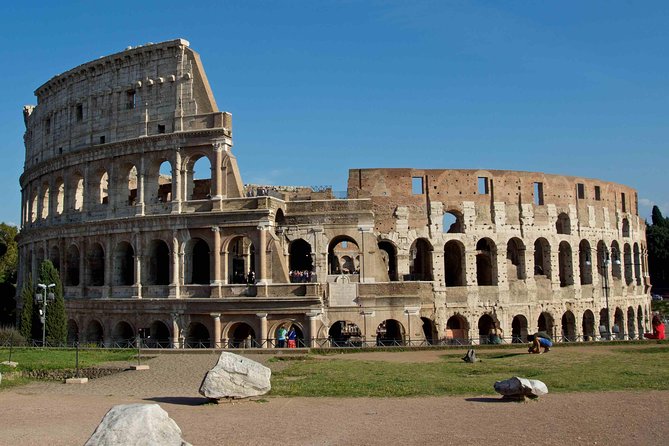
The route is built like a “best of Rome” photo arc, moving from Ponte Sant’Angelo toward the Colosseum area. The start point is easy to find, and the end lands at Piazza del Colosseo near the subway Line A, which is practical if you’re continuing your day afterward.
What you’re really paying for here is time. Rome’s famous sights are crowded, and you can waste a lot of it. This tour keeps you moving with short, focused photo stops, so you’re not stuck waiting while other people catch up.
Expect about 4 hours walking and shooting. It’s not a slow “sit and admire” style day, and that’s the whole point. If you enjoy getting direction, aiming your camera, and learning on the move, you’ll feel right at home.
You can also read our reviews of more tours and experiences in Rome.
How the Smartphone-Friendly Workshop Improves Your Photos in Real Time
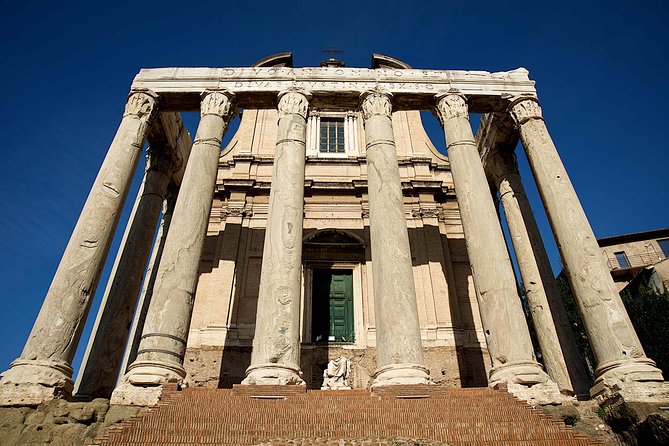
The experience is designed around one idea: you can make stronger images without complicated gear. You’re welcome with an iPhone or Android, and the guide works on the fundamentals that matter regardless of camera brand.
During Stop 1 (Rome Photo Fun Tours), you’ll get an in-depth workshop that covers:
- visual storytelling
- exposure basics
- camera settings
- composition
This is a big deal because most photo tours skip the “how.” Here, you’re not just handed locations. You learn what to look for and how to translate what you see into a photo that actually communicates.
I also like that Giulio can adjust to your skill level, from total beginner to more advanced shooter. That matters because Rome photography isn’t one-size-fits-all: you’ll be shooting bright stone facades, deep shadows under arches, and moving people in busy squares. A guide who can adapt means fewer wasted shots.
Practical tip: bring a fully charged phone, and consider extra storage. You’ll likely take a lot of photos, and you’ll want the option to experiment rather than ration space.
St. Peter’s Square at Speed: How to Photograph Drama Without Getting Stressed
You’ll spend around 20 minutes at St. Peter’s Square, working the angles that make it iconic. The focus is on the big shapes: the columned porticos, fountains, sculptures, the Swiss Guards, and the basilica facade.
This kind of subject can be tricky on a phone because the scene is huge and busy. The workshop helps, because you’re not only hunting for the postcard view. You’ll learn how to frame the square so it feels ordered, not chaotic.
One key consideration: this is also an active, religious setting. Keep your pace respectful, dress correctly, and be ready for brief waits when crowds shift. The tour length is short, so you’ll want to move when the guide signals and not linger too long on one frame.
Castel Sant’Angelo and the Bridge of Angels: Riverside Angles and Fortress Lines
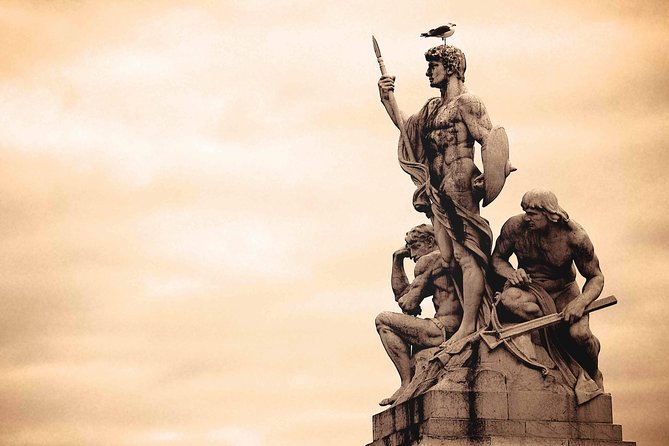
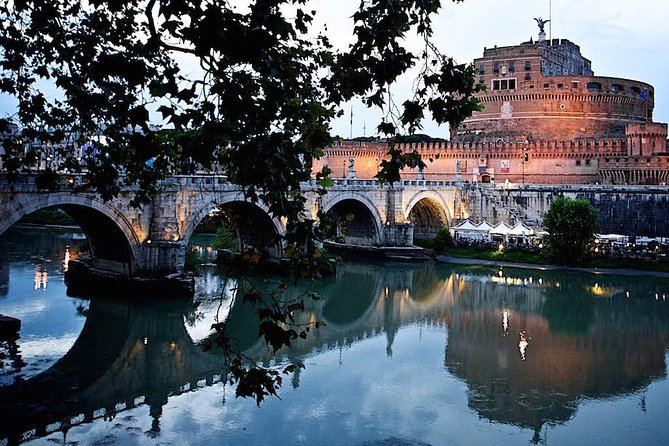
At Castel Sant’Angelo (about 15 minutes), you’ll shoot the fortress itself and the Bridge of Angels. Then you’ll also work the view from the river shores.
Fortress photography rewards patience, even in a short time window. You’ll get practice placing straight lines and strong silhouettes into your composition, especially where the bridge creates a natural lead-in to the subject.
If you’re the type who likes details, this stop also gives you texture: stonework, arches, and the way water affects reflection and brightness. On a sunny day, you can get bright highlights, so the exposure coaching will help you avoid washed-out stone.
Piazza Navona: Turning Fountains and People Into a Story
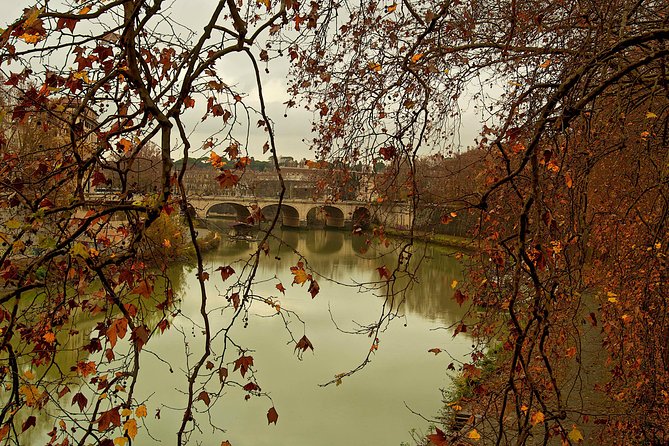
Piazza Navona is pure Rome energy. You’ll have about 20 minutes here, photographing:
- the square itself
- the fountains
- churches around the piazza
- people moving through the space
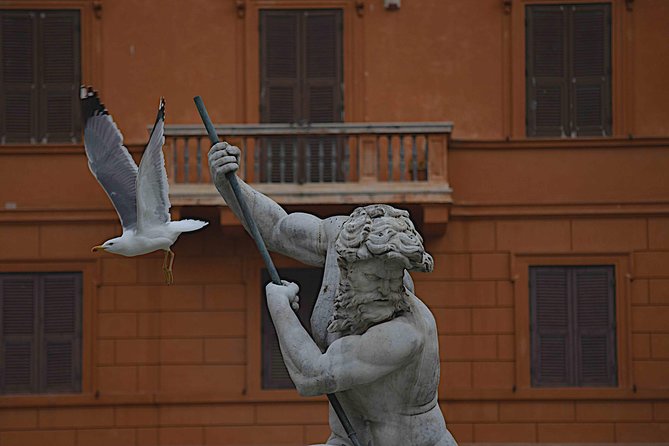
This is where composition matters, because you’re balancing architecture and street life. A fountain can become your anchor, while people and church facades add layers. With the storytelling tips from the first stop, you’ll shoot more intentionally, not just randomly.
Also, Navona can get crowded. Short stop time means you’ll likely have to work in quick bursts. My advice: take a wide establishing shot first, then switch to more specific angles like fountain edges, architectural frames, or a perspective that puts people in scale.
Pantheon Area Photos: Outside Shots, Big Columns, and Human Scale
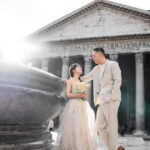
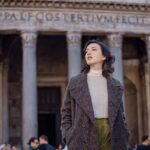
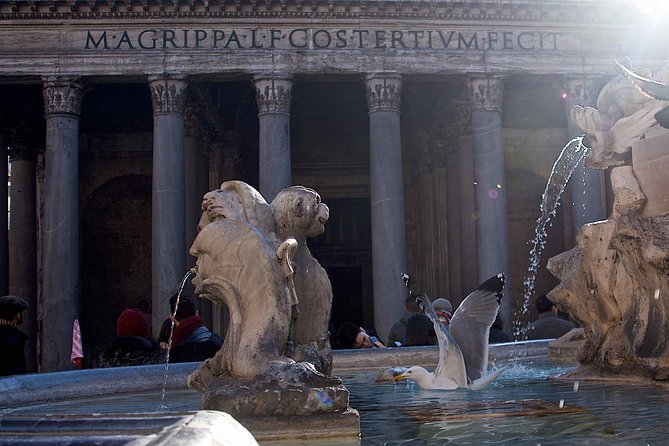
You’ll spend about 20 minutes at the Pantheon area, focusing on the square, the fountain, people, and views of the Pantheon from outside. The tour keeps it outside, which is convenient if you don’t want to juggle museum timing during a walking day.
The Pantheon is famous for a reason, but the real challenge is handling scale. When you’re too close, you can lose the dome. When you’re too far, it becomes just another building in the distance. This is exactly the kind of scene where composition and framing lessons help you land a photo that feels balanced.
Another practical note: expect people. The guide’s job here is turning crowds into something useful for your picture, so you’re not fighting background mess. If you want a cleaner frame, you may need to wait for the right moment, even during the brief stop.
Chiesa di Sant’Ignazio di Loyola: Baroque Detail You Can Actually Capture
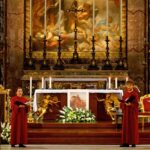
In about 15 minutes, you’ll get to the Chiesa di Sant’Ignazio di Loyola, where the emphasis is on sculptures, frescoes, and baroque art. Even in a short visit, baroque interiors can be photogenic if you understand what to highlight.
This is also one of the stops where clothing matters. For places of worship, knees and shoulders must be covered. If your plan is to go light and comfortable, pick an outfit that still meets the rules, because refused entry can ruin your momentum.
For smartphone shooters, interiors can challenge autofocus in dimmer light. The exposure and settings coaching is useful here, because your camera settings choice will affect whether your details look crisp or muddy. Move slowly, try a couple angles, and don’t be afraid to take one photo and adjust rather than shooting blindly for the whole time.
Campidoglio and the View Over Rome: Michelangelo’s Square With Real Photo Payoff
Piazza del Campidoglio gets you about 20 minutes, and it’s a feast for photographers. The big elements are Michelangelo’s square design, the statue of Marco Aurelio, building facades, and the viewpoint over Rome.
This stop is more than a nice view. It teaches you how to use geometry. The layout pulls your eye toward the center, and the surrounding buildings create layers. If you’re learning composition, this is where the lessons start showing up in your photos quickly.
At the viewpoint, watch your exposure again. Rome’s stones can be high-contrast, especially when the sky is bright. If your photos start looking flat, try different angles that let the light hit your subject more evenly.
Trajan Markets, Imperial Forum Area, and Teatro di Marcello: Ancient Rome Without Museum Time Sinks
You’ll have about 20 minutes at Mercati di Traiano – Museo dei Fori Imperiali, then around 10 minutes at Teatro di Marcello. Both are focused on exterior and ruins/photo moments, so you’re not stuck in long indoor museum sessions.
In these stops, you’re working on:
- ancient ruins and Roman forums
- Trajan’s markets area and columns
- ancient theatre structure and surrounding views
Ruins can look great, but they can also look confusing in photos. The key is perspective. This tour’s structured shooting time pushes you to choose a clear angle that shows shape and depth, instead of trying to capture everything at once.
Teatro di Marcello is a shorter stop, so it’s more about finding one or two strong views. If you enjoy “less famous than the big three” sites, these two stops are a nice pay-off.
The Antico Quartiere Ebraico and Campo de’ Fiori: Alley Photos and Market Energy
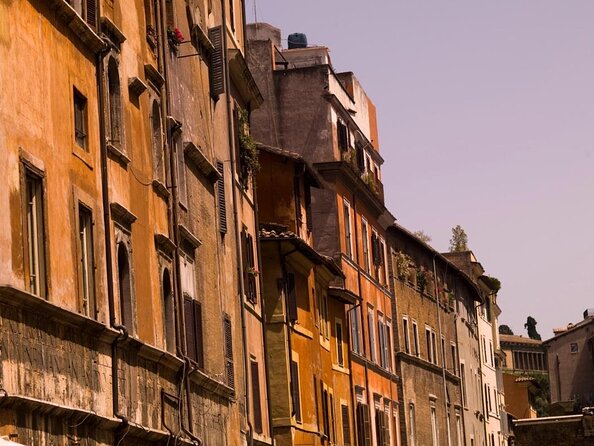
You’ll spend about 20 minutes in the Antico Quartiere Ebraico for shots of characteristic corners, small alleys, and typical shops. Then you’ll get about 20 minutes at Campo de’ Fiori, focused on a typical Roman market atmosphere plus nearby alleys.
These are the places where photos stop looking like postcards. Instead, you get texture: street corners, small storefronts, and the everyday rhythm of the city. For smartphone photographers, alleyways are ideal for learning framing tricks because you have built-in lines and repeating details.
One consideration: markets mean movement and changing light. Expect people to cross your frame and brightness to shift as you move from open squares into narrower lanes. The guide’s settings and exposure advice should help you keep your images from swinging between too dark and too bright.
Price, Group Size, and What You’re Actually Getting for $215.69
At $215.69 per person for about 4 hours, it can look like a splurge until you connect the dots. The value is not the landmarks. Rome landmarks are everywhere. The value is:
- a professional photographer guide who teaches as you go
- short, efficient stops that reduce wandering
- coaching that applies to iPhone/Android, not just DSLR owners
- a maximum of 4 travelers, which makes it realistic to get feedback and adjust your shooting
You also get a mobile ticket, and there are group discounts. That helps if you’re traveling with a friend and want to keep the group small.
Souvenir photos are not included, but they can be purchased. If you’re hoping for an automatic bundle after the tour, don’t assume it’s part of the package. If you want a specific kind of output, ask the guide what’s available based on what you shoot.
If you arrive with no camera, you can rent Nikon gear plus tripods for 50 euros per kit paid in cash. That’s a useful safety net, especially if you’re traveling light and still want steady shots.
Who This Tour Fits Best, and Who Might Want a Different Plan
This tour is a great match if you:
- want better photos without buying DSLR gear
- like learning photography basics like exposure and composition while walking
- enjoy a guided route that covers both famous sights and atmospheric streets
- want one-on-one style attention, which is realistic in a max-4 group
It may feel less ideal if you:
- want long time inside major sites or multiple indoor museum hours
- get stressed by crowds and quick stop timing
- need a totally stroller-free, ultra-slow pace (this is walking-focused)
If you have specific museum or archaeological additions in mind, the tour notes that availability can’t be checked without booking. So if your dream is a deeper museum day, plan that separately and use this tour for the photo workshop and route.
Should You Book Rome by Day Photo Tour and Workshop?
I’d book it if you want a Rome photo experience with real teaching built in. The best part is the combination of smart locations and hands-on guidance, especially for smartphone photographers. With a small group and Giulio’s focus on adjusting to your skill level, you’ll likely come away with clearer ideas and stronger images, not just a list of places.
Skip it if you mainly want a slow sightseeing day or you’re hoping for extended indoor museum time without extra arrangements. Also, if your wardrobe isn’t ready for covered knees and shoulders, get it sorted before you go, because dress rules can affect entry.
If you’re serious about getting better photos in Rome, this one makes the most sense because it teaches you how to look while you’re standing right in front of the real thing.
FAQ
Do I need a DSLR to join?
No. iPhone and Android smartphone photographers are welcome, and the workshop covers photography techniques that work for phone cameras too.
How long is the tour?
It’s about 4 hours.
Where does the tour start and end?
It starts at St. Angelo Bridge (Ponte Sant’Angelo) and ends at Piazza del Colosseo on via dei Fori Imperiali, near subway Line A.
Is the tour offered in English?
Yes, it’s offered in English.
What stops will we photograph during the tour?
You’ll photograph multiple iconic areas including St. Peter’s Square, Castel Sant’Angelo, Piazza Navona, the Pantheon area (outside), Chiesa di Sant’Ignazio di Loyola, Campidoglio, Mercati di Traiano / Fori Imperiali area, Teatro di Marcello, the Antico Quartiere Ebraico, and Campo de’ Fiori.
Are admission tickets included?
Most photo stops list admission ticket free. St. Peter’s Square includes an admission ticket. Other stops specifically show admission ticket free.
Can non-photographing friends or family join?
Yes. Non-photographing group members can be accommodated, and arrangements can be considered for spouses, partners, and children as guests.
What’s the dress code?
Dress code is casual, but a dress code is required to enter places of worship and selected museums. Knees and shoulders must be covered. Shorts or sleeveless tops usually aren’t allowed.
What if I have no camera?
You can rent Nikon gear plus tripods for 50 euros per kit, paid in cash.
What if weather is bad?
The tour requires good weather. If it’s canceled due to poor weather, you’ll be offered a different date or a full refund.