REVIEW · BARCELONA
Private (Phone) Photography Class in Park & Old Town
Book on Viator →Operated by Nostos Tours · Bookable on Viator
Your phone can shoot like a camera. This walk-and-learn class uses Barcelona landmarks to teach framing, composition, and practical phone settings.
You start at Arc de Triomf, then move through Ciutadella Park and into the Born area, so you practice in real scenes, not just theory. You’ll also get tips for quick editing so your photos look better fast.
What I like most is how instantly usable the tricks feel, even if you’re new to photography. The other big win is that the experience includes professional photos of you and your family, so you leave with more than just learning homework.
One thing to consider: the class requires good weather, so if skies turn, you may need to switch dates or get a refund.
In This Review
- Quick take: highlights that matter in the real world
- A phone photography class that actually teaches you how to see
- The route: Arc de Triomf to Ciutadella, then El Born (with real practice)
- Basilica de Santa Maria del Mar: details before the big sights
- Parc de la Ciutadella: learn framing with space and greenery
- Arc de Triomf: a perfect place for leading lines and scale
- El Born Centre De Cultura I Memoria: texture, story, and photo variety
- Mamut and Quadriga de l’Aurora: practice shots with memorable subjects
- What you learn: framing, composition, modes, settings, and quick edits
- 1) Framing and composition you can use instantly
- 2) Camera modes and settings on your phone
- 3) A trick for making far monuments feel closer
- 4) Simple editing tools that improve your photos fast
- Professional photos plus your own improved shots
- Who this class fits best (and who should skip it)
- The guide experience: patient teaching and clear tips
- Price and value: why $35 can be a bargain (if you use what you learn)
- A realistic expectation for your results
- Should you book the Park and Old Town phone photo class?
- FAQ
- How long is the Park and Old Town private phone photography class?
- Where do I meet, and where does the tour end?
- What language is the class offered in?
- What is included in the price?
- How big is the group?
- Does the experience run in any weather?
- What’s the cancellation policy?
- Are service animals allowed?
Quick take: highlights that matter in the real world
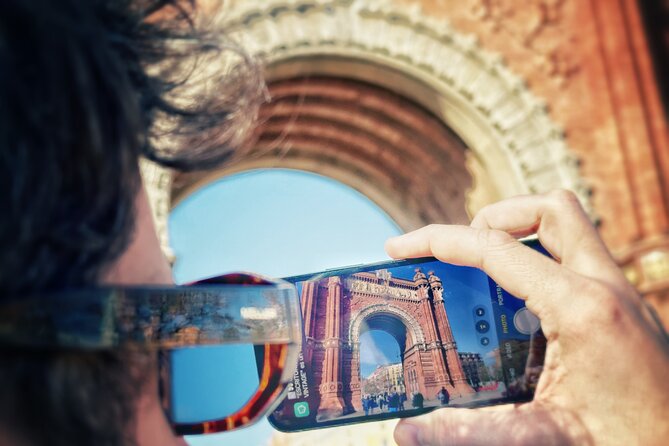
- Arc de Triomf leading lines practice: learn how to use strong shapes to guide the eye
- Ciutadella Park photo walk: training grounds for angles, light, and subjects
- Beginners-friendly camera modes: you learn what to try on your own phone right away
- Editing with simple tools: quick fixes that make your shots look more intentional
- Small-group feel (up to 20): better focus than a huge crowd scramble
A phone photography class that actually teaches you how to see
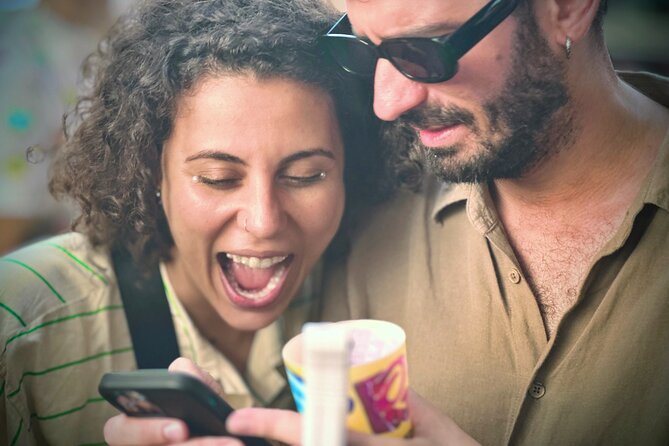
Barcelona is a nonstop photo buffet. The problem is you can end up with lots of pictures that look fine on a screen, but don’t really work. This class is designed to fix that by training your eye while you move through some of the best-looking spots in the city.
The route gives you variety fast. You go from the grand lines and scale of Arc de Triomf to the calmer, greener scenes of Parc de la Ciutadella, then into the texture and character of the Born area. That mix matters because phone cameras behave differently across light, distance, and subject types.
And yes, it’s phone-focused. The point isn’t to replace your camera. It’s to help you get more from the one you already carry, with steps you can repeat later when you’re back in your hotel room.
You can also read our reviews of more tours and experiences in Barcelona.


The route: Arc de Triomf to Ciutadella, then El Born (with real practice)
You meet at Arc de Triomf (Ciutat Vella, 08018 Barcelona), and the experience loops back to the same meeting point at the end. In about two hours, you cover enough ground to build momentum, but not so much that you feel wrecked and unable to think.
Here’s what the stops are good for and what you’ll likely be doing at each one.
Basilica de Santa Maria del Mar: details before the big sights
Starting around the Basilica de Santa Maria del Mar puts you in a zone where small choices matter. On a phone, details can get lost fast if you don’t frame carefully. This is a smart warm-up because composition rules show up clearly on stone textures and architectural lines.
If you’re struggling to make buildings look interesting, this kind of stop forces you to slow down. You learn to look for edges, repetition, and angles instead of shooting the whole building from the same flat spot.
Parc de la Ciutadella: learn framing with space and greenery
Parc de la Ciutadella is where you get breathing room. Parks are great for phone photography lessons because you can practice multiple distances: close subjects, mid-range scenes, and wide views.
This is also where you can experiment with positioning. A few steps left or right can change everything on a phone camera because foreground and background start to behave like a composition tool instead of random clutter.
Arc de Triomf: a perfect place for leading lines and scale
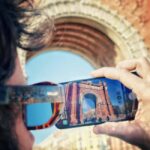
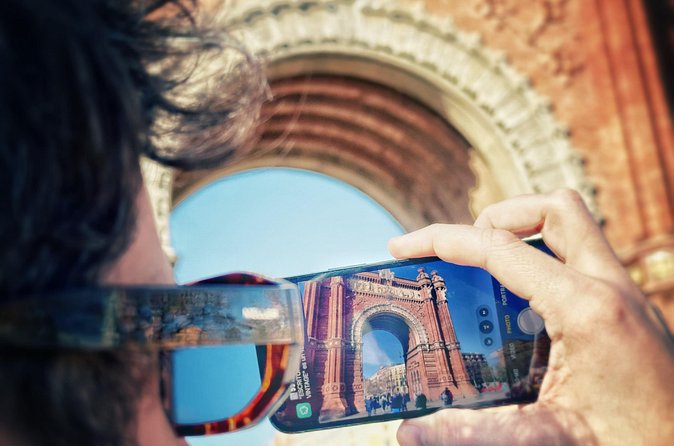
Then you hit the big one: Arc de Triomf. Reviews highlight a practical tip here: using leading lines at the arch so the scene pulls your viewer into the frame. That’s the kind of instruction that makes a photo go from snapshot to story.
Arc de Triomf is also useful for scale training. When you photograph large monuments, your phone can flatten them. The class includes a technique people love for making far-away landmarks look closer—think about using camera modes and a controlled approach instead of just backing up.
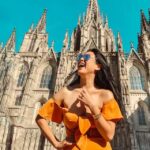
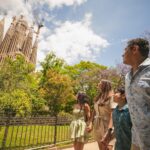
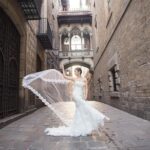

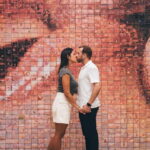
El Born Centre De Cultura I Memoria: texture, story, and photo variety
The Born area isn’t just pretty buildings. It’s a lesson in contrast—old structures, cultural spaces, and street-level texture. At a stop like El Born Centre De Cultura I Memoria, you can practice how to isolate a subject and keep the background from hijacking the image.
This part of the walk is ideal if your photos usually look like everything is equally important. You’ll learn how to make one element the star.
Mamut and Quadriga de l’Aurora: practice shots with memorable subjects
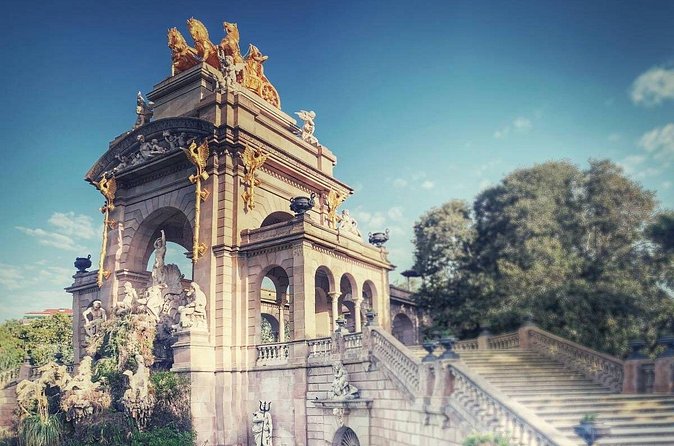
Within Ciutadella, you also get the chance to use standout pieces like Mamut and Quadriga de l’Aurora for practice. These subjects are a gift for phone photographers because they’re visually strong even when light isn’t perfect.
If you want photos that feel uniquely Barcelona without relying on famous viewpoints, this is where you test angles and framing that look good in a phone shot.
What you learn: framing, composition, modes, settings, and quick edits
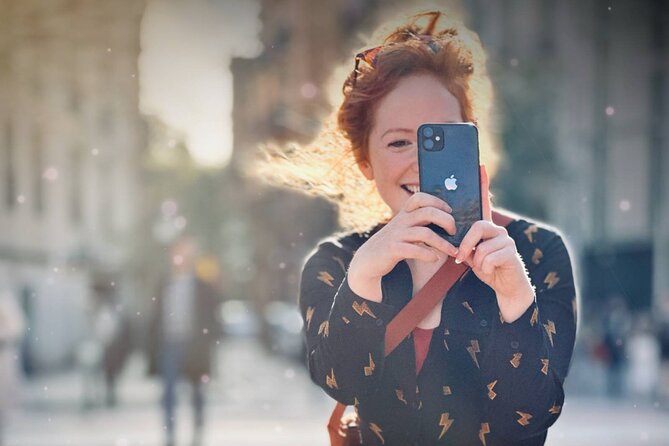
The class is built around four skill areas that actually change your results:
1) Framing and composition you can use instantly
Framing is the difference between a photo that looks like a record and one that looks like a choice. You’ll work on how to position your subject, how to use background elements, and how to avoid the common problem of shooting a subject but leaving your frame messy.
The strong theme across feedback is that people leave with specific, repeatable ideas. That’s key. General advice is easy to forget. Practical instructions are what stick.
2) Camera modes and settings on your phone
You’ll learn how different phone camera modes can change the look. Reviews specifically mention that the session helped people realize they had many settings on their phone that they didn’t know how to use well.
This is valuable because phone cameras can be confusing. Modes affect how the camera focuses, how it handles motion, and how it manages light. Once you understand which mode to try for a scene like Arc de Triomf versus a quiet corner in Born, your photos get more consistent.
3) A trick for making far monuments feel closer
One favorite technique is a so-called zoom trick for photographing far-away monuments so they look closer. The real win here is mindset: instead of accepting distance limitations, you learn a method to create a tighter, more dramatic composition.
Even if you never use the exact same setup again, you’ll carry the concept—use your phone tools to control composition, not just capture it.
4) Simple editing tools that improve your photos fast
The class doesn’t treat editing like a separate world. It teaches how quick fixes can make a photo look better right away, which is exactly what you want when you’re traveling.
On a city walk, you don’t have time to spend an hour on each image. Learning quick edits helps you get from shot to shareable photo without turning your day into a computer project.
Professional photos plus your own improved shots
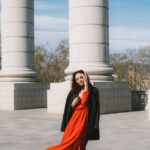
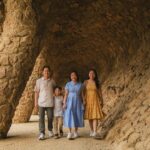
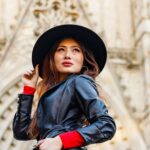
A lot of photo experiences are one-sided: you take photos, or you watch a guide take photos. This one includes both learning and output. You’ll get professional photos of you and your family, which helps even if your phone skills are still forming.
That’s also why it’s good for groups and families. Everyone leaves with something usable even if one person is still getting comfortable with camera modes. It reduces the pressure on the whole crew to nail every shot.
The experience also has a small-group limit of 20 travelers. That size tends to work well for hands-on guidance because you can still get attention without feeling lost in a crowd.
Who this class fits best (and who should skip it)
This is a strong pick if you’re traveling with teenagers, couples, or a group that wants a shared activity that doesn’t feel like a lecture. The pace is relaxed, and the teaching style is described as patient and easy to understand.
It’s also ideal if you’re a beginner who wants structure. You’ll get a “photo eye” mentality: learn composition, learn what to try, then practice it on Barcelona scenes that change every few minutes.
You might not love it if you want total freedom to roam at your own pace. This is a guided walkthrough with practice prompts, so you’ll be doing tasks together rather than drifting solo through the city.
The guide experience: patient teaching and clear tips
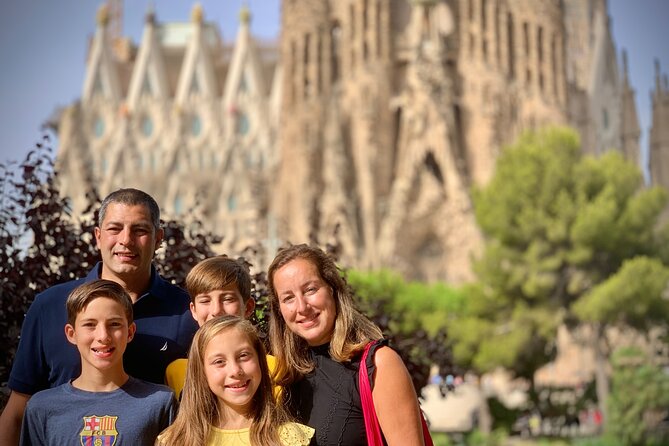
The teaching is a big reason the reviews are so high. People consistently describe the photography teacher as patient and focused on making steps simple. Names that show up in feedback include Cristina and Onno, both associated with enthusiasm and practical instruction.
Even without knowing who you’ll get, the format tells you what kind of help to expect. You’re not just listening. You’re getting camera-related pointers, then immediately trying them in the next part of the walk.
For me, that’s the best kind of class for a travel day: short, active, and built for your attention span.
Price and value: why $35 can be a bargain (if you use what you learn)
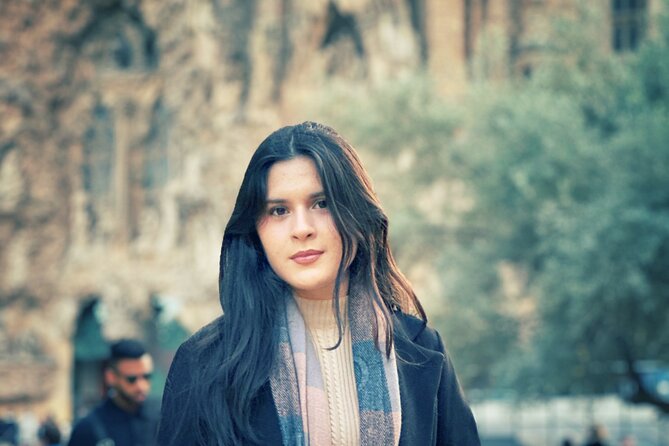
At $35 per person for about two hours, the value depends on your goals. If you want a nice walk plus photos, it can feel like a fair deal, especially because professional photos are included.
But the bigger value is skill transfer. Phone photography skills are portable. You can use the framing ideas, mode suggestions, and quick edit approach later in other cities without paying again.
One more value lever: your group size is capped at 20, and you’re in an activity that’s meant to be interactive. At this price, that blend of guidance plus practice is the sweet spot.
A realistic expectation for your results
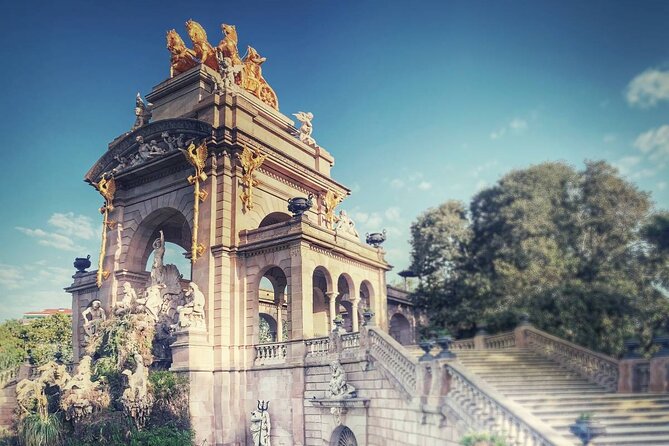
Your photos won’t all magically look like a magazine cover. But you should expect improvement that’s visible quickly. The instruction focuses on the most controllable parts of phone photography: framing, composition, choosing the right camera mode, and making basic edits.
If you pay attention during the practice moments—especially around Arc de Triomf and the Born area—you’ll probably notice that your framing choices tighten up. That’s where the big jump usually happens.
And even if your first attempts are awkward, the class design helps you course-correct fast.
Should you book the Park and Old Town phone photo class?
Book it if you want a guided photo session that teaches you what to do next, not just where to stand. It’s especially worth it if you’re traveling with family or a mixed-skill group and you want both professional photos and practical improvement.
Pass if you already know your phone camera settings well and prefer free-roam city wandering with no prompts. Also remember the weather requirement. If conditions aren’t good, you’ll need to swap dates or get a refund.
If you’re the type who takes photos but wants them to look more intentional, this is a smart, low-cost way to upgrade your results fast in Barcelona.
FAQ
How long is the Park and Old Town private phone photography class?
It runs for about 2 hours.
Where do I meet, and where does the tour end?
You start at Arc de Triomf (Ciutat Vella, 08018 Barcelona, Spain) and the activity ends back at the meeting point.
What language is the class offered in?
The class is offered in English.
What is included in the price?
An experienced guide/photography teacher, photography tips and tricks for better phone photos, and professional photos of you and your family are included.
How big is the group?
The tour has a maximum of 20 travelers.
Does the experience run in any weather?
It requires good weather. If it’s canceled due to poor weather, you’ll be offered a different date or a full refund.
What’s the cancellation policy?
You can cancel for a full refund up to 24 hours in advance.
Are service animals allowed?
Yes, service animals are allowed, and the tour is near public transportation. Most travelers can participate.