REVIEW · HONG KONG SAR
Photography Workshop and Photowalk (FIND YOUR DIRECTION)
Book on Viator →Operated by Thomas Bertson · Bookable on Viator
Hong Kong street photos start with a plan. This FIND YOUR DIRECTION workshop pairs coffee-chat coaching with a small-group photowalk through local markets, so you learn photo basics and immediately test them on the street. It runs about 3 hours and ends back where you started, making it easy to fit into a short visit.
What I like most is that you’re taught photo thinking, not just camera buttons: defining your photographic identity, then using composition and framing to improve results. You also get practical guidance on using the tools you have to serve your vision, even when you hit technical limits. One possible drawback: it’s best when you bring a camera with manual settings, and 3 hours is short if you want lots of deep practice.
In This Review
- Key Points That Make This Workshop Worth Your Time
- Why This Hong Kong Photowalk Works for Getting Better Photos
- Meet Thomas Bertson and Why His Teaching Style Feels Practical
- Coffee-Stop Theory: Defining Your Photo Identity Before You Shoot
- Composition and Framing Techniques You Can Use Immediately
- The Photowalk Through Local Markets: Where Learning Becomes Images
- Where You Start (and Why the Location Matters)
- Gear, Clothes, and Walking Comfort: Simple Prep That Helps
- Value Check: Is $196.46 for 3 Hours a Good Deal?
- Who This Workshop Fits Best (and Who Might Want Another Option)
- Should You Book FIND YOUR DIRECTION?
- FAQ
- How long is the photography workshop and photowalk?
- Where does the tour start?
- Is the group size limited?
- Is this workshop suitable for beginners?
- What kind of camera should I bring?
- What should I wear for the photowalk?
- What will we do during the workshop?
- What topics are covered in the theory part?
- Who is the instructor?
Key Points That Make This Workshop Worth Your Time
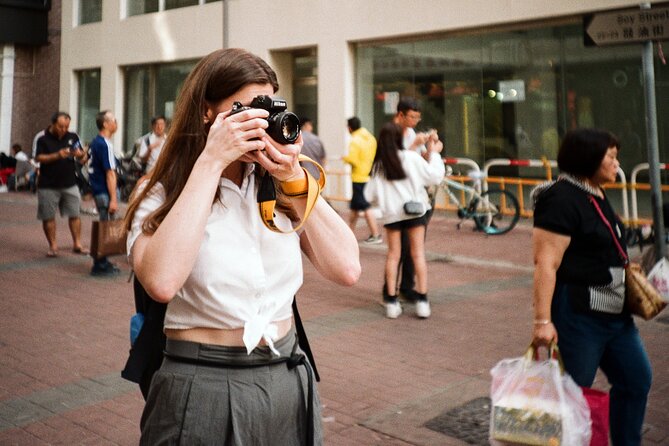
- Coffee-start format so you get ideas before you start shooting
- Thomas Bertson’s documentary background (including Arab Spring coverage) adds real-world perspective
- Composition and framing focus that directly improves what your photos look like
- Hands-on market photowalk where you apply concepts immediately
- Small group size (max 6) for more individual guidance
Why This Hong Kong Photowalk Works for Getting Better Photos
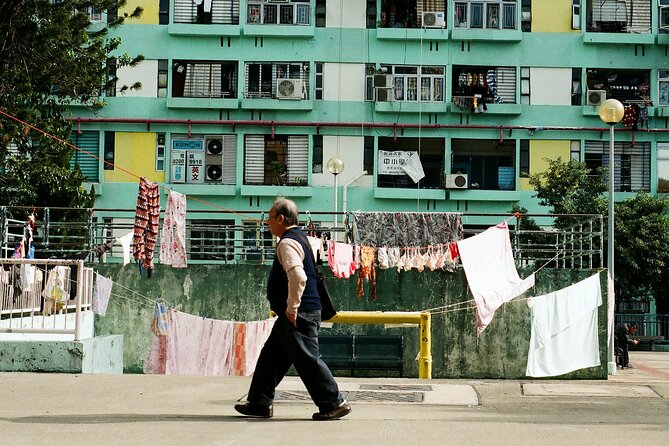
Street photography is easy to romanticize, and hard to repeat. This experience avoids that trap by giving you a simple way to decide what to shoot and how to frame it. The goal is not to copy someone else’s style. It’s to help you find your direction and then build a small set of images that actually reflect it.
Hong Kong also gives you lots of built-in subjects: tight streets, layered signage, people moving fast, and markets where everyday life is right in front of you. A guided session matters here because it turns that chaos into a series of photo choices you can make on purpose.
The timing is also smart. You spend time talking first, then you walk. By the time you’re standing in the market lanes, you’re not guessing what you should be looking for. You’ll already have a framework in your head.
Meet Thomas Bertson and Why His Teaching Style Feels Practical
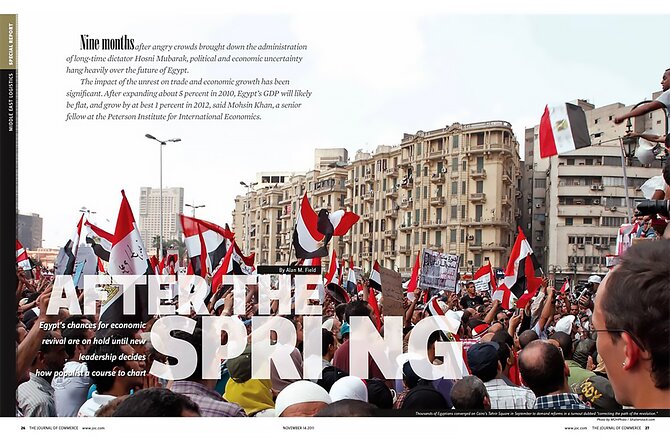
Thomas Bertson is a Hong Kong–based photographer and educator with a long track record across different genres. He started in 2008 with still life and portraits, then shifted toward documentary work, including coverage of the Arab Spring in 2011 and Prison Escape in 2012. Since 2013 he’s been a regular contributor for Vogue, and in 2020 he published his first book titled Hong Kong.
That mix matters for a workshop like this. Documentary photographers tend to be good at one thing you can use immediately: seeing what’s real, then making it look intentional. You’re not just learning composition rules. You’re learning how a photographer thinks when the scene is changing and you only get one or two chances.
In the same spirit, the tour is designed for real-world shooting, not studio exercises. The photowalk is where the theory becomes decisions: what to include, what to leave out, and how to keep your images aligned with your identity as a photographer.
Coffee-Stop Theory: Defining Your Photo Identity Before You Shoot
The workshop begins with a Discussion over Coffee at Pacific Coffee. That sounds casual, but it’s actually a strong teaching move. It gives you a calm start and gets you thinking in photo language before you enter street noise.
The session covers basic aesthetics in photography and how to define your photographic identity. That part can feel vague if you’ve never tried to name your style. But the way this workshop frames it is useful: you’re not asked to pick a brand or a trendy look. You’re asked to connect your choices—subjects, framing, mood, and timing—to what you actually want to say with your images.
This is also where the instructor talks about using the tools you have in a way that serves your vision. In other words, technical limitations don’t have to block your creativity. You can work around them by choosing angles, adjusting exposure strategy, and using composition to control the final image.
For beginners, this approach is a big plus. It avoids the common beginner problem of chasing gear or copying other people’s settings. Instead, it pushes you to build a consistent way of seeing.
Composition and Framing Techniques You Can Use Immediately
After the identity conversation, you get compositional techniques and framing guidance. This is where your photos start improving fast, because framing is the difference between a snapshot and a photograph.
You’ll focus on ideas like:
- using framing to guide attention
- building a stronger composition so your subject reads clearly
- using structure in the scene, not just luck, to improve results
The workshop also emphasizes overcoming technical limitations to your advantage. That can mean different things depending on your camera and light. But the key is the mindset: don’t fight the situation endlessly. Use the constraints to shape what you capture.
If you’re shooting in Manual settings, that advice becomes even easier to apply. You’ll be more aware of how shutter speed, aperture, and ISO choices affect motion blur, depth, and noise. If you’re newer, don’t worry about getting everything perfect. Aim for better decisions, then shoot your way into confidence.
The Photowalk Through Local Markets: Where Learning Becomes Images
The photowalk is the payoff. You go around local areas and street markets that show the spirit of Hong Kong, and you apply what you just learned while hunting for pictures.
This part is valuable for two reasons. First, it forces you to make choices in real time. Lighting changes, people move, and you don’t get unlimited tries. Second, it teaches you to see patterns. Markets give you repeated visual elements—signs, faces, textures, hands at work, storefronts—that are perfect for practicing composition and framing.
You’ll also leave with a portfolio of images that reflect different aspects of Hong Kong life. Even though the portfolio is described as optional assignment, the structure makes sense. A short, guided shoot can easily turn into a random pile of photos unless you set a goal. Here, you’re nudged toward creating a set that fits the direction you discussed at the start.
One added benefit from the teaching style: on request, the instructor can also take you to used camera shops that are off the beaten path. That’s not the main point of the workshop, but it’s a nice extra if you want to browse gear without doing the tourist version of shopping.
Where You Start (and Why the Location Matters)
You meet at Pacific Coffee Shops G04–05, G/F, Manhattan Mid-Town, 1 Po Lun Street, Mei Foo, Sham Shui Po, Hong Kong. It’s also described as near public transportation, which matters because it reduces your stress level when you’re trying to arrive on time.
Because the experience ends back at the meeting point, your walk plan isn’t a mystery. You’re not wondering how you’ll get back after a street shoot. That makes it easier to pair with other Hong Kong activities on the same day.
Gear, Clothes, and Walking Comfort: Simple Prep That Helps
You should bring a camera with manual settings suggested. The instructor also recommends keeping it light—because you’re walking while shooting, and street photography is easier when you’re not fighting a heavy setup. If you only have one camera, that’s fine. Just make sure you can adjust exposure and focus the way you need.
What to wear is straightforward: comfortable shoes. The experience mentions a moderate physical fitness level, and it’s a photowalk, not a sit-down lecture. Dress for walking, and don’t plan to wear anything that slows you down when you need to reposition quickly.
A phone can help, of course, but the workshop is built around a camera approach. If you’re using manual settings, you’ll get more out of the theory-to-practice rhythm.
Value Check: Is $196.46 for 3 Hours a Good Deal?
At $196.46 per person for about 3 hours, the value depends on what you want out of Hong Kong. If you’re hoping for a quick tour where you collect sightseeing photos, this is probably more coaching than you need.
But if you want your pictures to improve, the price starts to look fair. You’re paying for:
- instruction that targets composition, framing, and how to define your photographic identity
- guided practice in real street scenes (markets and local areas)
- a small-group format (maximum 6 travelers), which typically means more chances for individual guidance
- a teacher who works as both a photographer and an educator, with real documentary credentials
Group discounts are mentioned too, which can further improve the deal if you’re traveling with friends or want to book as a small group.
In plain terms: you’re buying focused guidance plus a structured shoot. If you show up with a camera you can use manually, you’ll likely benefit the most.
Who This Workshop Fits Best (and Who Might Want Another Option)
This workshop is a strong match if:
- you’re a beginner who wants photo fundamentals explained in a practical way
- you’re returning to photography and want a reset on composition and identity
- you want street practice in a more directed format, not just wandering with your camera
- you like the idea of a guided learning session in local markets rather than a tourist-only route
It may be less ideal if:
- you only have a camera that can’t use manual settings and you’re unwilling to work around that
- you’re aiming to spend a full day on street photography and build a very large portfolio
- you have trouble with walking for a moderate amount of time
The good news is that the workshop explicitly positions itself as suitable for beginners. The bigger limitation is time and gear setup, not confidence.
Should You Book FIND YOUR DIRECTION?
I’d book it if you want a clear photo framework and you’ll actually use it while walking the markets. The combination of coffee-start theory, composition and framing guidance, and then immediate photowalk practice is a solid way to get better without getting overwhelmed.
One deciding question for you: do you want to shoot with intention? If yes, this format matches what you need. If you just want a casual stroll with your camera, you might find it better to explore on your own.
If you do book, show up with comfortable shoes and a camera you can run on manual settings. Then focus less on taking the perfect shot and more on making repeatable choices. That’s how this workshop turns into a portfolio and not just a bundle of random images.
FAQ
How long is the photography workshop and photowalk?
The experience lasts about 3 hours.
Where does the tour start?
It starts at Pacific Coffee Shops G04–05, G/F, Manhattan Mid-Town, 1 Po Lun Street, Mei Foo, Sham Shui Po, Hong Kong.
Is the group size limited?
Yes. The workshop has a maximum of 6 travelers.
Is this workshop suitable for beginners?
Yes. It’s suitable for beginners, especially if you are keen to learn.
What kind of camera should I bring?
A camera with manual settings is suggested. The lightest combination possible is also recommended.
What should I wear for the photowalk?
Wear comfortable shoes, since it includes walking around local areas and markets.
What will we do during the workshop?
You’ll start with a photography discussion over coffee, covering principles and composition, then you’ll go on a photowalk around local areas and street markets to practice.
What topics are covered in the theory part?
The theory part includes discussing basic aesthetics, defining your photographic identity, composition techniques, framing, and how to use tools to serve your vision while overcoming technical limitations.
Who is the instructor?
Thomas Bertson is the instructor. He is a Hong Kong–based photographer and educator.