REVIEW · OSAKA
Osaka: Private Vibrant Nighttime Photoshoot (Dotonbori)
Book on GetYourGuide →Operated by PhoenixJP合同会社 · Bookable on GetYourGuide
Osaka at night feels like a photo studio. This private Dotonbori shoot gives you pro direction and a tight plan so you spend your time shooting, not guessing angles. I especially like the way the photographer steers you through iconic neon landmarks like the Glico Sign while still making room for quieter alley vibes. One thing to consider: you’re walking and shooting for about 1.5 hours, so if you want lots of stopping, long meal breaks, or super slow pacing, you’ll need to adjust expectations.
The best part is the balance: famous sights plus small side streets where your photos don’t all look the same. The turnaround is quick too—40 edited high-resolution photos within 24 hours and all unedited files on the same day—so you get results fast. My only caution is to confirm how the edited photo count is handled for larger groups, since one group-size detail can affect what you end up receiving.
In This Review
- Key Takeaways Before You Go
- Nighttime Dotonbori: Why the Neon Works So Well
- Meet-Up Near Osaka Fire Bureau and the 1.5-Hour Flow
- Ebisubashi Bridge and the Glico Sign: Your “First Day in Osaka” Shots
- Hozenji Yokocho: Lantern-Lit Alleys for Contrast
- America-mura Street Culture and the Fun-Focused Side of Osaka
- Hidden Side Streets: The Photos You Can’t Find on Your Own
- Photo Results: 40 Edited High-Res Images Plus Originals Same Day
- How the Photographer Makes It Feel Easy (Even When It Rains)
- Price and Value: Is $90 Per Person Worth It?
- Who Should Book This Nighttime Photoshoot?
- Should You Book This Osaka Dotonbori Night Photoshoot?
- FAQ
- How long is the Dotonbori nighttime photoshoot?
- Where does the photoshoot start?
- How many photos do I receive?
- Are printed photos included?
- What locations will we visit?
- Is this a private experience?
- What languages are available?
- Is the route wheelchair accessible?
- What is the cancellation policy?
Key Takeaways Before You Go
- Neon classics plus lantern alleys: you’ll hit major icons and then switch to softer, older-street scenes.
- Angle coaching matters: guides actively help with stance and camera positioning, not just sightseeing.
- Fast delivery: edited photos show up in 24 hours, while the unedited images arrive the same day.
- Private pace, flexible route: you typically cover about five locations, but adjustments are possible for your preferences.
- Street-food ending: the shoot wraps near a popular snack spot, where takoyaki and other local favorites are easy to grab.
Nighttime Dotonbori: Why the Neon Works So Well
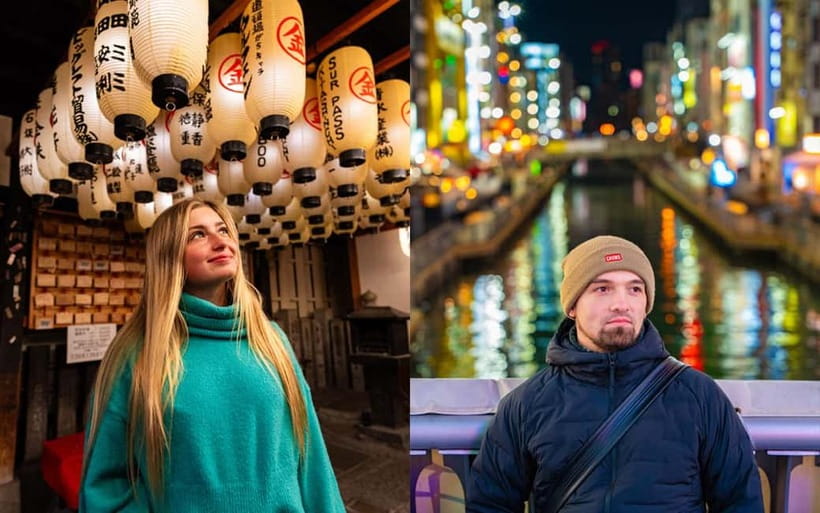
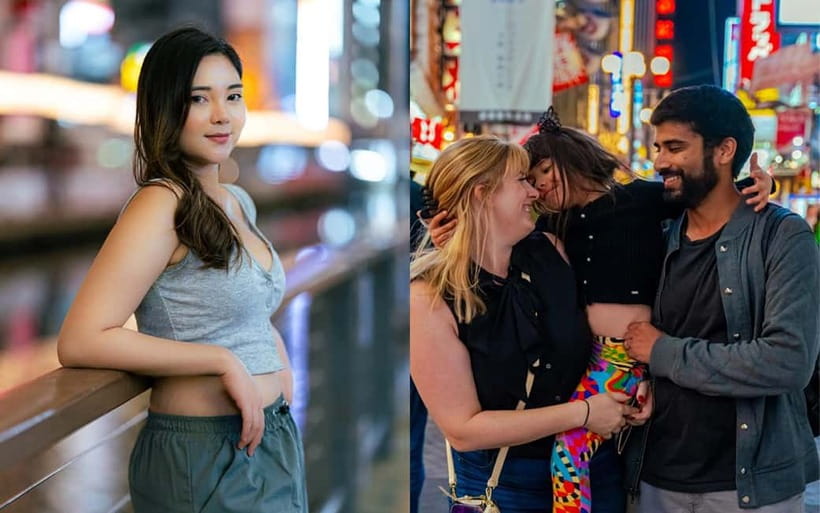
Dotonbori is the kind of place where the lighting does half the work for you. You get intense sign glow, reflections on wet pavement, and that Osaka energy that looks great in photos without needing fancy gear.
What you’re really buying here is control. Instead of wandering around for two hours hoping the photo gods cooperate, you get a guide who knows where the light hits best and how to set you up for clean compositions. It’s especially helpful for couples and solo travelers, because the photographer can guide you toward flattering angles quickly.
And because it’s private, you’re not stuck waiting for other people’s turn. The session moves with intention: walk, frame, shoot, repeat.
You can also read our reviews of more tours and experiences in Osaka.
Meet-Up Near Osaka Fire Bureau and the 1.5-Hour Flow
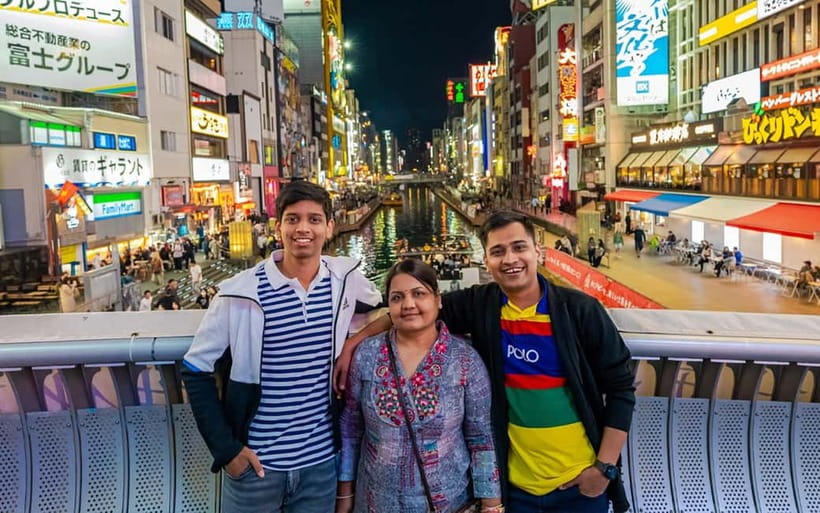
The starting point is right in the Dotonbori area, at the Osaka City Fire Bureau Central Fire Station Dotonbori branch (大阪市消防局中央消防署道頓堀出張所). From there, you’ll head into the heart of the district for the first “big moment” photo setups.
The whole experience runs about 1.5 hours, and you’ll typically visit five iconic locations. The key phrase is typically. If you have a strong preference—more time on neon signage, more alley photos, or more street-culture shots—your photographer can adjust the route within that timeframe.
This timing is a plus if you have limited time in Osaka. It’s also a reality check: you’re going to walk and shoot. Wear shoes you trust, and keep water nearby. If it’s pouring rain, that’s when good direction becomes even more valuable, because you still want sharp shots through difficult conditions.
Ebisubashi Bridge and the Glico Sign: Your “First Day in Osaka” Shots
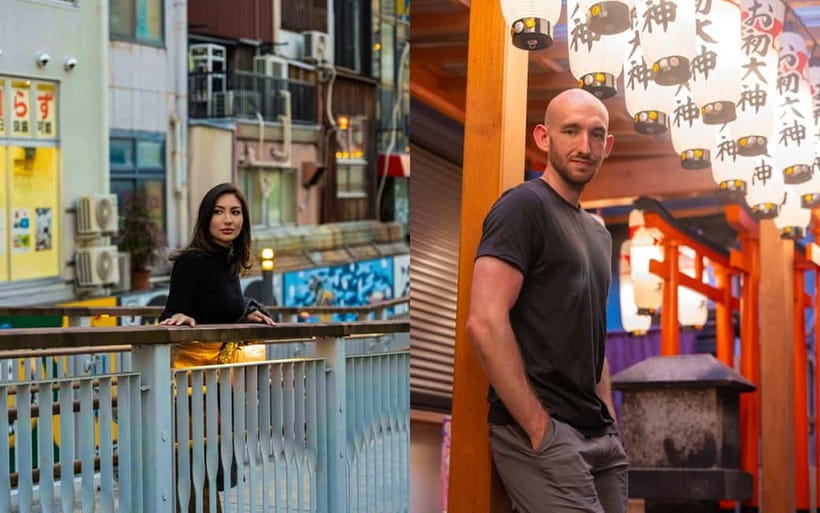
Two landmarks anchor the experience, and for good reason.
First, you’ll work around Ebisubashi Bridge, which is basically the heartbeat of Dotonbori. It’s wide, iconic, and surrounded by those classic sign-and-street visuals that instantly read as Osaka at night.
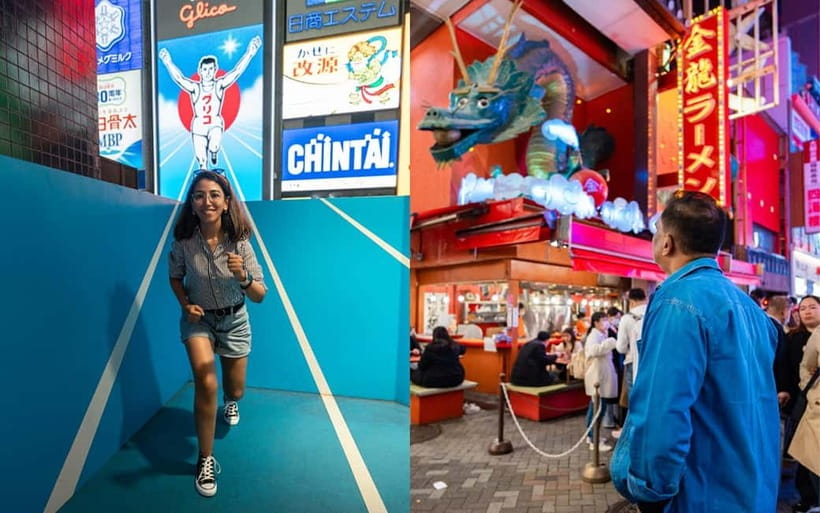
Then comes the Glico Sign area. This is the billboard most people recognize, and it’s also the type of scene where a wrong angle can waste your shot. A big value here is that your photographer helps with positioning—so you get that clean sign framing without ending up with awkward crowd clutter or distracting lines.
If you like photos that look like they belong on postcards but still feel like you were there, these stops are where that happens.
Hozenji Yokocho: Lantern-Lit Alleys for Contrast
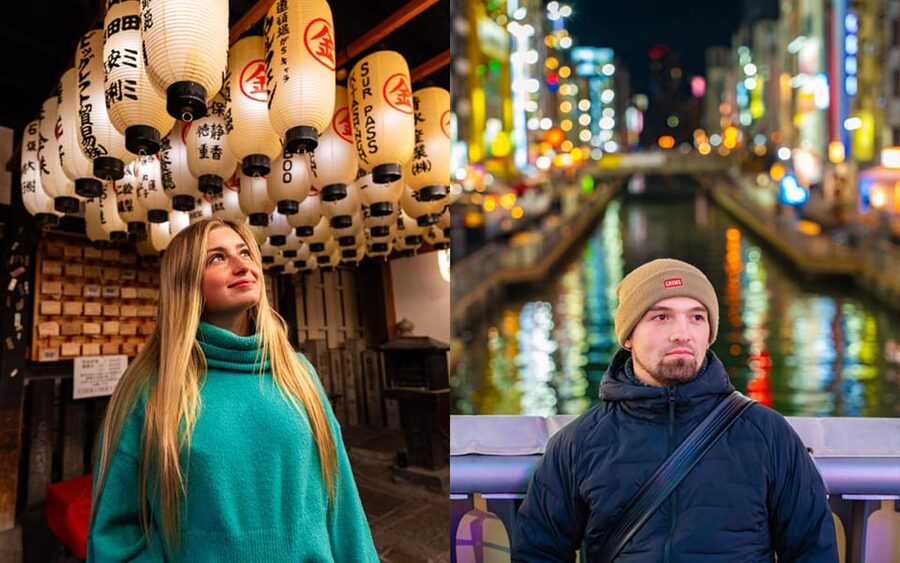
After the neon-heavy parts, the session shifts toward Hozenji Yokocho, a traditional lane known for lantern-lit atmosphere. This is the contrast that makes a photo set more interesting.
Neon signs can flatten a scene. Lantern light adds warmth. It can also make faces and clothing tones look more natural, especially compared to the harsher glow from bright electronic billboards.
Practically, this part of the route is where you’ll often get more “portrait-style” attention. It’s also where your guide’s patience pays off—slowing down just enough to get the expression and framing right, while still keeping the session moving.
If you want your Osaka photos to tell a story—modern lights, then older streets—this stop is the pivot.
America-mura Street Culture and the Fun-Focused Side of Osaka
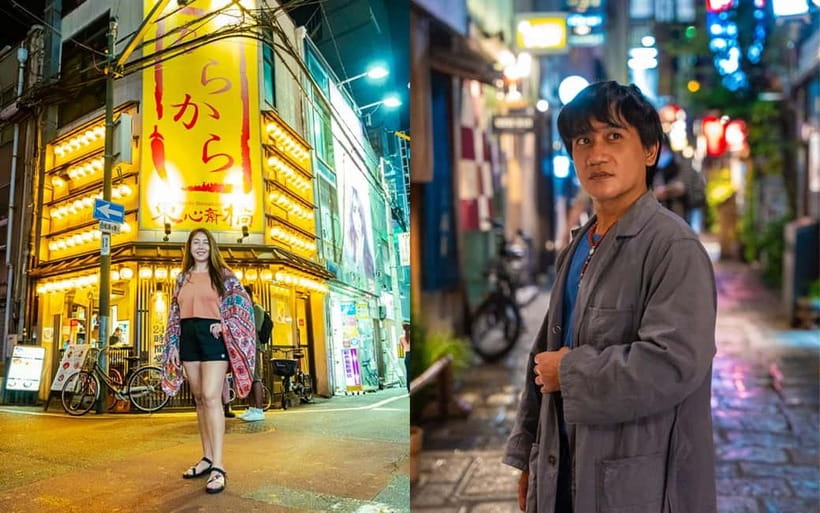
America-mura (often called “Amemura”) brings a different vibe than the bridge-and-billboard core. It’s more about street style, signage, and that youth-culture feel you can’t recreate from a guidebook photo.
This is where you can ask for a specific direction. Want more casual walking shots? More posed frames with street backdrops? You’re in a district that supports both, as long as you’re willing to move your feet and adjust your angles on the fly.
I like this part because it makes the photo set feel less like a tourist checklist and more like a personal mini-walk through Osaka’s scene.

Hidden Side Streets: The Photos You Can’t Find on Your Own
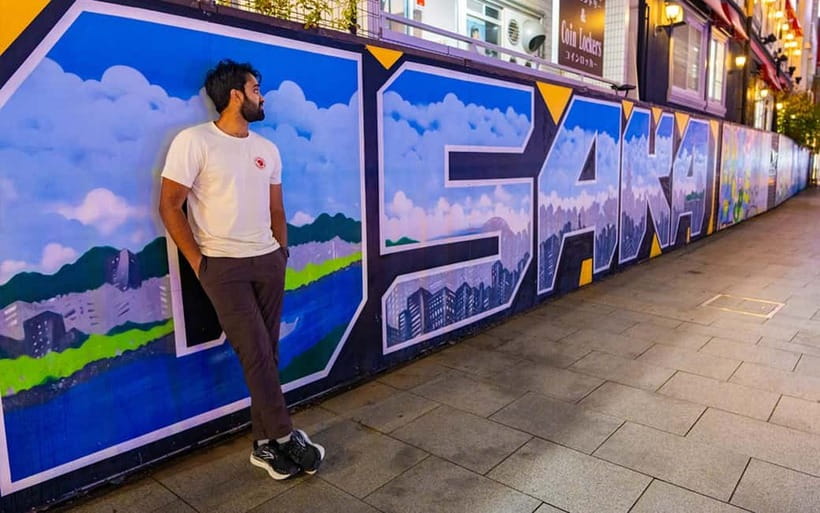
One promise this experience lives up to is adding small cozy streets hidden around the area. These are the spots you often miss because they’re not the first search results.
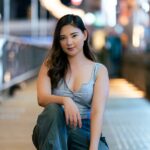
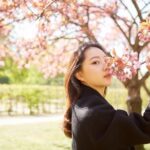
The payoff is simple: your pictures start to look more specific to your moment in Dotonbori. Instead of repeating the same landmark shots everyone gets, you get alley details, texture, and framing that feels more “you were actually walking here.”
The guides also help you interact with the space. In photos like these, direction matters. If your body language is off or your angle is wrong, you get a flat image. With guidance, you get movement and intent.
Photo Results: 40 Edited High-Res Images Plus Originals Same Day
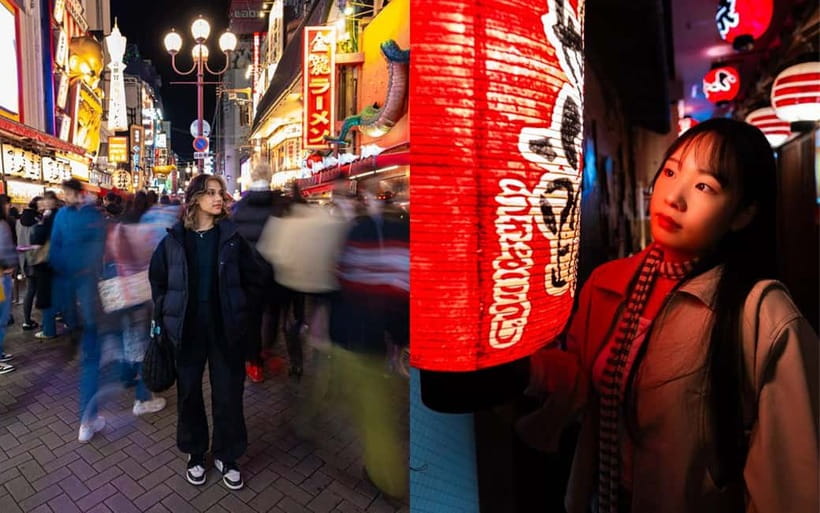
Here’s the part people care about most: what you actually get.
You receive 40 fully edited high-resolution digital photos within 24 hours. You also get all unedited digital photos on the same day, which is great if you want to pick your favorites later or you’re curious what your camera caught before edits.
That two-step approach is smart. Edited photos give you “ready to post” images fast. Originals let you go deeper if you want to crop, adjust color, or keep alternate versions.
Also, because the shoot is private, the images usually feel intentional rather than like you were just standing in front of neon. The session is built around angles and posing. Photographers like Mina and Josh (both mentioned in past experiences) are especially noted for being professional, friendly, and focused on getting the shot right.
How the Photographer Makes It Feel Easy (Even When It Rains)
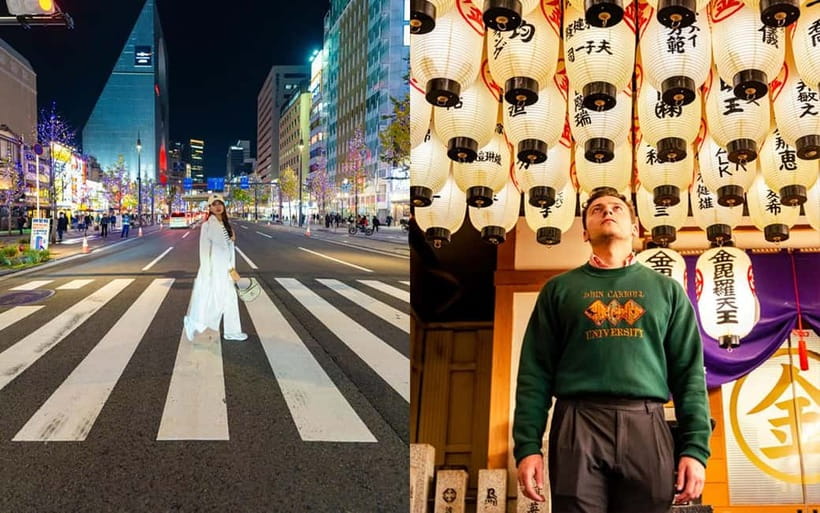
This experience shines in the human details.
In the stories people share, photographers show up on time, communicate clearly, and keep things fun. They also work at the right pace—moving you through stops, but giving you enough time to re-frame when something isn’t working.
One repeated theme: patience. If your angle needs tweaking, the photographer doesn’t brush you off. They keep guiding until you have something you like. That matters even more in bad weather, when light, reflections, and your stance all need adjustments.
So if you’re the type who freezes when a camera points at you, this is a strong pick. You’ll get direction that helps you relax and actually enjoy being photographed.
Price and Value: Is $90 Per Person Worth It?
For $90 per person, you’re paying for three things:
1) a timed, guided walk through high-impact photo locations,
2) professional photo direction during the shoot, and
3) a fast photo delivery package.
A lot of people do Osaka with apps and phones. That can be good. But it usually costs time: you stop searching, reposition constantly, and you don’t always get consistent results from one session.
Here, the session is structured. You’re not just visiting places; you’re being directed into the photo that makes each place look like Osaka at night. Add the edited files within 24 hours and the unedited files the same day, and you get a lot of value in a short time window.
One consideration: photo counts can vary by group setup. If you’re traveling with a larger party, it’s worth confirming how the edited photo allotment is handled for your group size before you book. That small question can prevent disappointment.
Who Should Book This Nighttime Photoshoot?
This is a great match if:
- you have limited time in Osaka and want a high return on your walking time,
- you want neon-and-alley photos but don’t want to plan a route yourself,
- you like the idea of getting edited results quickly,
- you’re traveling solo, as a couple, with a family, or with friends and want everyone photographed.
It might not be ideal if:
- you dislike walking for about 1.5 hours,
- you’re hoping for a long, slow “hang out and explore” day with lots of pauses,
- you’re mainly looking to buy souvenirs rather than invest in a professional photo set.
Also, the experience is wheelchair accessible, which is a big deal in older districts where sidewalks and crowding can be tricky. If you use a wheelchair, I’d still communicate your needs early so the pace and stop durations work for you.
Should You Book This Osaka Dotonbori Night Photoshoot?
I’d book it if you want Osaka photos that look like you worked for them. The guide handles the tough parts—angles, timing, and framing—so you can focus on enjoying the district.
If you’re on the fence, make your decision based on two questions:
- Do you want edited photos quickly without spending your trip time learning camera angles in the moment?
- Do you like the mix of iconic neon spots plus quieter lantern alley contrast?
As long as you walk comfortably and you’re okay with a focused 1.5-hour plan, it’s a strong use of time in Osaka. Just confirm the edited photo count logic for your group size, and you’ll be set up for a great night.
FAQ
How long is the Dotonbori nighttime photoshoot?
The session lasts about 1.5 hours. Exact starting times depend on availability.
Where does the photoshoot start?
It starts at 大阪市消防局中央消防署道頓堀出張所 (Osaka City Fire Bureau Central Fire Station Dotonbori branch).
How many photos do I receive?
You receive 40 high-resolution photos that are fully edited, delivered within 24 hours. You also get all unedited digital photos on the same day.
Are printed photos included?
No. The activity includes digital photos, not printed photos.
What locations will we visit?
You typically visit about five iconic locations in the area, with adjustments based on your preferences. Common stops include the Glico Sign, Ebisubashi Bridge, Hozenji Yokocho, America mura, and other hidden spots nearby.
Is this a private experience?
Yes, it’s a private group experience.
What languages are available?
The live guide/photographer is available in English, Arabic, Japanese, and Spanish.
Is the route wheelchair accessible?
Yes, the experience is listed as wheelchair accessible.
What is the cancellation policy?
Free cancellation is available up to 24 hours in advance for a full refund.