
REVIEW · NAPLES
Mangrove Tunnels Kayak Tour (Photographer Included)- Marco Island
Book on Viator →Operated by Up a Creek Kayak Tours · Bookable on Viator
Mangrove tunnels feel like a secret water road. This Marco Island kayak tour from Naples pairs a naturalist-guided paddle with free photos the same day, so you get both the views and the keepsakes. I also like the hands-on small-group feel, where the guide can actually keep an eye on everyone in the tight mangrove sections. One thing to plan for: the tour does require real upper-body paddling, and the water can spray a bit—bring a spare set of dry clothes.
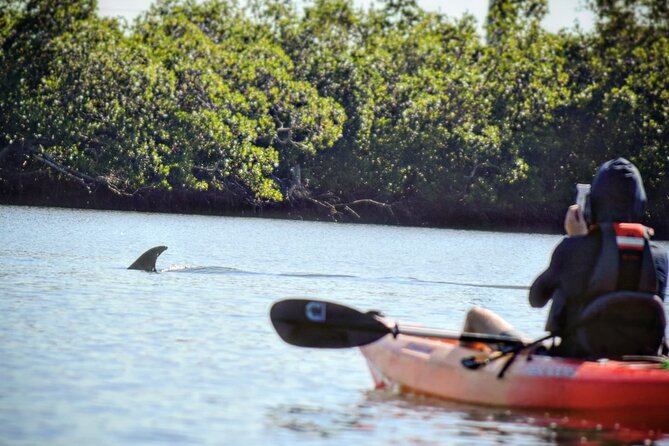
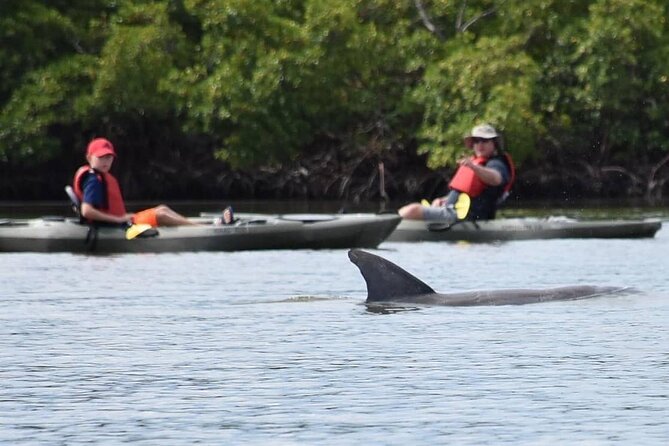
On the water, you’re not just chasing postcards. You’ll glide through mangrove tunnels, get tips on wildlife (dolphins, manatees, birds, crabs, conch shells), and learn how this area works—and why paddling matters in shallow waters. The paddle-only setup also means you can go where larger boats or pedal kayaks can’t.
If you’re going with kids or you’re picky about comfort, read the kayak rules closely. You’ll mostly ride a single-seater if you’re age 12+, and tandem options are limited. And while the guides steer the experience, it’s not a “sit back and float” trip.
In This Review
- Key things I’d put on your shortlist
- Why these Naples mangrove tunnels work so well
- What the 1 hour 50 minutes feels like in real time
- Entering the mangrove tunnels: tight turns and real paddling
- Wildlife spotting odds: what you’re most likely to see
- Chandler’s dad jokes and the photo drop that saves your phone
- Single-seater vs tandem kayaks: choose based on age and comfort
- Price and value: why $59 feels fair here
- Meeting point and practical tips to avoid a soggy day
- Weather and timing: when conditions matter
- Should you book? My take
- FAQ
- How long is the Mangrove Tunnels Kayak Tour?
- How much does it cost?
- What kind of kayak do I get?
- Are pedal kayaks available?
- Are photos included?
- What about parking fees?
- What wildlife might we see, and are there alligators?
- What fitness or health limitations should I consider?
Key things I’d put on your shortlist
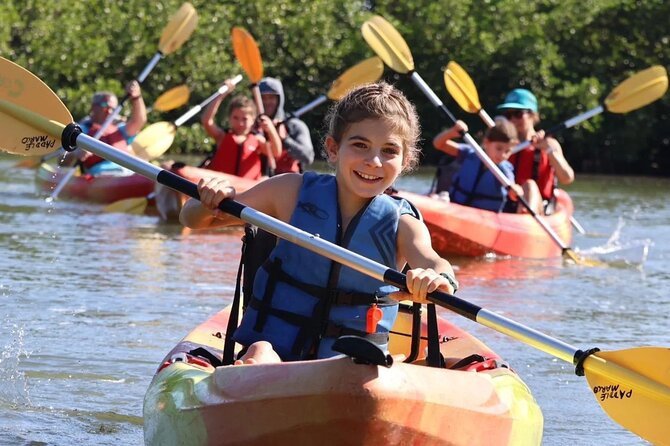
- Small-group attention: You’re not herded through; the guide can coach you in real time in the mangroves.
- Free same-day photos: The guide takes pictures and shares them the day of the tour.
- Paddle-only access to shallow tunnels: No pedal kayaks here, so you can reach the shallow mangrove entrances.
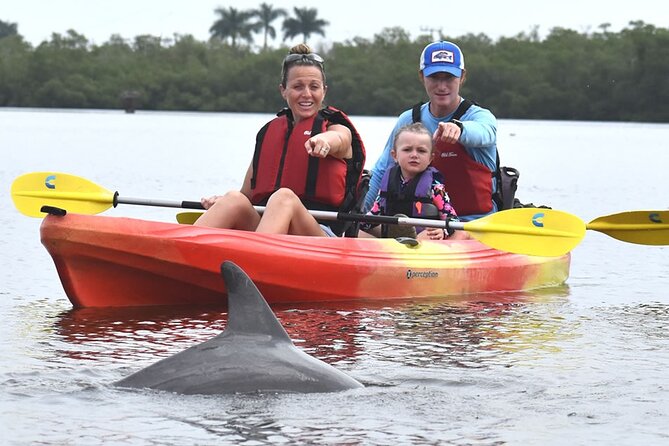
- Wildlife spotting focus: Expect guidance on what to look for—birds, crabs, conch shells, and even the chance of dolphins or manatees.
- No alligator promise: The tour specifically reassures you there are no alligators in this outing.
- Wet-fun gear mindset: You’ll want to plan for splash and drying—dry bags are available.
Why these Naples mangrove tunnels work so well
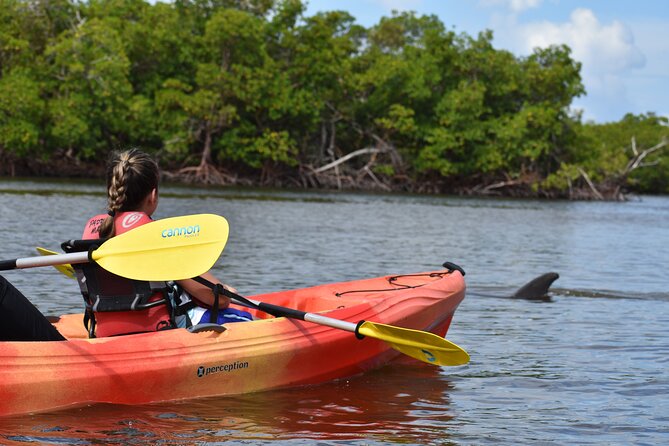
The mangrove tunnels around Marco Island are a special kind of Florida water experience. You get that “roof” of roots and branches overhead, plus narrow passages that make you slow down and pay attention. And the longer you paddle, the more you notice small details: changes in water texture, reflections, and the spots where wildlife tends to pause.
A big part of the value here is that you’re not touring blindly. Your guide explains what you’re seeing as you go—what makes mangroves important, what signals you’re near feeding areas, and how wildlife uses the sheltered water. That turns the outing from a photo stop into something you’ll remember.
You can also read our reviews of more tours and experiences in Naples.

What the 1 hour 50 minutes feels like in real time
The outing runs about 1 hour 50 minutes end-to-end, starting at 1295 Capri Blvd in Naples and returning back to that meeting point. You’ll spend time getting outfitted and briefed, then you’ll launch and paddle through mangrove sections with a few stops along the way.
About a quarter-mile into the paddle, the tour typically shifts into a rhythm: listen, look, paddle, then pause for photos and facts. You’re not stuck in one place either. The route includes several mangrove tunnel entries, plus time on nearby open water sections where you can reset your shoulders and get a different view angle.
When you head back, it can be against current. That’s not a deal-breaker, but it does mean you’ll work a bit harder on the return leg. On calmer days, it still feels like steady effort rather than a casual float.
Entering the mangrove tunnels: tight turns and real paddling
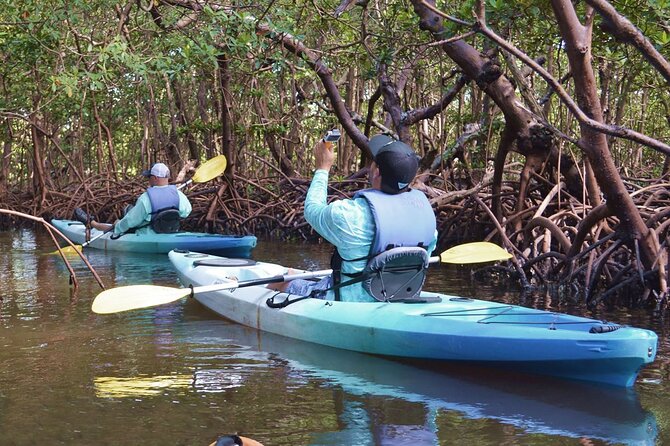
This is a paddle tour, not a passive cruise. Even in a group, you’ll steer through tight passages, and you’ll need to keep your kayak positioned to avoid crowding other paddlers. One review summed it up as challenging at times due to currents and narrow areas—still fun, but not effortless.
Here’s the practical takeaway: wear shoes you don’t mind getting wet and keep your grip relaxed. If you have hand, shoulder, arm, or back injuries, this tour may not be a good fit. The company specifically notes it’s not recommended for paddlers over 300 lbs, and you should have moderate physical fitness.
Also, a small caution that matters: mangrove routes are shallow. That’s why the tour uses paddle kayaks and not pedal kayaks. The upside is access to the real tunnel sections. The tradeoff is you’re driving the kayak the whole time.
Wildlife spotting odds: what you’re most likely to see
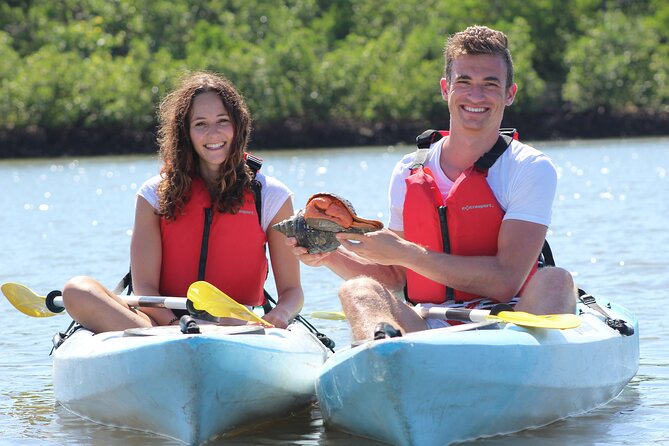
I like this tour because the guide’s wildlife focus feels grounded and practical. You’re not just told to look for something magical—you’re taught what to scan for.
Based on the info provided and what people experienced, your wildlife checklist can include:
- Dolphins and manatees (sightings are possible)
- Birds such as spoonbills, osprey, and great blue herons
- Crabs, including warnings about spider-like crabs in the area
- Conch shells and other small coastal details
One thing I’d watch for while you paddle: bird activity often follows how the water moves. In the narrow mangrove sections, sightings can slow down—then pick up again around calmer pockets or along edges.
And yes, there’s a fun historical element mixed in with the ecology. One guest recalled lingering near a sandbank where a ski-doo had been swallowed years ago, then spotting a conch up close to help the group understand what they were seeing. That’s the kind of detail that makes photos feel like proof of a real moment, not just scenery.
Chandler’s dad jokes and the photo drop that saves your phone
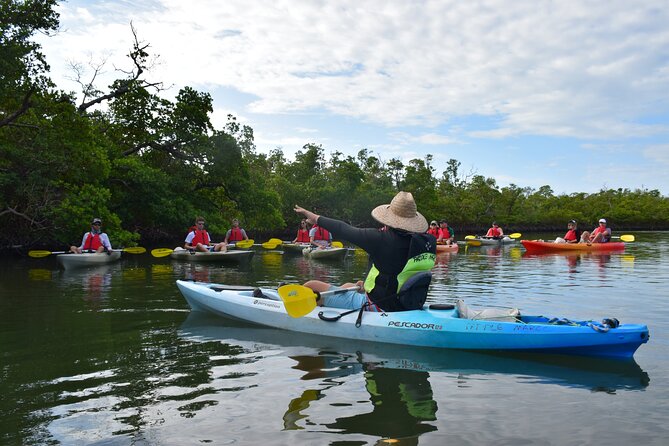
Your guide’s personality is a big part of why this tour lands as a favorite. The name Chandler shows up in multiple experiences, and he’s described as both funny and informative—dad jokes included, plus wildlife tips and history along the way.
The best practical feature for most people: the tour guide handles the photos. You paddle, you look around, and the guide takes pictures for you to share later. You’ll get free photos on the same day, which is perfect when you want the memories right away instead of waiting.
Plan for one more reality check: you’ll get wet. The company provides dry bags for your essentials, and multiple guests mentioned using them for keys, phones, and wallets. Bring less loose stuff than you think you need, and set your phone up to survive a splash.
There’s also a group photo rhythm—so expect moments where you stop, get arranged, and then reposition for the next tunnel section. It’s a little awkward at first, but it’s also one of the easiest ways to capture the whole group paddling together.
Single-seater vs tandem kayaks: choose based on age and comfort
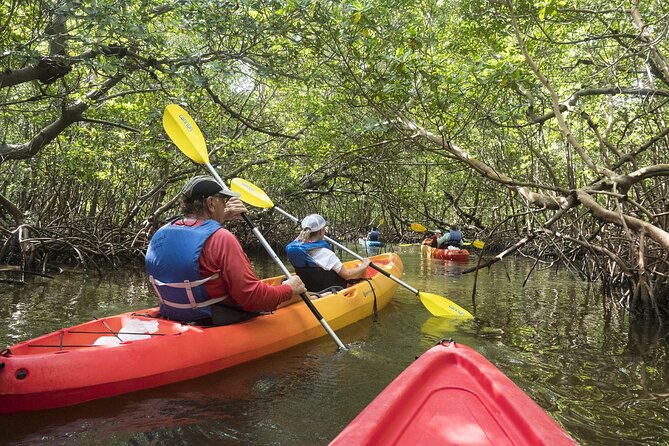
You’ll generally get a single-seater kayak if you’re age 12+. Tandem kayaks exist too, but the rules are tighter than you might expect.
Key points to know:
- Tandems are for an adult with a child under 12.
- Limited tandems are available, so don’t assume there’s always space.
- Two adults can’t ride tandem unless an extra tandem is available.
If you’re traveling as a family, this setup makes sense: kids under 12 get stability with an adult. If you’re an adult couple who wants to sit together, you’ll want to confirm availability early—because the default arrangement is single seats.
One more practical note: there are no pedal kayaks. If you were hoping to reduce effort with foot propulsion, this tour is still a paddle workout. The upside is that paddle kayaks can go into shallower mangrove tunnel sections.
Price and value: why $59 feels fair here
At $59 per person for about 1 hour 50 minutes, this is priced like an activity you can afford while still feeling like a real guided outing. The best value isn’t just the kayak—it’s what’s included with it.
What you get that helps justify the cost:
- A naturalist-led paddle through mangrove tunnels
- A small-group experience with more direct attention
- Free photos from your tour guide on the same day
- Kayak use (single-seater for age 12+, tandem when qualifying)
What costs extra:
- Parking is $10, paid when you arrive at the park
- Water and sunscreen aren’t included
So what does that mean for your budget? You should treat $59 as the base activity cost, then add parking plus whatever you bring for sun and hydration. Pack smart and you’ll feel like you got a guided experience without a big price tag.
Also, it’s booked about 14 days in advance on average, so if you’re going during peak times, plan ahead.
Meeting point and practical tips to avoid a soggy day
This tour starts and ends at 1295 Capri Blvd, Naples, FL 34113. You’ll meet there, get set up, and then launch from the area near the meeting point.
A few small but high-impact tips:
- Bring an extra set of clothes and a dry bag or zip pouch if you have one.
- Pack water and sunscreen since they’re not provided.
- Use the provided dry bags for phones, keys, and wallets.
- If you’re sensitive to sun or wind, wear light layers you can rinse later.
Service animals are allowed, and the tour is offered in English. There’s also mention of mobile tickets, which usually makes check-in smoother.
Weather and timing: when conditions matter
This experience requires good weather. If conditions aren’t right, you’ll be offered a different date or a full refund. That’s good news if you’re flexible, because mangrove paddling is very weather-dependent.
As for timing, plan for about 2 hours on the clock once you include the full flow of launching, paddling, stops, and returning. It’s short enough to fit into a Naples/Marco Island day, but long enough that you’ll feel the paddle effort.
Should you book? My take
If you want a Marco Island experience that goes beyond beaches, this is a strong option. The combo of tunnel paddling, naturalist guidance, and same-day free photos makes it feel like a complete outing rather than a basic rental.
I think this is especially worth it if:
- You like guided nature experiences with wildlife spotting focus
- You want help spotting what matters in mangroves
- You’d like photos without risking your phone in the water
- You’re traveling with a child under 12 and want the tandem option
I’d skip it if:
- You have significant injuries to hands, shoulders, arms, or back
- You don’t want a paddling workout (especially on the return against current)
- You need tandem for two adults and can’t rely on extra availability
- You’re hoping for pedal power instead of paddling
Book it if you want a peaceful, hands-on paddle day where the guide keeps things moving, keeps you informed, and sends you home with photos.
FAQ
How long is the Mangrove Tunnels Kayak Tour?
It runs about 1 hour 50 minutes.
How much does it cost?
The price is $59 per person.
What kind of kayak do I get?
If you’re age 12+, you use a single-seater kayak. Tandem kayaks are available for an adult with a child under age 12.
Are pedal kayaks available?
No. The tour does not offer pedal kayaks, and pedal kayaks can’t go into shallow mangrove tunnels.
Are photos included?
Yes. The tour guide takes photos and you receive free photos from the tour on the same day.
What about parking fees?
Parking is $10 and is paid when you arrive at the park. It’s not included in the tour price.
What wildlife might we see, and are there alligators?
You may see dolphins, manatees, birds, crabs, and conch shells. The tour specifically notes there are no alligators.
What fitness or health limitations should I consider?
You should have moderate physical fitness. It’s not recommended for paddlers over 300 lbs, or if you have injuries to your hands, shoulders, arms, or back.