
REVIEW · PAGE
Antelope Canyon X Ticket with Upgrade Option to Photo Tour
Book on Viator →Operated by TakeYourTrip · Bookable on Viator
Slot canyon light without the long lines. Antelope Canyon X is a shorter, guided walk in a lesser-visited section near Page, and it’s built for photo timing with fewer people around. I especially like the way the tour mixes real canyon time with just enough structure to keep you from rushing.
Two things I really value here: first, the Navajo-guided route that takes you to distinct parts of Canyon X (not just one quick look), and second, the optional photo tour upgrade where your guide steers you toward the best light. One consideration: the overall visit is paced, so if you want a slow, linger-in-every-corner kind of walk, this may feel a bit fast.
In This Review
- Key things to know before you go
- Antelope Canyon X near Page: why the formation feels special
- The guided walk: what you’ll actually do on-site
- Navajo guide-led explanations: the value beyond the photos
- Photo tour upgrade: how you get better angles with a tripod
- Meeting point and on-site logistics: MP 308 and arriving early
- What to bring (and what gets left out)
- Price and value: is $100 fair for Canyon X?
- Who should book this Antelope Canyon X ticket
- Should you book it with the photo upgrade?
- FAQ
- Is hotel pickup included in the Antelope Canyon X ticket?
- What will I see inside Antelope Canyon X?
- How strenuous is Antelope Canyon X?
- How much walking is involved?
- Are there restrooms at the canyon?
- Are tripods allowed?
Key things to know before you go
- Canyon X is a different experience than the more famous Upper/Lower slot canyons, with a route that focuses on two walk-in sections.
- You’ll get less crowd pressure because the group size caps at 15.
- Light and shadow matter here, and the guide can help you time shots when sun hits the canyon walls.
- Photo tour rules are specific: no tripods on the standard tour, but tripod + one camera bag are allowed for the photo option.
- Plan for no bathroom inside the canyon, so use facilities at the meeting area before you start.
Antelope Canyon X near Page: why the formation feels special
Antelope Canyon X is named for the rock shapes—those sharp X-like patterns cut into Navajo sandstone. The big story behind the canyon is flooding and wind over millions of years, leaving behind a dry river course that’s carved and sculpted year-round. That history is why the canyon walls look so finely “etched,” and why the light creates strong contrast when you’re standing in the right spot.
This is also one of the reasons Canyon X feels more “workable” for photographers (and for regular sightseers). You’re walking into tight, slit-like areas where the canyon geometry controls the light. When sun hits two deeper valleys, you can get those quiet light-and-shadow scenes that make slot canyons look otherworldly—without needing a long hike or a full day commitment.
And because this is a Navajo guided experience on-site, you’re not just receiving facts from a speaker system. You’re moving through the canyon with someone who can point out what to watch for while you’re actually there—what to look at first, what changes as you move, and where the best angles usually show up.
You can also read our reviews of more tours and experiences in Page.
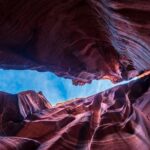
The guided walk: what you’ll actually do on-site
Your canyon time follows a simple rhythm: a short drive to the entrance area, then two short walk sections inside. First, you hike about 100 meters into the initial slit-type area. Then you continue roughly 200 meters to reach the second section.
That distance isn’t intimidating on paper, but the canyon terrain is real. Expect uneven sand and rock textures underfoot, plus some moderate stairs during the guided process. If you’re comfortable with controlled steps and steady walking, you’ll likely do fine. If you hate being on a schedule, though, remember: this isn’t a long “wander until you feel like it” canyon.
What makes the walk worthwhile is the way the two sections give you different visual textures. The first area often feels tighter and more “hidden,” with the canyon edges and seams creating mystery-like shapes. The second section opens to wider views overhead—so you can see how the canyon’s cuts and curves create that illusion of depth.
You’ll also have time for photos, and the guide’s coaching matters here. In tight canyons, it’s easy to aim your camera in the wrong direction and miss the angle where the light forms clean lines.
Navajo guide-led explanations: the value beyond the photos
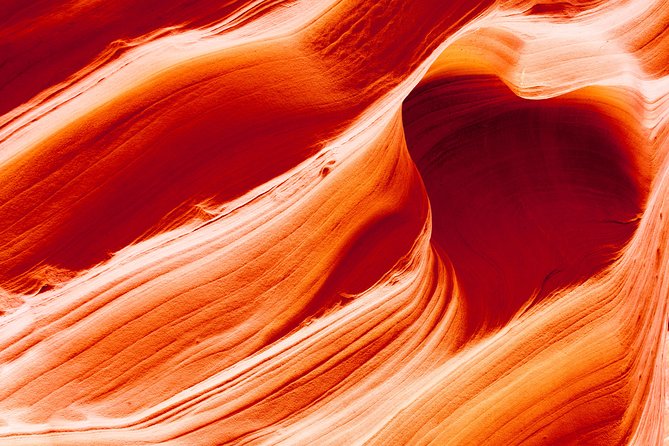
The best part of this experience is how the guide turns a quick walk into something you can understand while you’re seeing it. Guides cover how the canyon was formed, and they’ll point out the different rock features you’re encountering as you move. Some guides also share practical storytelling about the land and the naming of canyon features, which helps the whole walk make more sense instead of being just pretty scenery.
Names you might get include Mike, Orvis, Jason, Bamby, Van, Brandon, and Malea—and the common thread across these different guide styles is that they work with your pace and your attention. In several accounts, guides were described as thoughtful and accommodating, including helping people get good shots even on phones (not just cameras).
If your priority is photography, this guidance becomes more than “interesting facts.” It’s a real advantage. Light in slot canyons shifts as you reposition your body, and guides know the usual sightlines where good beams and shadow bands tend to land. Even if you’re not chasing Instagram perfection, that coaching helps you avoid the classic mistake: taking 30 pictures from a spot that doesn’t show the canyon the way you saw it in your head.
Photo tour upgrade: how you get better angles with a tripod
If you’re serious about photos—or even just want more keepers—you’ll feel the difference with the photo tour upgrade. The idea is simple: your guide doesn’t just lead you through; they help you find the best photo points and manage the timing while the light cooperates.
Rules matter. On the standard walk, tripods/monopods are not allowed. On the photo tour option, a tripod and one camera bag are allowed. So if you’re bringing gear, check your packing now rather than at the door—because the canyon environment doesn’t support extra clutter, and the group has to move efficiently.
Guides also make a difference in “how to shoot” terms. In accounts from solo photographers and couples, the consistent praise is about help with spot selection and giving enough time to shoot on your own. That balance is important: you don’t want a tour where the guide bullies you along, and you don’t want one where you’re left guessing. The best moments happen when you’re guided into position, then given time to frame and experiment.
One practical thought: if your goal is those iconic canyon-light looks, you’ll be grateful for a guide who can help you stand where the canyon lines up for the effect. And if you’re not chasing long exposure magic, you’ll still benefit from getting coached toward angles that minimize washed-out shadows and harsh highlights.
Meeting point and on-site logistics: MP 308 and arriving early
Your meeting point is Antelope Canyon X by Taadidiin Tours, MP 308, AZ-98, Page, AZ 86040. The tour ends back at the same place. No hotel pickup is included, so you’ll drive yourself and park near the check-in area before boarding the short vehicle ride to the entrance.
One “gotcha” is time zones. This area sits near Utah, and cellphone time can glitch to the wrong zone. The easiest fix is to manually set your phone to PHOENIX, AZ time. It’s a small step that can save you from stress on arrival day.
Also, the tour expects punctuality. You need to arrive at least 20 minutes early. If you’re late, the ticket can be voided and it isn’t refundable. So build in buffer for parking, dust, and the simple fact that finding the right spot on Highway 98 is harder than it should be.
On-site, expect a quick transition: check in, then a short drive to the canyon mouth, then your guided walk. Since there are no restrooms at the canyon, that “before you go in” window at the meeting area is your real bathroom time.
What to bring (and what gets left out)
Slot canyons are tough on gear and easy to mess up if you overpack. Here’s what matters most:
Bring:
- ID for check-in
- A small bag you can keep under control (bags are not allowed on tour, but medical bags may be allowed with proof of need)
- A hat and sunscreen, plus layers (the canyon is cooler than it looks from the outside)
- Closed-toe shoes with grip for sand and stairs
- Your camera and any allowed gear (photo tour upgrade changes what’s permitted)
Know before you go:
- Masks are required on the Navajo Nation, so bring one that you’re comfortable wearing.
- There are no restrooms at the canyon, so use facilities before and after.
- No tripods/monopods on the standard tour; tripod + one camera bag on the photo option.
One small comfort tip: if you’re bringing a phone-only camera, you’ll still benefit from a guide who can help you get framed shots quickly. Several guides in these accounts were praised for taking photos on iPhones too, which is great if you want a couple of real memories without wrestling with the “who’s holding the camera?” problem.
Price and value: is $100 fair for Canyon X?
At $100 per person, this ticket pricing makes sense if you care about two things: time-efficient access and guided photography help. The price includes admission to Canyon X plus a Navajo permit fee of $8 per person, and you’re getting an on-the-ground guide experience—not just a self-guided walk.
What’s not included is where you should do a quick mental check. Gratuities are listed separately, and there’s also a tour guide service fee you pay in cash on arrival. For the standard option it’s $2 per person, and for the photo tour it’s $10 per person. The photo upgrade is where the extra money usually goes toward more coaching and better timing for shots.
So is it worth it? In practical terms:
- If you want the canyon experience with solid guidance and you’re okay shooting mostly with handheld cameras, the standard ticket is a good way to hit a slot canyon without committing to a huge half-day.
- If you want better results from your camera (or phone), the photo upgrade usually pays off because it targets the spots and timing that give you the iconic angles.
Also consider crowd dynamics. The group size max is 15 travelers, and the emphasis is on “lesser-known sections” with fewer crowds. That alone can be worth real money, because in tight canyons, crowding kills composition and patience.
Who should book this Antelope Canyon X ticket
This tour is a great fit if you want:
- A short slot canyon visit that doesn’t eat your whole day
- A Navajo guide-led walk with enough context to feel grounded in what you’re seeing
- A calmer experience than the most crowded canyon lines
- Photo-friendly coaching, especially if you choose the photo upgrade
It’s less ideal if you want a slow, take-your-time hike with lots of standing around. Multiple experiences describe a brisk pace, which is great for efficiency but not for travelers who want to linger in one perfect frame for 45 minutes.
If you’re traveling as a couple, this is also an easy win: the guided setup means you spend more time looking at the canyon and less time figuring out where to stand. Solo travelers often like it too, because you still get guided positioning plus time to shoot on your own once you’re in the right spot.
Should you book it with the photo upgrade?
Book the standard Canyon X ticket if you want a solid slot canyon experience near Page, with a shorter walk and guided help, and you’re okay with handheld photos.
Upgrade to the photo tour if you care about getting more keepers. The best sign is simple: if you’ve ever felt like you were “in the right place” but your photos didn’t match what you saw with your eyes, the photo option is made for that problem. The guide-led spot selection and timing can make a noticeable difference, especially in narrow areas where light beams and shadow lines depend on exact positioning.
My final advice: decide based on your gear and your patience. If you’re bringing a camera/tripod, the upgrade aligns with what you’re allowed to do. If you don’t want to manage gear rules, the standard ticket is still a strong way to see Canyon X without turning it into a technical project.
FAQ
Is hotel pickup included in the Antelope Canyon X ticket?
No. You’ll need to make your own way to the departure point at Antelope Canyon X by Taadidiin Tours, MP 308 on AZ-98 near Page.
What will I see inside Antelope Canyon X?
You’ll explore Navajo sandstone slot sections shaped into X formations. Your guide will take you through two canyon areas with views that can include light effects when the sun hits.
How strenuous is Antelope Canyon X?
The terrain involves climbing moderate stairs with minimal assistance. You should have a moderate fitness level for the walk.
How much walking is involved?
You’ll take a short vehicle ride to the entrance area, then hike about 100 meters into the first section. After that, you’ll walk about 200 meters to the second section.
Are there restrooms at the canyon?
No. There are no restrooms at the canyon itself, so use the restroom at the meeting location before and after.
Are tripods allowed?
Tripods and monopods are not allowed on the standard tour. For the photo tour option, a tripod and one camera bag are allowed.