REVIEW · LUCERNE
Lucerne: Photography Walking Tour
Book on GetYourGuide →Operated by Passenger Diaries Swiss Travel Tours · Bookable on GetYourGuide
Lucerne is pretty, but learning to see it makes it better. This walking tour helps you photograph Chapel Bridge and the Swiss Alps views with a professional photographer guide. You’ll also get practical ideas for capturing Old Town details, frescoed streets, and iconic monuments without needing any previous skills.
I especially like that it’s built for real cameras and real people—smartphones count, and the tips are designed for amateurs and serious photographers. The small group size makes it easier to ask questions and get hands-on guidance. One consideration: it’s about a moderate amount of walking, so comfortable shoes are a must.
In This Review
- Key reasons to book this Lucerne photography walking tour
- Lucerne by Camera: the smart way to get better fast
- Starting at Torbogen Luzern: get your bearings in the first minutes
- Chapel Bridge photo stop: making a crowded classic look intentional
- Lake Lucerne: using water and mountain backgrounds effectively
- Lion Monument: turning emotion into a composed photograph
- Musegg Wall and Old Town frescoes: finding “quiet” angles in busy areas
- The KKL Jean Nouvel contrast: modern architecture for more variety
- Castle lift and alpine viewpoints: when “bigger sky” becomes your best photo
- Spreuer Bridge: a photo stop where details matter
- Reuss River: softer light, calmer compositions, and easier practice
- Photography tips that actually work for phones and serious cameras
- What the “small group” format changes for you
- Price and value: is $146 worth it?
- Who this tour is best for (and who it might not be)
- Should you book this Lucerne Photography Walking Tour?
- FAQ
- FAQ
- Where do I meet for the Lucerne photography walking tour?
- How long is the tour?
- What size is the group?
- Do I need prior photography experience?
- Is the lift to Lucerne Castle included?
- What languages is the guide available in?
- What should I bring?
Key reasons to book this Lucerne photography walking tour
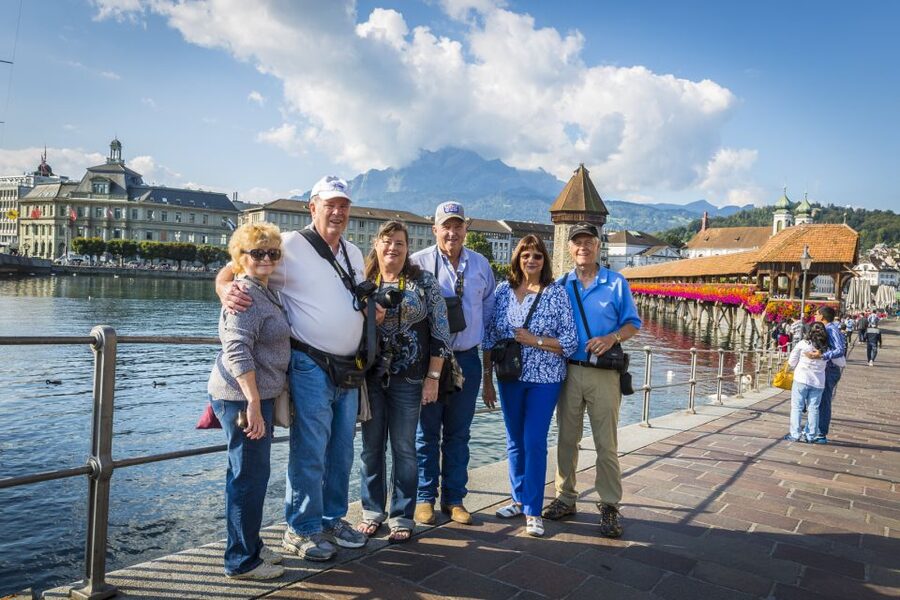
- Pro photographer guidance that helps you improve fast, even if you’re starting from a point-and-shoot or a phone
- Iconic Lucerne in one loop: Chapel Bridge, Lion Monument, Musegg Wall, Spreuer Bridge, and riverside viewpoints
- Castle lift included for elevated angles over town and the mountains
- Old Town photo moments including frescoes in the traffic-free core
- Small group format (limited to a handful of people) so you get attention, not a lecture
Lucerne by Camera: the smart way to get better fast
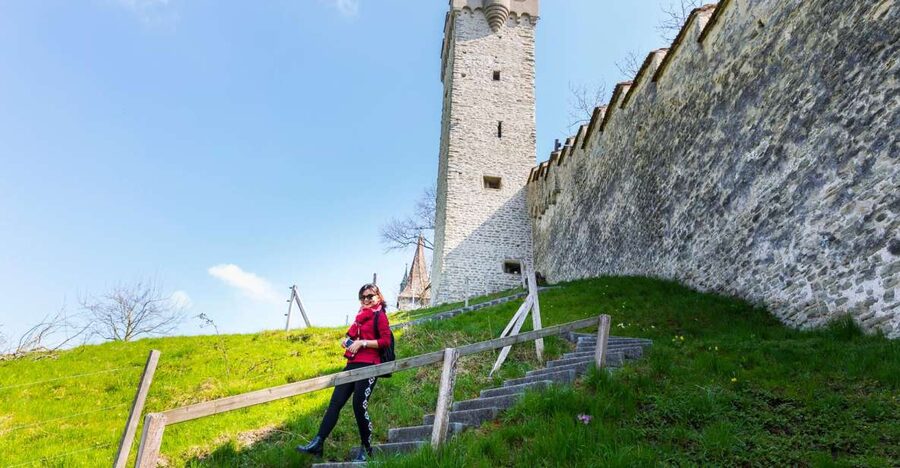
Lucerne is the kind of place where the postcards are easy—until you try to recreate them on your own. What makes this tour worthwhile is that you’re not just sightseeing; you’re learning how to compose, frame, and work with light as you move through the city center.
This is a 2-hour, small-group walking route paced for photo stops. You’ll spend time at the major sights, but the focus stays on how to photograph what you’re seeing, from bridges and monuments to riverside scenes and wider alpine views.
Also, the guide approach is personal. Based on guide feedback from prior participants, the professional photographer guide is not only skilled but genuinely helpful and kind—exactly what you want when you’re trying to troubleshoot settings on the spot.
You can also read our reviews of more tours and experiences in Lucerne.

Starting at Torbogen Luzern: get your bearings in the first minutes
You meet at the monumental arch of Torbogen Luzern, in front of the main entrance to Lucerne Train Station. It’s a great choice because it’s central and easy to orient yourself: you start right in the middle of the photo-friendly zone.
From the start, you’ll be thinking about your camera the right way. Instead of waiting until you arrive at the next landmark, you’ll get into the habit of looking for strong angles, clean lines, and the kind of background you want behind your subject. That pays off throughout the walk.
Bring whatever camera you plan to use—smartphone included. The tour is designed so you won’t feel stuck if you arrive with basic gear.
Chapel Bridge photo stop: making a crowded classic look intentional
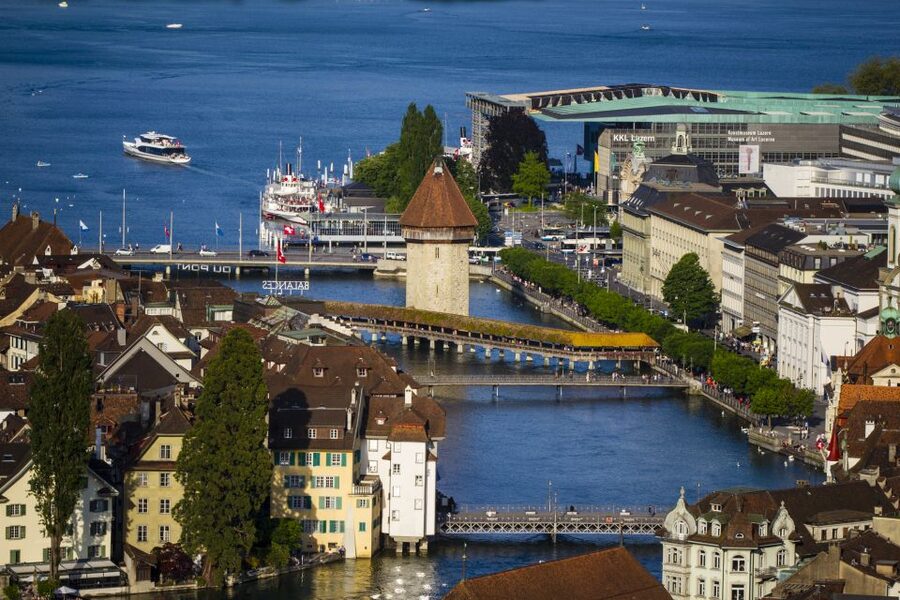
Chapel Bridge is one of Lucerne’s signature scenes, and it’s also a test of composition. From certain angles, you can end up with distracting background buildings or messy edges that make your shot feel busy.
On this stop, you’ll have time for a photo session plus sightseeing and a guided walkthrough. Expect the kind of advice that helps you turn a famous postcard view into a picture that still feels like your own work—things like choosing a viewpoint, managing lines, and timing your shot so the water and bridge elements read cleanly.
A practical plus: the stop includes time to visit the area, not only take quick pictures. That means you can slow down enough to notice details and try more than one approach.
Lake Lucerne: using water and mountain backgrounds effectively
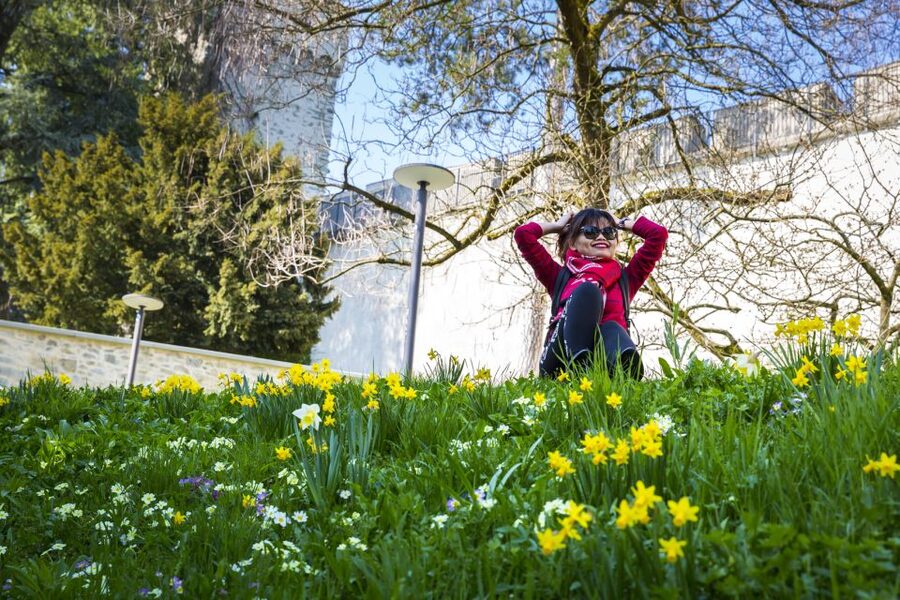
Next up is Lake Lucerne, a photo moment that’s all about layering. Even when the mountains are prominent, you still need a foreground and a clear way to separate your subject from the background.
This stop includes a guided segment and time for photography. You’ll learn how to frame the water so it looks like more than just a flat reflection, and how to balance wide alpine context with a readable focal point.
If you’re using a smartphone, this part is especially useful. Water scenes often trick phones into overexposure or washed-out contrast. The guide’s tips are meant to help you adjust so the scene keeps detail, not just brightness.
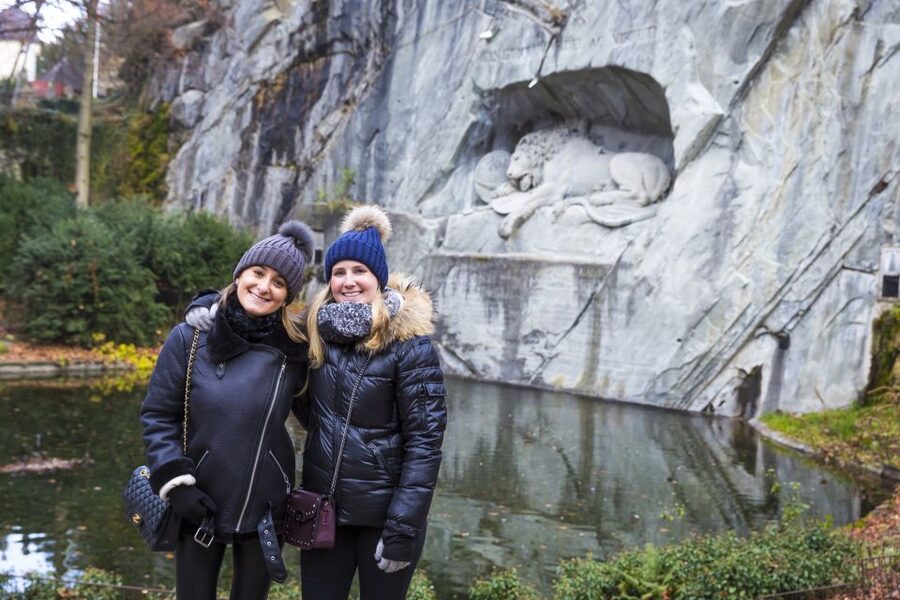
Lion Monument: turning emotion into a composed photograph
The Lion Monument is moving, but it can also be challenging to photograph. You often have a fixed spot, people nearby, and a monument that demands respect—so you want a shot that feels clear and intentional rather than rushed.
This stop mixes photo time, guided viewing, and sightseeing. The benefit here is that you’re not left alone to guess your best angle. You’ll get ideas for how to approach the monument so the composition supports the subject, not the crowd.
A good strategy for this kind of place is to take a few wider shots first to establish location, then move in for detail. The tour structure gives you time to do exactly that without feeling like you’re running behind.
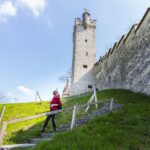
Musegg Wall and Old Town frescoes: finding “quiet” angles in busy areas
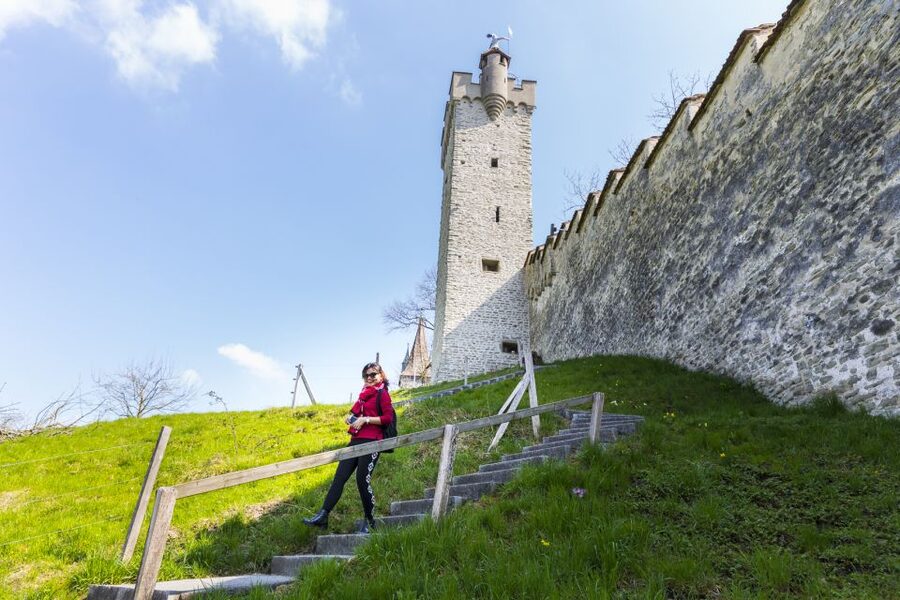
The Musegg Wall stop lasts longer, with photo time, visits, guided tips, and sightseeing. It’s one of those places where the architecture offers lots of repeating patterns and texture, which is great for photography learning because you can test different framing ideas quickly.
This is also where the tour’s Old Town component becomes especially valuable. You’ll discover frescoes in the traffic-free Old Town, along with other architectural and street-level visual cues that make Lucerne feel lived-in rather than staged.
Practical idea: frescoes and wall details reward close focus and strong composition. Even if you’re using a phone, you can aim for crisp detail by keeping your framing simple—one wall section, one color story, one subject.
The KKL Jean Nouvel contrast: modern architecture for more variety
As you move through the city’s sights, you’ll also see the Culture and Convention Center (KKL) by the French architect Jean Nouvel. This matters for your photos because it gives you a modern architectural contrast next to older Lucerne scenes.
When you only shoot one type of building all day, your set of images can feel repetitive. The KKL stop helps you balance your portfolio: bridges and monuments on one side, clean modern lines on the other.
Castle lift and alpine viewpoints: when “bigger sky” becomes your best photo
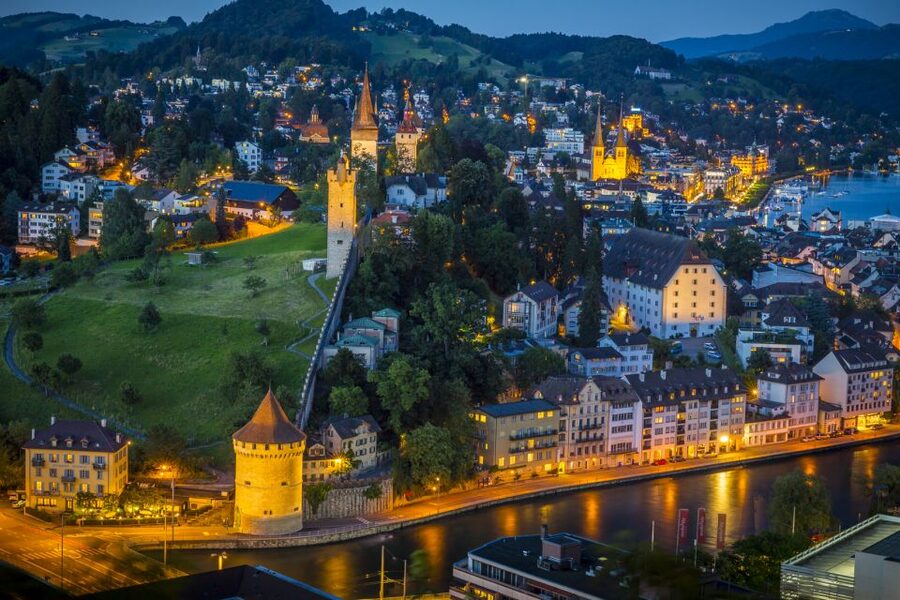
Lucerne’s rooftops and lake views are nice at street level. But the tour includes a ticket for the lift to Lucerne Castle, and that changes your results.
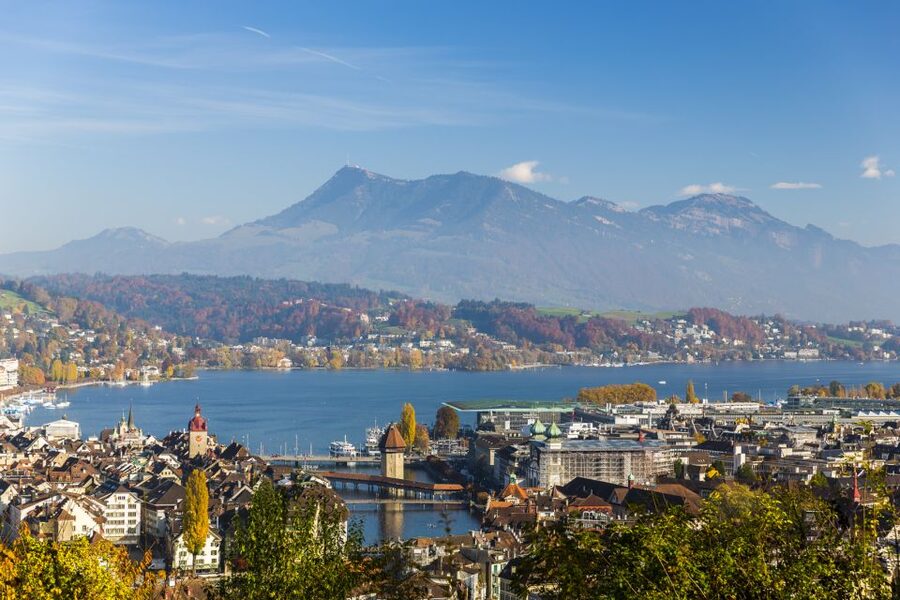
Elevated viewpoints give you natural framing tools: clear sightlines, layered backgrounds, and the kind of wide context that’s hard to recreate from the ground. This is where the “secret view points” idea becomes real—your camera captures not just the city, but the way the Alps sit behind it.
Even if you don’t think you’ll get a dramatic mountain shot, the castle viewpoint is still useful. You’ll get a chance to practice landscape-style composition (without forcing it) by choosing a horizon, deciding what stays in frame, and controlling brightness between sky and buildings.
Spreuer Bridge: a photo stop where details matter
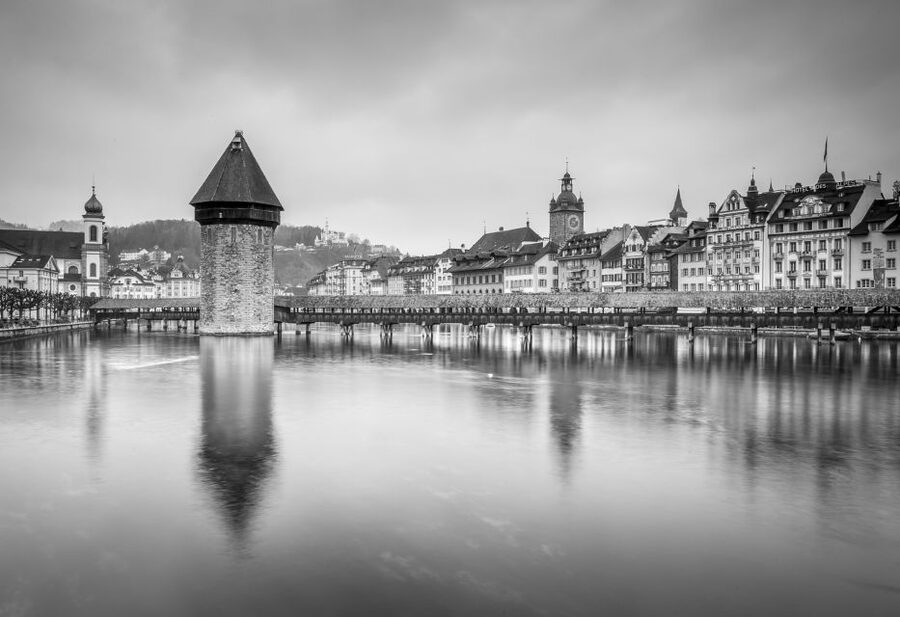
Spreuer Bridge is another classic, and like many bridge scenes, it rewards patience. From different angles, you can change the emphasis: the bridge itself, the water, or the way the sides guide your eye.
On this stop, you’ll have time to photograph, visit, and get guided sightseeing. The main value is learning how to shoot a bridge so it doesn’t look like a single flat span. You’ll work on framing so the lines lead somewhere and the background doesn’t steal your attention.
If you want a set of photos you can actually use later, take a few versions here: one closer and detail-focused, one that includes a bit more of the surrounding context, and one that leans on the reflections if conditions allow.
Reuss River: softer light, calmer compositions, and easier practice
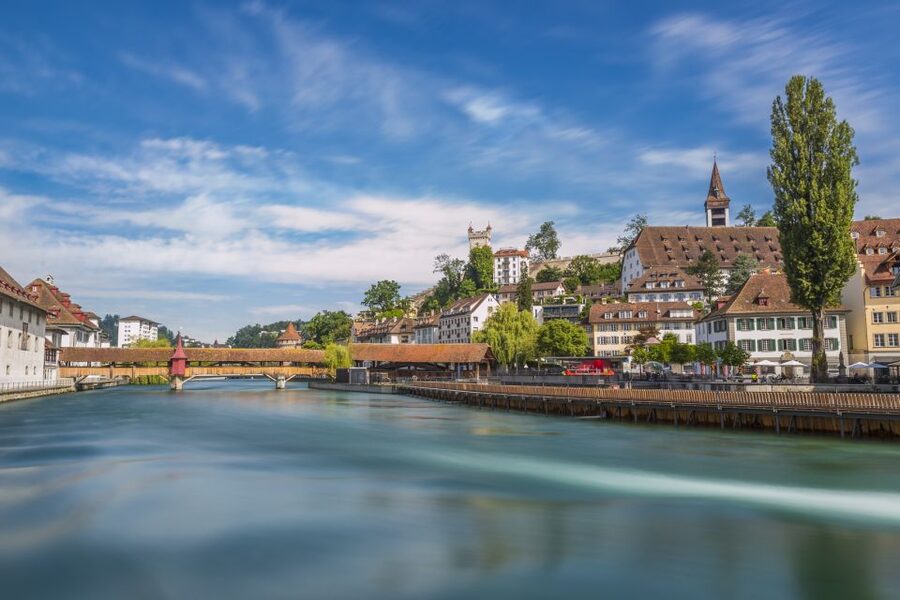
The final stretch is the Reuss River. This part tends to be a practical win because rivers provide a clear path for composition—edges, gentle depth, and a reflective surface that can help your photo look “finished.”
This stop includes photo time, guided viewing, sightseeing, and walking. It’s a good place to apply what you learned earlier: simplifying your frame, choosing a focal point, and thinking about how the water and buildings relate.
If you’re using a phone, rivers are a good practice ground for exposure control. Your guide can help you avoid the common problem of photos that look fine to your eyes but come out too bright or too flat on camera.
Photography tips that actually work for phones and serious cameras
This tour is explicitly welcoming for beginners and experienced photographers. You don’t need a class of jargon or prior knowledge—the guide gives tips at your level.
You’ll be able to use any equipment you bring, whether it’s:
- a simple point-and-shoot
- a DSLR or mirrorless camera
- a smartphone with a camera function
The learning style matters. A walking route forces you to apply advice quickly: you see a scene, you try an approach, you adjust, and you move on. That feedback loop is the real reason tours like this improve your skills faster than reading tips at home.
A key value I’d emphasize if you’re camera-curious: you’re not just being told what settings to use. You’re learning how to think about framing, angles, and what makes a photo feel balanced in real life.
What the “small group” format changes for you
This is limited to a small number of participants (it’s capped at no more than 10, with the tour described as limited to 8). That matters because it keeps the walk manageable and makes it easier for the guide to help you without everyone being left behind.
In a big group, photo stops turn into a race. Here, you get enough breathing room to try a second shot when the first one doesn’t work. That’s especially important if you’re learning a new technique on the fly.
And since non-photographer friends are welcome, you don’t have to feel like the tour is only for camera nerds. They can enjoy the sightseeing while you focus on composition and practice.
Price and value: is $146 worth it?
At $146 per person for about 2 hours, you’re paying for three main things: a professional photographer guide, structured photo teaching, and the experience of covering Lucerne’s top sights in a tight loop.
Compared to wandering on your own, the value is less about “seeing more” and more about getting better pictures faster. That guide time is the product. You’re also getting a practical perk: the lift ticket to Lucerne Castle is included, so you’re not adding that cost later.
Could you take decent photos in Lucerne without this tour? Sure. But if you want your images to look intentional instead of accidental, this is the kind of guided practice that can save you time and frustration.
Who this tour is best for (and who it might not be)
I’d recommend this tour if:
- you want a guided way to improve photography while sightseeing
- you’re visiting Lucerne for a short time and want the best city-center sights covered
- you’re traveling with friends who may not care about photography but do want a good walk
It may be less ideal if:
- you hate walking or want zero stairs/uneven ground (the tour includes a moderate amount of walking)
- you’re expecting a long, sit-down workshop instead of hands-on photo stops
If you’re adaptable and comfortable on your feet, you’ll likely enjoy the pace. It’s built to keep you moving while still giving you enough time to try shots.
Should you book this Lucerne Photography Walking Tour?
Book it if you want Lucerne photos that look like you planned them—and you’d rather get guidance from a professional than guess your way through settings. The included castle lift, the coverage of major landmarks, and the small-group format all support that goal.
Skip it only if you’re mainly chasing a long sightseeing day and don’t care about improving your photos. If your camera is part of the trip, this tour is a strong use of a couple hours in Lucerne.
FAQ
FAQ
Where do I meet for the Lucerne photography walking tour?
You meet at the monumental arch of Torbogen Luzern, in front of the main entrance to Lucerne Train Station.
How long is the tour?
The tour runs for about 2 hours. Starting times vary by availability.
What size is the group?
It’s a small group experience limited to a handful of people, described as no more than 10 and also limited to 8 participants.
Do I need prior photography experience?
No. All camera skill levels are welcome, and the guide assists you at every level.
Is the lift to Lucerne Castle included?
Yes. A ticket for the lift to Lucerne Castle is included in the tour price.
What languages is the guide available in?
The live tour guide speaks Spanish and English.
What should I bring?
Wear comfortable shoes. Bring any camera you want to use, including a smartphone or more advanced equipment. Food and drinks are not included.