REVIEW · METEORA
Golden Sunrise Meteora Private Photo Tour
Book on Viator →Operated by METEORA PHOTO TOUR · Bookable on Viator
Meteora looks different before the crowds. This private Golden Sunrise photo tour is built around the light that makes the rocks and monasteries glow, with local photo coaching as you move from viewpoint to viewpoint. I especially like the early start that gets you into the quiet, and the way the guide adjusts the pace to your camera (iPhone to DSLR). The one trade-off: it runs early and skips lunch, so you’ll need to plan your day around a 4-hour morning session.
You’ll start with breakfast, coffee or tea, and bottled water, then head out for the best angles at Meteora during the changing colors of sunrise/golden-hour light. I also like the focus on practical shooting tips you can use immediately, not vague inspiration. There’s a chance you’ll visit a monastery inside, but that depends on the season.
If you hate early mornings or you’re not that into photography, you might feel it’s more guide-and-camera than just sightseeing. And since lunch isn’t included, you may want to book something later for food and recovery.
In This Review
- Key Highlights You Should Know
- Timing Is Everything: Golden Light at Meteora
- Price and Value: What $162.21 Gets You
- Pickup From Kalampaka and Kastraki: Less Stress at Dawn
- What the Morning Feels Like: Breakfast, Coffee, and Setup
- Stop at the Foot of Meteora: Ancient Churches and First Frames
- Moving Spot to Spot: Outside Views of Multiple Monasteries
- Possible Inside Visit: One Monastery Depends on the Season
- The Final Push: Epic Sunset-Style Rock Shooting (Even on a Sunrise Tour)
- Photography Coaching That Actually Helps: iPhones and DSLRs
- Small Extras That Make the Difference
- Logistics and Group Size: Private Means You’re Not Rushed
- Who Should Book This Tour
- Should You Book Golden Sunrise Meteora Private Photo Tour?
- FAQ
- How long is the Golden Sunrise Meteora Private Photo Tour?
- Is hotel pickup and drop-off included?
- What’s included in the price?
- Is lunch included?
- Is this tour private or shared?
- What language is the tour offered in?
- What is the minimum age to join?
- Can I cancel for free?
Key Highlights You Should Know
- Pickup from Kalampaka and Kastraki plus train or bus station options, so you’re not figuring out transport at dawn
- Private, just your group approach that keeps the tour flexible and personal
- Golden-hour focus with multiple stops for monastery views outside, plus a possible inside monastery visit depending on season
- Breakfast and drinks included, so you’re fueled before you start shooting
- Hands-on guidance for iPhones and DSLR settings, including help with manual shooting and compositional technique
Timing Is Everything: Golden Light at Meteora
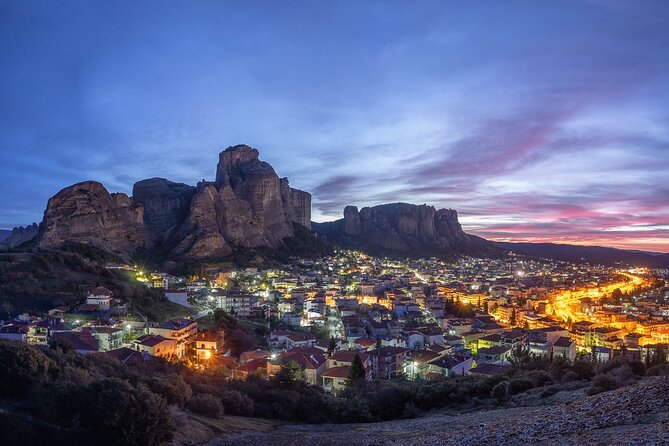
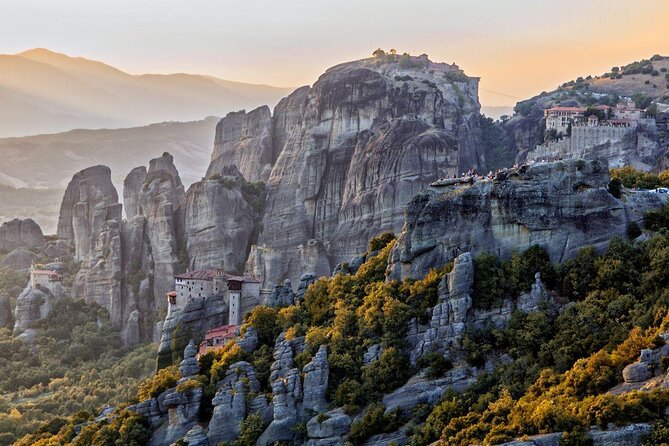
Meteora is famous for its monasteries perched on rock towers. The secret is that the best look doesn’t happen at noon. It happens when the sky is still changing—when shadows soften and the stone starts catching warm tones.
This tour is designed around that prime window. It starts early and runs for about 4 hours (pickup included in the overall experience), aiming to catch the dramatic color shift and then keep you there long enough for the light to evolve. That extra time matters because sunrise light doesn’t stay put. It creeps across the rocks, and the monastery views look different as the minutes pass.
You’ll also get tips for shooting in low, early light. That means you’re not just standing there hoping for the best. You’ll learn how to work with the brightness level, contrast, and angles—especially important around dawn when conditions can change fast.
You can also read our reviews of more tours and experiences in Meteora.
Price and Value: What $162.21 Gets You
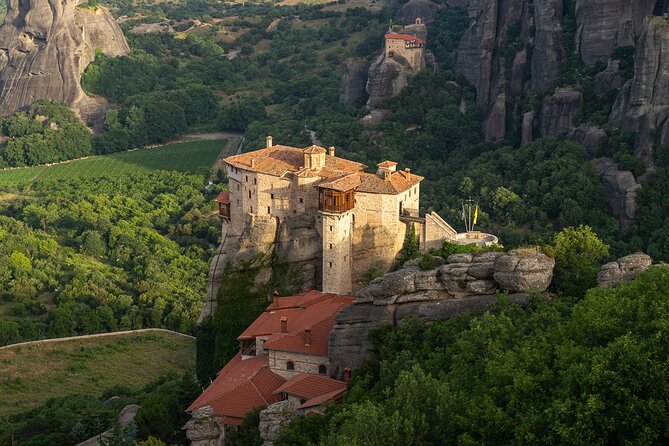
At $162.21 per person, this isn’t the cheapest way to visit Meteora. But it is a smart value if you care about photos and hate wasting time.
Here’s what makes the price feel fair:
- It’s private, so you’re not sharing coaching with strangers.
- You get hotel/port pickup and drop-off from Kalampaka, Kastraki, or nearby train/bus station meeting points.
- It includes breakfast, coffee and/or tea, and bottled water.
Also, it’s popular enough that it’s often booked around 21 days in advance. That tells me the timing and guide style are working for people who want Meteora photos without the chaos.
The main value trade is simple: you’re paying for guidance and timing, not a long all-day itinerary. If you want hours and hours of wandering, you may need to pair this with a separate sightseeing day. If you want the key moments in the right order, this price makes sense.
Pickup From Kalampaka and Kastraki: Less Stress at Dawn
Early tours can be painful when the logistics are messy. This one reduces the stress in a clear way: pickup and drop-off are included, and you can arrange it from your hotel near Kalampaka city or Kastraki village, or from the train station or bus station.
That matters because Meteora viewpoints are spread out. Even if you’re in the region, getting to the best angles before the crowd is not the same as getting to a single landmark. With pickup handled, you can focus on one thing: shooting.
And since it’s near public transportation, you’re not stranded if your plan changes. But with sunrise timing, I’d still count on the guide’s pickup schedule and be ready a bit early.
What the Morning Feels Like: Breakfast, Coffee, and Setup
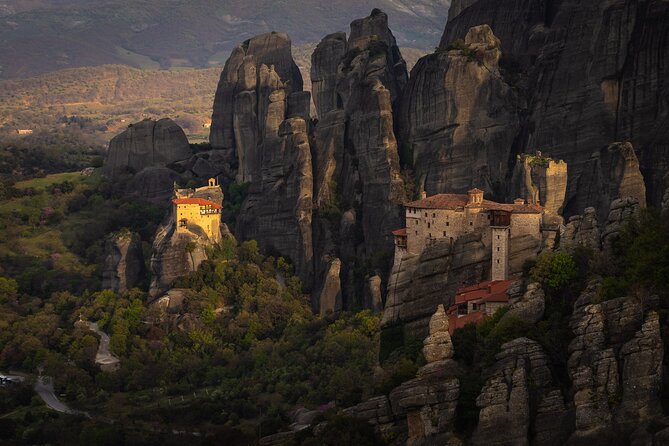
Before you move, you start with breakfast plus coffee and/or tea and bottled water. That sounds basic, but it’s a big deal at dawn. Meteora photo sessions are long enough that hunger can mess with your concentration and your camera settings.
Once you’re out, you’ll start photographing quickly. A good sign: the coaching isn’t reserved for camera owners. Even if you’re using a phone, you’ll get practical direction on where to stand, how to frame, and how to make the most of the light.
A recurring theme from real-world experiences here is that the guide helps you get your gear working right. If you haven’t used your camera in a while, you’ll likely appreciate the refresher on fundamentals like ISO, aperture, and shutter speed, plus how to think in manual again.
Stop at the Foot of Meteora: Ancient Churches and First Frames
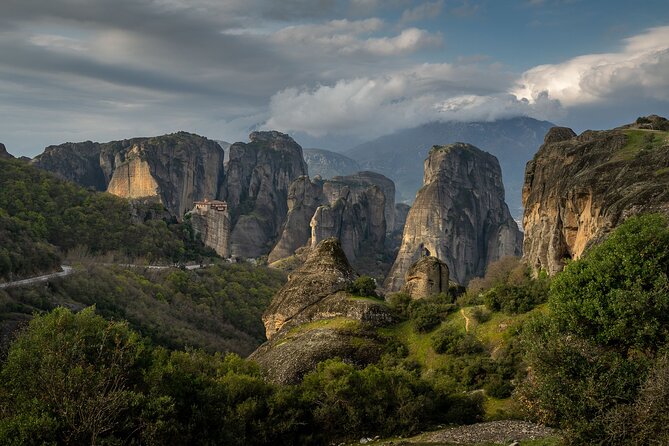
Your morning begins at the foot of Meteora, at notable ancient churches. This first stop is important because it gives you grounding. You’re not starting halfway up the rocks. You’re starting where the architecture and the rock towers line up for classic compositions.
The lighting here is also the point. You’ll shoot with dimming sunlight behind you and then into those early golden colors. That means the monasteries can look dramatic without requiring you to fight harsh midday glare.
Expect guidance on practical setup:
- how to position yourself for strong angles
- how to plan framing before you press the shutter
- how to adjust your approach as brightness changes
It’s also a good moment to learn the tour’s rhythm. You’ll hop between spots, but you won’t feel rushed. The goal is to help you leave with real keepers, not just memory-card clutter.
Moving Spot to Spot: Outside Views of Multiple Monasteries
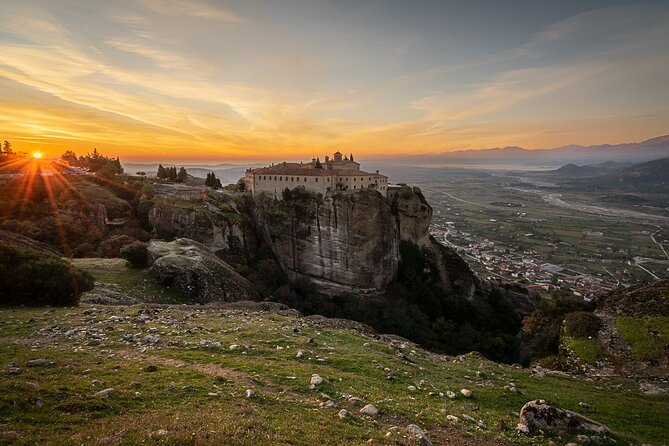
The tour keeps you active—many spots for photos, with views of the monasteries from outside. This is key. Meteora is built for viewpoints, and the rock shapes plus monastery placement create photo opportunities in different directions.
By moving around, you’re not stuck with one angle all morning. You’ll likely cover:
- wider frames where the rock towers dominate
- tighter compositions where monastery details become the subject
- angles that use the light to add contrast and depth
If your goal is a variety of shots—different compositions, different levels of zoom, different moods—this is the right format. The guide’s job isn’t just driving you around. It’s steering you toward the positions where the light and lines work.
And because it’s private, you can slow down at the spots that click for you. That flexibility matters if you’re trying to nail a panorama, a bracketing sequence, or a specific composition.
Possible Inside Visit: One Monastery Depends on the Season
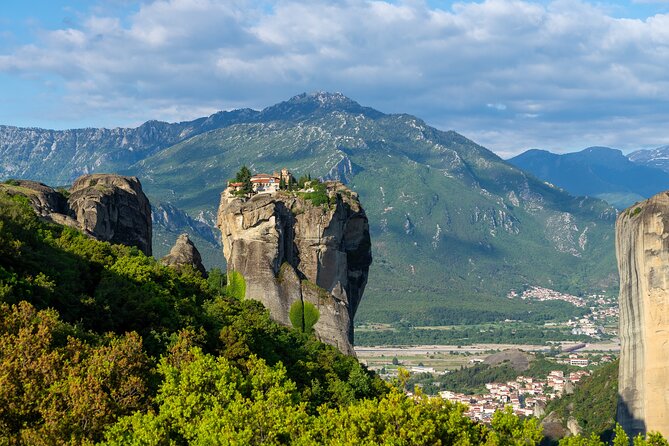
One of the tour’s more interesting details is that depending on the season, you may visit one monastery from inside. That’s not guaranteed every day, so if inside access is your must-do, treat it as a bonus rather than the whole plan.
If you do get the inside visit, it can add variety to your photo set. Outside shots show Meteora’s dramatic placement. Inside photos tend to shift focus toward architecture, religious spaces, and interior light. Even if you mainly photograph outside, having the option to go in makes this tour feel less repetitive and more complete.
The best part is that the tour doesn’t frame inside access as the only attraction. The outside viewpoints are still the backbone of the morning, so you’re not gambling your entire experience on permissions or seasonal conditions.
The Final Push: Epic Sunset-Style Rock Shooting (Even on a Sunrise Tour)
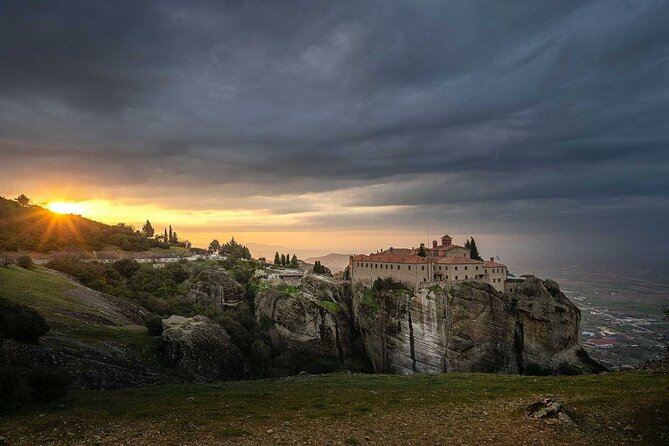
The tour ends with a big photo finish on the Meteora rocks, aimed at the moment when the light looks most magical. The description around the end of the experience points to an epic final shoot, with the color and atmosphere changing as you get higher or move to a key vantage.
In practical terms, this is where you want to be ready:
- your camera settings should be set or easy to adjust
- you should know where you want to stand before you start
- you should leave time for a few tries at the composition
This is also where the earlier coaching pays off. If you’ve learned how to control exposure and framing, the final session becomes more productive. You’re not just reacting—you’re executing.
Photography Coaching That Actually Helps: iPhones and DSLRs
The coaching is a standout part of this experience. It’s not just a checklist of camera gear. It’s hands-on help tailored to what you’re using.
If you’re on a phone, you’ll still get direction—things like shot planning, angles, and how to get better results without overthinking the technical side. People often come in thinking an iPhone is too simple for serious sunrise shots. The guide’s approach is about using the phone well, not pretending it’s a DSLR.
If you’re on a DSLR (or a more advanced camera), you’ll get help with core settings like ISO, aperture, and shutter speed. The goal is to help you feel comfortable shooting in manual again, especially when low light and sunrise brightness make auto modes unreliable.
You might also work on techniques that help with tricky lighting, such as bracketing and panorama-style composition with a tripod. The important thing isn’t the jargon. It’s that the guide helps you apply these tools to get images you actually want to keep.
Small Extras That Make the Difference
What impressed me about this tour format is how the details help you focus. You’re not starting hungry. You’re not starting thirsty. And you’re not starting with zero support.
Included breakfast and drinks mean you can keep your mind on the scene. And if you’re carrying a tripod, the guide’s instruction is meant to make that effort worthwhile instead of turning it into a heavy burden you forget to set up.
There’s also been an example of real problem-solving: when a tripod was delayed due to travel issues, the guide’s team worked to make it right by arranging access to a tripod and handling it with pickup/drop-off help. That kind of support is a big deal on a sunrise shoot, where there’s no second chance for the lighting.
You should still bring your own main gear if you have it. But it’s reassuring to know the team takes these moments seriously.
Logistics and Group Size: Private Means You’re Not Rushed
This is a private tour/activity, so only your group participates. That’s a real quality difference. In group tours, you often spend time waiting and then sprinting to the next stop. Here, the pacing can match your interest level and shooting style.
In one of the most useful aspects of the tour, the guide can adapt to your speed—whether you’re trying to learn camera basics again or you’re comfortable with manual settings and want more advanced guidance. The tour is structured around getting you to great places, but the coaching is built around you.
It also helps you ask questions without feeling like you’re slowing down a busload of people. If you want to understand why a certain angle works, this private format makes it easier to get an answer on the spot.
Who Should Book This Tour
This is a great match if you:
- want Meteora photos and care about the light, not just the view
- have an iPhone or a DSLR and want better results quickly
- prefer a guide who teaches you while you shoot
- hate peak crowds and want quiet viewpoints during the best color window
It may be less ideal if you:
- want a long, casual day of wandering without early timing
- don’t care about photography and just want general sightseeing
- expect lunch to be included
For couples, this also feels like a natural fit. A sunrise session with a guide and pickup is romantic, and private pacing makes it easier to spend time together while still getting great shots.
Should You Book Golden Sunrise Meteora Private Photo Tour?
If your goal is to get strong Meteora images without wasting daylight, I’d book this. The early timing, the private coaching, and the included breakfast plus pickup add up to real convenience and real photographic value.
The key decision point is your tolerance for an early morning. If you can handle the start time and you want guided help with composition and settings, this tour is one of the most practical ways to see Meteora at its best light.
If you’d rather sleep in, or you’re not interested in photo tips, you may feel the experience is more camera-focused than you want. But for photographers and curious first-timers who just want to come home with standout shots, this is a strong choice.
FAQ
How long is the Golden Sunrise Meteora Private Photo Tour?
The tour lasts about 4 hours.
Is hotel pickup and drop-off included?
Yes. Pickup and drop-off are included from your hotel near Kalampaka city and Kastraki village, or from the train station or bus station.
What’s included in the price?
The tour includes a private tour, hotel/port pickup and drop-off, breakfast, coffee and/or tea, and bottled water. Admission ticket is listed as free.
Is lunch included?
No, lunch is not included.
Is this tour private or shared?
It’s private. Only your group will participate.
What language is the tour offered in?
The tour is offered in English.
What is the minimum age to join?
The minimum age is 18 years.
Can I cancel for free?
Yes, free cancellation is available. You can cancel up to 24 hours in advance for a full refund.