REVIEW · ASHEVILLE
Full-Day Tour With Instruction in Vistas & Waterfall Photography
Book on Viator →Operated by Asheville Photo Tours, LLC · Bookable on Viator
Early sun, serious photo coaching in the Blue Ridge. I love the hands-on way Chris & Bonnie Allen teach, and I love the tight max-6 group size that keeps your questions from getting lost. You’re in the Blue Ridge Mountain area for vistas, waterfalls, and forest light, with help that’s practical, not lecture-heavy. One consideration: it starts at 7:00 am and runs only in good weather, so you’ll want flexibility and comfortable shoes.
You’ll get taken to special, sometimes lower-known spots around the region where nature conditions actually matter for the photos. The tour also covers gear needs with loaner tripods, which is a big deal if you’re traveling with a camera but not your full kit. You should plan for an 8-hour day with a 30–45 minute break for a picnic lunch or dinner, and bring enough water and snacks so you’re not scrambling.
In This Review
- Key things I like about this Blue Ridge photography day
- A 7:00 am launch from Ingles Markets in Mills River
- The instruction team: Chris & Bonnie Allen know how to teach
- Pisgah National Forest: your first big scene-setter
- How the day builds from vistas to waterfalls and forest scenes
- Hands-on photo lessons that change what you shoot
- Tripod support and smart camera habits for sharp shots
- Timing, pace, and the value of the picnic break
- Weather matters more than your gear
- Price and value: $280 for coaching plus real subject variety
- Who this tour fits best (and who should rethink it)
- Should you book the Full-Day Blue Ridge Photo Instruction Tour?
- FAQ
- Where does the tour start?
- What time does the tour begin?
- How long is the tour?
- What is the price per person?
- How many people are in the group?
- Is English instruction available?
- Are tripods provided?
- What happens if the weather is poor?
Key things I like about this Blue Ridge photography day
- Max 6 people means real attention: you’re not one face in a crowd; your instructor can correct your technique on the spot.
- Professional coaching by Chris & Bonnie Allen: you learn how to see and shoot better, not just where to point your camera.
- Loaner tripods available: helps you stabilize shots even if you forgot equipment.
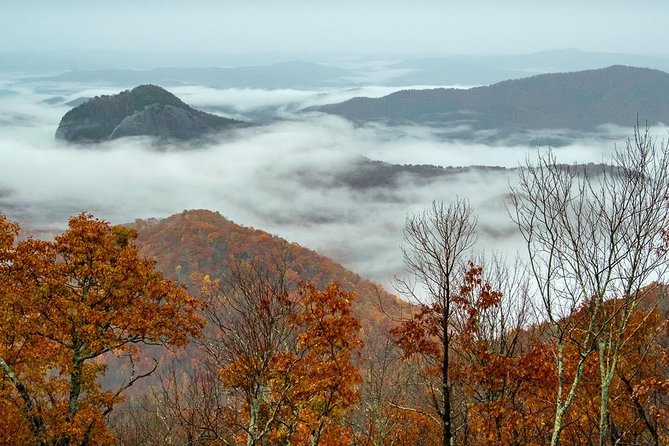
- Multiple subject types in one outing: mountain vistas, waterfalls, and forest scenes all show different photographic challenges.
- A full day pacing with a picnic break: you get time to eat and reset, not just quick stops and go-go.
- Weather-dependent schedule: good conditions help the photos, and the tour adjusts by offering a different date or refund if it can’t run.
A 7:00 am launch from Ingles Markets in Mills River
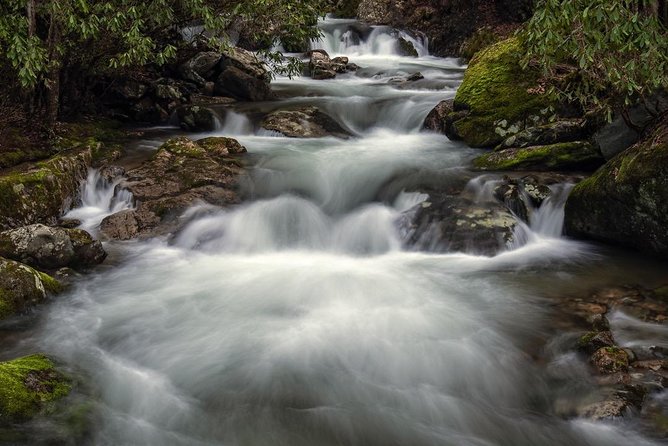
This is an early start day, beginning at 7:00 am at Ingles Markets, 3338 Boylston Hwy, Mills River, NC 28759. That matters more than you’d think, because morning light changes how skies, rock texture, and waterfall mist look. If you hate early alarms, make peace with it now.
The day ends back at the same meeting point, so you’re not left figuring out a pickup or a second location at the end. With an 8-hour schedule, you’ll be on your feet and moving between settings, so dress for changing temperatures. Bring a camera strap you trust, and keep your rain plan simple—light layers help when the weather can flip fast in the mountains.
You can also read our reviews of more tours and experiences in Asheville.
The instruction team: Chris & Bonnie Allen know how to teach
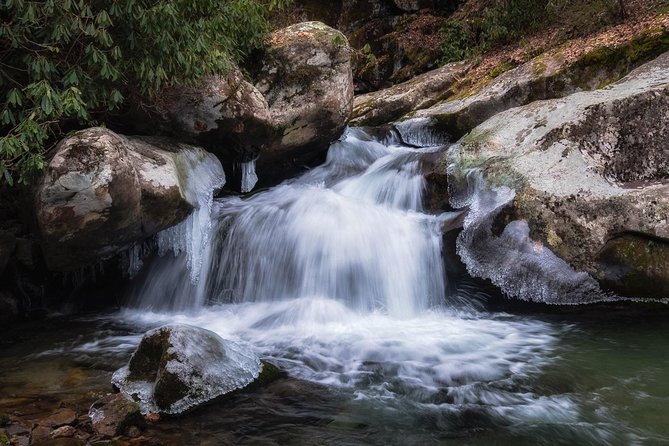
The tour is run by award-winning Nature & Fine Art Photographers Chris and Bonnie Allen. That background shows up in the way they approach photography: they’re not only thinking about the subject, they’re thinking about how you frame it, how you expose it, and how you keep your results consistent.
I also like that this isn’t just theory. You get hands-on instruction during the tour, which means you can shoot, review, and adjust while you’re still in the light that inspired the shot in the first place. With a group capped at six travelers, it’s easier to get direct feedback on your camera settings, composition choices, and what to try next.
Pisgah National Forest: your first big scene-setter
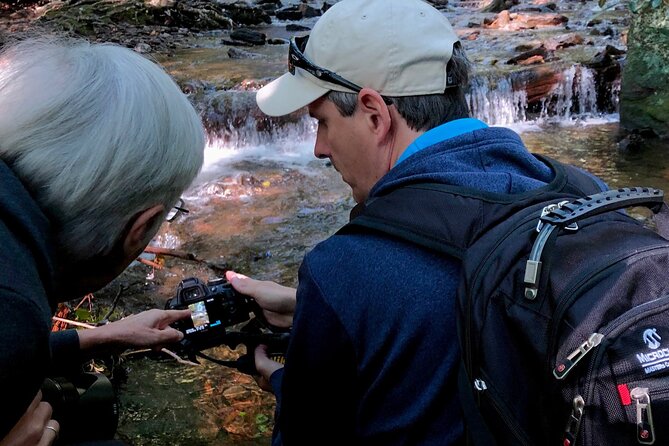
The day’s first stop is Pisgah National Forest, which is a smart way to start. You get access to classic Blue Ridge views and the kind of terrain that teaches you fast: foregrounds matter, depth changes with the angle, and the best compositions often come from small position changes.
For people aiming at vistas, early guidance can help you avoid two common problems: either overexposing bright sky or flattening the layers of mountains. For waterfall photographers, the lessons you pick up at the forest edge tend to carry over later—how to meter the highlights and how to keep moving water from blowing out.
The possible drawback? This is nature photography, which means you’ll be working around uneven ground, trunks, rocks, and misty conditions. Comfortable shoes and a camera you’re not afraid to get a little dirty (without being careless) are your friends.
How the day builds from vistas to waterfalls and forest scenes
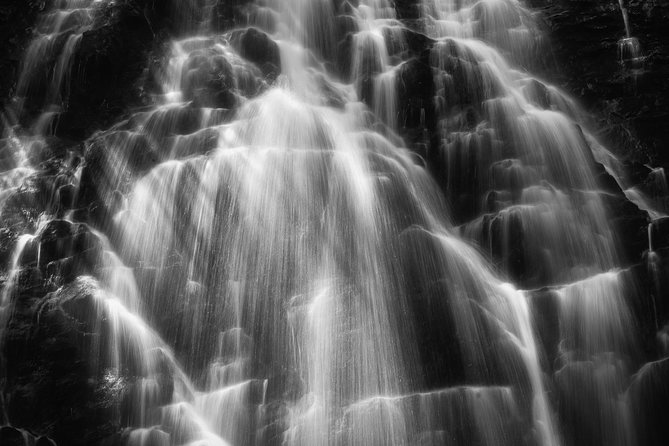
The tour’s focus is broad by design: you’re taken to mountain vistas, waterfalls, and magical forests across the Blue Ridge Mountain area. That variety is exactly what makes the day valuable, because each subject type forces you to solve a different set of photographic problems.
- Vistas push you toward composition and exposure control. You’ll want to balance bright sky against darker foregrounds so mountain layers still read as layers.
- Waterfalls test stability and how you handle motion. Even with a phone, you can learn timing and framing; with a camera, you can learn how shutter speed and angle change the look of water.
- Forests bring mood and texture. Light gets patchy, backgrounds clutter easily, and your job is to simplify what’s in the frame.
One extra bonus, when the timing lines up: the day can include migrating monarchs, which adds real life to a nature-focused photography outing. And you might also get time that feels like a storybook payoff—sunset is called out in the experience you can expect.
Hands-on photo lessons that change what you shoot
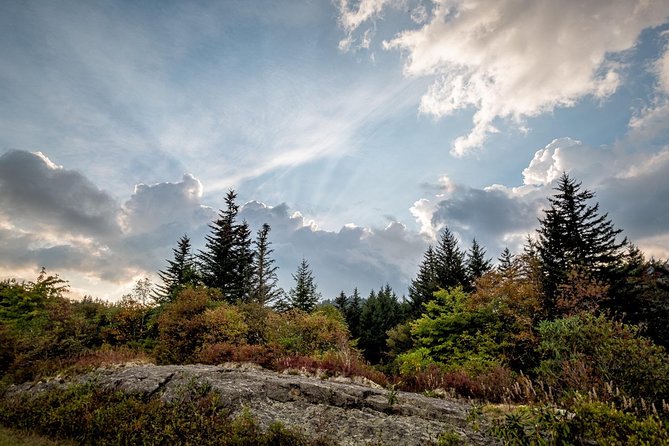
This tour earns its credibility by being instructional while you’re out there. Instead of giving you a list of settings and sending you off, you get practical coaching designed to help you improve your photos during the day.
Here’s what that typically translates to for you as a photographer:
- You’ll learn how to choose a shot quickly, instead of wandering for an hour with no plan.
- You’ll get help thinking about your camera as a tool for light, not just buttons to press.
- You’ll practice adjustments in real time, which makes learning stick.
Because this is a small-group experience, you can ask specific questions like what to do when the sky is too bright, or how to keep a waterfall readable without losing detail. And if you’re renting or borrowing gear later in the day, you’ll have support through the loaner tripods availability, so stabilization doesn’t become your limiting factor.
Tripod support and smart camera habits for sharp shots
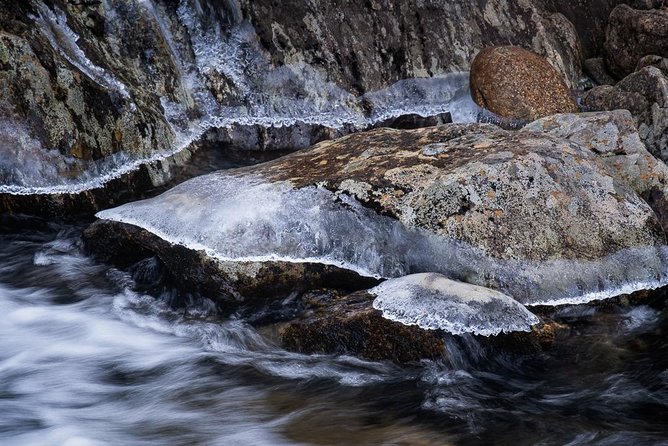
One of the most practical inclusions here is that they have a couple tripods available for those who don’t have their own. That’s not just convenience. A tripod can help you get:
- cleaner waterfall motion control,
- sharper edges in lower light,
- and steadier framing when you’re working through misty or windy conditions.
Even if you bring your own tripod, think about how you’ll move through the day. You don’t just carry it—you set it up, adjust it, and pack it back quickly. That means practicing the basics before the tour: tighten knobs, know how fast you can swap from landscape to portrait, and keep your camera balance in mind.
I also suggest you bring a lens cloth or small wipe. Forest and waterfall environments can mean damp air and condensation risk, and a quick wipe often saves a shot. Keep spare batteries too; cold mountain mornings can eat power.
Timing, pace, and the value of the picnic break
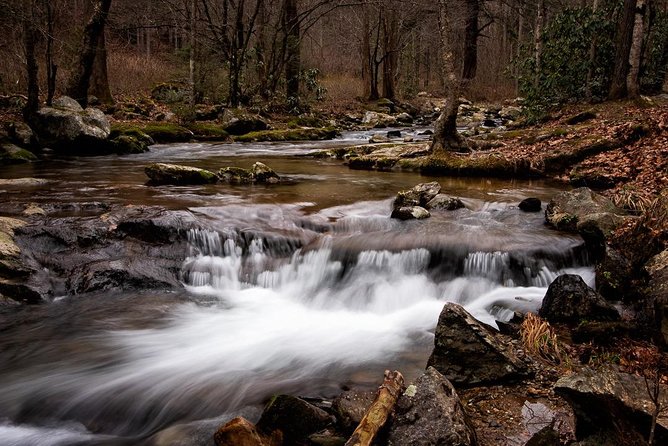
You’re in the field for about 8 hours, and the tour includes a 30–45 minute break for eating a picnic lunch or dinner. That window is a gift. It lets you refuel, check memory cards, and review a few images so you can adjust your next round of shooting with more confidence.
What to bring is clearly on you: snacks, sufficient water, and any food you want for the day. I’d pack more water than you think you need, because outdoor shooting often makes you forget to drink. A simple lunch you can eat without fuss keeps you ready for the next viewpoint.
Pace matters on a day like this. The best photos often come from calm attention, not constant sprinting. This tour’s structure gives you enough movement between subjects while still making room to actually shoot.
Weather matters more than your gear
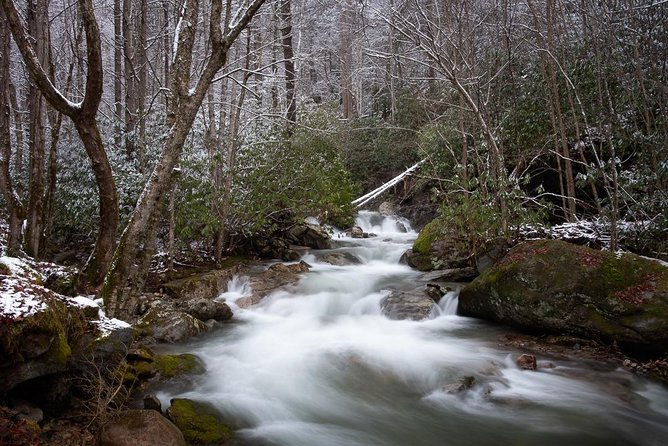
This is a good-weather-required experience. That’s not a small detail; it changes whether waterfalls look great, whether skies help your vistas, and whether forest light stays usable. If poor weather cancels the tour, you’re offered a different date or a full refund—so the risk isn’t fully on you.
My advice is simple: check the forecast the morning of, and dress for real mountain conditions. Even when the day looks fine at breakfast, clouds and mist can roll through. If you plan to shoot waterfalls, be ready for damp air and keep your camera protected without turning the whole process into a chore.
Also, because the day depends on conditions, keep your schedule flexible. This isn’t a set-it-and-forget-it city walk. It’s a field day with mountain reality baked in.
Price and value: $280 for coaching plus real subject variety
At $280 per person for about 8 hours, the price makes sense when you look at what’s included: instruction from professionals, a route designed around vistas, waterfalls, and forests, and support like loaner tripods. You’re paying for time with Chris and Bonnie Allen and for the ability to learn while you’re actively shooting.
You’re not just buying transportation. A big part of the value is the feedback loop: you try a shot, get correction, and improve immediately while the lighting window is still open. Small groups help with that. If it were a large workshop, you’d wait longer for help. Here, your guidance is more reachable.
And even if you’re an intermediate photographer, this kind of day can still pay off. Mountain scenes punish autopilot settings, so you’ll likely learn something you can use again at home—especially around exposure, composition, and stabilization choices.
Who this tour fits best (and who should rethink it)
This works well for you if you:
- want professional instruction rather than just a drive to scenic points,
- are interested in waterfall and nature photography,
- and appreciate a small group where you can ask questions.
It also helps if you’re traveling with limited gear. The presence of loaner tripods lowers the barrier for people who want to bring a lighter kit.
If you dislike early mornings, this may feel like a grind. If you struggle with hiking on uneven ground or standing in misty spots, you’ll want to choose your footwear carefully and manage your pace. This type of photography day rewards comfort and patience more than speed.
Should you book the Full-Day Blue Ridge Photo Instruction Tour?
I’d book it if you want a day that mixes great Blue Ridge subjects with direct coaching from Chris and Bonnie Allen, and you like learning by doing. The max-6 group, the included tripod support, and the focus on improving your actual photos make the $280 feel more like a workshop you can apply immediately.
Skip it if your plan can’t flex with weather or you know you won’t handle a 7:00 am start and a full day outdoors. But if you’re ready for an 8-hour photo field day in Pisgah National Forest and surrounding areas, this is a strong way to sharpen your eye fast.
FAQ
Where does the tour start?
It starts at Ingles Markets, 3338 Boylston Hwy, Mills River, NC 28759, USA.
What time does the tour begin?
The start time is 7:00 am.
How long is the tour?
The duration is about 8 hours.
What is the price per person?
The price is $280.00 per person.
How many people are in the group?
The tour has a maximum of 6 travelers.
Is English instruction available?
Yes, the tour is offered in English.
Are tripods provided?
Yes. They have a couple tripods available for people who don’t have their own.
What happens if the weather is poor?
The experience requires good weather. If it’s canceled due to poor weather, you’ll be offered a different date or a full refund.