REVIEW · SVOLVAER
From Svolvær: Midnight sun tour with a photographer
Book on GetYourGuide →Operated by Lofoten Lights · Bookable on GetYourGuide
Midnight sun hits different with a pro. This 4-hour Lofoten Islands photo tour is interesting because a photographer guides you to the best spots and light conditions, not just a drive-and-hope plan. I love how small-group (up to 8) makes it relaxed and flexible, and I also like that the experience is built for all skill levels. One thing to consider: at $198 per person, you’ll want to be sure you’re excited to shoot during four hours, because the time is tight.
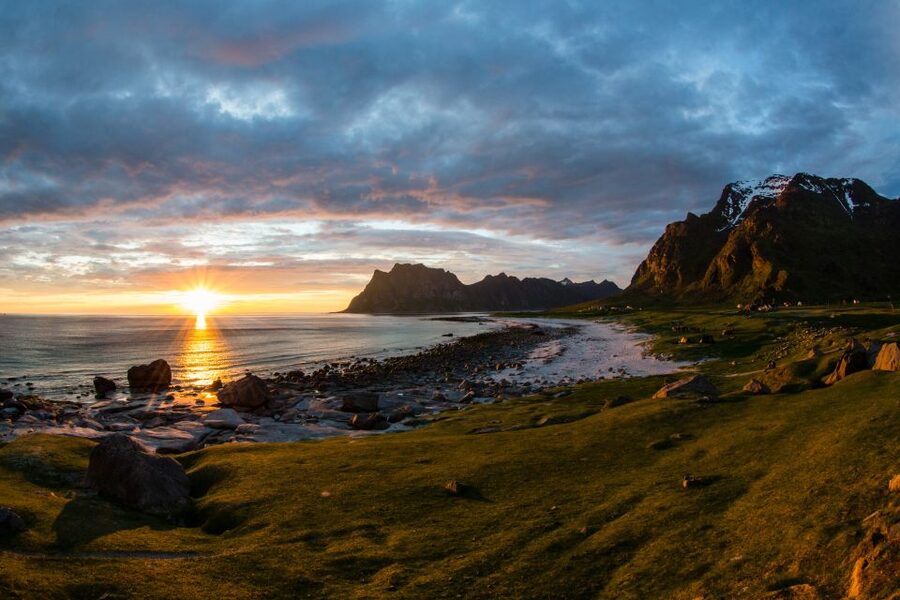
You spend the night in the real Arctic summer glow, with mountains, beaches, and fishing villages lit by soft gold that never fully disappears. I also appreciate that you ride in a comfortable minivan, with a photographer/guide working the plan around what the light is doing. Bring comfortable shoes, and note it’s not suitable for people with mobility impairments, since you’ll be moving around outdoors.
If the weather isn’t cooperating, the best part is that the guide still pushes for a midnight-sun moment and better angles. In one recent booking, the guide even kept the vibe playful and looked after the group with a local snack called smash. Still, if you’re expecting a long, multi-hour walking marathon, this format may feel a bit short.
In This Review
- Key things I think you’ll notice right away
- Why Lofoten midnight sun photography needs more than a camera
- The 4-hour format from Svolvær: efficient and not exhausting
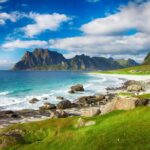
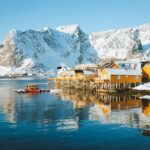
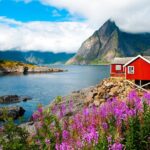
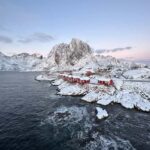
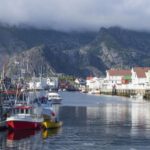
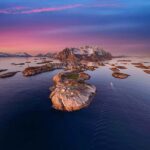
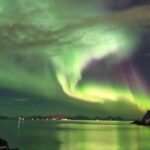
- What you’re really photographing: mountains, beaches, and fishing villages
- How a photographer/guide changes your results in constant daylight
- Small-group pace: calm, flexible, and easier to learn
- What to bring (and what not to)
- Price and value: does $198 make sense for four hours?
- Who this midnight sun photo tour is best for
- Should you book the Lofoten Lights Midnight Sun Photo Tour?
- FAQ
- How long is the Midnight Sun photo tour?
- Where does the tour take place?
- How much does it cost?
- What group size is it?
- What language is the guide?
- Is a tripod included?
- What should I bring and wear?
- Are pets allowed on the tour?
- Is the tour suitable for people with mobility impairments?
Key things I think you’ll notice right away
- A professional photographer/guide focuses you on light, not just views
- Up to 8 people means more attention and less rushing
- Lofoten settings you can actually shoot: mountains, beaches, and fishing villages
- Tripod available on request, helpful if you want sharper night-adjacent shots
- Minivan transport keeps things efficient in the Arctic summer
- The tour adapts to conditions, aiming for the midnight sun even when weather changes
Why Lofoten midnight sun photography needs more than a camera
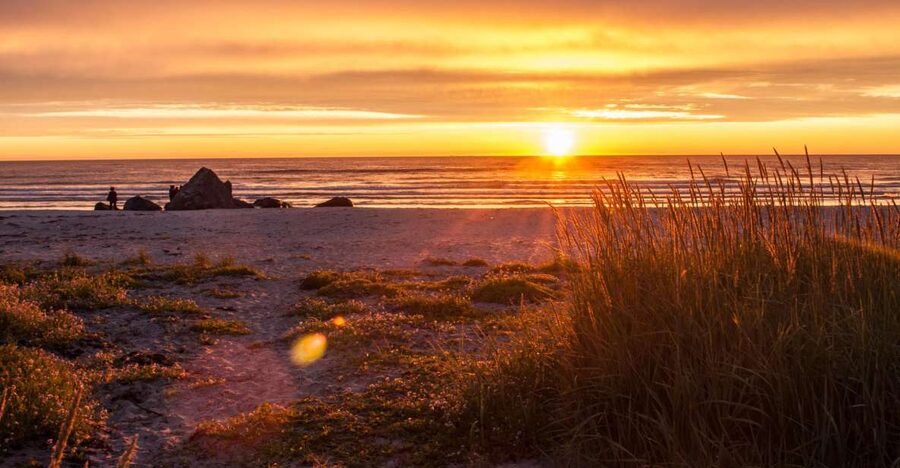
Midnight sun can sound like a simple concept: the sun stays up. In Lofoten, though, the real magic is in the timing and the angle. That golden light changes constantly, even if the sun never truly sets.
That’s where this tour earns its keep. You aren’t just walking around and hoping you stumbled on the right moment. You have a photographer/guide who helps you work with the light and choose where to point your lens, so you spend your short 4 hours shooting, not wandering.
If you’re new to photography, you’ll probably love the structure. If you’re more experienced, you’ll still appreciate a fresh set of locations and a guide who thinks in terms of conditions—how brightness, contrast, and the sky behave at different times.
You can also read our reviews of more tours and experiences in Svolvaer.
The 4-hour format from Svolvær: efficient and not exhausting
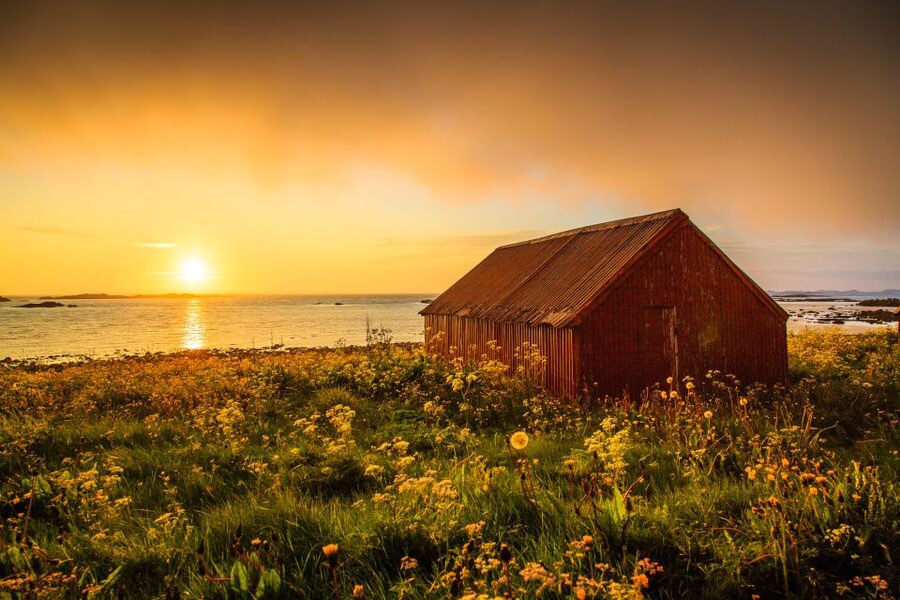
This experience runs for 4 hours, starting at times based on availability. That duration matters. Four hours is enough to get multiple lighting moods and different scenery types, but it’s also short enough that you’ll want to show up ready.
You’re picked up from Svolvær in a comfortable minivan, which is a practical win. In North Norway, driving can be straightforward, but committing to your own transport in the evening hours takes mental energy. Here, you trade planning time for shooting time.
Once you’re on the road, the goal is simple: reach great viewpoints and put you in position when the sky looks best. You also get to stay with a small group, so the minivan stops and timing can stay flexible without turning into chaos.
One small reality check: because it’s only 4 hours, you should be mentally ready to move between stops and change settings quickly. If you want to linger for a long, slow sunset-style session, you may find the schedule a little tight.
What you’re really photographing: mountains, beaches, and fishing villages
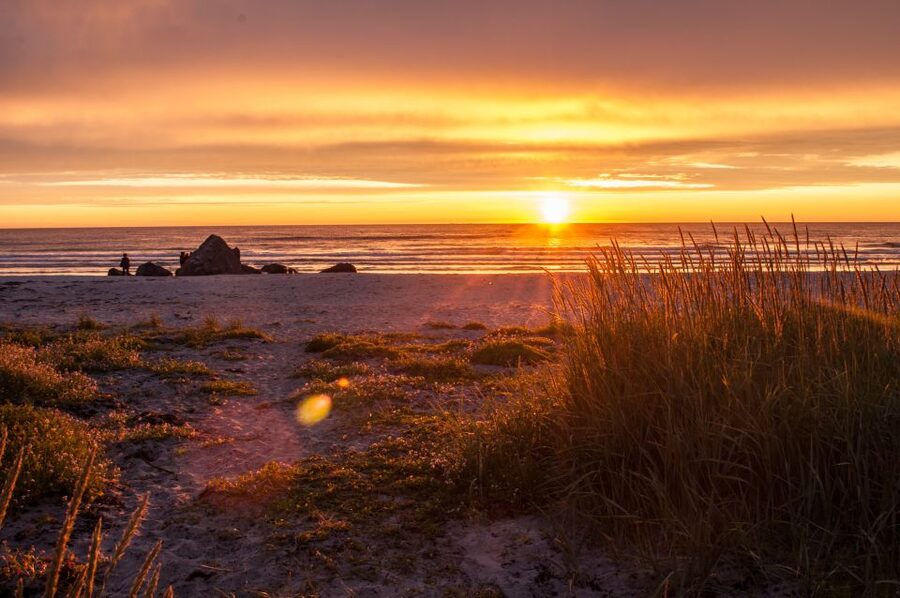
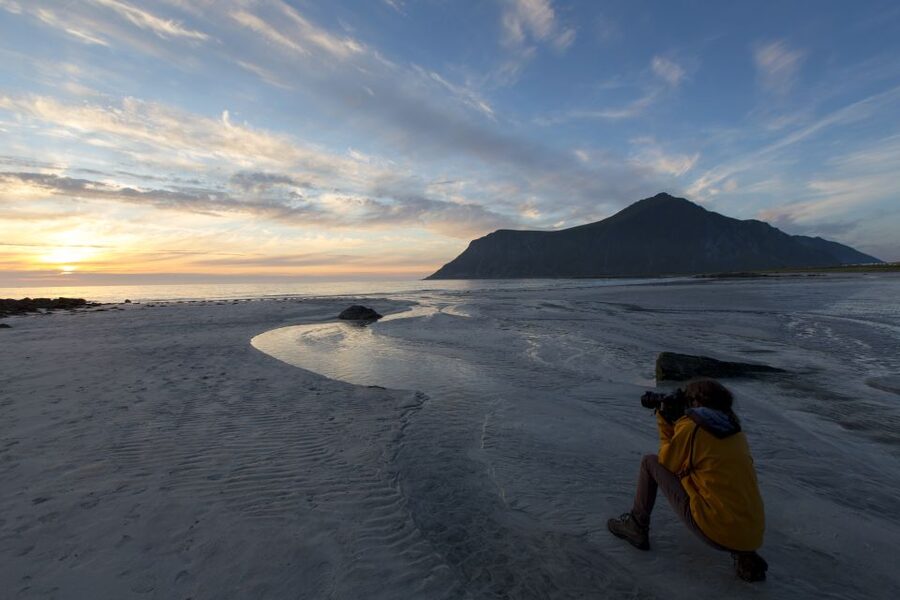
The highlight isn’t one single view. It’s variety, all under the midnight sun. The tour is designed around places where the light transforms big shapes—mountains, open beaches, and fishing villages that feel tied to the sea.
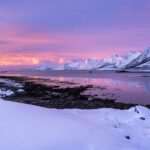
At the mountains, you’re usually chasing depth: layers of ridges, bright edges where the sun hits rock, and dramatic contrast where clouds (if you get them) can add drama. Even if you’re not a landscape specialist, these shapes are forgiving. They give you clear framing options and strong foreground choices.
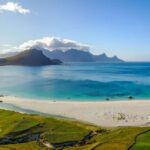
On the beach, your best shots often come from alignment—how the waterline meets the horizon and how the sun’s angle affects reflections. Beaches also help if you want calmer compositions after a more rugged first stop.
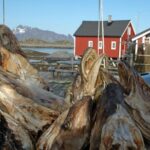
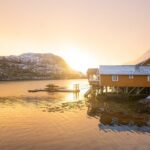
Then there’s the village feel. Fishing villages bring scale and story. Instead of only photographing nature, you can photograph how people live with it—boats, docks, and the geometry of coastal life. Even for casual photographers, it gives you more than just a pretty background.
Because the tour uses carefully selected locations, you’re more likely to get “photography-ready” angles than you would on your own. That’s the quiet advantage: you reduce trial and error.
How a photographer/guide changes your results in constant daylight
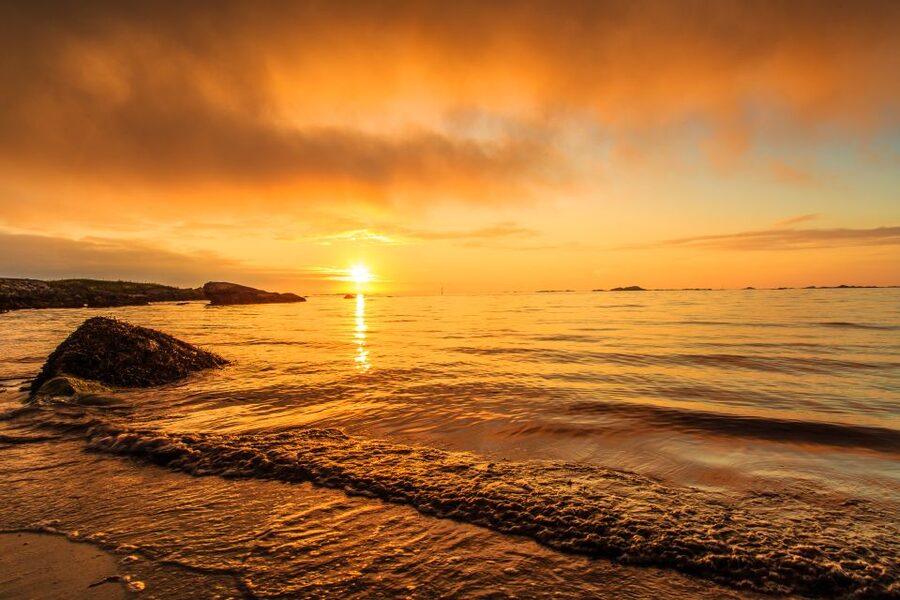
Constant daylight sounds easy, but it can be tricky. Bright conditions can flatten contrast, and exposure can fool you if you’re used to shooting at dusk or night. A pro guide helps you avoid the most common traps.
What you’ll likely get is guidance on how to approach the scene differently based on how the sky looks. In bright, high-sun moments, you’ll usually need to think about direction and shadows. Near softer light, you can focus on mood and texture—rock surfaces, water movement, and shoreline patterns.
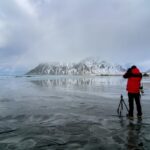
You also have the practical option of a tripod (on request). That’s a big deal if you like sharper detail, want to steady framing, or prefer longer exposures when light softens. If you don’t own one, the fact that one is available on request means you don’t have to travel with extra gear—just ask ahead if you want it.
Also, the guide doesn’t only manage the route. In one booking, the guide was engaging and made the group feel cared for, even working hard to show a midnight sun moment when conditions weren’t ideal. That kind of persistence matters. Clouds and haze can happen, and a good guide tries to keep the experience moving toward real results.
Small-group pace: calm, flexible, and easier to learn
Limited to 8 participants, this tour avoids the biggest problem with group photo outings: you can’t ask questions, you can’t re-shoot, and you spend your time following someone else’s schedule. Here, the smaller size makes it easier to get help when you need it.
If you’re a beginner, you’ll likely enjoy the relaxed flow. You can ask basic questions and focus on getting comfortable with composition and camera settings without feeling rushed.
If you’re experienced, you can still benefit from the guide’s eye. You can try your own framing ideas while having someone who can point out where the light is stronger or how to adjust placement for better shadow shape.
Flexibility is the other quiet win. Even when the sky shifts, a small group can adapt quickly at stops without turning the whole evening into a traffic jam.
What to bring (and what not to)
This is one of those tours where the list is refreshingly simple.
Bring:
- Comfortable shoes (you’ll be getting in and out of spots outdoors)
Not allowed:
- Pets
- Smoking
Not suitable for:
- People with mobility impairments
That accessibility note is important. “Photo stops” often means uneven ground, short walks, and moving for angles. If you need step-free access or extensive seating time, this might not be the right fit.
If you’re traveling light, you might not need much beyond your camera and basic readiness. But if you have a tripod, you’ll feel more in control. If you don’t, remember that a tripod is available on request.
Price and value: does $198 make sense for four hours?
Let’s talk money, because $198 per person is not a small add-on. The value comes down to what you get for that four-hour window.
You’re paying for:
- a professional photographer/guide shaping the experience
- small-group attention (max 8)
- transport via a comfortable minivan
- help finding good light across multiple kinds of coastal scenery
- a practical option for a tripod (on request)
If you were trying to do this on your own, you’d need your own transportation and a lot of guesswork about timing, viewpoints, and where the light looks best. You might find good spots, but the real question is how much time you’ll burn searching for them while the light keeps moving.
At $198, this tour tends to feel worth it if you want better results without turning your trip into a full-time scouting mission. It also makes sense if you’re not confident planning camera timing in the midnight sun yourself.
If you’re already the type who can independently drive, find spots, and adjust quickly with strong technique, then four hours may feel a bit short for the price. One booking did mention the ratio of quality to price could be better, and that the duration might be shorter—which is a fair caution if you want a longer shooting session.
Who this midnight sun photo tour is best for
This works well if you:
- want midnight sun photos without doing all the planning
- enjoy being guided to strong viewpoints and lighting conditions
- like a calm, small-group atmosphere
- are a beginner, intermediate, or experienced shooter (the format is designed for all skill levels)
It may not be ideal if you:
- have limited mobility or need step-free, fully accessible pacing
- want a longer session to stretch out your camera work
- expect a full multi-hour walking itinerary
Also, if you’re the kind of photographer who loves spontaneity, the guide’s ability to adapt to changing conditions can be a big plus. Even when weather isn’t perfect, the goal is still to get you a good midnight sun moment and solid angles.
Should you book the Lofoten Lights Midnight Sun Photo Tour?
I’d book it if you want a focused photo experience that trades self-planning for local expertise and lighting guidance. The small-group size, professional photographer/guide, and the combination of mountains + beaches + fishing villages under midnight sun are exactly what turn “pretty skies” into real, shootable moments.
I’d hesitate if you’re price-sensitive and you’d rather spend your own time driving and exploring longer. Four hours is short. If you want to linger at each stop and take dozens of slow, careful variations, this tour’s pace may feel a bit compressed.
If you go, do it with one goal: arrive ready to shoot quickly and think about light. That’s where the experience pays off.
FAQ
How long is the Midnight Sun photo tour?
The tour lasts 4 hours.
Where does the tour take place?
It runs in the Lofoten Islands, in Nordland County, Norway, starting from Svolvær.
How much does it cost?
The price is $198 per person.
What group size is it?
It’s a small group limited to 8 participants.
What language is the guide?
The live tour guide speaks English.
Is a tripod included?
A tripod is available on request.
What should I bring and wear?
You should bring comfortable shoes.
Are pets allowed on the tour?
No, pets are not allowed.
Is the tour suitable for people with mobility impairments?
No, it is not suitable for people with mobility impairments.