REVIEW · SVOLVAER
From Svolvær: Half Day Lofoten History and Photo Tour
Book on GetYourGuide →Operated by Lofoten Insight · Bookable on GetYourGuide
Five hours, four stops, and real Lofoten stories. This half-day tour ties together fishing tradition and Viking-to-WWII history, with a pro photographer guide helping you get better shots along the way. I like that the route isn’t just sightseeing; you actually get context on why people lived here, how the islands formed, and what to look for when the light changes.
One thing to consider: you’ll be walking and stepping on uneven outdoor ground for parts of the day, so comfortable, grippy shoes matter—especially if you go in snow or rain.
In This Review
- Key highlights worth your attention
- Why this 5-hour Lofoten History and Photo Tour is a smart way to spend your time
- Starting at Svinøya Rorbuer: the fishing-village warm-up you’ll remember
- Lofoten Cathedral: woodwork, stained glass, and an Arctic-color shift
- Kabelvåg: Vikings and WWII resistance, told where it happened
- Henningsvær harbor time: a real fishing village with great photo geometry
- The countryside plus Gimsøy Church: geology lessons and a calm finishing scene
- Photography coaching that helps you shoot better, not just take pictures
- Timing, group size, and what to pack for a smooth half-day
- Price and value: what your $152 buys (and what it doesn’t)
- Who this tour is best for
- Should you book this half-day Lofoten history and photo tour?
- FAQ
- How long is the tour?
- How much does the tour cost?
- How many people are in the group?
- What language is the tour guide?
- Where is the meeting point?
- What stops are included during the tour?
- Is lunch included?
- Is transportation included?
- What should I bring?
- Can I get picked up from somewhere else in Svolvær?
Key highlights worth your attention
- Pro photographer guidance at multiple photo stops so you can frame and shoot with purpose, not luck
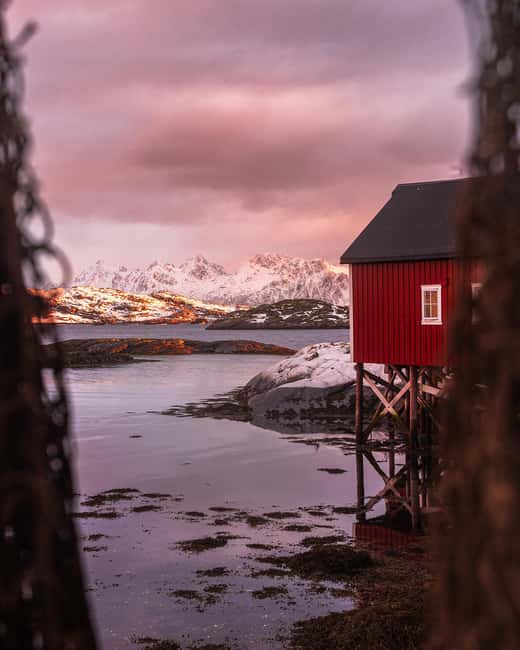
- Svinøya fishing village walk with stories that explain how the coast shaped everyday life
- Lofoten Cathedral inside visit with wood details and stained glass to catch in cooler indoor light
- Kabelvåg: Vikings plus WWII resistance covered in the same town circuit
- Henningsvær harbor and colorful streets with built-in breaks for photos and a chance to refuel
- A 12th-century finish at Gimsøy Church with coastal views and a calm end to the day
Why this 5-hour Lofoten History and Photo Tour is a smart way to spend your time
Lofoten can feel like a lot at once. Canyons of coastline, dramatic peaks, fishing villages that look straight out of a painting. The trick is knowing what you’re looking at.
That’s where this tour shines. You get a tight 5-hour loop with transport between key villages, plus stops chosen for both history and photography. The group stays small, capped at 8 people, so you’re not just herded from one photo spot to another. And because the guide is a photographer, the day has practical shooting value: where to stand, what to include, and how to work the angle as the scenery shifts.
The price is $152 per person for a half-day with guided commentary and transportation. Food isn’t included, but the structure is: you’re paying for an efficient way to cover multiple sites that would take longer and cost more if you were stitching it together on your own.
You can also read our reviews of more tours and experiences in Svolvaer.
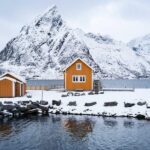
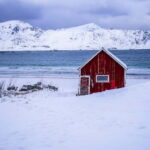
Starting at Svinøya Rorbuer: the fishing-village warm-up you’ll remember
The tour meets you outside Svinøya Rorbuer reception in Svolvær. That’s a good start point because it places you in the real working-coast mood fast, not after a drive-and-guess session.
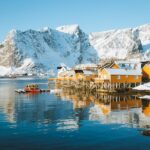
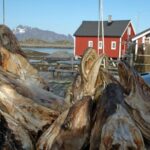
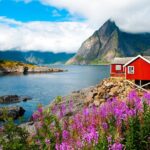
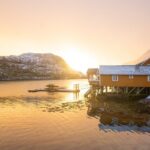
From Svinøya, you do a short guided walk through a historic fishing village setting: colorful wooden cabins and bobbing fishing boats. This first stretch matters because it gives you a baseline for everything else later. When someone explains Lofoten’s fishing story here, it stops being abstract. You can look around and connect the dots: why this coast was valuable, how a village built its identity, and how daily work shaped local culture.
Practical tip: start your tour with your camera ready but don’t over-shoot the first two minutes. Take one wider scene first, then come in closer for details like weathered wood, mooring lines, and how boats sit in the harbor.
Lofoten Cathedral: woodwork, stained glass, and an Arctic-color shift
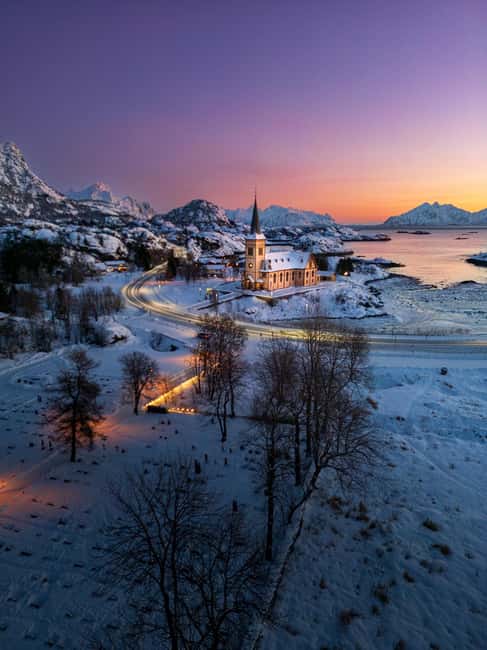
Next comes Lofoten Cathedral, a tall landmark that feels like a compass point against the Arctic setting. What makes this stop more than a quick photo is that you step inside.
Inside, you’ll see the kind of craftsmanship that’s hard to appreciate from the outside alone. Think intricate wooden carvings and stained glass windows. This is the rare moment on many Lofoten days where the lighting changes fast: bright cold outdoors, softer tones inside, with details that pop when you slow down.
Photography note: indoor churches usually mean lower light and lots of dark-to-light contrast. The guide’s photo expertise is useful here because you can adjust quickly—where you stand, how to keep the frame from getting cluttered, and how to avoid harsh glare on glass areas.
The cathedral also sets an emotional tone. Faith and resilience aren’t just themes on a sign; the building and setting make them feel real.
Kabelvåg: Vikings and WWII resistance, told where it happened
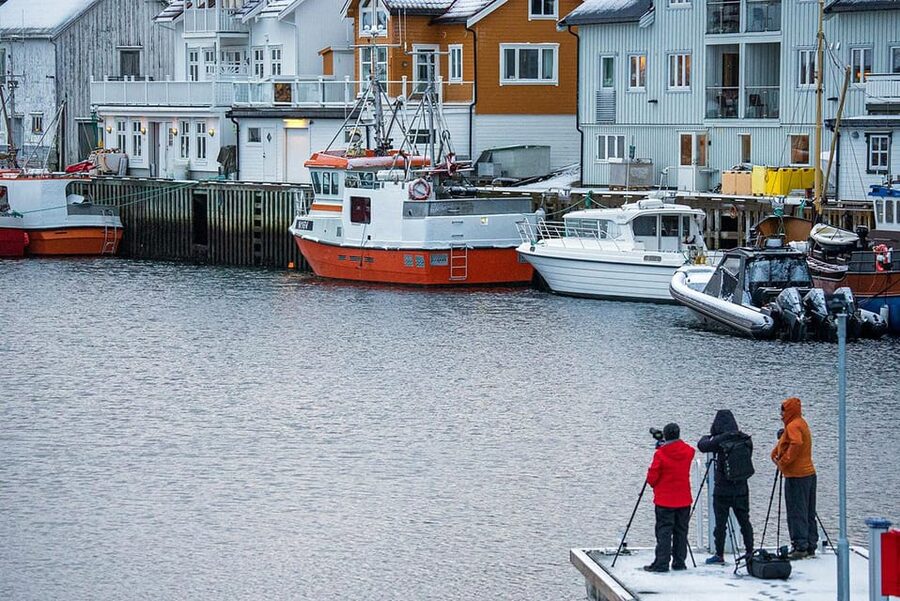
Then you head to Kabelvåg, a town with layers. First the Viking history: this is where the tour frames the sagas and Viking lore in a way that connects to the place itself. You learn about what Vikings brought to the region and how stories grew from the lives and routes tied to these waters.
After that, the tour turns to World War II history, including key sites tied to Norwegian resistance against Nazi occupation. This second chapter is delivered on the same ground, which is powerful. You stop looking at Kabelvåg like a backdrop and start seeing it like a timeline.
What you should expect: more structured storytelling and more “look closely” moments. The guide will point out landmarks and explain why they matter, so you’re not just collecting facts—you’re learning how to read the town.
Small caution: if you’re the type who gets restless in long explanation moments, bring patience. This stop leans more historical than scenic, though it still includes plenty of photo-worthy angles.
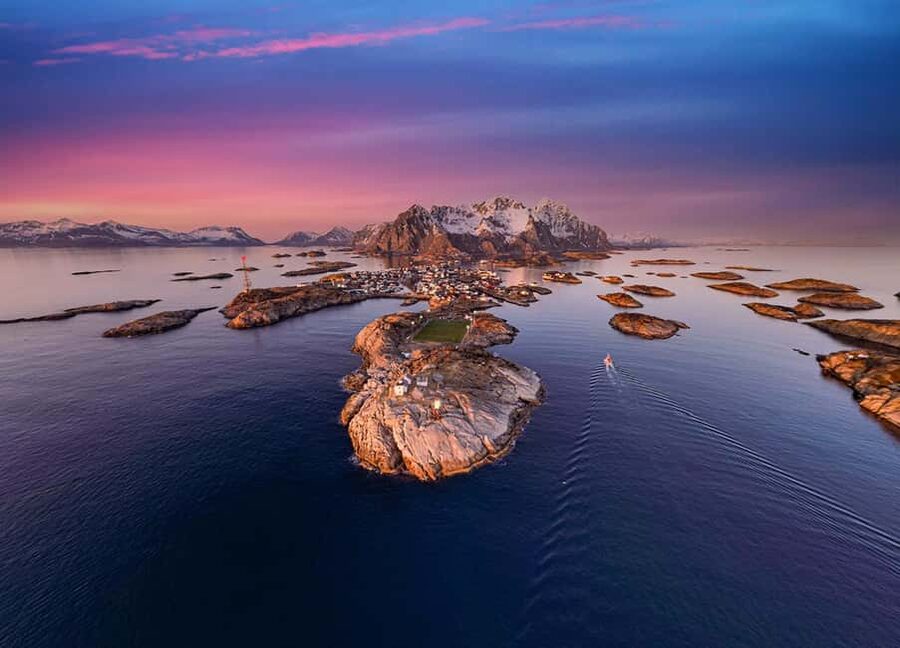
Henningsvær harbor time: a real fishing village with great photo geometry
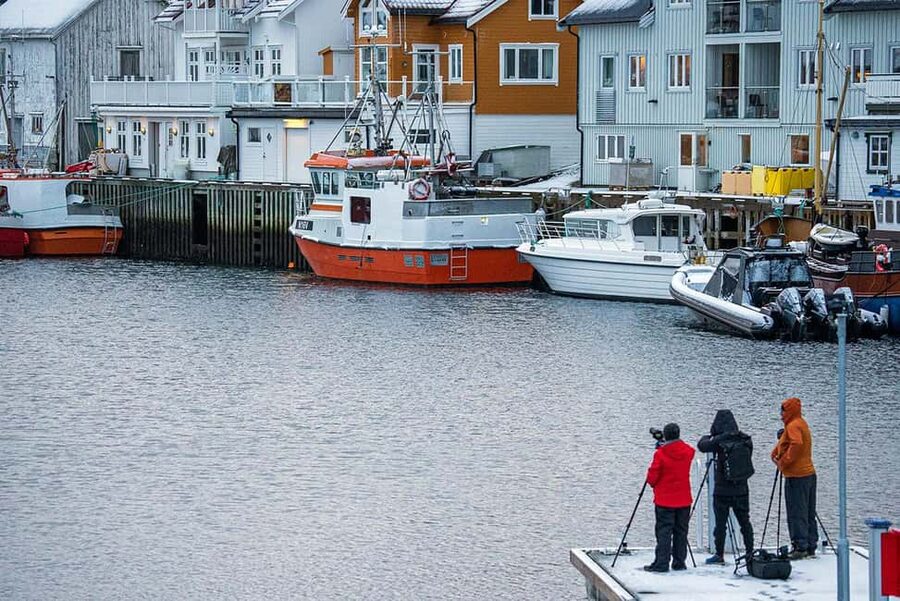
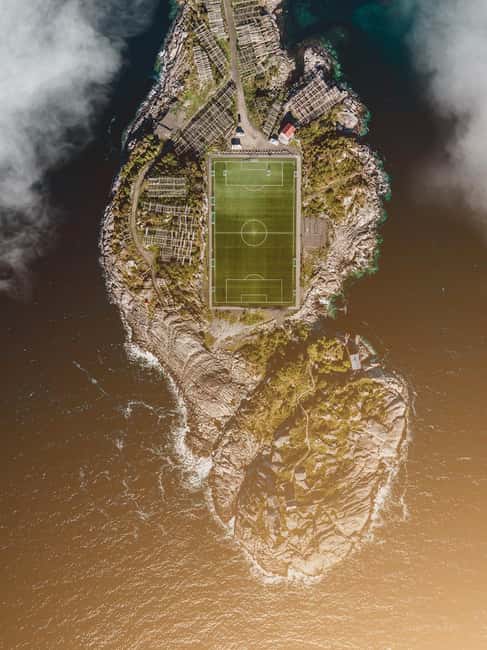
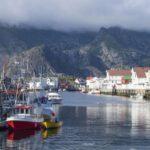
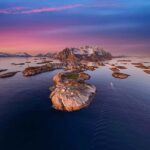
After Kabelvåg, you arrive in Henningsvær, another famous fishing village perched by the sea. Here the atmosphere shifts to something lighter. You’ll explore harbor fronts, historic warehouses, and streets with colorful buildings.
This is where the photography coaching really pays off, because you have choices:
- wide angles for the harbor lines and building rows
- mid-shots for street texture and architectural rhythm
- details for signs, woodwork, and the “working village” feel
There’s also a chance to stop for lunch or coffee in Henningsvær, and this is explicitly not included in the tour price. I like that the tour gives you the option instead of forcing a one-size-fits-all meal stop. You can pick a place based on what you’re craving and how hungry you are.
Tip for value: since lunch isn’t included, keep some budget aside so this stop doesn’t become stressful. A quick coffee can feel like a reset button in cold weather.
The countryside plus Gimsøy Church: geology lessons and a calm finishing scene
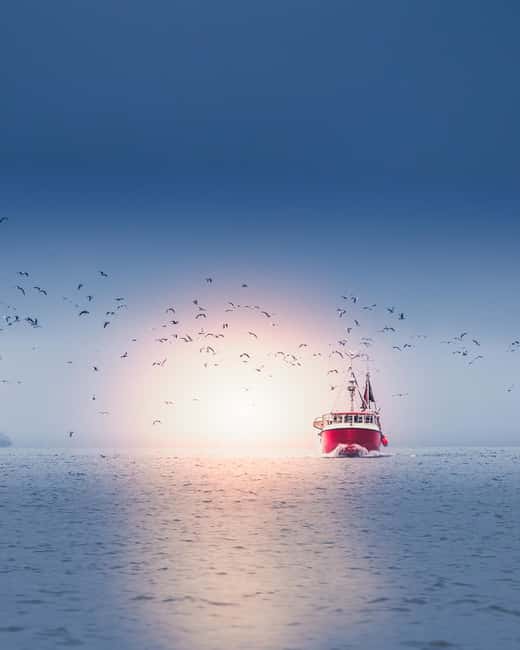
After Henningsvær, the tour heads into the countryside. This is one of those “less about a single building, more about understanding the region” sections. You’ll get explanations about the geology and geography of Lofoten, which helps you see why the scenery looks the way it does.
Then you finish at Gimsøy Church, a wooden church dating back to the 12th century. This is a peaceful stop to close your day. You’ll likely feel the contrast: earlier villages have busy harbors and visible working life; here you get stillness and space.
The setting is a big part of why this works: you get sweeping coastal vistas and views of snow-capped mountains (depending on season). Even if you’re not the most religious person, churches often make good places to pause. This one does the job.
If you want photos here, go slow. Let the guide show you a couple of angles, then take a few minutes for your own framing. With older buildings and big views behind them, it’s easy to rush and end up with photos that feel too busy.
Photography coaching that helps you shoot better, not just take pictures
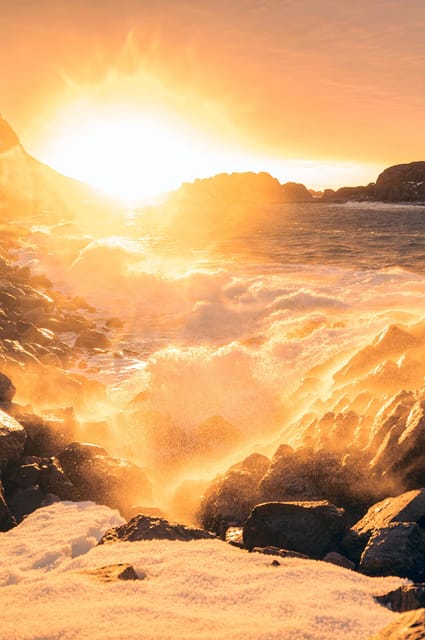
You’re getting more than “where to stand.” The tour is led by a professional photographer guide, and the best part is that they build opportunities into the route.
You’ll have multiple stops—fishing village, cathedral interior, a Viking/WWII town circuit, a harbor village, then a 12th-century church—so you get different lighting and subjects. That variety is perfect for practicing the basics:
- wide frames that show place
- mid shots that show people’s relationship to the coast (boats, harbors, buildings)
- detail shots that add texture (wood, carved elements, historic structures)
There’s also good practical comfort built into the day. The transportation is included, and on at least one winter run the bus was clean and warm, with commentary you can hear easily even from the back. That matters because in cold weather, comfort isn’t a luxury—it’s what lets you focus on the sights.
Timing, group size, and what to pack for a smooth half-day
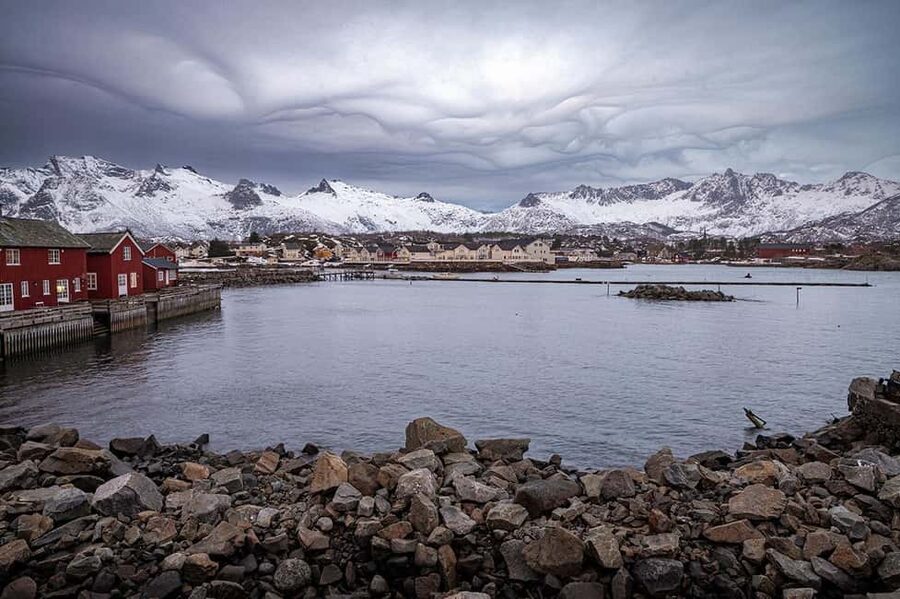
This is a 5-hour tour and it’s designed to feel full, not rushed. You’ll be traveling between areas by transportation included, and the walking segments are short but real.
The group is small, limited to 8 participants, so you can actually listen and ask questions without fighting the crowd.
What to bring is simple:
- comfortable shoes for uneven outdoor surfaces
- comfortable clothes for Arctic conditions
I’d add one personal common-sense note: dress in layers. A tour that includes both outdoor villages and an indoor church usually means you’ll swing between warm and cold in a matter of minutes.
Price and value: what your $152 buys (and what it doesn’t)
At $152 per person for 5 hours, you’re paying for a package:
- a guided tour through multiple historic stops
- transportation between those stops
- a professional photography guide
Food and drinks are not included, which is fair for a half-day. You’ll have a chance for lunch or coffee in Henningsvær, but you’ll cover that yourself.
Here’s the value logic I’d use to decide:
- If you want to hit several villages plus a church interior with minimal planning, this is efficient.
- If you’re comfortable driving and researching on your own, you could recreate parts of it—though you’ll lose the photography coaching and the storytelling structure that ties stops together.
Who this tour is best for
This one works especially well if you:
- want a photo-focused guide who explains settings and viewpoints
- like history but also want it tied to places you can see
- prefer small groups and clear timing over a DIY day with lots of stops
It’s also a good fit if you’re visiting in winter and you’d rather spend your energy on guided time than on navigation. With snow or ice, having transportation and a set route reduces friction.
Should you book this half-day Lofoten history and photo tour?
Yes, if you want the best mix of fishing tradition, Viking and WWII storytelling, and photography help in one compact day. It’s also a solid choice if you’re staying around Svolvær and want to see more than just one village.
Skip it or consider another option if you hate walking on uneven ground or you’re expecting a purely scenic nature hike. This tour is structured around towns, buildings, and historic sites, with countryside time included mainly for context.
If you’re aiming to understand Lofoten while also coming home with better photos, this one is a strong bet.
FAQ
How long is the tour?
It runs for 5 hours.
How much does the tour cost?
The price is $152 per person.
How many people are in the group?
It’s a small group limited to 8 participants.
What language is the tour guide?
The live tour guide speaks English.
Where is the meeting point?
Meet outside the reception of Svinøya Rorbuer in Svolvær.
What stops are included during the tour?
You’ll visit Svinøya, Lofoten Cathedral, Kabelvåg, Henningsvær, and finish at Gimsøy Church.
Is lunch included?
No. There’s an opportunity to stop for lunch or coffee in Henningsvær, but food and drinks are not included in the price.
Is transportation included?
Yes. Transportation is included.
What should I bring?
Bring comfortable shoes and comfortable clothes.
Can I get picked up from somewhere else in Svolvær?
Yes. You can also be collected from the Tourist Information Office in Svolvær or from Lofoten Rorbuer or Marina Hotel if you message after booking.