REVIEW · DHAKA
Dhaka Street & Culture Photography – Private Full-Day Tour
Book on Viator →Operated by Cholo Bangladesh Tours · Bookable on Viator
Dhaka turns your camera into a passport. This private full-day photo tour strings together Old Dhaka markets, the Buriganga river launch terminal, and the shipyard zone, with a rickshaw ride and a customizable route built around what you want to shoot.
What I like most is the practical access. Hotel pickup and drop-off keep the day from turning into a transportation puzzle, and the route is designed to get you into places that feel real, not just postcard. I also like the included lunch and bottled water, because in Dhaka heat and crowds, the best photos come when you are not constantly searching for time-wasting basics.
One possible drawback: the tour needs good weather, and monsoon rain can slow things down and limit how freely you can photograph in certain spots.
In This Review
- Key things that make this tour worth your time
- The value: why $65 for a full day can actually make sense
- Your day starts at 8:30 am: a photo-first rhythm
- Stop 1: Karwan Bazar (Kawran Bazar) for close-up street energy
- Stop 2: Shahbag Flower Market for color and early-morning character
- Stop 3: Sadarghat Launch Terminal and Buriganga River photo time
- Stop 4: Ship maintenance and the shipyard edge—serious industrial visuals
- Stop 5: Shankhari Bazar for cultural heritage and everyday craft
- Stop 6: Kamalapur Railway Station for architecture in motion
- Customization: how to use it if you’re serious about photos
- Transportation and comfort: what to expect between stops
- Who this tour is best for (and who might want to skip it)
- Booking smart: questions to ask before you go
- Should you book this Dhaka Street & Culture Photography tour?
- FAQ
- What time does the tour start?
- How long is the Dhaka Street & Culture Photography tour?
- Is this tour private?
- Is hotel pickup and drop-off included?
- What’s included in the tour price?
- Does the tour have a weather requirement?
- What is the cancellation policy?
Key things that make this tour worth your time
- A private, customizable plan for your interests, not a one-size-fits-everyone checklist
- Old Dhaka by rickshaw, which helps you photograph at street level instead of just from a window
- Early-morning market energy, from Kawran Bazar to the flower market at Shahbag
- Buriganga river time with a launch terminal stop plus photo opportunities around the ship maintenance areas
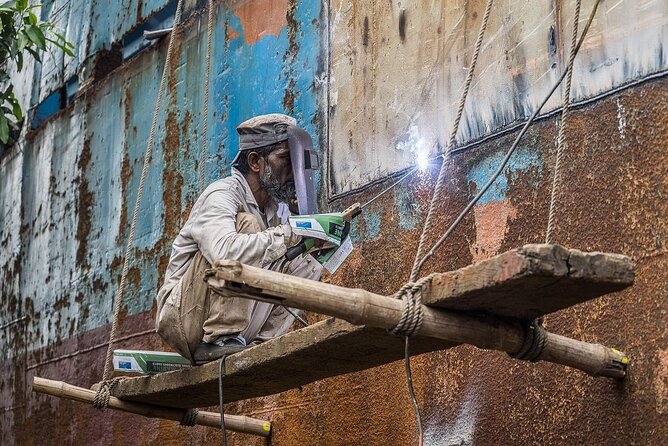
- Hands-on access to industrial Dhaka, including the shipyard area by the river
- Comfort built in, with an AC vehicle option, local transport, lunch, and bottled water
The value: why $65 for a full day can actually make sense
Sixty-five dollars in Dhaka buys more than a driver and a map. You’re paying for a guide, a full-day pace that’s organized around photography, and hotel transfers that remove a lot of friction. That matters because Dhaka runs on traffic, timings, and getting to the right place at the right moment.
You also get a structured mix of transport. The day uses an air-conditioned car (or local transport options), then switches to on-foot walking and a local rickshaw. That combination is smart for photos: you get speed to move between areas, and you get slower, human-scale movement where faces, textures, and street details show up.
Then there’s the human side. Past tours were guided by people such as Rockie/Rocky, Nuhash, and Rabbi, and the standout theme in the feedback is how smoothly the day ran—especially communication and punctual pickup. If you care about getting shots of people and everyday life, having someone who knows how to manage the flow is half the battle.
You can also read our reviews of more tours and experiences in Dhaka.
Your day starts at 8:30 am: a photo-first rhythm
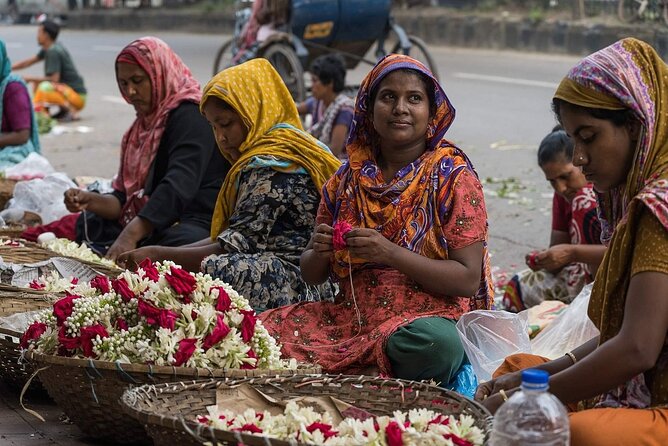
The tour begins at 8:30 am, and the total time is about 8 hours. In practice, that gives you enough daylight for markets and street scenes, plus time along the Buriganga river before the afternoon heat and heavier crowds change the feel of the streets.
You’ll be picked up from your hotel or the airport, depending on what applies to you. The guide and driver handle the handoffs and routing, so you can focus on composing shots rather than figuring out where to stand, where to walk, and how to move through busy areas.
The day is private, meaning only your group goes along. That’s useful if you want to pause longer at a place, shoot in a different direction, or take your time framing portraits and architecture. You won’t be pushed along by strangers who are only interested in a quick stop photo.
Stop 1: Karwan Bazar (Kawran Bazar) for close-up street energy
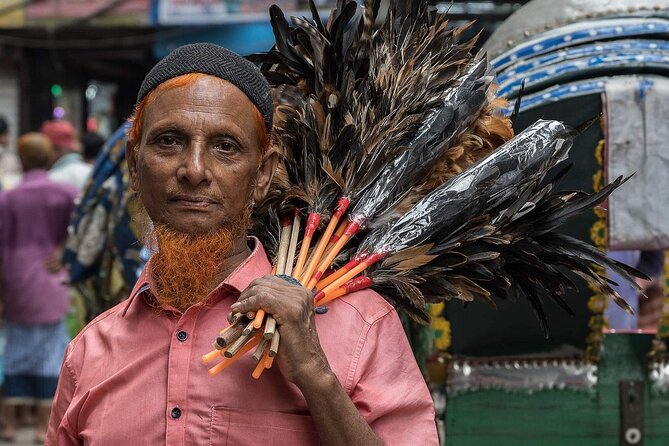
Karwan Bazar, also known as Kawran Bazar, is a major wholesale market. This is the kind of place where the best photos usually come from details: hands working, goods being loaded, people in motion, and the layered colors of everyday commerce.
You get about an hour here. That time window is long enough to walk a useful loop and short enough that you still have energy for the rest of the day. Photography-wise, I like how wholesale markets create instant stories. Even if your camera is set to portrait mode, you’ll still find architecture-like patterns in how goods are stacked and how paths open up between stalls.
Practical tip: in markets, expect close quarters and constant movement. A guide helps you position without wandering into the wrong flow. It’s also easier to keep your shots varied—faces one minute, textures the next—without spending half your time asking for directions.
Stop 2: Shahbag Flower Market for color and early-morning character
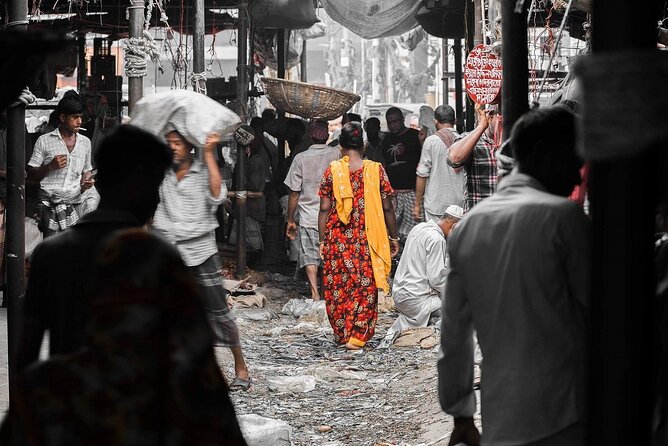
Next comes the Shahbag flower market. It’s a main wholesale and retail hub, and it’s at its best when business is just getting going. You’re there for about 30 minutes, which is short, but that’s common for morning markets: the moment matters.
Flower markets can feel visually simple from far away—until you’re close. Then you get color gradients, different species of petals, and the quick choreography of small business owners buying, wrapping, and moving. For photography, this is ideal if you like a mix of portrait-style shots and still-life composition.
One consideration: with only 30 minutes, you’ll want your camera settings ready. If you tend to fiddle mid-walk, you’ll miss the easiest moments when people are most active. The guide’s job is to keep you moving efficiently, so you get the best chance at clean frames.
Stop 3: Sadarghat Launch Terminal and Buriganga River photo time
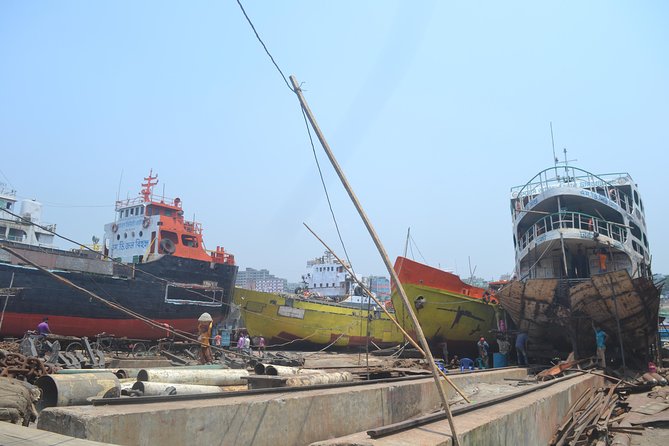
Sadarghat Launch Terminal is where the river meets daily life. This stop gives you both photography time and time on the Buriganga River via boat ride.
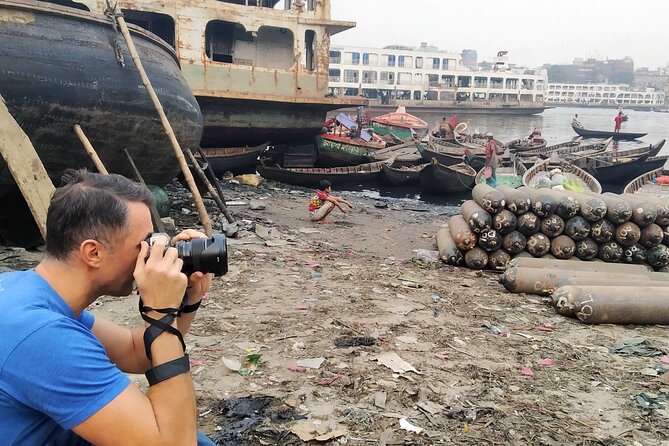
You’ll spend about two hours total here, and the plan also includes a photo opportunity around the ship maintenance yard area brought in by your guide. That’s a big deal for photographers because it adds industrial angles and textures beyond the terminal itself. You’re not just shooting boats. You can also shoot the work environment, the shapes near the water, and the contrast between people’s everyday movement and the machinery around them.
This is also a good place to shift your approach. On land, you can chase faces and storefront detail. On water and at the terminal, you get a mix of wider context shots and tighter compositions of hands, ropes, signage, and people framed by the river’s movement.
Weather note: if it’s raining, you may have fewer “walk-around freely” moments. You’ll still get photo time, but the best frames might be from angles that are easier to access and safer under changing conditions.
Stop 4: Ship maintenance and the shipyard edge—serious industrial visuals
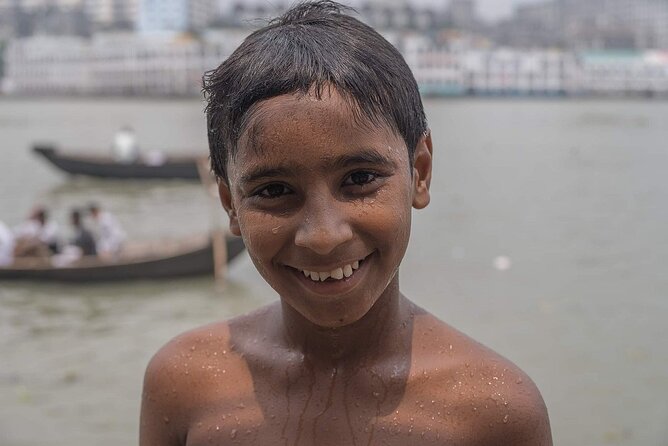
After the terminal, you move toward the shipyard area. This is where you’ll be photographing an industrial hive by the banks of the Buriganga River. The tour notes highlight that the shipyard is dangerous if you’re careless, so you’re meant to be guided through it rather than roaming.
You’ll spend about one hour here. That hour is enough for a focused set of images: towering near-the-river structures, industrial textures, and the dramatic contrast between the scale of the yards and the human presence moving through them.
For photographers, shipyards can be challenging. Light may be uneven, and the environment is active. A guide helps you find workable sightlines without wasting time. Also, you’ll likely spend less mental energy on safety logistics and more on shooting.
Stop 5: Shankhari Bazar for cultural heritage and everyday craft
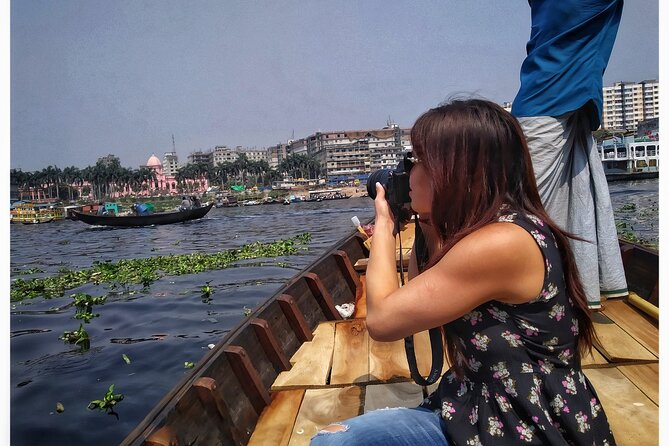
Shankhari Bazar is known for culture and heritage tied to the Hindu community. This stop lasts about one hour.
What makes this good for photography is that it’s less about spectacle and more about daily life. Places tied to community heritage often give you scenes with a stronger sense of rhythm: people moving between tasks, small businesses, and architectural details you can’t easily replicate elsewhere.
It’s also a useful change of pace after the river-and-industry stops. You shift back to street-level human scenes and heritage textures. If you’re building a photo set that tells a story across the day, this stop helps connect the dots.
Consideration: since this is a community-focused area, keep your attention on respectful photography. The value of a guide here is not just framing—it’s knowing how to behave in the space while still getting your images.
Stop 6: Kamalapur Railway Station for architecture in motion
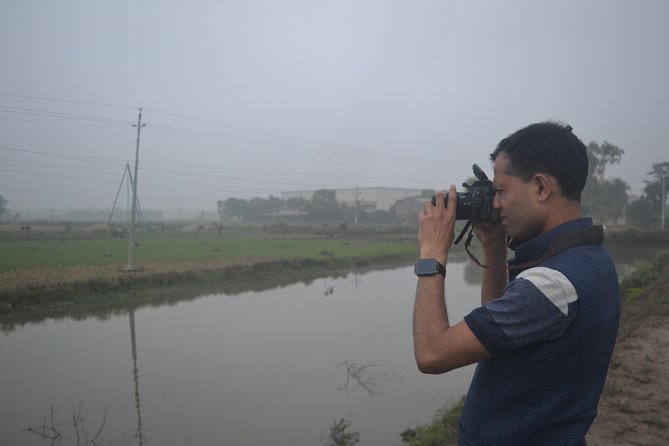
Kamalapur Railway Station, also referred to as Dhaka Railway Station, is a central transport hub and the largest station in the country. It’s a busy place by nature, so photography here is about timing and positioning.
You’ll spend about one hour. Railway stations are great for layered compositions: signage, structural lines, people waiting, and the sense that the city is always moving. You can shoot portraits of people against the station’s geometry or go for wider shots that show the flow.
This is also a strong “ending chapter” in a photography day. Markets show commerce, the river shows work and transit, and the station shows the city’s long-distance heartbeat. By the time you reach Kamalapur, your photos often start feeling like a complete narrative instead of separate stops.
Customization: how to use it if you’re serious about photos
The tour is described as customizable based on your interests. That’s important because photography needs differ. Some people want more portraits. Others want street architecture. Some care more about boats and industry, while others focus on markets and faces.
Here’s how I’d use the customization idea without overthinking it:
- If you want people-focused photos, tell the guide you want more time at markets and community streets, and less time lingering in high-variance industrial lighting.
- If you want dramatic industrial scenes, lean into the Buriganga terminal plus the shipyard zone, and ask for photo angles that separate the scale of structures from the people.
- If you want a balanced portfolio, stick to the provided route order, because the day already alternates between dense streets and wider river/station scenes.
Past feedback also highlights that guides were organized and helped maximize opportunities even when the day got messy due to monsoon weather. That’s a sign the customization isn’t just a marketing line. It’s treated like a real part of how the day gets planned.
Transportation and comfort: what to expect between stops
You’ll travel by private car and local options. The tour includes air-conditioned car or local transport like rickshaw/tuktuk/Uber-like options depending on the chosen option. You’ll also spend time walking, and you’ll take a local rickshaw for Old Dhaka.
The best part about this setup is that you don’t end up stuck in one transport mode all day. Markets and community areas often require on-foot movement. River and station areas benefit from faster transfer by car. The rickshaw gives you a street-level viewpoint that usually feels different from sitting in a vehicle.
Also included is bottled water and lunch. That’s not glamorous, but it’s practical. When you’re shooting in heat, hunger and thirst show up fast and ruin your concentration. Having lunch included helps you stay on schedule for the afternoon portion of the route.
Who this tour is best for (and who might want to skip it)
This tour fits best if you want a photo-rich day that mixes everyday Dhaka with high-contrast locations like river terminals and shipyards. If your photography style includes street portraits, documentary textures, or industrial drama, you’ll likely get good variety.
It also suits first-time visitors who don’t want to spend their time figuring out routes through crowded areas. With pickup and drop-off, you avoid the biggest headache: getting to the right place when you only have one day.
If you’re the type who hates crowded environments or only wants quiet, scenic views, this may feel intense. Also, because the tour needs good weather, you should plan for the possibility of rain affecting how freely you can photograph in some areas.
Booking smart: questions to ask before you go
Before you lock in, I’d message the operator with two quick points:
1) What are you most interested in shooting: people, markets, river activity, or industrial structures?
2) What’s your comfort level with crowded areas and walking time?
You’ll get a better day if the guide can adjust your walking pace and the balance of time you spend in each kind of location. The tour is private and customizable, so it should respond to your priorities.
Also, since the day is roughly eight hours and starts at 8:30 am, plan your morning around that pickup window. If you arrive late or miss the start, your whole schedule shifts, and photography depends on being in the right place at the right time.
Should you book this Dhaka Street & Culture Photography tour?
Book it if you want one organized, photo-focused day that goes beyond famous landmarks and into real working Dhaka—markets, flowers, river life, shipyard industrial scenes, community areas, and the railway hub. The included guide, lunch, bottled water, and hotel transfers are the kind of value that makes a difference in a city where logistics can quietly eat your time.
Skip it if rain or wet conditions would stress you out, or if you prefer low-traffic, low-crowd sightseeing. And because the shipyard area is described as dangerous if you’re not careful, make sure you’re comfortable following your guide’s directions closely.
FAQ
What time does the tour start?
The tour starts at 8:30 am.
How long is the Dhaka Street & Culture Photography tour?
It lasts about 8 hours.
Is this tour private?
Yes. It’s private, and only your group participates.
Is hotel pickup and drop-off included?
Yes, hotel pickup and drop-off are included.
What’s included in the tour price?
It includes a guide, lunch, bottled water, and local transport options such as an air-conditioned car or local transport (including rickshaw). Admission tickets at the listed stops are free.
Does the tour have a weather requirement?
Yes. The experience requires good weather. If it’s canceled due to poor weather, you’ll be offered a different date or a full refund.
What is the cancellation policy?
You can cancel for free up to 24 hours in advance for a full refund. If you cancel less than 24 hours before the start time, the amount paid is not refunded.