REVIEW · ADDIS ABABA
9 days Omo Valley Tribes and Photography Tour
Book on Viator →Operated by Sycamore Ethiopia Tours · Bookable on Viator
Waking up for tribal portraits in the Omo Valley is the point. This tour stitches together people, wildlife, and photo stops from Addis Ababa all the way down to places like Turmi, Konso, Arba Minch, and Hawassa. I love the way it blends tribal culture with big nature moments, so your camera gets more than one kind of day.
I also like that the trip runs as a private experience with your own transport and included meals, which makes long travel days less stressful. One drawback to plan around: this is a serious road-and-early-start itinerary, and it isn’t a good match if you have health issues or you dislike long drives and dust.
In This Review
- Key Things That Make This Omo Valley Photo Tour Special
- Why This 9-Day Omo Valley Route Clicks for Photographers
- Addis Ababa First: Lucy at the Museum, Entoto Views, Trinity Cathedral, Merkato
- Day 2 to Jinka: Ari Tribe Village and the Jinka Museum Setup
- Day 3: Mago National Park for Mursi and Turmi as Hammer Country
- Day 4: Dassanech Near the Border and a Real Omo River Boat Segment
- Day 5: Karo Tribes, Dimeka Saturday Market, and Konso Terraces
- Day 6 and 7: Konso Museum, Arba Minch Views, Chamo Lake Crocodiles, Dorze Bamboo Houses
- Day 8 and 9: Hawassa Lake, Sodo/Sidamo/Wolayta Villages, Fish Market, Ziway Birds, Addis Farewell
- Photography Tips That Work With This Exact Style of Travel
- Price and Value: What’s Included, What to Budget Separately
- Should You Book This Omo Valley Tribes and Photography Tour?
- FAQ
- How long is the Omo Valley Tribes and Photography Tour?
- Where does the tour start?
- Is pickup included?
- Are meals included?
- Are park or museum fees included?
- How many flights are included?
- What trips or sightseeing happen in Addis Ababa?
- What is not included in the tour price?
- Do I need good weather for this tour?
Key Things That Make This Omo Valley Photo Tour Special
- Private route and transport keep your schedule tight and your camera time intentional
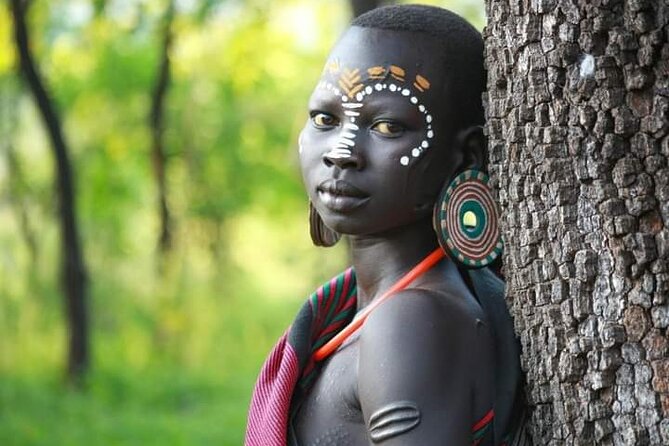
- Tribe variety across regions: Mursi, Hammer groups around Turmi, Dassanech, Karo, and more
- Wildlife and lakes are built in, not tacked on at the end
- Chamo Lake boat time gives you a shot at Nile crocodiles and aquatic birds
- Konso terraces and villages add a different kind of cultural photography story
- Guide care is a theme, with Haile specifically praised for attention to clients
Why This 9-Day Omo Valley Route Clicks for Photographers
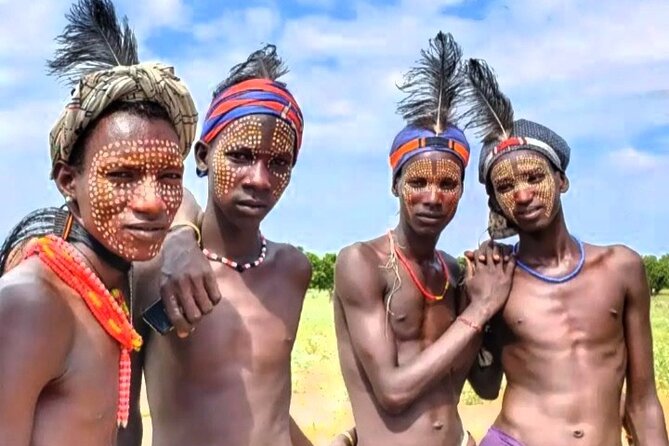
If you care about real-world moments, not just scenic stops, this itinerary has the structure you want. It moves through Ethiopia in a way that’s designed for encounters: morning starts, village visits, market time, then nature breaks where the light and wildlife energy are different.
You’ll also like the pacing on a practical level. There are long days, yes, but you’re not stuck in one place for nine days straight. Instead, you get changing backdrops: Addis Ababa museums and churches up high, then Mago National Park area trips, then river and lake time down south.
Finally, this feels built for a private group. With accommodation, transport, and fees handled, you spend your mental energy on what matters: asking permission before photographing people, watching for the best light, and staying patient when schedules shift in remote areas.
You can also read our reviews of more tours and experiences in Addis Ababa.
Addis Ababa First: Lucy at the Museum, Entoto Views, Trinity Cathedral, Merkato
Your trip opens in Addis Ababa, which is a smart move. You get a real city warm-up before the Omo Valley dust and distance.
Start at the National Museum of Ethiopia, where you’ll see the famous fossil remains of Lucy. The ticket details are clear here: museum time is listed as included, and the overall stop is about an hour. I like this because it sets a context for Ethiopia beyond the stereotypes you may have seen online.
Next comes Entoto Natural Park, a short climb toward panoramic city views. You’ll get about an hour here, and it’s a good place to reset your camera settings: brighter sun, wider shots, and less “people-only” pressure.
Trinity Cathedral Addis Ababa is another useful stop, especially if you enjoy architectural photography. It was built by Emperor Haile Selassie in 1944 and is still a major Ethiopian Orthodox site, with about an hour scheduled.
Then there’s Merkato, one of Africa’s largest open markets. Your stop is about an hour, free time, and it’s the kind of place where you’ll get street portraits, vendor details, and busy textures. Just keep your approach respectful: markets can feel chaotic, and people may be busy rather than “available for photos.”
Day 2 to Jinka: Ari Tribe Village and the Jinka Museum Setup
On day 2 you fly from Addis Ababa to Jinka. That flight matters because it trims wasted road time and gets you closer to the southern cultures faster.
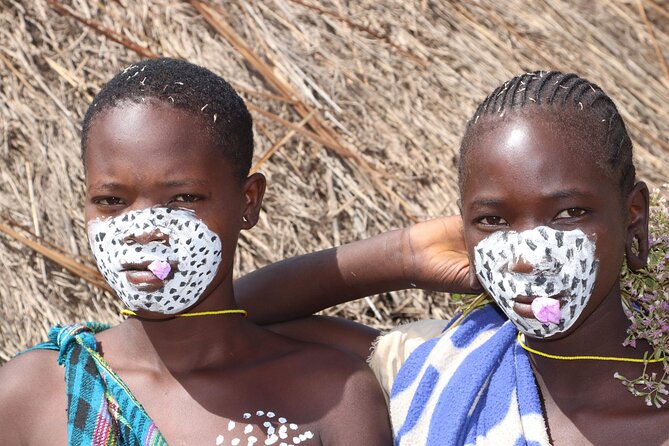
In Jinka, you’ll visit the Jinka Museum and then head to an Ari tribe village. The schedule lists about three hours total. This combination is handy for photography: museum time helps you understand what you’re seeing later in villages, while the village visit is where your camera will do its real work.
What I’d watch for here is comfort and readiness. After a flight, heat and light can feel sudden. Bring lenses that cover both wide environmental shots and tighter portrait framing, and be ready to work fast if the light is strong and the group movement is quick.
Day 3: Mago National Park for Mursi and Turmi as Hammer Country
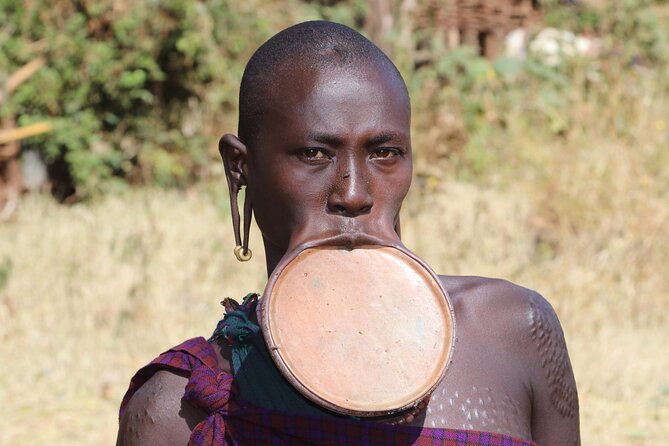
Day 3 begins with a drive to Mago National Park. The idea is straightforward: you’re in the right region to photograph and learn about the Mursi tribe and village life. The itinerary notes they’re known by the lip plate, which is a major visual element people associate with this area.
After the morning and midday programming, you move toward Turmi in the afternoon. Turmi is described as the heart of Hammer tribes, so this is where your trip starts concentrating on the wider Hammer-area culture around the Omo Valley.
A practical consideration: these areas can be dusty and bright. If you’re shooting with a camera that needs lens changes, consider bringing a simple routine—wipe lenses often, and keep your camera shaded between setups when you can. You don’t want to lose the best moment because you’re fighting your gear.
Day 4: Dassanech Near the Border and a Real Omo River Boat Segment
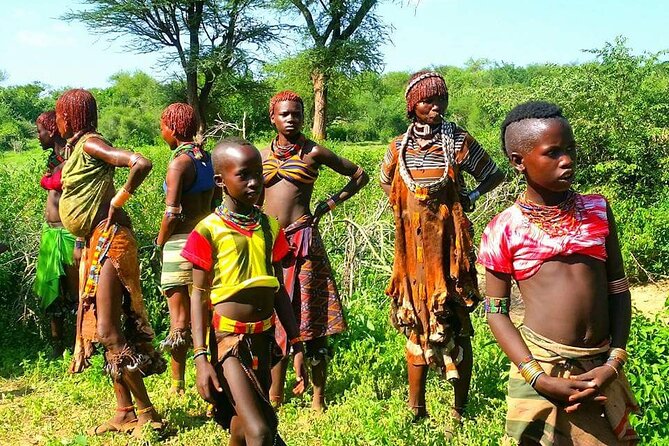
Day 4 is built around the Omo River and the Dassanech tribes near the Ethio-Kenya border. You’ll drive to Omorate, then cross by local boat on the river. This is one of the most “cinematic” parts of the trip because the river adds motion and a different angle on the surrounding life.
The route is scheduled for about seven hours. After the boat and village time, you drive back to Turmi for lunch, then continue visiting the Hammer village with sunset timing.
Sunset is the key word. In this region, light falls fast, and people tend to look their best when the sky softens. For photos, plan to shoot wide first (context), then shift to tighter portraits once you see what’s happening as evening settles in.
One small reality check: boat segments can be unpredictable depending on conditions. You’ll get a good experience if you stay flexible and treat it as part of the adventure rather than a controlled studio shoot.
Day 5: Karo Tribes, Dimeka Saturday Market, and Konso Terraces
Day 5 starts early. You head toward the Karo tribes settled near the Omo River, then return toward Turmi. On the way, you stop at Dimeka, noted for its Saturday market—your chance to photograph trade, daily life, and tribe mixing in a more active setting.
Then it’s onward to Konso, arriving late afternoon for overnight. The itinerary calls out the roads via Woyto, which likely means a scenic drive punctuated by practical stops.
Konso is worth the effort because it’s not just “another village.” It’s known for terrace farming and unique villages, so your photography story shifts from portraits and facial details to human-made landscapes and living community design. Even if you mostly shoot people, terrace villages give you a powerful background that makes portraits feel rooted in place.
Day 6 and 7: Konso Museum, Arba Minch Views, Chamo Lake Crocodiles, Dorze Bamboo Houses
Day 6 keeps you in Konso longer. You’ll visit the Konso tribe areas known for terrace villages, then stop at the Konso museum up to mid-day. After that, you drive to Arba Minch, arriving late afternoon. This gives you a breather time at the end of a travel-heavy day, plus views to enjoy from the town.
Day 7 is where wildlife and culture combine. You’ll head about 12 km to Chamo Lake for a boat trip. The goal is to see Nile crocodiles and aquatic birds until mid-day. It’s not just a quick ride; the itinerary frames it as the day’s highlight.
After lunch time, you continue about 30 km to Dorze village, known for traditional bamboo houses and a waving system. You then return to Arba Minch.
If you’re into photography, Chamo Lake can be tricky and rewarding. Boat light can be harsh, and wildlife spotting takes patience. For portrait-style shots in villages like Dorze, approach matters: start with respectful body language, shoot when people are comfortable, and avoid blocking pathways.
Day 8 and 9: Hawassa Lake, Sodo/Sidamo/Wolayta Villages, Fish Market, Ziway Birds, Addis Farewell
Day 8 shifts you toward Hawassa. You’ll drive about 272 km, passing through green mountains, with stops in Sodo town to see villages of Wolayta and Sidamo tribes. You’ll arrive in Hawassa mid-day and then have time to see Hawassa Lake and city highlights.
Day 9 brings you back north. You’ll visit the fish market in Addis Ababa and then drive back, with a stop to see Ziway Lake and birds along the way. The itinerary also notes a welfare program in the evening before transfer to the airport.
This day is valuable because it gives you “real life” visuals that aren’t only tribal or only wildlife. Fish markets can be intense and photogenic, and Ziway’s bird time adds a calmer natural tone before you fly out.
One more practical point: after nine days of seeing so much, your camera backlog can feel endless. Build a quick sorting routine each night—save the strongest shots to a separate folder so you don’t drown later.
Photography Tips That Work With This Exact Style of Travel
You don’t need fancy gear, but you do need a workflow that fits remote travel.
- Bring a simple kit: a versatile zoom for portraits and moments, plus one wider lens for village context
- Use shade and patience. If the sun is blazing, wait ten minutes—light often softens
- Ask before close portraits. If you’re respectful, people relax faster
- Shoot sequences, not single frames. In villages and markets, expressions shift quickly
- Protect your gear from dust. A small microfiber cloth and a lens blower help a lot
- Keep your expectations flexible. Boat and sunset moments can change depending on conditions
Also, since this is a private trip, you usually get more control over pacing than group tours. That’s a big deal for photography because you can linger when you’re getting good light, then move on when the action moves.
Price and Value: What’s Included, What to Budget Separately
The price shown here is listed as $0.00, so treat that as a placeholder. Real-world value comes from what the package includes versus what you still need to pay.
What’s included in this tour:
- Private transport and accommodation
- All fees and taxes
- One flight per person
- Meals for the full schedule: breakfast (9), lunch (9), dinner (9)
What’s not included:
- Visa fees and your airfare
- Alcoholic drinks
- Tips and gratitude gifts
So the value equation is about reducing the number of separate payments and planning headaches. You’re not juggling transport bookings, entrance fees, and meal budgeting day by day. For a 9-day remote itinerary, that peace of mind matters.
If you’re comparing options, look for the same items included: meals, transport, fees, and lodging. If any of those are missing, the “cheap” price often turns into expensive add-ons.
Should You Book This Omo Valley Tribes and Photography Tour?
Book it if you want a structured route that combines Omo Valley tribes, markets, rivers, and wildlife—and you want the logistics handled so you can focus on your camera and your interactions. This is also a good fit if you like private travel and you’re comfortable with a moderate fitness level and long travel days.
Skip it if you need an easy pace, have health constraints that limit long drives, or you’re the type who hates dust, early starts, and schedule shifts. Remote Ethiopia is not a theme park, and this itinerary leans into the real rhythm of the region.
FAQ
How long is the Omo Valley Tribes and Photography Tour?
It’s listed as 9 days (approx.).
Where does the tour start?
It starts in Addis Ababa, Ethiopia.
Is pickup included?
Pickup is offered, and the tour includes private transport.
Are meals included?
Yes. Breakfast is included for 9 days, and lunch and dinner are also included for 9 days each.
Are park or museum fees included?
All fees and taxes are included in the tour.
How many flights are included?
The tour includes 1 flight per person.
What trips or sightseeing happen in Addis Ababa?
You’ll visit places including the National Museum of Ethiopia (Lucy), Entoto Natural Park, Trinity Cathedral, and Merkato, plus additional city time.
What is not included in the tour price?
Visa fees and air ticket expenses are not included, and alcoholic drinks and tips or gratitude gifts are also not included.
Do I need good weather for this tour?
The experience requires good weather. If it’s canceled due to poor weather, you’ll be offered a different date or a full refund.