A camera-ready walk through Seoul’s old-and-new corridors.
This 2-hour street photoshoot with a historian guide is built around real neighborhoods, real landmarks, and golden-hour photo timing. You’ll move through Jongno’s UNESCO-linked sites and photo-friendly lanes, ending with an easy continue-on moment in Ikseon-dong.
I especially like the pairing of history storytelling and professional photo guidance. Guides James and Jakob keep things friendly, and they’re the type to help you pose without turning it into an awkward performance. The big win for me is that you leave with edited photos, not just a pile of blurry memories.
One thing to consider: it’s a moderate walk and it’s not suitable if you use a wheelchair or need mobility support. If you hate walking in the sun—or the rain—you’ll want to pack smart and plan your day around it.
In This Review
- Key highlights you’ll feel right away
- Starting at Jongno 3-ga: the simple setup for an efficient shoot
- Ikseon-dong Hanok Village: café streets, gentle alleys, and “tourist-free” angles
- Jongmyo Shrine: when your photos need structure (not just style)
- Sewoon Arcade: textures, shade, and why covered streets are photo gold
- Cheonggyecheon: a short walk that pays off in golden-hour color
- The second Sewoon Arcade pass and the extra photo stop: it’s not random
- What’s included in the photos: the part most people underestimate
- The guides: James and Jakob make the pacing feel human
- Price and value: $44 for history plus edited professional photos
- What to bring (and what to wear) so the photos turn out
- Who this tour suits best (and who should skip)
- Ending in Ikseon-dong: keep the day going without extra planning
- Should you book this Seoul street photo and history tour?
- FAQ
- How long is the Seoul Street Photoshoot and Hidden Gem History Walking Tour?
- Where do we meet for the tour?
- What photo deliverables are included?
- Which areas does the tour cover?
- What languages are the guides?
- Can I cancel, and what’s the weather plan?
Key highlights you’ll feel right away
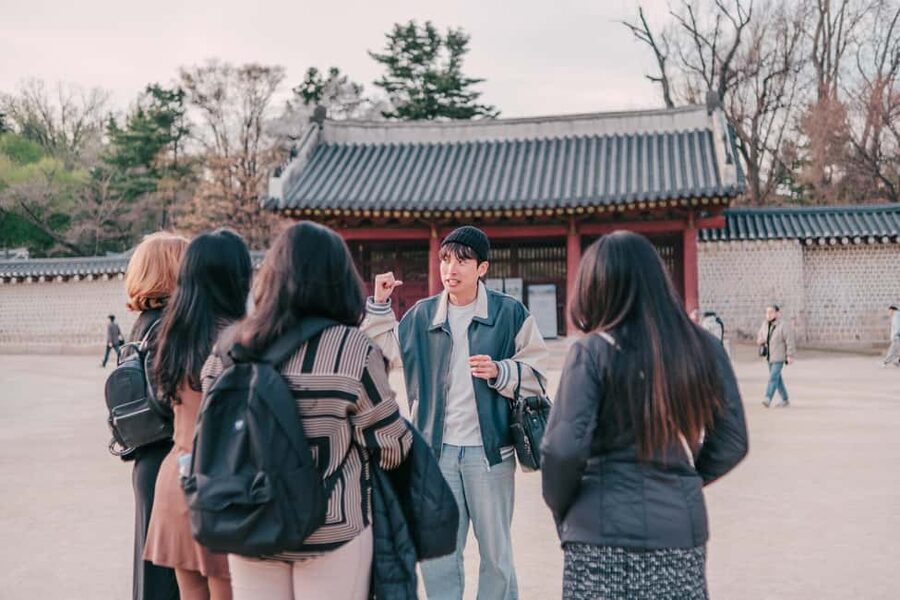
- Small group (max 10) means you’re not lost in the crowd when it’s time to shoot
- Jongno + UNESCO-linked stops give your photos a story, not just a pretty background
- Ikseon-dong Hanok café street is an easy place to get that styled Seoul look
- Sewoon Arcade and Cheonggyecheon deliver strong textures and light for photography
- Edited photo delivery via OneDrive (1 month) removes the guesswork after the tour
Starting at Jongno 3-ga: the simple setup for an efficient shoot
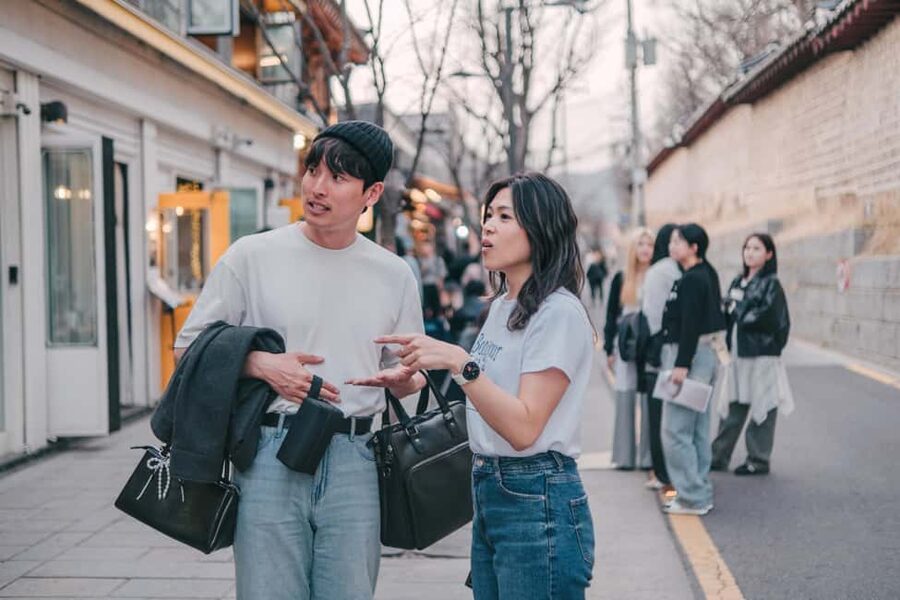
Meet at Jongno 3-ga Station, Exit 5. That matters because you’re starting in a place with easy transit access, and you don’t waste your first hour hunting for the group.
From there, the tour design keeps you moving through the Jongno district in a tight loop. You’re not bouncing all over the city. It’s paced for real walking time plus enough stopping points to get photos that actually look planned.
You can also read our reviews of more tours and experiences in Seoul.
Ikseon-dong Hanok Village: café streets, gentle alleys, and “tourist-free” angles
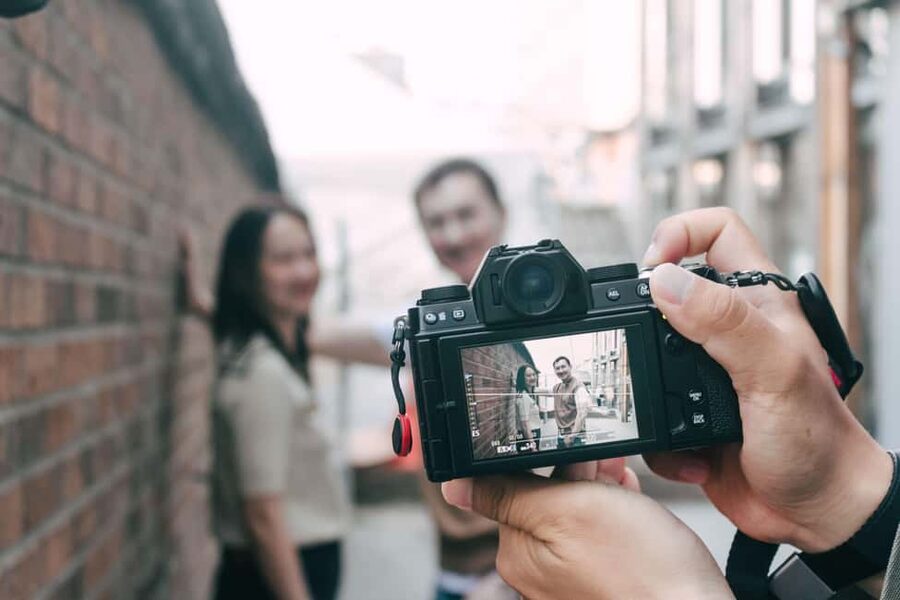
Ikseon-dong Hanok Village is where the tour shifts into that Seoul-meets-coffee vibe. You get a photo stop plus time to walk and absorb the setting, about 20 minutes in this area.
This is a great place to shoot if you want images with character. Hanok-style lanes give you natural lines and warm textures, and the café street feel makes your photos look like you planned them ahead of time. It’s also a smart stop for beginners, because the streets are visually busy in a controlled way—you don’t have to fight for a background.
A practical note: if you only bring one outfit, you’ll feel it later. One review tip that comes up often is to bring a change of clothes so you don’t end up with the same look in every shot. Even just swapping tops or adding a layer can make the photo set feel more varied.
Jongmyo Shrine: when your photos need structure (not just style)
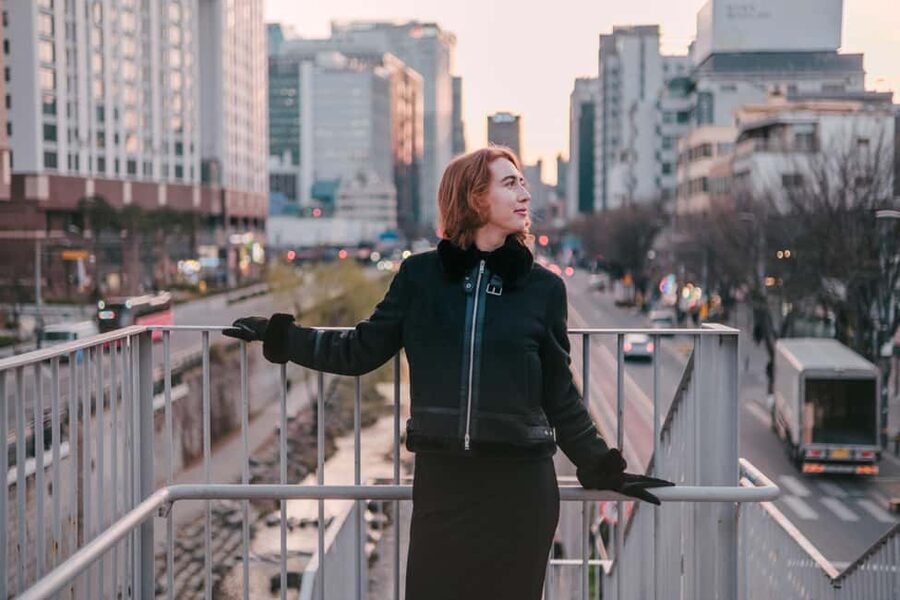
Then you head to Jongmyo Shrine for another 20-minute photo-and-walk segment. This stop is different from café streets. Here, you’re working with symmetry, traditional architecture, and a sense of place that reads clearly in photos.
For your camera, this is where you’ll benefit from having a photographer on the route. They can spot angles you’d miss while you’re reading signs or trying not to step in front of other visitors. For your brain, the historian guide adds the context that makes the location more than a backdrop.
The tour approach here is key: it’s not just “take a picture, move on.” You’re guided through what to look for and where to stand so your photos match the story.
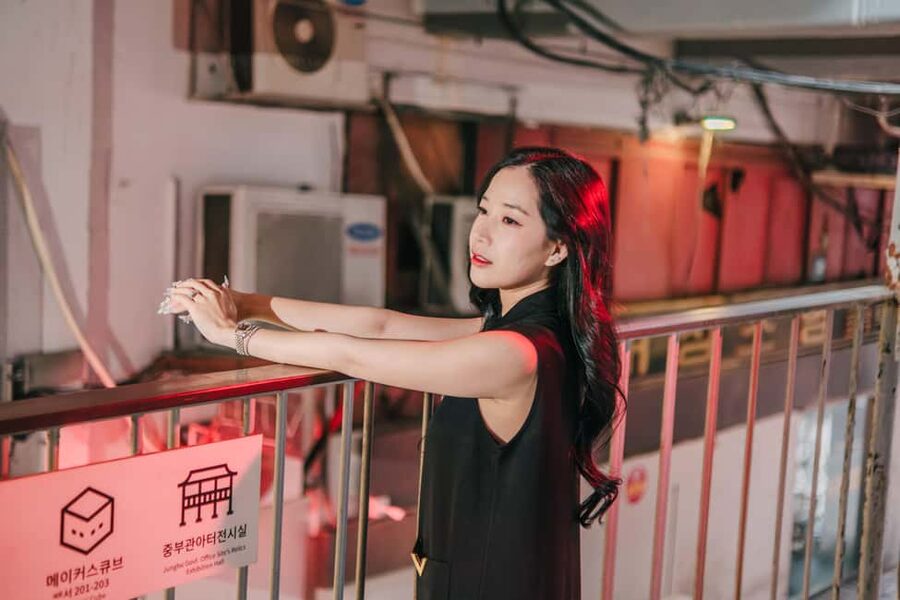
Sewoon Arcade: textures, shade, and why covered streets are photo gold
Next comes Sewoon Arcade, another 20 minutes. This is the kind of place where light behaves differently than on open streets. Covered walkways can give you softer lighting, and the repeating shapes help your photos look cohesive.
The arcade also teaches a useful lesson for your photography: backgrounds don’t have to be scenic. They just have to be readable. Sewoon’s structure does that for you, which makes it easier to get consistent results even if you’re not a confident photographer.
You’ll see it again later too, which tells you something important about the tour pacing. The guide isn’t just checking off locations; they’re timing photo moments and revisiting strong backdrops when the conditions suit shooting.
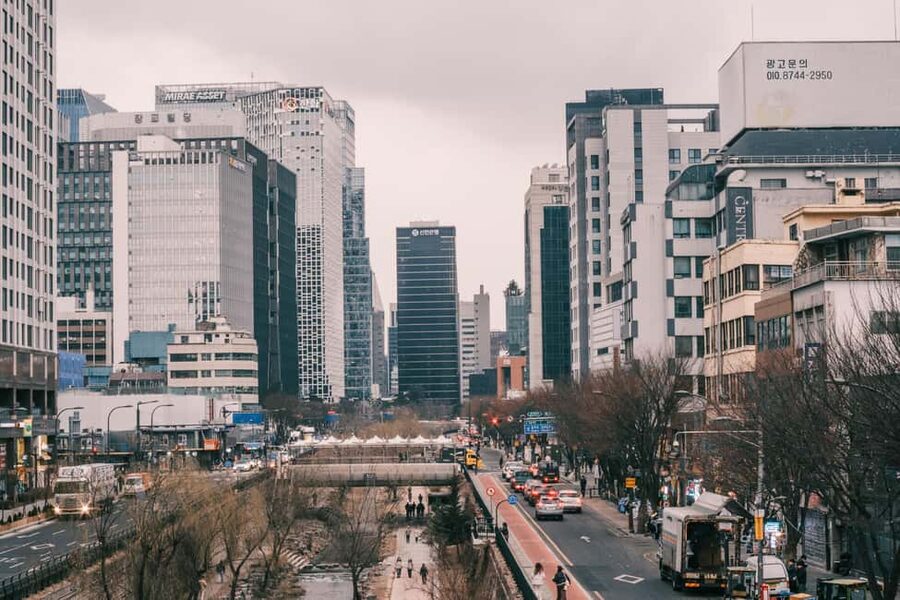
Cheonggyecheon: a short walk that pays off in golden-hour color
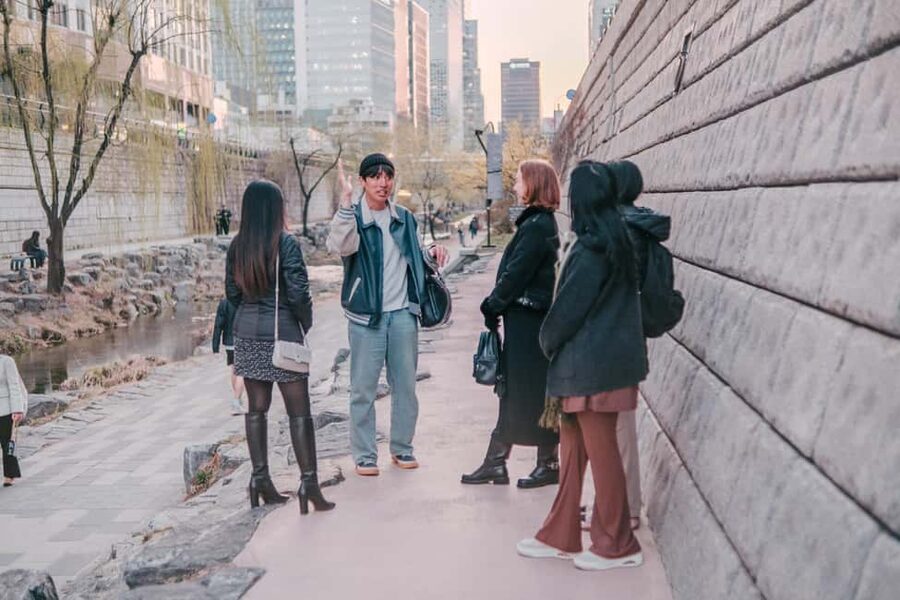
Cheonggyecheon is a brief stop—about 15 minutes—but it’s built for effect. Waterfront paths can reflect light and create a natural line leading through your frame, which is exactly what you want when the goal is photos that look polished.
This is also one of the most practical stops on the route if you like calm moments. You’re walking, yes, but it’s not the same “crowd navigation” feeling as some street scenes. You get time for photos without feeling like you’re constantly relocating.
The tour mentions golden-hour timing for a reason: the light on this type of urban waterway often gives warmer tones and softer contrast than harsh midday sun.

The second Sewoon Arcade pass and the extra photo stop: it’s not random
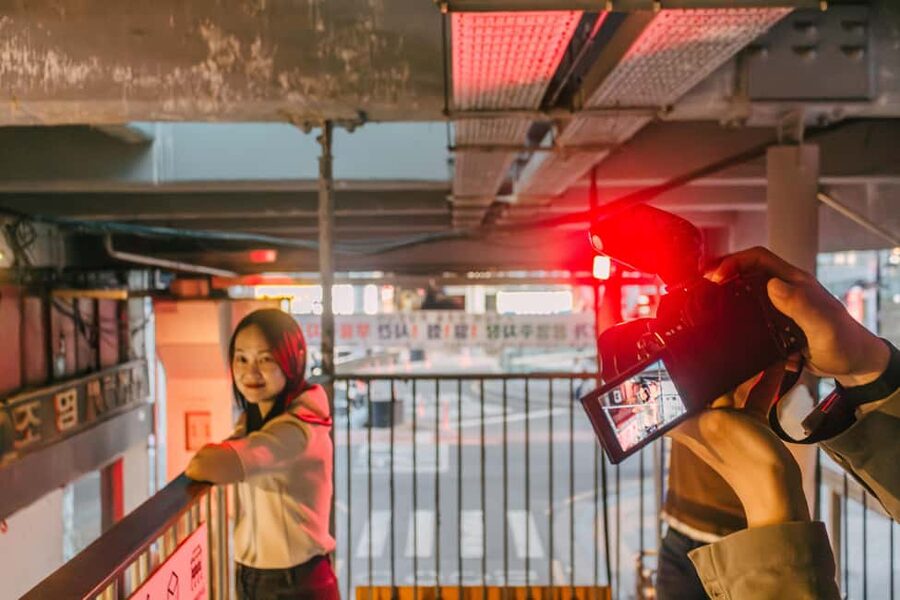
After Cheonggyecheon, you return to Sewoon Arcade for another 15 minutes. Then there’s an additional 25-minute segment for another photo stop and guided walk before the tour ends.
That structure matters. If you’re thinking of this as only a “history tour,” the repeated arcade stop will surprise you. It’s really a photography plan. Multiple short sessions let the photographer adjust based on your posing comfort, the light, and the flow of people around you.
So don’t treat it like a checklist. Treat it like a progression. Early on you learn how to stand, where to look, and how to use the background. Later you apply it fast.
What’s included in the photos: the part most people underestimate
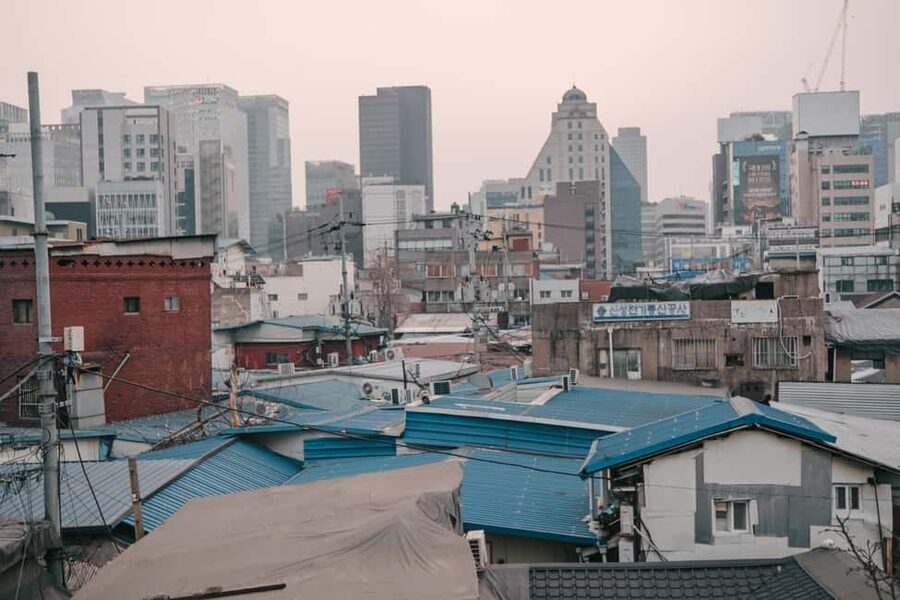
This tour includes all edited photos, with post-processing and color edits. That’s huge value because editing can cost extra if you do it yourself, and it’s often where random phone shots turn into something that looks like it belongs in an album.
You also get a downloadable Microsoft OneDrive link available for one month. This is practical. You can download the full set when you’re back home and sorting travel photos feels less chaotic than doing it on the spot.
One more detail I like: the emphasis isn’t only on taking pictures. The guides help you feel comfortable in front of the camera. That shows up in multiple review themes: patience, friendliness, and making solo travelers look natural instead of stiff.
The guides: James and Jakob make the pacing feel human
The tour’s quality is tightly connected to the guide experience. Reviews highlight James for history and engagement, and Jakob for helping people get great results with posing and comfort.
That combo matters in the real world. If you only get a historian, photography can feel like an interruption. If you only get a photographer, you can end up with pretty photos that don’t explain what you’re looking at. Here, you get both, and the result is smoother than you’d expect.
Also, the group stays small, capped at 10 participants. That size is what keeps the walk from turning into a slow-moving crowd line. It’s easier for the photographer to check who needs a quick reset, and you’re more likely to get personal suggestions.
Price and value: $44 for history plus edited professional photos
At $44 per person for about 2 hours, this can look simple on paper. But the value comes from what you’re actually buying: curated photo stops, guided history, and a finished deliverable (edited photos) you can share right away later.
Most budget tours give you stories. This one adds a tangible output. If you’re traveling solo, that matters even more. Getting decent photos of yourself while sightseeing is usually a pain. A guide-and-photographer setup solves that without you begging strangers or sprinting back and forth for self-timed shots.
For couples and friends, it’s also a win. You get flattering angles and consistent lighting, and the editing means your set looks like it was planned, not stitched together.
What to bring (and what to wear) so the photos turn out
Plan for walking and heat. The tour asks for comfortable shoes, water, and comfortable clothes, plus things that help you stay in shooting shape: a hat and sunscreen.
Bring your camera if you have one, but even if you shoot with a phone, having the right outfit and staying comfortable makes the biggest difference in your results. Reviews repeatedly stress comfort and weather-readiness, and that’s not just for vibes—it affects how natural you look in photos.
Rain happens in Seoul. The tour notes that an umbrella isn’t included, so check the forecast and decide what you’ll do if weather turns.
Who this tour suits best (and who should skip)
This is a strong fit if you want a Seoul day that mixes context with aesthetics. It’s particularly good for solo travelers, couples, and friends who care about getting photos that look polished, not accidental.
It’s also ideal if you like guided structure. Two hours is long enough to cover a few meaningful areas, but short enough that you still have energy to explore on your own afterward.
Skip it if you have mobility constraints. It’s listed as not suitable for people with mobility impairments or wheelchair users, and you should expect a moderate walking pace.
Ending in Ikseon-dong: keep the day going without extra planning
After the shoot, the tour ends in the Ikseon-dong area, which is convenient. You can head straight into the café-and-street vibe without reworking your schedule.
This is one of those details that makes the whole experience feel smooth. You don’t just learn and shoot and then stand around deciding what’s next. You’re released into a neighborhood where continuing is easy.
Should you book this Seoul street photo and history tour?
If you want photos that look professional and you want history told in a way that connects to what you see on the street, book it. The small group size, the historian guide, and the edited photo delivery make the $44 feel justified.
I’d especially recommend it if you’re traveling solo or if you’re the person in your group who usually ends up behind the camera. This is built to put you in the frame—with help.
Don’t book it if walking is a problem for you or if you hate adjusting to weather. Otherwise, come with comfy shoes, a camera or phone, and an outfit plan. Your future photo set will thank you.
FAQ
How long is the Seoul Street Photoshoot and Hidden Gem History Walking Tour?
The tour lasts about 2 hours.
Where do we meet for the tour?
You’ll meet at Jongno 3-ga Station, Exit 5.
What photo deliverables are included?
All edited photos are included, with post-processing and color edits. You also get a downloadable Microsoft OneDrive link available for one month.
Which areas does the tour cover?
You’ll visit stops including Ikseon-dong Hanok Village, Jongmyo Shrine, Sewoon Arcade, and Cheonggyecheon, and the tour ends in Ikseon-dong.
What languages are the guides?
The live tour guide is offered in English and Korean.
Can I cancel, and what’s the weather plan?
You can cancel up to 24 hours in advance for a full refund. An umbrella is not included, so check the weather forecast and dress accordingly.