REVIEW · COPENHAGEN
Private Photography Workshop in Copenhagen
Book on Viator →Operated by Cityphototour · Bookable on Viator
Rain or shine, Copenhagen teaches your camera. This private photography workshop pairs you with a professional photographer for a hands-on session built around the city’s best photo spots. You’ll move through classic hits like Nyhavn and the Marble Church, but with guidance that turns sightseeing into sharper images.
What I like most is the one-on-one pace. Because it’s private (up to 2 people), your route can slow down for questions, and you can spend extra moments on the frame you actually care about.
My second favorite part is the teaching is tailored to you. The photographer plans the lesson based on your past experience and your current equipment, with coaching on composition and exposure. One consideration: you’ll get the best value if you’re ready to work your way through different camera settings on the move, and you may need to bring (or arrange) a camera.
In This Review
- Key Highlights You’ll Feel Right Away
- A Private Photographer, Not a Line of Stops
- Price and What You Get for a 3-Hour Copenhagen Shoot
- Meet at Dantes Plads, Then Work a Smart Photo Route
- Nyhavn Harbor Color: Framing Mood at the Water’s Edge
- Stroget Street Photography: Working a Crowded Street with Intent
- Copenhagen City Hall Square: Candid Chances in a Public Space
- Amalienborg Palace Museum: Royal Foreground and Street-Level Scenes
- Frederiks Kirke (Marble Church): Rococo Architecture Meets Your Creativity
- Christiansborg Slot: Power Buildings on a Small Islet
- Copenhagen Opera House: Style, Lines, and a Playful Session
- Rosenborg Castle: Summerhouse Origins and a Park for Playful Shots
- What You Learn: Composition, Exposure, Finding the Motive
- Rain, Wind, and Weather Changes: Dress Like a Shooter
- Who This Workshop Is For (And Who Might Skip It)
- Should You Book This Private Copenhagen Photography Workshop?
- FAQ
- How long is the private photography workshop?
- How many people are included in the private group?
- Where do I meet, and where does it end?
- Do I need a camera?
- Does the tour run in bad weather?
- Are admission tickets needed for the stops?
Key Highlights You’ll Feel Right Away
- Private, up-to-2 group means less waiting and more time for feedback
- Route built around learning so you practice composition and exposure, not just pose
- Iconic Copenhagen landmarks give instant variety: harbor color, street candid moments, and grand architecture
- Pro guidance on your equipment helps beginners and more experienced shooters
- All-weather operation keeps the workshop moving even when the sky changes
A Private Photographer, Not a Line of Stops
This is a Copenhagen photography workshop where your “guide” is also your working photographer. That matters, because they can watch what you’re doing and correct it in real time—things like framing choices, exposure decisions, and how to find a motive instead of simply pointing at buildings.
In a big group, you often get one good opportunity and then you’re off to the next. Here, the advantage of a private setup is control: you can linger at the right angle, adjust your settings, and ask why a particular shot works.
And yes, it’s still sightseeing. But it’s sightseeing with a purpose, so you’ll come away with images that feel intentional, not accidental.
You can also read our reviews of more tours and experiences in Copenhagen.

Price and What You Get for a 3-Hour Copenhagen Shoot
The price is $375.21 per group (up to 2) for about 3 hours. On paper, that can sound high if you compare it to a standard walking tour. But you’re paying for a professional photographer’s time plus targeted instruction, not just a route and a few captions.
If you’re traveling solo, the value is still solid when you want real coaching. But if you have a friend or family member who wants to learn alongside you, the up-to-2 format spreads the cost and can make the session even better—because you can compare approaches and keep testing ideas.
Also, the stops are all centered on places you’d likely want to visit anyway. Most of them are straightforward to photograph without paid entry, which keeps the session focused on learning rather than ticket juggling.
Meet at Dantes Plads, Then Work a Smart Photo Route
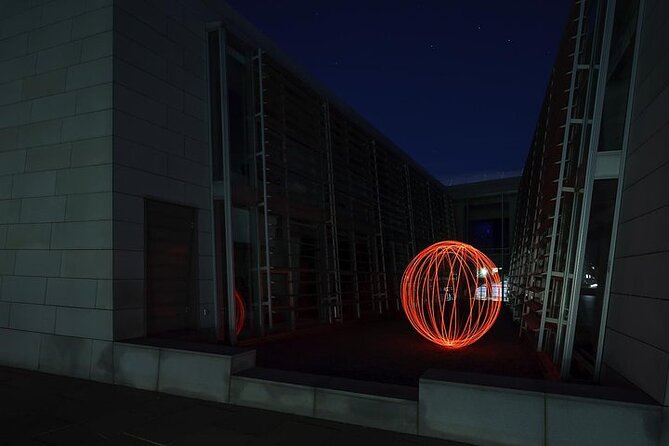
You’ll meet at Dantes Plads 7, 1704 København. The workshop ends back at the meeting point, so you’re not dealing with tricky end-of-tour logistics.
The format is a walk with structured photo moments. The whole route moves through eight stops, starting at the harbor and stepping through streets, civic buildings, royal residences, and big architectural anchors. Each stop is timed (from about 10 to 25 minutes), which is helpful when you’re practicing settings on the fly.
The best part is that you’re not locked into one single style. The session includes guidance on composition and exposure, plus the practical skill of identifying what’s worth photographing when the scene is crowded or changing fast.
Nyhavn Harbor Color: Framing Mood at the Water’s Edge
Stop 1 is Nyhavn, a classic Copenhagen harbor scene known for color and atmosphere. You get about 25 minutes, with the location itself being the main attraction—there’s no admission ticket needed for this stop.
Nyhavn is ideal for practicing two things:
- Leading lines and framing using the boats, canal edges, and building facades
- Handling light changes, especially if weather flips quickly
One likely challenge here is that the area is popular. That means you’ll want to work fast with your compositions and keep an eye on exposure as lighting shifts between bright facades and darker water.
Stroget Street Photography: Working a Crowded Street with Intent
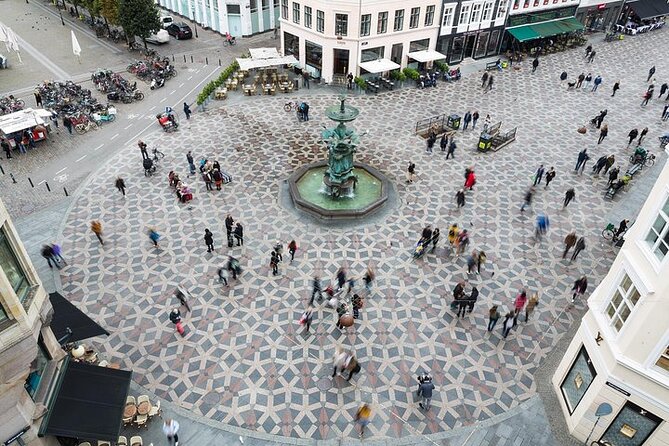
Stop 2 is Stroget, the pedestrian main street. You’ll have about 20 minutes and free entry for what you photograph along the way.
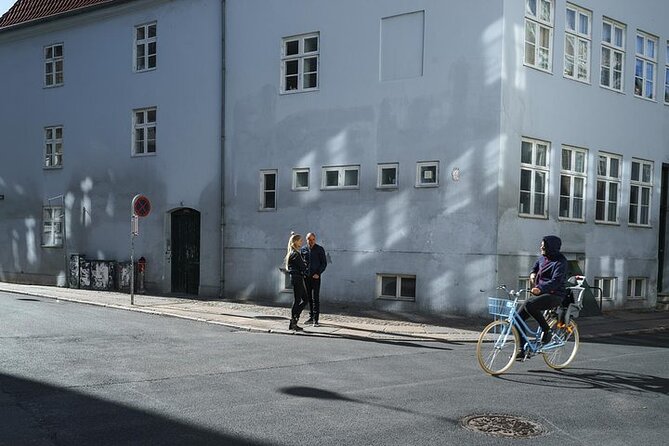
This is where your photographer’s coaching really pays off. Street scenes are messy: lots of people, lots of small storefront details, and constant movement. The trick is learning how to choose a “motive” (the subject that makes sense), then compose around it.
A practical thing you’ll likely learn in this kind of coaching is how to simplify. Even on a street with endless visuals, you can pick one strong shape, one human interaction, or one interesting storefront composition and build the photo around that.
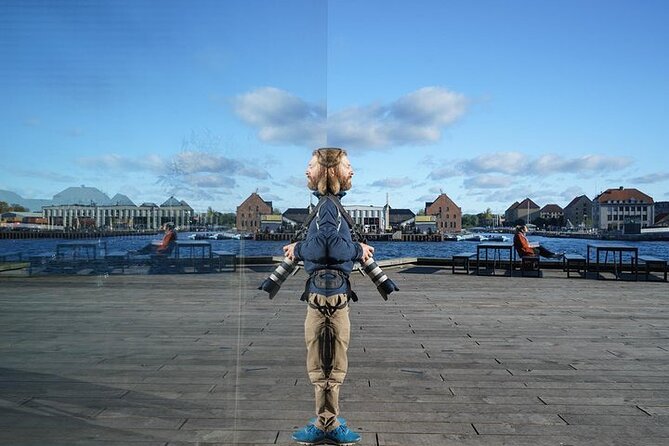
Copenhagen City Hall Square: Candid Chances in a Public Space
Stop 3 is Copenhagen City Hall, and you’ll spend about 15 minutes. The square around it is where the action happens—there’s room for wide civic shots and also opportunities for candid frames.
This stop is a strong lesson in patience. Sometimes the best moment isn’t the building itself, but what people do in front of it: walking paths, pauses, and little interactions that make the architecture feel real.
The only drawback: because it’s a landmark area, you’ll see similar angles people often take. Your job (with guidance) is to vary your perspective and use composition choices—like angle height and crop framing—to make your shot look more personal.
Amalienborg Palace Museum: Royal Foreground and Street-Level Scenes
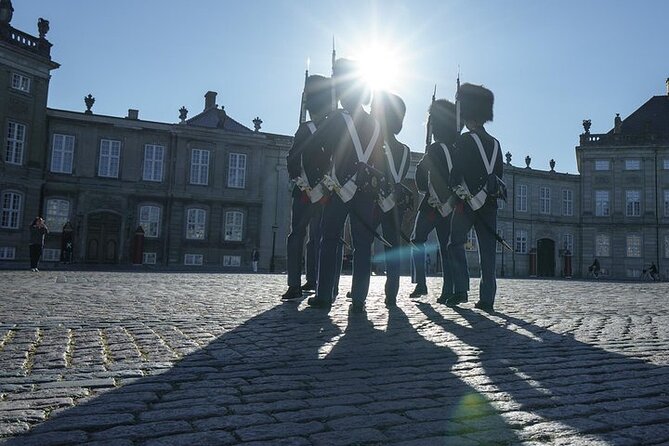
Stop 4 is Amalienborg Palace Museum, the residence of the Danish royal family. You’ll get about 15 minutes, and you’ll also have a mix of photographic options here: foreground opportunities plus street photography angles.
This is a good stop for learning how to combine:
- Respectful framing for major monuments
- Foreground interest so your photo has depth
- Street-level details that add story
The main consideration is pacing. Royal-residence areas can encourage you to freeze and photograph everything. But you’ll get better images by picking a smaller set of compositions and adjusting settings to match your specific angle.
Frederiks Kirke (Marble Church): Rococo Architecture Meets Your Creativity
Stop 5 is Frederiks Kirke (Marmorkirken), also known as the Marble Church. You’ll have about 15 minutes here, and free access for the photography.
The church’s rococo look invites creativity because there’s detail everywhere—columns, curves, and decorative shapes. It’s a great place to practice composition when you can’t rely on one simple subject. You’ll likely be coached on finding patterns and balancing busy textures with clean framing.
If you’re a beginner, this is also where coaching can prevent frustration. Complex architecture can make you overexpose highlights or lose detail. Good guidance helps you slow down, pick a priority part of the scene, and tune exposure rather than blasting the whole frame.
Christiansborg Slot: Power Buildings on a Small Islet
Stop 6 is Christiansborg Slot on Slotsholmen, the islet where Denmark’s political buildings are located. You’ll get about 10 minutes.
With shorter time, you need a quick plan. Christiansborg gives strong visual structure—government-institution scale, grand facades, and a sense of place tied to the surrounding water and walkways.
This is where you can practice choosing one or two compositions and committing. Instead of trying to photograph every angle, work a tight set: one wider establishing shot, then one more focused frame using lines and edges.
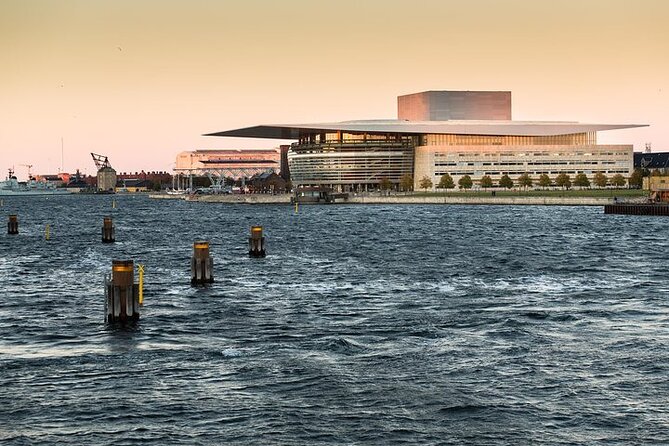
Copenhagen Opera House: Style, Lines, and a Playful Session
Stop 7 is the Copenhagen Opera House, and you’ll spend about 15 minutes. The instruction here is especially relevant: expect a playful practice moment designed to boost creativity.
This stop tends to work well for learning because modern architectural shapes are easier to separate into clean composition rules. If the photographer is good at coaching, you’ll get prompts that push you to experiment—like trying a different focal length style (if you have options), shifting viewpoints, or changing your crop so the building feels dynamic rather than flat.
Rosenborg Castle: Summerhouse Origins and a Park for Playful Shots
Stop 8 is Rosenborg Castle, originally built as a country summerhouse in 1606. You’ll also have time for the park next to it, with about 15 minutes total.
This is a great closing stop because the castle gives you a landmark subject, while the park offers softer, more forgiving scenes. Parks are useful when you want to try different approaches without feeling like you’re fighting the crowd.
In a session like this, the park area can be your “practice playground.” Use it to test compositions with natural frames—trees, paths, and open spaces—then compare shots you took earlier in the city.
What You Learn: Composition, Exposure, Finding the Motive
The workshop’s core is instruction that connects technique to real scenes. You’re not just learning camera theory. You’ll get coaching on:
- Composition: how to arrange the scene so it looks intentional
- Exposure: how to keep highlights from blowing out and shadows from collapsing
- Finding the motive: how to decide what your photo is actually about
- Camera techniques matched to your gear
A useful detail is that the lesson is based on your previous experience and your present equipment. If you’re a beginner working on cityscapes, you should expect the photographer to slow down and offer practical setting suggestions tied to what’s in front of you.
Guides like Singe and Heidi are specifically noted for handling beginner-friendly adjustments fast—spotting your level and sharing ideas for settings and how to think about light. That kind of targeted help is what makes a short 3-hour workshop feel like more than a walk.
Rain, Wind, and Weather Changes: Dress Like a Shooter
This experience operates in all weather conditions. That’s both good news and a real consideration: Copenhagen weather can change quickly, and your comfort affects your ability to keep shooting.
Bring weather-ready clothing and be ready for the kind of light that comes with clouds or drizzle. The upside is that moody weather can create more forgiving contrast and interesting atmosphere—especially around water like Nyhavn.
If you want one practical approach for your gear: protect your camera, keep a towel or cloth handy, and be willing to wipe lens smudges after rain or sea air.
Who This Workshop Is For (And Who Might Skip It)
This private photography workshop is a strong fit if you want:
- A personalized lesson instead of generic advice
- Guidance for cityscapes, architecture, and casual portraits
- A route that covers multiple styles in a few hours
It’s also a great choice for couples, family members, or friends who want different takes while staying together.
You might skip it if you’re already confident with manual exposure and composition and you mostly just want photos at famous spots without coaching. In that case, a self-guided walk plus a few reference tips could be enough.
But if you want your images to look like you planned them, this workshop is exactly the kind of focused practice that helps you get there faster.
Should You Book This Private Copenhagen Photography Workshop?
Book it if you want your camera skills to catch up with the city. The biggest reason is the pairing of professional photography coaching with a route that naturally mixes harbor scenes, street life, civic landmarks, royal areas, and architectural stops.
Think twice if you’re expecting a super long, slow tour or you don’t want to experiment with settings while you walk. This is structured and timeboxed, which is great for learning—but it’s not a leisurely stroll with unlimited time at one spot.
If you’re traveling with a friend and can share the group cost, the value improves. Even as a solo shooter, it’s a smart way to get targeted feedback on composition and exposure where the scenes change constantly.
FAQ
How long is the private photography workshop?
It lasts about 3 hours.
How many people are included in the private group?
The price is per group up to 2 people, and it’s a private tour/activity with only your group participating.
Where do I meet, and where does it end?
You meet at Dantes Plads 7, 1704 København, Denmark, and the activity ends back at the same meeting point.
Do I need a camera?
A camera is not included. If you need to rent one, you should contact the operator for availability.
Does the tour run in bad weather?
Yes. It operates in all weather conditions, so dress appropriately.
Are admission tickets needed for the stops?
Most listed stops are marked as free admission tickets for the photography approach described, and the workshop includes a mobile ticket. Confirmation is sent within 48 hours of booking, subject to availability.