REVIEW · MILAN
Private Milan Street Photography Walking Tour with an Artist
Book on Viator →Operated by Ersan Ceviz · Bookable on Viator
Milan through a lens beats wandering alone. This private street photography walk links a working artist with photo-driven stops from Duomo to the Navigli canals, plus time to talk gear and technique.
I love the Leica Store start. It’s a focused warm-up near Piazza del Duomo, with a chance to connect with fellow shooters and get inspired by current Leica gear. I also like how Ersan Ceviz uses practical pointers you can test right away while the scenes are in front of you.
One watch-out: plan for 3 to 4 hours of walking. And because the experience needs decent weather, a rainy day can change the schedule.
In This Review
- Key highlights you’ll feel fast
- Starting at Leica: Duomo Square, Gear Talk, and a Photo Plan
- Ersan Ceviz and the Private Advantage: Guidance Without the Rush
- Stop 1: Piazza del Duomo and Leica Store Setup
- Stop 2: Basilica di Sant’Ambrogio and Università Cattolica Courtyards
- Stop 3: Ticinese Street Scenes, Murals, and Café Corners
- Stop 4: Porta Genova and Via Tortona for Fashion, Patterns, and Portrait Setup
- Stop 5: Darsena to Navigli Canals for Reflections and Waterfront Energy
- Time, Price, and Value: Why This Costs What It Costs
- What to Pack and How to Get Better During the Walk
- Who This Tour Is Best For
- Should You Book This Milan Photo Walk?
- FAQ
- How long is the private Milan street photography walking tour?
- Where does the tour start?
- Is this tour private?
- What language is the tour offered in?
- Are there admissions or ticket fees for the stops?
- What happens if the weather is poor?
Key highlights you’ll feel fast
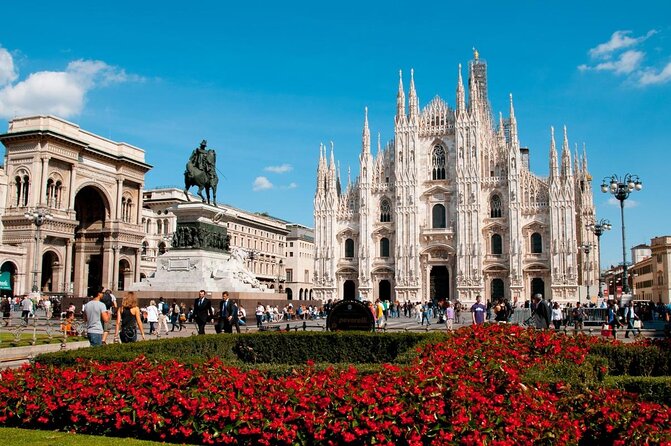
- Leica Store warm-up near Duomo to set your photo mindset before street scenes take over
- Ersan Ceviz as the artist guide with hands-on guidance you can use on the spot
- Architectural variety in one route from Basilica di Sant’Ambrogio to university courtyards
- Ticinese street art and café streets for color, texture, and candid moments
- Porta Genova and Via Tortona fashion/design visuals for patterns and portrait-friendly streets
- Darsena and Navigli reflections with waterfront energy and canal scenes
Starting at Leica: Duomo Square, Gear Talk, and a Photo Plan
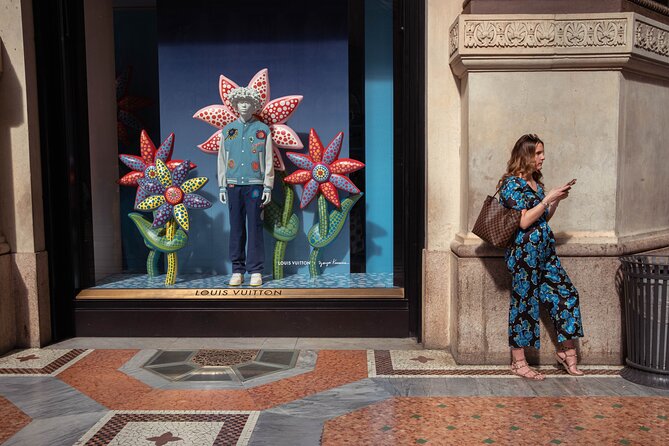
Your walk begins at the Leica Store & Galerie Milano at Via Giuseppe Mengoni, 4, near Piazza del Duomo. This is a smart way to start, because you’re not guessing what to photograph once you step outside. You’re already in a photo world—cameras, lenses, and the mindset that turns a random street into a shot list.
I like that it’s not just a meetup spot. It’s also a gear moment. The tour starts by pointing you toward the Leica store area, where you can see the kind of equipment that shapes how people shoot in real life. You’ll also get a chance to connect with other photographers before you spread out into Milan’s streets.
This is especially helpful if you’re the type who wants to leave with usable results, not just photos of landmarks. You get a rhythm early: look closely, simplify the scene, and decide fast what your frame is saying.
You can also read our reviews of more tours and experiences in Milan.
Ersan Ceviz and the Private Advantage: Guidance Without the Rush
This is a private tour/activity, meaning only your group participates. That matters more than it sounds, because street photography benefits from conversation and feedback. You can ask why a certain angle works. You can show a frame you’re struggling with. You can adjust the next steps to your comfort level.
Your guide is Ersan Ceviz, an artist who leads the walk with a city-reading approach. In the feedback for this tour, people call out how generous he is with pointers and how much they learned—not in a classroom way, but in an action way. You don’t just walk. You practice seeing.
Also, private doesn’t have to mean slow. The structure still moves through multiple districts, so you get variety in a single half-day. The sweet spot is that you can keep your momentum while still getting real advice.
Stop 1: Piazza del Duomo and Leica Store Setup
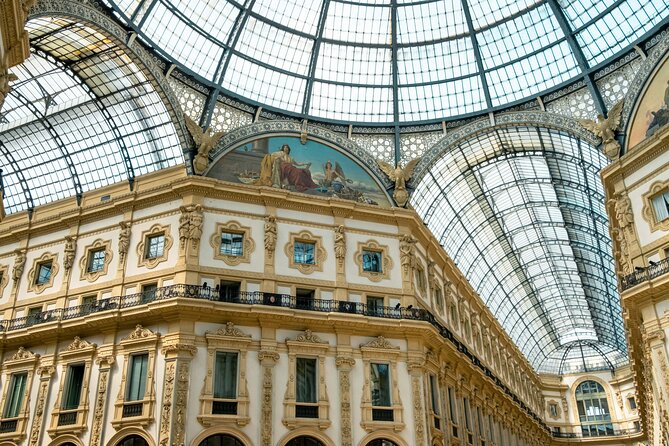
The first stop is effectively your “photo kickoff” at the Leica Store near Duomo. Plan on using this time to set yourself up for what comes next.
Here’s what you’ll likely benefit from right away:
- Setting a target for the day: street portraits, architecture, color details, or quick documentary frames
- Learning what to notice first (light, contrast, repeating shapes, faces, reflections)
- Getting comfortable with your gear before you hit busy corners
Even if you don’t own a Leica camera, the point of starting there is the inspiration. You’re also in a very visual part of Milan, so you can calibrate your eye immediately.
Stop 2: Basilica di Sant’Ambrogio and Università Cattolica Courtyards
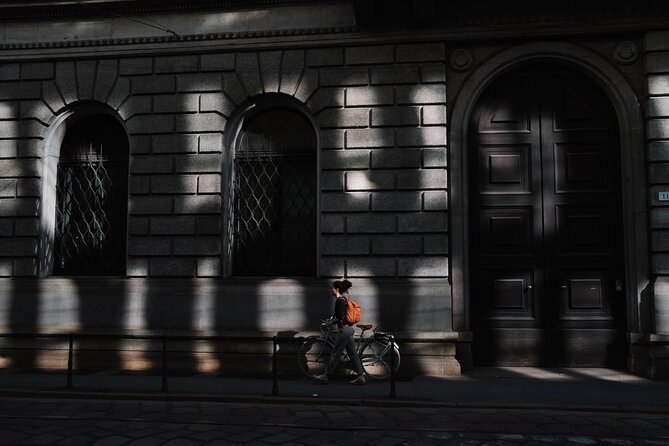
From Duomo-area energy, the route shifts to Basilica di Sant’Ambrogio and then toward Università Cattolica del Sacro Cuore. This stop is where you trade street noise for calmer stone, lines, and composition.
The basilica is one of Milan’s oldest churches, and that shows in how the surfaces photograph. You tend to get deeper shadows and more textured details than in newer buildings. If you like timeless images, this is the place to aim for them. The mood also helps: it’s easier to slow down, frame carefully, and wait for people to move through your shot.
Nearby, the university courtyards and classical architecture add another layer. Courtyards are great for photography because they give you natural “frames” within the frame: arches, repeated columns, and walls that help you control the background.
Practical tip for you in this area: if you want clean architectural shots, watch for angles that hide distractions. If you want a more story-based photo, include small human moments near entrances or walkways. Either way, this stop teaches you how to switch gears from street candids to structured frames.
Stop 3: Ticinese Street Scenes, Murals, and Café Corners
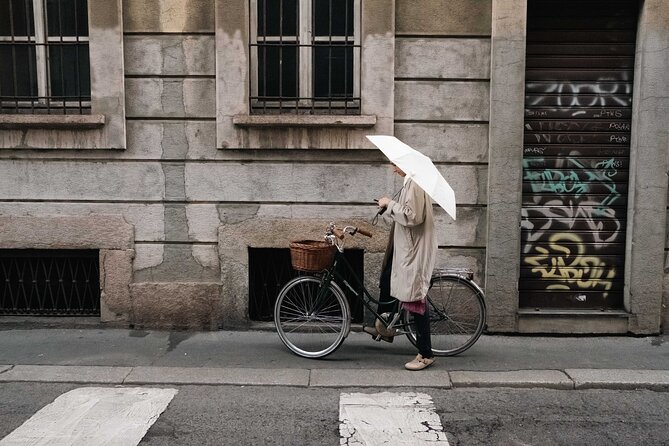
Next comes Ticinese, an artistic pocket of Milan with hip cafés, vintage boutiques, and plenty of street art. If you want color, texture, and motion, this neighborhood usually delivers.
This is where you’ll likely spend time building a “street visual vocabulary.” Ticinese offers:
- Murals and painted walls for bold background shapes
- Interesting storefront details for tight compositions
- Streets that feel lived-in, so you can practice candid-looking frames
I like this stop because it’s not only about art on walls. It’s also about the whole ecosystem—people, signs, doorways, and everyday rhythm. A street photography walk works best when you can turn ordinary moments into a frame that feels intentional.
If you’re new to street photography, Ticinese can teach you pacing. Don’t rush every photo. Take a few steps, check your light, and then commit to one viewpoint. If you’re more advanced, you can experiment with different focal lengths or shutter speeds here, because there’s always something moving close by.

Stop 4: Porta Genova and Via Tortona for Fashion, Patterns, and Portrait Setup
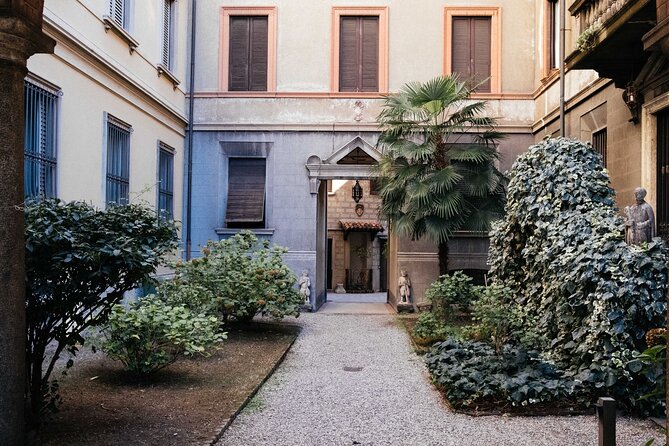
As you near the end, you shift into Porta Genova and Via Tortona, an area where fashion and design overlap. Even if you’re not chasing fashion photography, this is a strong visual zone.
Why it works for photos:
- Chic storefronts create reliable backgrounds
- Fashion-forward people give you portrait opportunities without staging
- Street art and murals add color blocks that make frames pop
This part of the tour is great if you like images that feel modern and graphic. Look for repeating patterns—shapes in windows, stripes in clothing, or repeated elements on facades. Those are your shortcuts to photos that feel composed instead of accidental.
Also, it’s a good place to practice directing your own portrait style. You’re not doing a formal session, but you can still make your frame feel intentional by choosing the relationship between subject and background. Even a half-body portrait with a strong mural behind it can look like a story shot.
Stop 5: Darsena to Navigli Canals for Reflections and Waterfront Energy
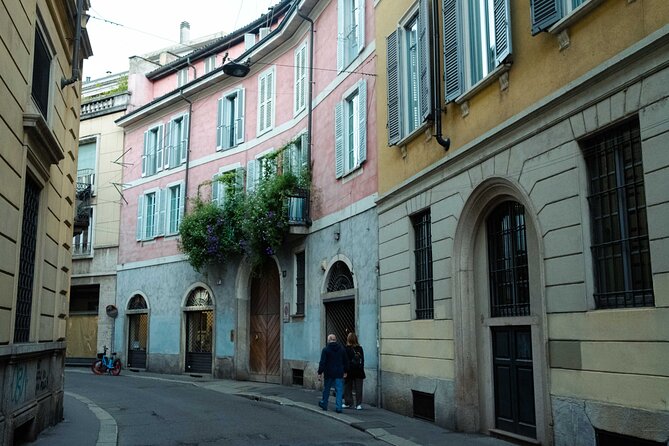
The final leg brings you to Darsena and then the Navigli canals. This is where Milan switches from street-to-street detail into water-based reflections and layered scenes.
Darsena sits in a district with a historic port feel, and it’s been transformed into a place people actually hang out. Expect waterfront promenade energy, plus plenty of places for bars and restaurants. The area also has street art, so you can keep mixing documentary moments with graphic backdrops.
Then you move to the canals, where the photographic payoff becomes obvious: reflections. Water gives you symmetry and extra color depth. You can frame colorful buildings and boats as if they’re part of the same scene. It’s also a good area to watch for local artisans and street performers, since they add motion and character.
For you, this is the stop that can produce the most “I’m in Milan” images—especially if you’re the type who likes street scenes that feel a little cinematic.
Time, Price, and Value: Why This Costs What It Costs
The price is $240.82 per person, and the tour runs about 3 to 4 hours. That’s not cheap, but it can be good value if you care about getting results—not just taking photos.
Here’s how the value holds up:
- You’re getting a private experience with an artist guide, not a generic group walk
- Several stops are marked free admission, so you’re not paying site fees on top
- You get a full route with multiple photographic styles in one session: architecture, murals, fashion-design streets, and canal reflections
- People consistently rate this highly, including comments about educational exploration and lots of fun while learning photo tricks
One more practical point: this tour tends to get booked about 77 days in advance on average. If you want a specific day, don’t wait for “later this week.”
Also, it’s offered in English, uses a mobile ticket, and it’s near public transportation. There’s a note about moderate physical fitness, which makes sense for a 3 to 4 hour walk through multiple neighborhoods.
What to Pack and How to Get Better During the Walk
You can show up with any camera, but show up ready to shoot. The best way to benefit from a guided street photo tour is to come with intention.
Here are a few things that help:
- Bring a charged battery and a way to clean your lens (Italian street dust happens fast)
- Consider extra storage if you like bursts for candid shots
- Wear comfortable shoes. Your feet will do most of the work here
- Think of your day as practice: one photo idea per stop, not 200 random shots
During the walk, I’d focus on learning how to see. Ask yourself: what’s the main subject? What’s the background doing? Does the light flatter it or fight it? If you can answer those questions quickly, you’ll improve even with a simple camera.
Who This Tour Is Best For
This tour makes the most sense if you want:
- A guided street route across major Milan districts, not a random stroll
- Clear photo guidance from an artist guide like Ersan Ceviz
- A mix of architectural structure, street art, portrait-friendly streets, and canal reflections
If you’re traveling solo and want a tailor-made experience, private format can be a big win. If you already know your way around a camera, you’ll still likely enjoy the district variety and the coaching moments—especially in places like Ticinese and Via Tortona where the visual clues are everywhere.
Should You Book This Milan Photo Walk?
Book it if you want a guided photo session that feels hands-on and practical, with a route that moves from Duomo setup to church and university geometry, then into Ticinese street art, and finally into the Darsena and Navigli reflection zone.
Skip it (or adjust your expectations) if you only want casual sightseeing. This tour is for you if you want to shoot with purpose and you’re happy walking for a few hours. Also, because good weather is required, you’ll want to pick a day when forecasts look decent.
If you’re trying to learn street photography in a place that actually provides great material, this one is a strong bet.
FAQ
How long is the private Milan street photography walking tour?
It runs about 3 to 4 hours.
Where does the tour start?
The meeting point is the Leica Store & Galerie Milano, Via Giuseppe Mengoni, 4, 20121 Milan, Italy.
Is this tour private?
Yes. It’s a private tour/activity, and only your group will participate.
What language is the tour offered in?
The tour is offered in English.
Are there admissions or ticket fees for the stops?
Admission tickets are listed as free for the stops included in the tour.
What happens if the weather is poor?
The experience requires good weather. If it’s canceled due to poor weather, you’ll be offered a different date or a full refund.