REVIEW · BONAIRE
Private Island Tour with Photo Shoot Options Northern Tour
Book on Viator →Operated by Bonaire Vision Films and Photo · Bookable on Viator
A quiet stretch of Bonaire roads can still feel like a movie. This private Northern Island Tour mixes classic viewpoints with photo shoot options and wildlife-focused stops, all with a pace that won’t rush you. I like that it’s built around real island context, not just parking-lot scenery, and the guide has long local experience calling Bonaire home. One thing to keep in mind: the whole outing runs about 3 to 4 hours, so it’s not designed for marathon beach time.
What I especially like is the way the stops connect. You start in Kralendijk, then move north through viewpoints and cultural landmarks, with snorkeling chances tied into the route and a “no time constraints” style of pacing. The second big win for me is the photography angle: with photo shoot options, you’re not just snapping quick pictures—you’re getting the right places and time at each stop to make a set of photos you’ll actually use later.
Potential drawback: because it’s a northern loop with multiple short stops, you’ll want to have your camera gear ready and think about what you want most—wide coastline shots, close-up wildlife moments, or portrait-style photos—so you’re not deciding on the fly at every stop.
In This Review
- Key things to know before you go
- Kralendijk first: easy way to orient yourself on Bonaire
- 1000 Steps: turtles in shallow water and a photogenic pause
- Landhuis Karpata: a plantation road stop with name meaning behind it
- Gotomeer and Bonaire National Marine Park: flamingos and the Seru Brandaris view
- Rincon viewpoint: above the oldest Dutch Antilles village
- Boka Onima and the Onima Indian Inscriptions: story meets shoreline power
- Seru Largu: south-side lookout with salt ponds, mangroves, and wind energy
- Photo shoot options: how to get better results without slowing the day down
- Price and timing: what $60 per person buys you
- Multilingual guide and local grounding: why it matters on a short route
- Who should book this Northern private tour
- Should you book this Northern Island Tour with photo shoot options?
- FAQ
- FAQ
- How long is the Northern private island tour?
- Is the tour private?
- Is pickup available?
- Where does the tour start?
- Does the tour include snorkeling?
- Are there admissions fees for stops?
- Is there a mobile ticket?
- What languages does the guide speak?
- What are the operating hours?
- What’s the cancellation policy?
Key things to know before you go
- Private group only: your group stays together; you’re not sharing a van with strangers.
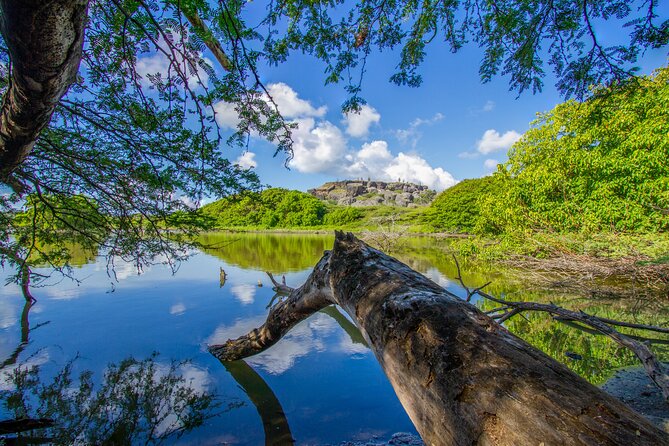
- Northern route viewpoints: you’ll hit Kralendijk and then work through high-water-and-cliff viewpoints.
- Photo shoot options included in the plan: the tour is designed to support better photos at each stop.
- Snorkeling breaks fit the itinerary: the experience is built around snorkeling at multiple sites.
- Gotomeer and lagoon spotting: this saltwater lagoon area is known for flamingos.
- Cultural stop time matters: inscriptions and local stories are part of the route, not an afterthought.
Kralendijk first: easy way to orient yourself on Bonaire
Kicking off at Isidel Beach Park (with the Bonaire big letters) puts you close to the island’s main flow. If it’s your first day in town, this is a smart move because the tour quickly gives you orientation: where the capital sits, how the coastline changes as you head north, and which views you’ll want to come back to on your own.
You’ll also appreciate that the tour is structured like a guided drive with stop-and-look moments. Even before you reach the viewpoints, the guide sets the tone for a safe, enjoyable outing and adapts to your group. The experience is also offered in a multilingual setup—English and Dutch are the strongest, with support in French and German available as well—so communication stays smooth even if your party isn’t all English-speaking.
If you’re the type who likes to understand where you are while you’re moving, you’ll likely feel less like you’re doing a checklist and more like you’re building a mental map of Bonaire.
You can also read our reviews of more tours and experiences in Bonaire.
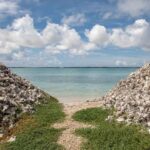
1000 Steps: turtles in shallow water and a photogenic pause
1000 Steps is the kind of stop that earns its reputation. The big draw here is the scenery and the turquoise water, plus the chance to spot turtles in very shallow areas where they feed on algae. Even if you’re not a hardcore wildlife hunter, it’s the sort of moment that slows you down because the water is clear enough to make the shallow feeding feel immediate.
The stop is about 30 minutes, which is enough time to take photos, look for movement in the water, and regroup. If you’re doing snorkeling as part of the plan, this stop is likely one of the places where that wildlife focus really lands.
Possible consideration: this is a short stop, so don’t plan on a long session here. If you want a super slow, long look, you may want to spend extra time later on your own.
Landhuis Karpata: a plantation road stop with name meaning behind it
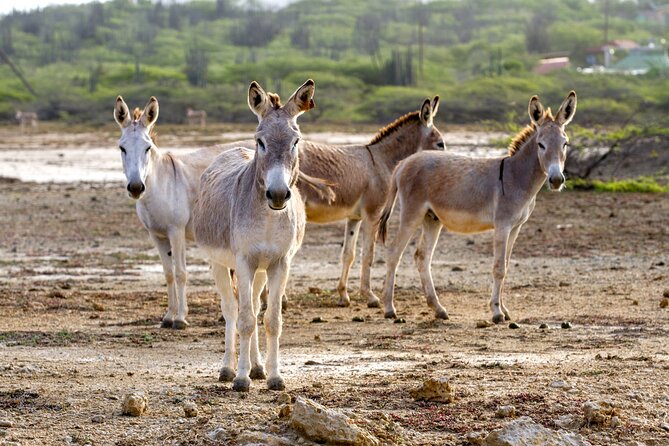
From the coastal road of Kralendijk heading north, you’ll reach Landhuis Karpata. This stop is a nice change from the water-focused scenes because it ties scenery to history. The landhouse was originally called Borneo, and later it was renamed after a plant that still grows there. That detail matters because it turns the landscape into something you can read: names aren’t random on Bonaire.
The stop is also about 30 minutes and is marked as free admission. In plain terms, that makes it a good value add on a tour like this—time spent learning without extra entry fees.
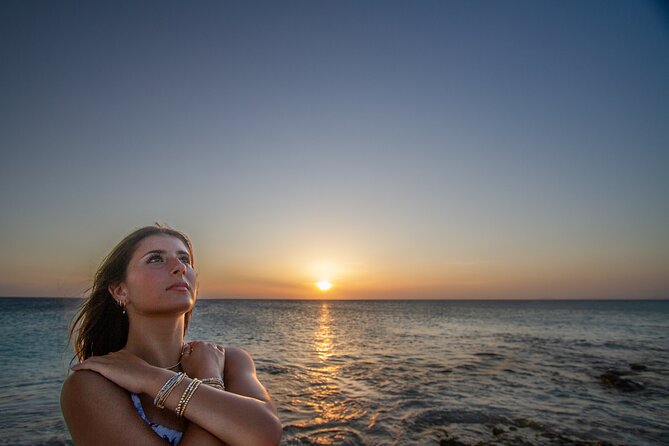
Photography note: plantation-road settings can be great for portrait-style shots and shaded-castle-like compositions, especially if the light is kind. If your group has mixed photo styles, this is a stop where everyone can find something.
Gotomeer and Bonaire National Marine Park: flamingos and the Seru Brandaris view
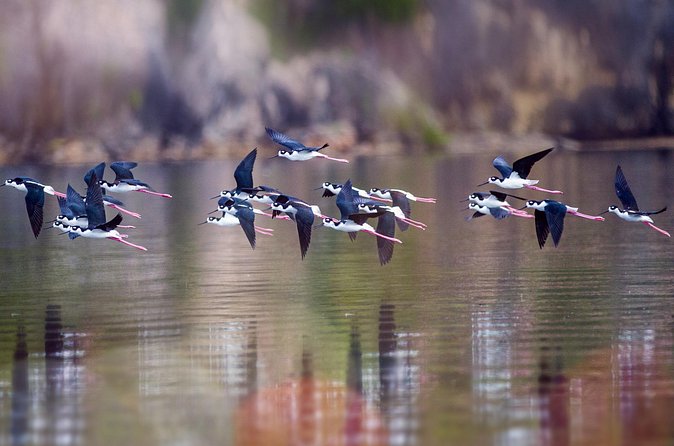
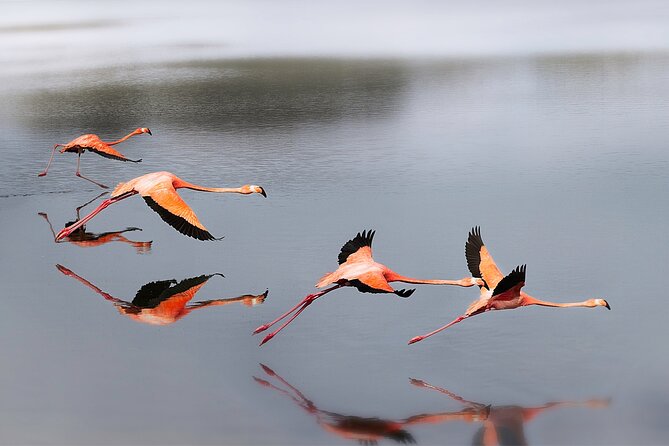
Gotomeer is a saltwater lagoon on the northern side of Bonaire, and it’s known for flamingos. That matters because you’re not just viewing coastline—you’re watching a living edge where birds feed and gather. The tour builds in about 30 minutes at this stage, plus viewpoint time connected to the marine park area.
From there, you get a view of Seru Brandaris, Bonaire’s highest peak. Seru Brandaris sits within the national marine park area, so this stop works on two levels: wildlife-and-water in front of you, and a major land marker in the background.
If you care about atmosphere in your photos—color layering, sky-to-coast gradients, or wide framing—this is one of the stops where you can get variety without changing locations again and again. It’s also a good spot to pause if your group wants a break from snorkeling at that moment.
Rincon viewpoint: above the oldest Dutch Antilles village
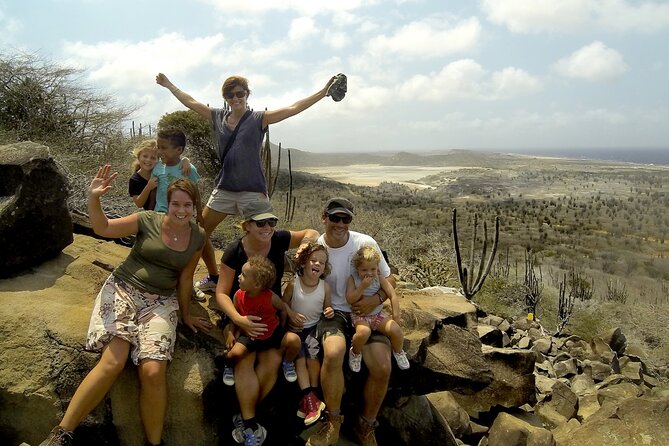
Rincon (often tied to Subi Rincon as a name for the elevated viewpoint area) gives you a clear sense of how Bonaire’s terrain shapes village life. The village sits above the oldest village in the Dutch Antilles, and it’s set to celebrate its 500th anniversary in 2027.
That anniversary detail isn’t just trivia. It’s a reminder that you’re looking at an area that’s been lived-in for a long time, long before Instagram would have noticed the view. On a photo tour, that’s useful because you’ll frame shots differently when you understand the depth behind what you see.
You’ll have about 30 minutes here. In that window, I’d focus on two photo types:
- Wide shots that show your vantage point relative to the land
- Mid-range shots that include the road and village feel (not just the horizon)
Consideration: because it’s elevated and exposed, this is the stop where you’ll feel wind more than earlier parts of the route. If you’ve got a tripod or long-lens setup, plan for stability.
Boka Onima and the Onima Indian Inscriptions: story meets shoreline power
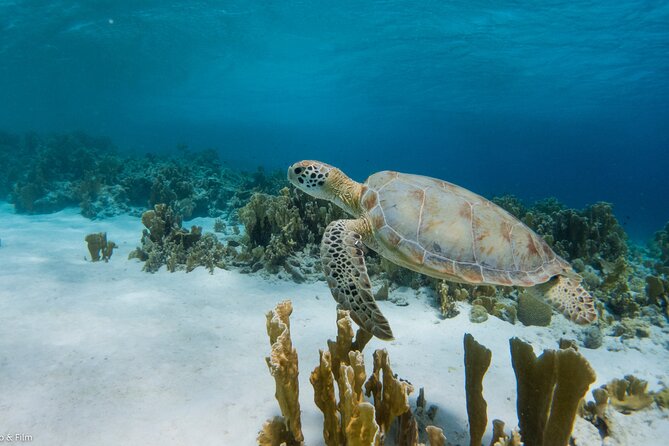
Boka Onima is one of the tour stops that makes the whole trip feel more meaningful. Here you’ll be taken to the Onima Indian Inscriptions area, where Spaniards first landed on Bonaire. The tour also highlights the elders known as the Imakan, who guided them—so you’re not just hearing about conquest, you’re hearing about guidance and leadership from local elders.
This is also connected to the ocean’s immense power—something you can almost feel when you’re standing near the shoreline features. Even if you don’t see dramatic waves, the point is to notice how the coast shapes everything around you.
The stop time is about 30 minutes, and it’s listed as free admission. That’s a big value point: this kind of cultural interpretation can easily cost extra on other tours, but here it’s woven into the itinerary.
Photo-wise, this is a great place for texture shots: rock, inscriptions, shoreline edges, and the kind of light that creates contrast. If you’re doing a photo shoot, this is also where your “story” photos can really shine.
Seru Largu: south-side lookout with salt ponds, mangroves, and wind energy
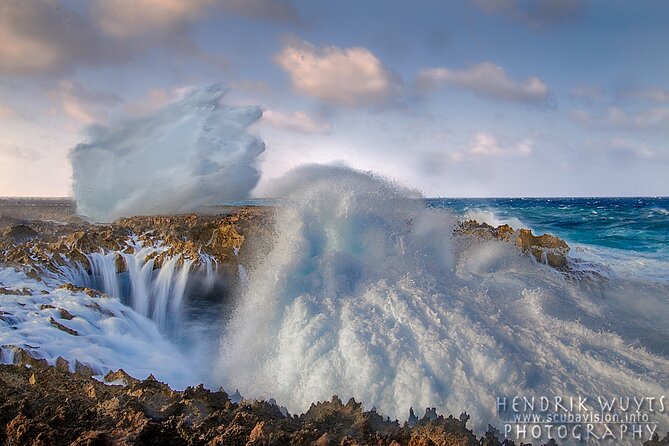
The final stop is Seru Largu, meaning high mountain. From here, you’ll look over Bonaire’s south side with views that include salt ponds, mangroves, and a windsurfing bay.
This is a classic wrap-up stop because it offers a wide view that pulls together themes from earlier: water systems (salt ponds), coastal ecology (mangroves), and the way wind shapes the island’s outdoor life.
Your time here is about 15 minutes. That’s short, but it’s usually enough for a clean set of wide photos and a last look before heading back to the meeting point. If you want one “final frame” photo that feels like a Bonaire postcard, this is the stop I’d prioritize.
Quick consideration: since it’s a lookout, weather affects photo quality fast. If clouds move in, your best window might be sooner than you expect—so don’t save all your shooting for later in the stop.
Photo shoot options: how to get better results without slowing the day down
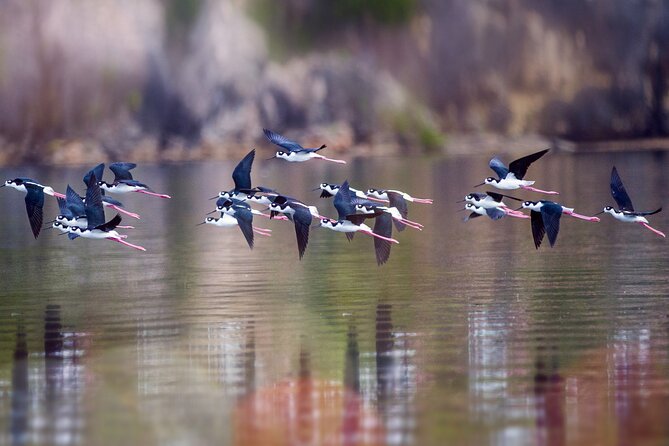
The biggest reason to choose this tour over a DIY drive is that it’s designed to support photography. The phrase photo shoot options isn’t just marketing fluff here—it’s tied to the structure: multiple named stops, each with a different kind of view or subject.
When you plan your photo shoot style, think in terms of stop types:
- Wildlife and shallow-water moments (like the turtle-feeding area at 1000 Steps)
- Cultural and story landmarks (Onima inscriptions and Boka Onima)
- High vantage and wide-coastline framing (Rincon, Seru Largu)
- Land-and-coast context (Karpata and the route perspective)
Also, keep in mind the group is private. That means your guide can adjust the pace. The tour description emphasizes no strict time constraints, which is exactly what you want when you’re trying to nail light and composition. If the sky changes, you can wait a few minutes instead of getting hustled back into the vehicle.
One more practical tip: bring a plan for who holds what. If your group includes someone focused on portraits, someone on landscapes, and someone on wildlife, decide roles early so you’re not negotiating gear every time you stop.
Price and timing: what $60 per person buys you
At $60.00 per person, this tour is priced like a serious activity, not a quick scenic drive. The value comes from three things happening together:
- You get private guide time on a route with multiple meaningful stops
- You get a structure that supports photo shoot options, not just point-to-point sightseeing
- The experience is tied to snorkeling opportunities at multiple sites, which can be hard to coordinate on your own without local knowledge
Duration is listed as about 3 to 4 hours. That range is helpful. It means you’re not committing a whole day, but you also have time to stop often enough to make the tour feel like more than a drive-through.
One extra data point I take seriously: this is often booked about 73 days in advance. That doesn’t guarantee anything, but it does suggest it’s a popular choice on timing—especially for people who want a particular route and photo-friendly stops.
Pickup is offered, and the tour ends back at the meeting point. So you’re not stuck with a transportation puzzle after the last viewpoint.
Multilingual guide and local grounding: why it matters on a short route
This is an island tour where communication affects the quality of the experience. The guide is fluent in English and Dutch, and can assist with French and German. That matters because the itinerary includes interpretation—especially at Boka Onima and the Onima Indian Inscriptions—where the meaning behind names and stories is part of what makes the stops worthwhile.
It also helps that the guide has long active experience and has called Bonaire home for decades. When you’re spending only half a day on a northern route, you want your guide to know not just where to park, but how to explain what you’re seeing and keep the experience safe and enjoyable.
If your group has mixed language comfort, this setup is a plus. You won’t lose time in long clarification loops at each stop.
Who should book this Northern private tour
I’d say this is a strong match if:
- You want a private itinerary with your own group only
- You care about photos, not just scenery
- You want a northern route that mixes water views, wildlife moments, and cultural stops
- You’d like snorkeling opportunities without the stress of coordinating timing on your own
You might choose something else if:
- You want a full-day snorkeling focus with minimal driving
- You hate road stops and prefer one long beach stay
- Your group has no interest in viewpoints or cultural landmarks
The tour works especially well for a first-time visit because it gives you a northern cross-section of Bonaire in a single outing.
Should you book this Northern Island Tour with photo shoot options?
If you’re planning Bonaire as a mix of wildlife, coastline views, and photos you’ll actually keep, I think this is a smart booking. The itinerary hits the right variety in a short time: turtles at 1000 Steps, lagoon and flamingos at Gotomeer, historical context at Boka Onima, and wide final views from Seru Largu. And because the group is private with photo shoot options and flexible pacing, you’re not forced to rush your shots.
I’d book it if you’re the kind of person who enjoys a guided route that gives you context as you go. If you want to spend most of your day in one water spot, then you may prefer a different plan. But for a 3–4 hour northern highlight with photography support, this one earns its place.
FAQ
FAQ
How long is the Northern private island tour?
It runs about 3 to 4 hours (approx.).
Is the tour private?
Yes. It’s a private tour/activity, so only your group participates.
Is pickup available?
Pickup is offered.
Where does the tour start?
The start is Isidel Beach Park with Bonaire big letters, 75a Kaya Gob. N. Debrot, Kralendijk, Caribbean Netherlands.
Does the tour include snorkeling?
The experience is designed around snorkeling at multiple sites, alongside the sightseeing stops on the route.
Are there admissions fees for stops?
The itinerary lists admission ticket free time for the stops shown on the schedule.
Is there a mobile ticket?
Yes, the tour includes a mobile ticket.
What languages does the guide speak?
The guide is fluent in English and Dutch, and can assist with French and German (with less fluency in those two).
What are the operating hours?
It lists Monday–Sunday from 9:00 AM to 6:00 PM, within the date range 03/07/2025 to 11/27/2026.
What’s the cancellation policy?
You can cancel for free up to 24 hours in advance for a full refund.