REVIEW · KRALENDIJK
Private Photography Tour
Book on Viator →Operated by Casper Douma Photography Bonaire Tours · Bookable on Viator
Bonaire turns camera nerd heaven. This private photography tour in Kralendijk strings together coastal water color, classic photo landmarks, and direct help with camera settings from Casper Douma, so you’re not just taking pictures—you’re making them. I love the mix of east-coast water color at Lac Cai and the wide viewpoint payoff at 1000 Steps. One thing to plan around: the tour needs good weather, and rough conditions can mean a date change or refund.
What makes this one different is the focus. It’s the only private photography tour on Bonaire, capped at four people, so you get a calmer pace and more attention than you would on a larger group drive-and-stop style tour. Pickup is offered, and the tour starts at 8:30 am, which is a smart time to chase good light.
Ticket-wise, it’s a nice deal: Lac Cai includes admission, while the other stops are listed as free. Add in a mobile ticket and a 4 to 5 hour window, and you get a clear plan that doesn’t eat your whole day.
In This Review
- Key points to know before you go
- Why a private photo tour beats wandering on your own in Bonaire
- Getting to the photo spots: pickup, timing, and pacing
- Stop 1: Lac Cai for water-color photos on the east coast
- Stop 2: Red Slave Huts, Salt Pier context, and photo framing
- Stop 3: Rincon, lake Goto, Indian Inscriptions, and Boka Onima
- Stop 4: 1000 Steps for a short walk to a big coastline overview
- Price and value: what $256 per person really buys
- What to bring (and how to get the most from Casper’s camera help)
- Weather matters more than you think on this kind of day
- Who this tour is perfect for
- Should you book this private photography tour?
- FAQ
- How many people are on this private photography tour?
- How long is the tour?
- What time does the tour start?
- Is pickup offered?
- Are tickets included for all stops?
- What does the guide do for photography?
- What if the weather is bad?
- Can I cancel for a full refund?
Key points to know before you go
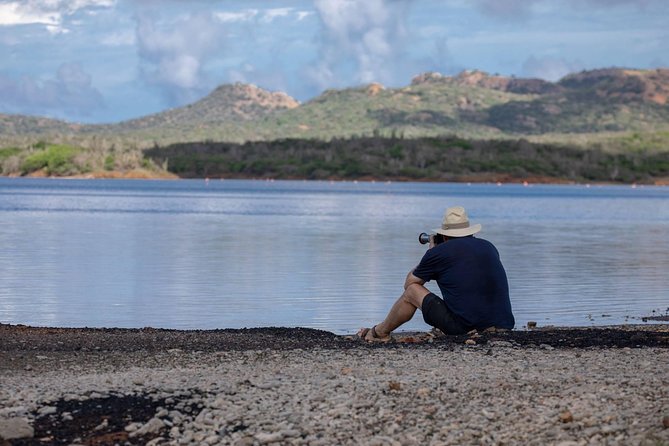
- Private group size (max 4) means more chances to ask questions and adjust on the spot.
- Hands-on photography help with your camera settings, not just a route.
- East-coast water color at Lac Cai is the quick hit that sets the tone.
- Red Slave Huts plus Salt Pier area adds historical framing to the photos.
- Rincon + lake Goto + Indian Inscriptions + Boka Onima pack multiple looks into one outing.
- 1000 Steps viewpoint is short timing for big coast views—great if you want a payoff without a long day.
Why a private photo tour beats wandering on your own in Bonaire
Bonaire is gorgeous, but if you’ve ever tried to photograph on your own, you know the trap: you see the view, you frame it, and then the light changes and your settings don’t. This tour helps you solve that middle problem.
I like that it’s designed around photography, not sightseeing first and photos later. The promise here is clear: you’ll be guided to strong spots, and Casper helps you with your settings. That matters because Bonaire’s lighting can be intense and contrasty—especially around the water and shaded structures. Even if you’re an experienced shooter, having someone point out what to change (and when) can save you time and frustration.
The small group size makes it feel practical, not rushed. With only up to four people, it’s easier to stop, check composition, and move when the light is doing what you want. You’re not waiting for a bus of photographers to finish. You’re shooting.
Getting to the photo spots: pickup, timing, and pacing
The tour runs about 4 to 5 hours, starting at 8:30 am. That timing is ideal for two reasons. First, mornings generally give you better, more forgiving light for the water and coast. Second, it keeps the rest of your day open—useful if you’re also planning dives, snorkeling, or just beach time.
Pickup is offered, which is a big help in Kralendijk because you don’t have to coordinate transport between multiple coastal stops. You’ll also get a mobile ticket, which keeps things simple the day of.
Pacing is another hidden benefit. Each stop has a defined time window—think quick photo moments at Lac Cai and 1000 Steps, longer time at the history and Rincon area. That helps you plan how much you’ll walk and how long you can experiment with your camera before the group moves.
Stop 1: Lac Cai for water-color photos on the east coast
Your morning starts at Lac Cai, around 30 minutes. The focus is the colors of the waters along the east coast of Bonaire. That half hour is long enough to get a few angles and test settings, but short enough that you’re not stuck waiting for the perfect moment.
This is a smart first stop. Water color can be one of the hardest things to photograph accurately because it shifts with angle, depth, and sunlight. If you’re relying on auto modes, you can end up with washed-out blues or overly bright highlights. With Casper in your corner, you’re set up to adjust your approach quickly rather than guessing.
What I’d consider here: 30 minutes can fly if you’re trying to nail every detail. If you tend to get methodical (shooting, checking, reshooting), keep your goal tight for this stop—get your hero shots, try one or two variations, then move on. You’ll have other chances later.
Stop 2: Red Slave Huts, Salt Pier context, and photo framing
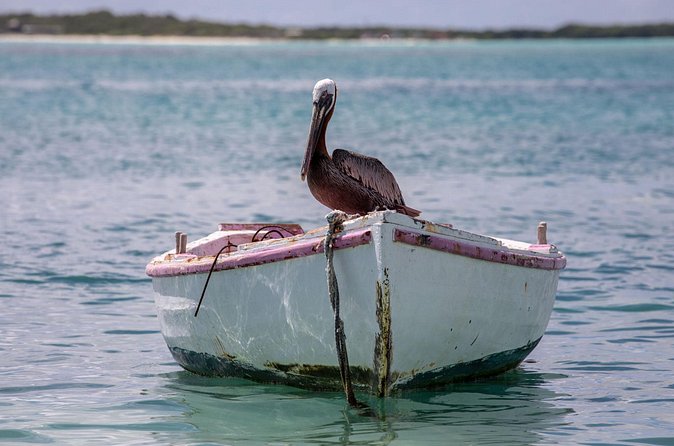
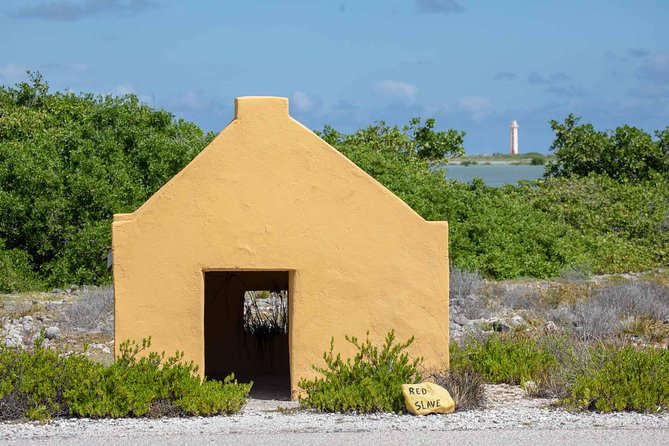
Next up is Red Slave Huts for about 1 hour. This stop is described as a place with history, and the tour also connects it to the East Coast and Salt Pier area. For photography, that combination is a gift: you get strong structure and textures, plus a chance to frame the coast and human-made elements in the same series.
A full hour matters here. It’s not just about capturing a single shot of buildings. You’ll likely want time to:
- try wider frames that show the setting, and
- switch to tighter compositions where textures and geometry do the work.
One practical consideration: historical sites can mean uneven footing or less-than-photographer-friendly surfaces. Wear shoes you trust. You’ll want stability if you’re stopping, kneeling, or adjusting for low angles.
Stop 3: Rincon, lake Goto, Indian Inscriptions, and Boka Onima
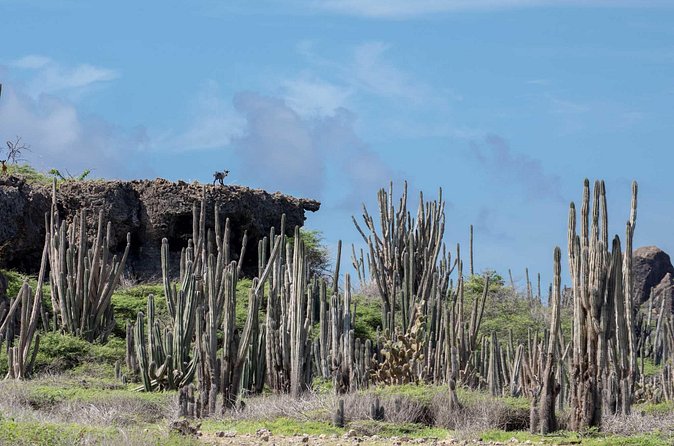
Then you move into the heart of the Rincon area for roughly 2 hours. The tour plan here is packed, and that’s the point: you’re not only seeing a scenic town vibe at Rincon. You’re also going to lake Goto, then continuing to the Indian Inscriptions and Boka Onima.
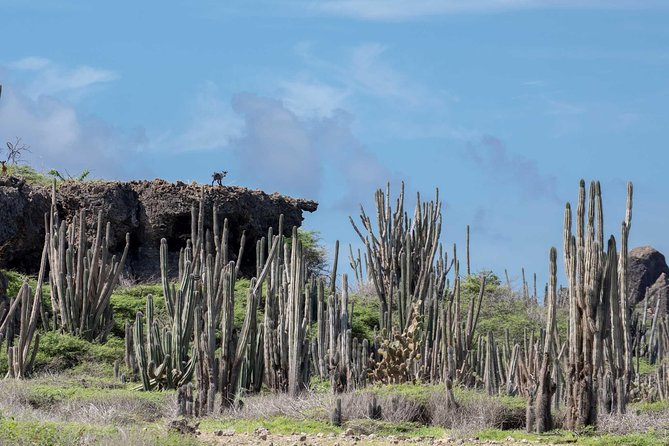
Why this cluster works so well for photographers: it gives you variety in a relatively short stretch of time. You can build a sequence of images—wide scenic views near Rincon, then more specific, detail-driven shots around the inscriptions, and finally the dramatic look at Boka Onima.
Here’s the drawback to be aware of: when an outing is dense like this, your best work may happen when you’re disciplined. Decide what you want from each sub-stop. If you try to do everything at once, you’ll spend energy reworking settings instead of composing. Casper’s guidance with your camera setup helps, but your own focus still matters.
If you enjoy telling a visual story—setup, contrast, and payoff—this is the section where you can build that arc.
Stop 4: 1000 Steps for a short walk to a big coastline overview
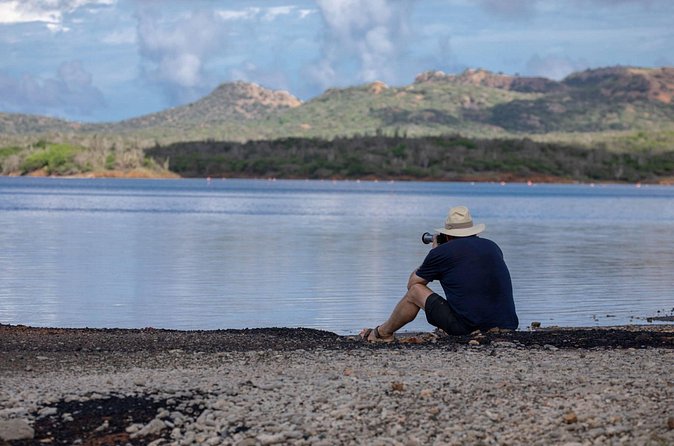
You wrap with 1000 Steps, about 20 minutes. The key promise here is an overview of the Bonairian coastline. The name is a clue: you should expect a viewpoint reached by steps, even if the tour time is short.
This is a classic photography strategy: finish with a viewpoint stop. After history and detail work, you get room for wide frames. The payoff is often worth it because you leave with images that anchor the entire trip—coastline context, horizon lines, and a clear sense of where you’ve been.
The consideration: even if it’s only 20 minutes, steps can be tiring, especially in strong sun. Plan your energy. If you’re going to change lenses or tweak settings, do it once you’re close to where you can shoot, not while rushing up and down.
Price and value: what $256 per person really buys
At $256 per person, this isn’t a budget activity. But it also isn’t just a car ride with photo stops. You’re paying for a tight group size, photography-specific direction, and a route built around different kinds of scenes.
Two value factors stand out:
- Private attention: max 4 persons means Casper can help with camera settings in a way that’s hard to replicate in larger groups. That can be worth real money if you care about getting the look right.
- Built-in ticket value: Lac Cai includes admission, while the other stops are listed as free. So part of what you pay isn’t purely “transport time.”
Also, because it’s focused on photography, you’re less likely to waste time at places that don’t help your camera goals. If you want a day that results in usable photos—not just a nice drive—this format has strong value.
If you’re traveling as two or three people and want a guided photo plan, the price starts to feel more reasonable. If you’re solo and comparing to general tours, it may feel heavy, but the private coaching is the trade.
What to bring (and how to get the most from Casper’s camera help)
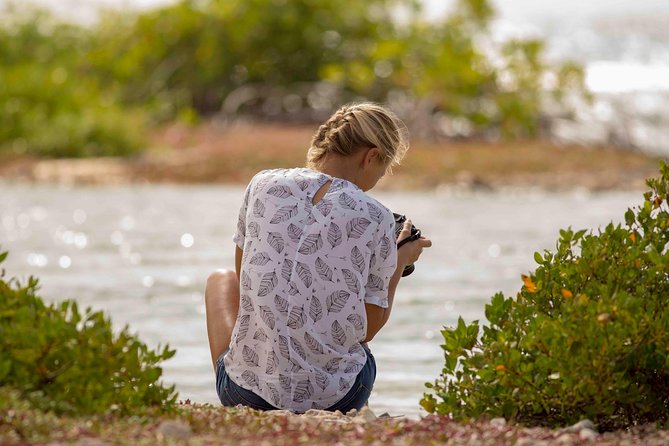
You don’t need to be a pro to benefit. This tour is set up for different levels because the whole point is helping with your camera settings. That means you’ll get more from it if you arrive ready to tweak.
Bring:
- Your camera (and whatever settings you usually use)
- Extra battery and a way to keep it charged
- A lens you like for both wide scenes and closer details
- Comfortable shoes for varied ground and steps
Pro tip that actually helps: think about what you want most—water color, architecture/history, or coastline panoramas. Then, when Casper adjusts settings with you, you’ll know what you’re aiming for. The tour already supplies the variety; your goal gives it direction.
Also, keep your expectations matched to the timing. You’ll have limited minutes at Lac Cai and 1000 Steps, more time at Red Slave Huts and the Rincon section. If you’re the type who takes 50 near-identical photos, choose fewer variations and spend more time checking composition.
Weather matters more than you think on this kind of day
The tour requires good weather. That’s not filler. On an outing with water color, coastline overviews, and outdoor viewpoints, cloudy skies and rough conditions can flatten contrast and reduce the photo impact you came for.
If the tour is canceled due to poor weather, you’ll be offered another date or a full refund. I’d treat that as a planning advantage: you’re not stuck with a ruined day because you picked wrong conditions. Still, build your Bonaire schedule with flexibility so a reschedule doesn’t collide with your other must-dos.
Who this tour is perfect for
This is a great fit if you:
- want a photo-focused route rather than a generic sightseeing drive
- like small groups and direct coaching
- are chasing water-and-coast images, plus a few strong historical/photo anchor points
- prefer a structured itinerary that gives you multiple shooting styles in one day
It’s also a good choice if you’re traveling with friends who want different photo tastes. The stops include water color, structures with history, cultural inscriptions, and big coastline views—so you won’t all be stuck shooting the same type of scene.
Should you book this private photography tour?
If you care about photos and you want guidance that actually affects what your camera produces, I’d book it. The small group size, Casper Douma’s hands-on help with settings, and the mix of Lac Cai, Red Slave Huts, Rincon/lake Goto/Indian Inscriptions/Boka Onima, and 1000 Steps is a strong combo for a 4 to 5 hour outing.
Skip it only if you’re not interested in photography coaching and you prefer a free-form day with no set stops. Also, if your itinerary is rigid and you can’t handle a weather-related reschedule, consider whether you can flex your schedule.
FAQ
How many people are on this private photography tour?
The group is limited to a maximum of 4 people, so it’s truly private for your group.
How long is the tour?
It lasts about 4 to 5 hours.
What time does the tour start?
The start time is 8:30 am.
Is pickup offered?
Yes, pickup is offered.
Are tickets included for all stops?
Lac Cai includes an admission ticket. The other listed stops (Red Slave Huts, Rincon area including Indian Inscriptions and Boka Onima, and 1000 Steps) are listed as free.
What does the guide do for photography?
The guide helps you find the best places and can help with your camera settings.
What if the weather is bad?
The tour requires good weather. If it’s canceled due to poor weather, you’ll be offered a different date or a full refund.
Can I cancel for a full refund?
Yes. You can cancel up to 24 hours in advance for a full refund. If you cancel less than 24 hours before the start time, the amount paid is not refunded.