REVIEW · BRUGES
Photo Tour “Jan van Eyck”
Book on Viator →Operated by From Bruges with Love · Bookable on Viator
Bruges becomes a photo lesson fast. This Jan van Eyck guided photo walk turns the historic center into a route of specific photo stops, with on-the-spot photography tips and city context as you go. I like that you do not need to study a map, because the guide keeps you moving between the places that matter.
I also like the value angle: several stops include admission, so you’re not just walking past sights. One possible drawback is that it is a fairly active, photo-focused route—some people may find it a bit tiring—so comfortable shoes are a smart call.
In This Review
- Key highlights worth your attention
- A 2-hour Bruges photo walk that stays in the center
- Why the Jan van Eyck theme is more than a name
- Stop-by-stop: Poorters Loge to Rozenhoedkaai to a pro-style finish
- Burghers’ Lodge (Poorters Loge) — the first office building point
- Jan Van Eyckplein — an older harbor working area
- Groenerei — a guided “special spot” moment
- Vismarkt — the old fish market area
- Huidenvettersplein — Tanners Place
- Quai du Rosaire / Rozenhoedkaai — the most photographed view
- Nepomucenus Bridge — the last shot for professionals
- Getting better fast: the guide’s photo direction (and why it helps)
- Price and value: what $47.50 buys you in Bruges
- Who this photo tour suits best
- Should you book the Jan van Eyck photo tour?
- FAQ
- Where does the photo tour start?
- What time does the tour begin?
- Where does the tour end?
- How long is the tour?
- Is the ticket mobile?
- How large is the group?
- Which stops include admission tickets?
- What if the weather is bad?
- Can I cancel for a refund?
- Final verdict: a smart photo shortcut in Bruges
Key highlights worth your attention
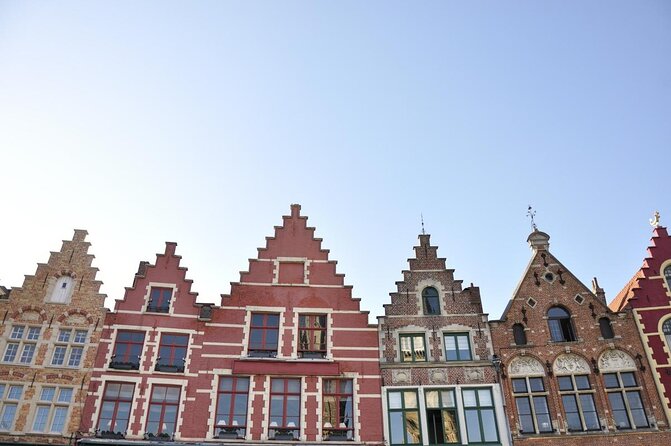
- A guided route that saves you from map guesswork, keeping you on the right corners for photos
- Up to 12 people, which makes it easier to ask questions and get help with framing
- Jan van Eyck Square plus the Rosary Quay viewpoint, two of Bruges’ signature photo locations
- Admission included at multiple stops, not just “look and leave”
- A final pro-style shot at Nepomucenus Bridge, with extra direction for getting the last frame
A 2-hour Bruges photo walk that stays in the center
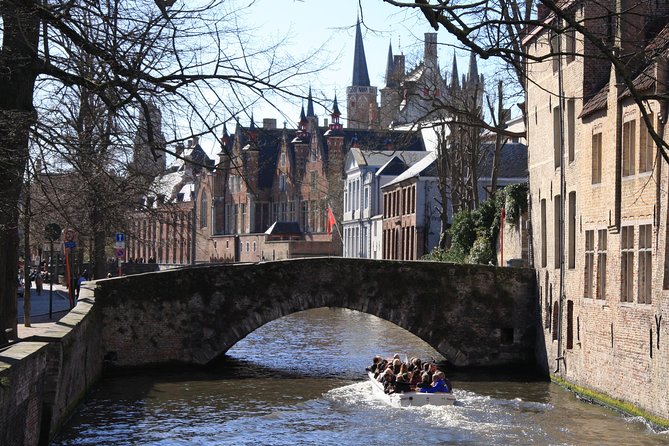
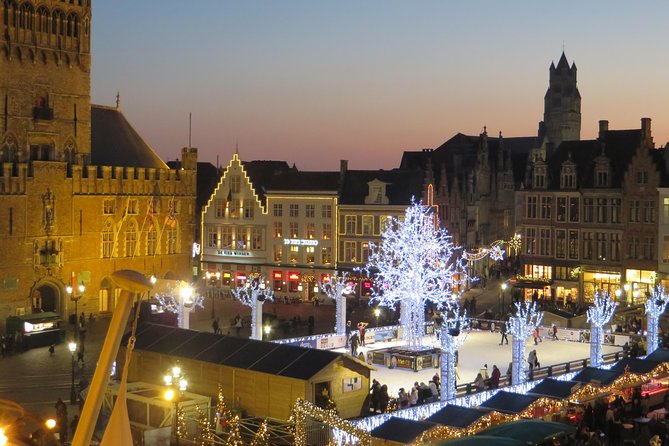
This tour is built for people who want a lot of visual payoff in a short window. It runs about 2 hours, starting at 1:30 pm, with the meeting point at Historium BrugesMarkt 1 (8000 Brugge). The ending point is Nepomucenus Bridge on Dijver, and it’s close enough to the start that you’re essentially staying in the historic core.
The group size is kept small—maximum 12 travelers—which changes the whole vibe. Instead of being swept along like luggage, you’re more likely to get side conversations and quick feedback on composition. One review even noted that with fewer people there were more one-to-one chats, which matches how this kind of photo tour should feel.
Practical note: this tour depends on good weather. If conditions are poor, you’ll be offered a different date or a full refund, so it’s worth keeping an eye on forecasts the morning of.
You can also read our reviews of more tours and experiences in Bruges.
Why the Jan van Eyck theme is more than a name
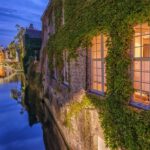
You might see Jan van Eyck as just an artist’s name, but on this walk it acts like a thread tying together parts of Bruges you’d likely connect only if you already knew the city well. The route passes through Jan van Eyck Square (Jan Van Eyckplein), where the story connects to medieval activity and an older harbor setting.
That matters for photography because it’s not only about finding “pretty spots.” It’s about knowing what you’re photographing. When the guide shares the context—trade, city growth, how waterways shaped everyday life—you’ll naturally frame scenes with more intention. You’re more likely to pause for details that look like background on a casual stroll: edges of buildings, the way water meets stone, and how bridges shape sightlines.
And yes, there are classic Bruges moments here. Stop names like Quai du Rosaire / Rozenhoedkaai and Nepomucenusbrug are basically the city’s greatest-hits list for photographers. The theme gives you a way to stitch those hits into a meaningful route rather than a random series of selfies.
Stop-by-stop: Poorters Loge to Rozenhoedkaai to a pro-style finish
The tour flows like a photographer’s checklist: start with a “get oriented” moment, then move through a sequence of increasingly iconic viewpoints, ending with a final frame that’s meant to be the payoff.
Burghers’ Lodge (Poorters Loge) — the first office building point
Your first stop is the Poorters Loge at Burghers’ Lodge. It’s described as the first office building in the world, and admission is included here. If you like architecture and urban history, this is a smart early choice because it gives you lines, facades, and a sense of scale.
Photography angle: early on, I think you benefit most from places where you can control your background. That kind of structure helps you practice framing before you’re surrounded by crowds of postcard views.
Time on site is short—about 3 minutes—so focus on getting a couple of strong compositions rather than trying to photograph everything.
Jan Van Eyckplein — an older harbor working area
Next comes Jan Van Eyck Square. The tour notes that in the Middle Ages there was a lot of activity here, tied to an old harbor. Admission is included, and you get about 15 minutes.
Photography angle: when you’re near water history, reflections and angles become part of the story. Even without perfect reflections, you can capture the “working” geometry—how the space channels views and where people historically moved.
This is also a good moment to check your camera settings. I like using these mid-route “breathers” to confirm exposure, especially if the light shifts as you move.
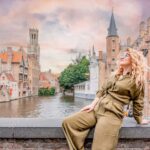
Groenerei — a guided “special spot” moment
Then you hit Groenerei, with about 15 minutes and admission included. The tour description says you’ll be asked to stand on a very special spot and will be surprised—so you should expect the guide to direct you to a specific angle rather than just letting you wander.
Photography angle: this is the kind of stop where a small repositioning matters more than fancy equipment. The guide’s job is to help you find the line-of-sight that makes the scene click.
If you’re hoping to step beyond obvious photos of Bruges and into images that look “planned,” this is where you’ll feel the most payoff.
Vismarkt — the old fish market area
At Vismarkt, you get around 5 minutes with admission included. The name points you to what the place used to be: a big fish market.
Photography angle: markets usually give you texture—different materials, edges, and layers. Even if the area doesn’t look like an active market now, you can use the old function to guide what you look for: entrances, transitions, and how streets funnel toward openings.
Because the time is brief, I’d aim for one wide shot and one detail. Bruges rewards both types.
Huidenvettersplein — Tanners Place
Next is Huidenvettersplein (the Tanners Place), again about 5 minutes, with admission included. You can treat this stop as a “style” stop. Leather and tanning connect to a different kind of historical texture—industrial rhythms in a city that often feels purely romantic.
Photography angle: details often win here. Look for surfaces, openings, and small architectural cues rather than only chasing big views.
Quai du Rosaire / Rozenhoedkaai — the most photographed view
Now for the headliner: Quai du Rosaire / Rozenhoedkaai. The tour calls it without a doubt the most photographed view of the city, and it’s about 5 minutes with admission included.
This stop is famous for a reason: it creates a frame-within-a-frame look, with water, buildings, and a classic Bruges skyline feel. If you’ve ever seen Bruges photos that make you stop scrolling, this is where many of them come from.
Photography angle: you’ll likely be working quickly because it’s a short stop and the area is popular. The guide’s tip about where to stand will matter more than luck. If you want your photo to look like you planned it, pay close attention to the exact spot and the direction you’re told to face.
Nepomucenus Bridge — the last shot for professionals
The final stop is Nepomucenusbrug. It’s about 5 minutes, and the tour says it’s where you’ll make your last picture—one that only professionals see. Entrance is free here (the stop itself is listed as free).
Photography angle: the “professional” phrasing is really a hint about viewpoint and timing. The guide likely helps you get the angle that reduces distractions and strengthens the composition.
Even if you’re not aiming for a trophy-level image, this is a great wrap-up moment because you end your walk with a clean target instead of a random last-minute scramble.
Getting better fast: the guide’s photo direction (and why it helps)
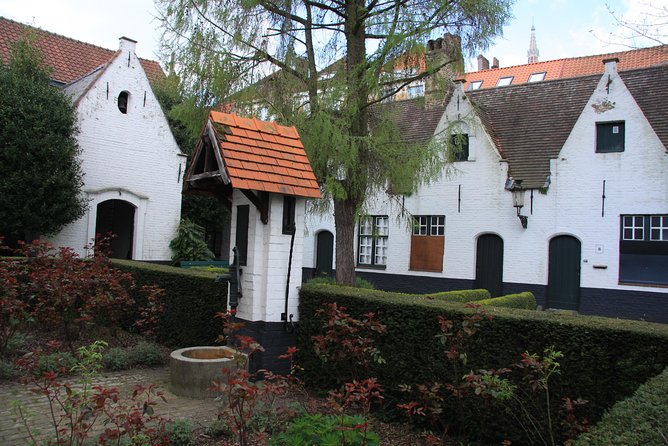
This tour is not just about visiting sites. The core value is that you get advice on taking great photos throughout, mixed with history so you know what you’re capturing.
One theme from the reviews is that the guide, Ivan, makes the tour personal and fun. People called him funny and shared that he loves the city where he lives. That energy matters because photography improves when you feel comfortable asking questions.
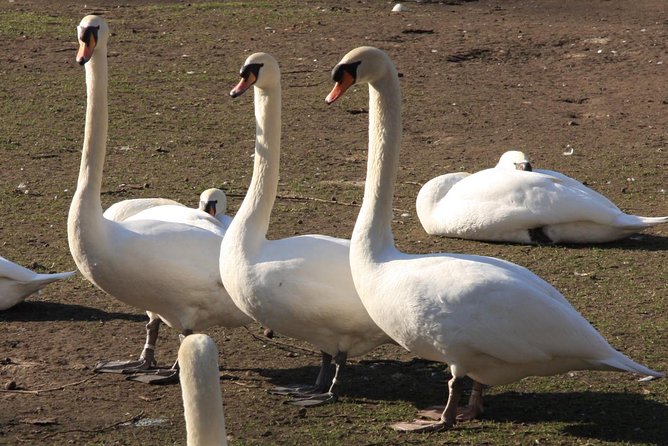
Ivan also shared city storytelling moments, including a story about swans. That might sound like casual whimsy, but it affects photos: birds, water, and movement add life to otherwise static architecture shots. When you understand why something is there, you’ll start looking for it.
What you should do during the tour to get the most out of it:
- If you have a phone, treat this like a “positioning” lesson. Ask where to stand for each frame.
- If you have a camera, use the stops with 5-minute time windows to grab quick variations: one wide, one mid, one detail.
- Expect the guide to interrupt your wandering with instructions. That is a good thing on a photo tour like this.
Also, keep in mind the route is a walking photo loop. If you’re the type who likes to stop for 20 minutes at every corner, this format may feel tight. If you’re okay moving at a steady pace, it’s a good match.
Price and value: what $47.50 buys you in Bruges
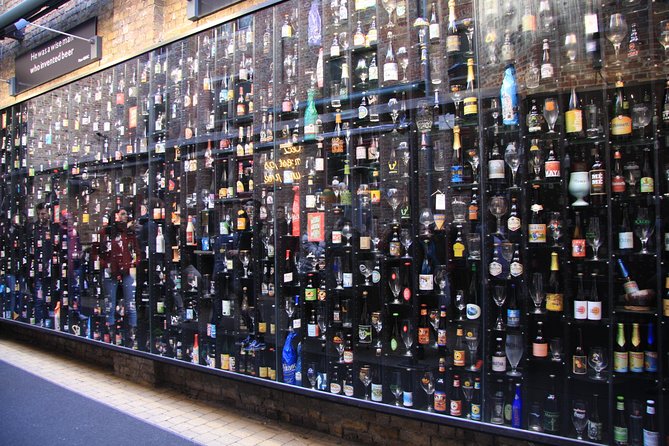
At $47.50 per person, this tour sits in the “small guided experience” category—so you should evaluate what’s included.
Here’s the value logic I’d use:
- You’re paying for a guided route that saves time and helps you land on the best photo angles.
- You’re also getting commentary about the city, not just a list of locations.
- Several stops include admission tickets (Poorters Loge, Jan Van Eyckplein, Groenerei, Vismarkt, Huidenvettersplein, and Quai du Rosaire / Rozenhoedkaai).
- You have a tight time structure (about 2 hours), which can be a big deal if you only have one afternoon in Bruges.
You’re not paying for “extra walking.” The pace is part of the design: it’s meant to keep you moving between viewpoints, not to drag out the same street until you’re bored.
So if you value guidance and want to come away with better shots—not just better memories—this price can make sense.
If, however, you want a slow self-guided stroll with unlimited time in each spot, you may feel it’s too structured.
Who this photo tour suits best
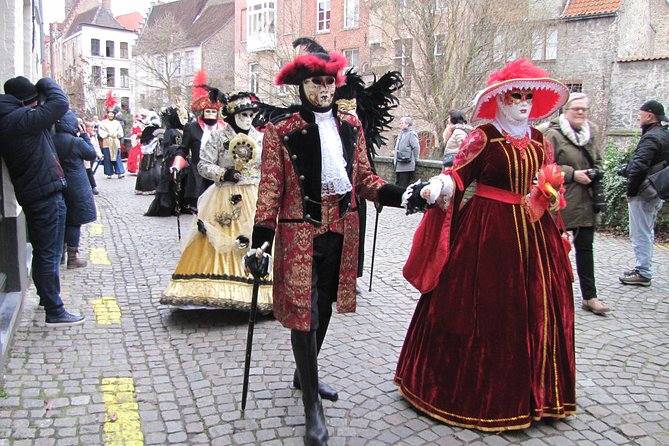
This works best for:
- Couples and solo travelers who want an organized route and photo help.
- People who bring a camera or phone and genuinely want feedback on framing.
- First-time Bruges visitors who are still figuring out which areas are worth focusing on.
- Anyone traveling with limited time who still wants iconic images.
It may not be your best match if:
- You dislike guided pacing or you need lots of quiet time alone.
- You struggle with walking between multiple close stops in a short window.
- You’re hoping for a deep, meandering exploration. This is photo-first, then history.
One more practical note from a review: on photo tours, details like getting your confirmation and understanding when to arrive can make or break the experience. I’d take a simple precaution—double-check your booking confirmation before you show up, and plan to arrive a few minutes early rather than at the last second.
Should you book the Jan van Eyck photo tour?
If you want Bruges photos that look intentional, not accidental, I think this is a strong choice. The route hits major viewpoints like Rozenhoedkaai and closes with Nepomucenus Bridge, and the guide’s direction seems to be a big part of why people leave with better pictures and clearer city context.
Book it if:
- You want photo coaching during the walk.
- You like the idea of admission included at several stops.
- You’ll benefit from a small group setting.
Skip it if:
- You want lots of free time to wander at your own pace.
- You’re sensitive to a route that feels somewhat “active” over two hours.
- Weather is shaky and you cannot adjust plans.
FAQ
Where does the photo tour start?
It starts at Historium BrugesMarkt 1, 8000 Brugge, Belgium.
What time does the tour begin?
The start time is 1:30 pm.
Where does the tour end?
It ends at Nepomucenus Bridge, Dijver, 8000 Brugge, Belgium, about 200 meters from the start point.
How long is the tour?
The duration is approximately 2 hours.
Is the ticket mobile?
Yes. The tour uses a mobile ticket.
How large is the group?
The tour has a maximum of 12 travelers.
Which stops include admission tickets?
Admission tickets are included for the stops at Burghers’ Lodge (Poorters Loge), Jan Van Eyckplein, Groenerei, Vismarkt, Huidenvettersplein, and Quai du Rosaire / Rozenhoedkaai. Nepomucenusbrug is listed as free.
What if the weather is bad?
The tour requires good weather. If it’s canceled due to poor weather, you’ll be offered a different date or a full refund.
Can I cancel for a refund?
Yes. You can cancel up to 24 hours in advance for a full refund.
Final verdict: a smart photo shortcut in Bruges
This is one of those tours where you trade some freedom for direction—and the direction seems worth it. You get an organized photo route through key Jan van Eyck-linked areas, guidance for framing, and multiple stops with admission included. If your goal is better Bruges pictures without wasting time figuring things out on foot, this walk is a practical, good-value way to spend an afternoon.