REVIEW · FAIRBANKS
Northern Lights Aurora Tour with FREE Photography
Book on Viator →Operated by Arctic Night Tours · Bookable on Viator
Northern lights tours live or die on patience. I like how this one pairs a small group night chase with free professional photography, so you can stay focused on the sky instead of fiddling with a camera. One heads-up: it’s long and cold, with nights that can hit -36°C to -50°C, and you’ll spend real time outside waiting.
You start at 8:00 pm in Fairbanks, with pickup offered (they ask you to call or text) and a van that stays warm between sightings. The best part is the way the crew works the night: they search for darker pockets away from clouds, then help you capture the moment with multiple camera stations, hand and toe warmers, snacks, water, and even a sweet treat at the end.
In This Review
- Key Highlights You Should Actually Care About
- The Northern Lights Night Chase From Fairbanks (8:00 pm Start)
- Price and Value: What $210 Buys You Here
- Getting Out of Fairbanks: The Drive to Darker Sky
- How the Crew Predicts the Best Moments for Aurora Viewing
- Free Photography That Lets You Keep Your Gloves On
- What Happens Between Aurora Bursts (Warm Van, Snacks, and Timing)
- Stop Focus: Fairbanks Starting Point, Then Remote Viewing Spots
- Colors, Motion, and What to Expect When the Sky Finally Answers
- Cold-Weather Packing That Actually Works (Not Just a Warm Coat)
- Group Size, Comfort, and Who This Fits Best
- Small Considerations Before You Commit
- Should You Book This Northern Lights Tour?
- FAQ
- What city does this northern lights tour operate from?
- What time does the tour start?
- How long is the tour?
- Is hotel pickup available?
- Is professional photography included?
- How many people are in the group?
- What language is the tour offered in?
- Are snacks and drinks provided?
- Does the tour require good weather?
- What is the cancellation window for a full refund?
Key Highlights You Should Actually Care About
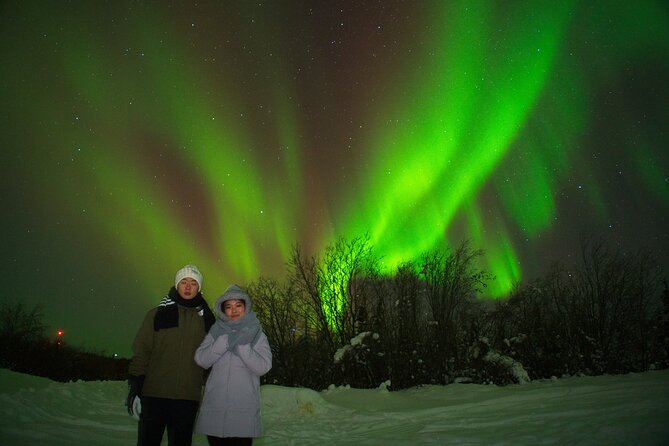
- Free photography with unlimited shots: you can take photos while the crew also shoots you at multiple angles.
- Two-camera setup in the cold: less time stripping off gloves and more time getting the shot.
- Small group max 15 travelers: easier than big-bus chaos when the aurora starts moving fast.
- They chase cloud breaks: the goal is clear sky, not just showing up and hoping.
- Warm van + cold-air timing: you go in and out as needed without ruining your night.
- Thoughtful cold-weather extras: hand warmers, toe warmers, snacks, water, and sometimes warming bags or cake.
The Northern Lights Night Chase From Fairbanks (8:00 pm Start)
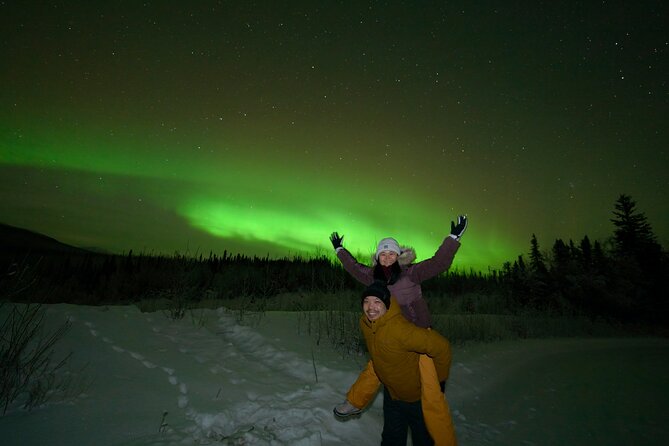
This tour is built around one idea: your chances improve when you’re in the right place, under the right sky, at the right time. Starting at 8:00 pm gives you a good window to work with the evening conditions, and it’s usually the kind of outing that runs deep into the early morning. Plan on getting back around pre-dawn hours—reviews commonly mention a return around 4:30 am after a long, patient night.
Pickup is offered, and they ask you to contact them so the timing lines up with your exact location. They’ll come about 10 minutes before tour start, which matters because the temperature drops fast after dark and you don’t want to be standing around outside.
Price is $210 per person for a roughly 8 to 12 hour experience. That cost makes sense only if you treat it as a full night hunt, not a quick photo stop. The payoff is time in the dark with a crew that keeps moving to chase better viewing conditions.
You can also read our reviews of more tours and experiences in Fairbanks.
Price and Value: What $210 Buys You Here
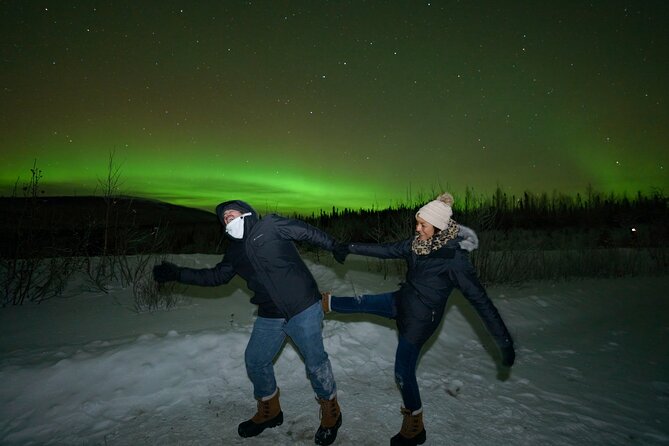
At $210, you’re paying for more than a seat in a van. You’re paying for the “in the field” work: driving away from light pollution, scanning conditions, and spending hours waiting for the lights to show up strong. You’re also paying for the part most people struggle with—getting clean photos in extreme cold without sacrificing comfort.
The value becomes clearer when you look at the included extras. You get snacks and refreshments (especially helpful if the night runs long), water, hand and toe warmers, and free professional photos. Several reviews also mention small treats like cake at the end, plus warming bags in some cases. That’s not just nice; it’s practical when your hands are the limiting factor.
The most important value point is risk reduction. Aurora nights are unpredictable, so the team’s job is to maximize your odds with smarter timing and better sky locations, not just hope for the best.
Getting Out of Fairbanks: The Drive to Darker Sky
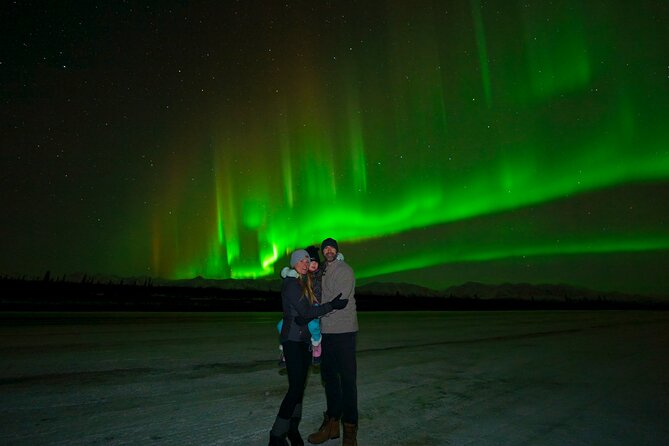
The night begins in the Fairbanks area and then turns into a pursuit of clear sky. In practice, that often means driving about an hour north and ending up in mountain areas where you can see the stars well and get away from city glow. One review described them driving all the way toward Denali National Park for a big viewing setup, which hints at the distances they’re willing to cover when conditions call for it.
This drive matters for two reasons. First, auroras need a darker horizon to look as dramatic as possible. Second, thicker clouds around town can hide everything, so moving out helps you find a break in the weather.
You’ll be in a comfortable vehicle, and the crew typically uses the ride to set expectations—what you’re looking for, how auroras behave, and why you may wait. That background helps when the lights don’t show immediately, which can happen.
How the Crew Predicts the Best Moments for Aurora Viewing
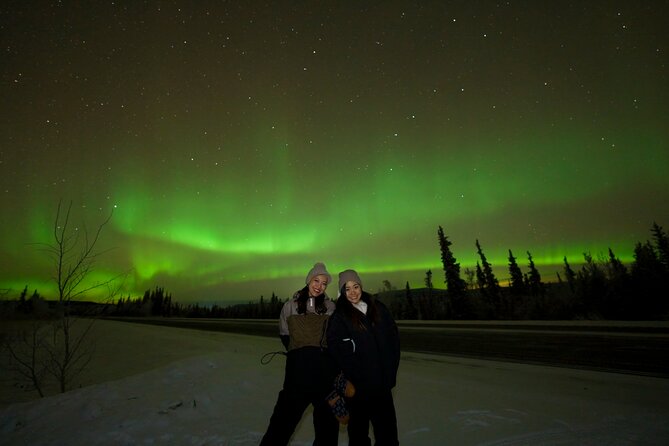
Northern lights aren’t a guaranteed light show. They change colors and intensity and can appear and disappear quickly, so the tour succeeds by staying flexible. The crew focuses on timing and conditions, and reviews consistently mention that they watch the forecast and adjust the plan instead of rushing people out to a single spot.
This is where the guide style makes a difference. Multiple reviews highlight guides who explain what’s happening in the sky and answer questions patiently—one person mentioned discussion of magnetic storms, and another mentioned strong knowledge about aurora timing. Guides like Elena and driver Ed show up by name in reviews, and both are described as enthusiastic and focused on getting people the best view possible.
You can also expect lots of waiting. That’s not a flaw—it’s the nature of the phenomenon. The best sign is that the team doesn’t fold when conditions are slow; they keep looking and reposition if needed.
Free Photography That Lets You Keep Your Gloves On
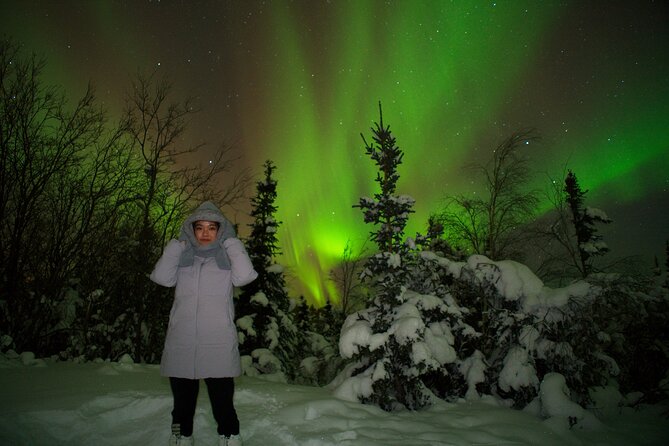
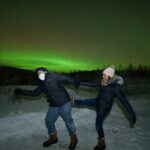
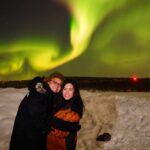
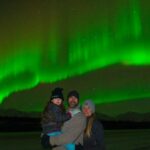
If photography is your main goal, this tour is unusually strong. The whole setup is designed for cold-weather reality: you can warm up in the van, then get back out without treating the night like a photo-workout where your hands freeze before the lights even cooperate.
Here’s what stood out from reviews:
- A crew photographer system with multiple camera stations
- A two-camera approach so you can get different angles
- A big focus on taking as many shots as you want, plus the crew also captures images for you
- Help with camera settings, including for phone users in very cold conditions
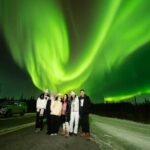
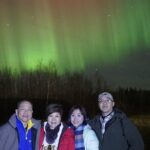
People describe receiving lots of photos—some mention dozens of images—and they describe the photos as a lifesaver when temperatures make it hard to operate gear. One common theme: the guides encourage you to take pictures, but they also take on the heavy lifting, so you can actually enjoy the lights instead of wrestling with settings.
The photography part is also what makes the tour feel more “complete.” You’re not just chasing a moment—you’re leaving with a memory set.
What Happens Between Aurora Bursts (Warm Van, Snacks, and Timing)
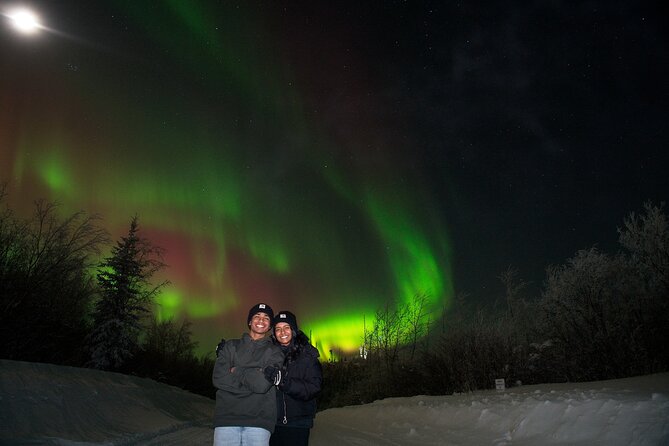
Expect the night to have rhythm: drive, stop, scan the sky, wait, and then go quiet or go wild when the aurora appears. Sometimes the lights show up quickly. Other times, they take hours to come into full force. That delay is normal, and the tour is structured to make it survivable.
Between sightings, the van stays running so you can warm up, and you can go in and out as needed. That flexibility helps because your body can only tolerate cold exposure for so long, especially if you’re standing still waiting for faint activity.
You’ll also have comfort fuel. Reviews mention snacks, water, hand warmers, toe warmers, and warming bags in some situations. Some people described the van as a cozy reset point, which is exactly what you want when you’ve been standing outside watching for color shifts in the sky.
There’s also a bathroom reality check. The bathroom is outdoors, and it can get very cold. That’s not a dealbreaker, but it’s a reason to plan ahead, bundle up, and keep your layers organized.
One more practical note: the tour can be long, so bring whatever helps you pass time comfortably—some travelers mention things like audio books or earbuds to make the waiting feel less endless.
Stop Focus: Fairbanks Starting Point, Then Remote Viewing Spots
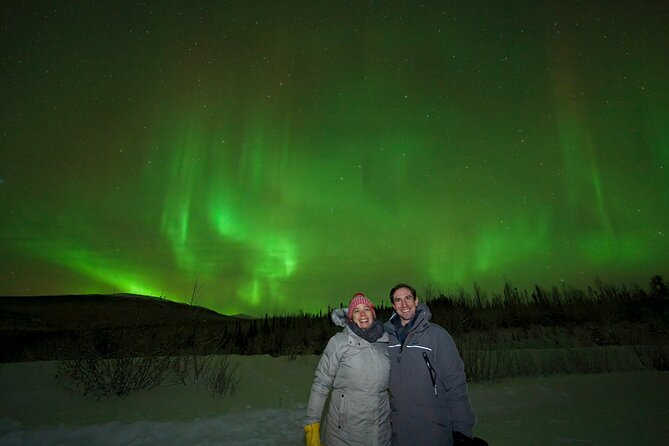
You can think of Fairbanks as your launchpad. From there, the crew selects where to watch based on sky conditions, cloud cover, and visibility. Even when the final spot changes, the goal stays the same: find a place with fewer obstacles and less light pollution.
In reviews, the viewing areas range from mountain clearings to very remote stretches where there are no other cars nearby. Some people specifically mention setups with minimal light pollution and even no power lines in the immediate viewing area, which improves how clean the aurora looks against the dark.
Photo stops are built into the experience. People mention being given plenty of time to stop for pictures, which matters because the aurora doesn’t hold still for you to reframe your tripod.
Colors, Motion, and What to Expect When the Sky Finally Answers
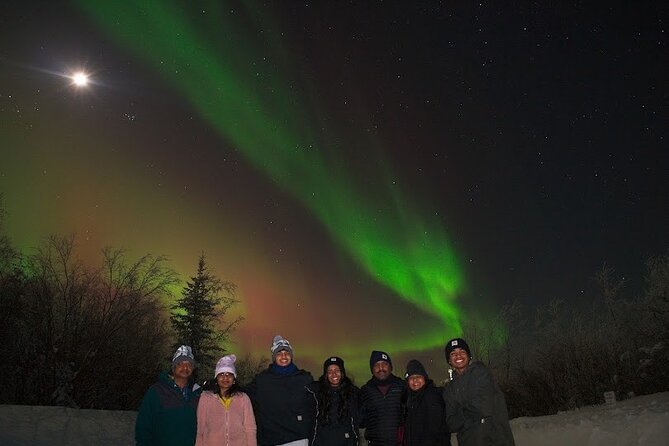
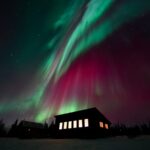
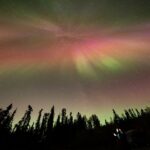
When the aurora comes alive, it can be dramatic. The lights are often described as green as a main hue, but you may also see purple, pink, red, and blue depending on strength and atmospheric conditions. Even when you’re waiting, the crew may keep you looking for subtle signs first—faint glow that turns into stronger, dancing movement.
A key thing to understand: the aurora can start weak, then ramp up, and it can also fade. That’s why the patience part matters. When the display arrives, it can last long enough for multiple bursts rather than a single fleeting moment, and that gives you multiple chances to photograph and simply watch.
If you get lucky, you might see early activity that stays active for a while. If you don’t, you’ll still get the star-filled sky experience that comes with being far from city light.
Cold-Weather Packing That Actually Works (Not Just a Warm Coat)
This is Alaska. The cold is not a minor detail—it’s a major character in the story. Reviews mention extreme temperatures like -36°C and even -50°C, so dress for that kind of cold exposure if you want to enjoy the night instead of enduring it.
What to bring:
- Gloves you can move in, plus warm layers you can add or remove
- Toe warmers and hand warmers if you have them, though the tour provides warmers
- A hat that covers your ears (ear pain is real at night)
- Warm socks and boots that can handle standing on icy ground
- Something to reduce frost stress on your phone or camera hands
Also, remember the tour includes a warm van, and the crew helps you stay comfortable between sightings. That said, they do not provide “wear this and you’re fine” outerwear in every scenario. One review explicitly warned that they don’t provide extra warm clothing, but they do provide toe and hand warmers plus snacks and water. So if you’re underdressed, the van becomes your only escape—and you’ll spend less time enjoying the sky.
Group Size, Comfort, and Who This Fits Best
With a maximum group size of 15, you won’t feel swallowed by a crowd when you stop outside. That size also makes it easier for the guides and photographers to get people positioned, help with camera setups, and keep everyone from wandering off when the aurora appears.
This tour is a strong fit if you:
- Want free professional aurora photos
- Care about comfort during long waiting periods
- Prefer a guided night with explanations, not a do-it-yourself dash
- Travel as a couple, solo, or family and want a calmer structure than huge tours
It can also work well if you’re worried about weather. Reviews describe the team staying on the hunt even when forecasts looked less promising or when conditions were cloudy. That doesn’t guarantee auroras, but it signals you’re with a crew that takes the search seriously.
Service animals are allowed, and most travelers can participate, which makes it a flexible option for many visitors.
Small Considerations Before You Commit
No tour can control the aurora. You still need good luck and clear skies.
The main consideration is the length and the cold. If you’re not comfortable standing outside for long periods, you’ll rely on the warm van more often, which can limit your time for photos and viewing. Also, the outdoors bathroom can be uncomfortable when it’s deeply cold.
One review mentioned that waiting is part of the deal, with plenty of time sitting in the van. That’s normal here. If you hate waiting, this may feel like a lot—unless you embrace the night hunt as the experience.
Finally, most people will love the photography, but it’s not a “just watch” vibe only. The crew encourages taking pictures constantly, which is great if you want memories, but less ideal if you want silence and minimal interaction.
Should You Book This Northern Lights Tour?
Book this tour if you’re chasing two things at once: the aurora itself and the ability to leave with excellent photos without turning your night into a camera battle. The combination of free photography, a small max group size, warm van breaks, and hand/toe warmers makes it feel built for real northern winter conditions.
Skip it if you strongly dislike cold, long waiting, or outdoor bathroom stops. Also, if your idea of value is a short, easy outing, the 8 to 12 hour format may test your patience.
If you want a well-managed aurora chase from the Fairbanks area—with guides who stay engaged, keep checking conditions, and help you capture the sky—this is a very solid choice. Just dress like you plan to stand outside for a while. The aurora rewards preparation.
FAQ
What city does this northern lights tour operate from?
It operates from Fairbanks, USA.
What time does the tour start?
The start time is 8:00 pm.
How long is the tour?
It runs about 8 to 12 hours (approximately), with an 8-hour option listed.
Is hotel pickup available?
Pickup is offered. They ask you to call or text them, and pickup time is listed as 10 minutes before the tour starts.
Is professional photography included?
Yes. The tour includes free photography.
How many people are in the group?
The tour has a maximum of 15 travelers.
What language is the tour offered in?
It is offered in English.
Are snacks and drinks provided?
Snacks and refreshments are included, and water is provided.
Does the tour require good weather?
Yes. It requires good weather. If it’s canceled due to poor weather, you’ll be offered a different date or a full refund.
What is the cancellation window for a full refund?
You can cancel up to 24 hours in advance for a full refund.