REVIEW · KIRUNA
Kiruna: Wildlife and nature photography
Book on GetYourGuide →Operated by Scandinavian Sami Photoadventures · Bookable on GetYourGuide
A quiet forest can turn into a photo safari fast. This Kiruna tour pairs a Sami guide with practical wildlife photography, plus the chance to see moose and other arctic animals up close. I really like that you get a tele-lens camera option (or can use your phone), and I also like the small group size that keeps you close to the action. One thing to consider: this is a short 4-hour trip, so you may spend meaningful time traveling between photo stops.
You’ll start with pickup around Kiruna in the morning, then head out with warm gear and a guide focused on helping you get usable shots, not just admiring views. The day runs on cold patience and smart positioning, and it’s designed for getting you practicing in real arctic conditions—deep snow in winter or the softer autumn light when days allow.
In This Review
- Key highlights I’d plan around
- Kiruna morning logistics: pickup, timing, and what the “4 hours” really means
- Moose and arctic animals: how close you can expect to get
- Tele-lens wildlife photography: what you get and what to bring
- Sami guide experience: culture lessons that aren’t stuck in a classroom
- The field rhythm: what the stops feel like (and the main drawback)
- Blue-gold arctic light: how to shoot in snow and in autumn color
- Price and value: is $220 per person worth it?
- Who should book this Kiruna photo tour (and who should skip it)
- FAQ
- FAQ
- How long is the Kiruna wildlife and nature photography tour?
- What’s the starting price per person?
- What animals might I see on the tour?
- Do I need to bring a camera?
- Is an SD card included?
- What winter clothing is provided?
- Is pickup included?
- Are flash photos allowed?
- Can I smoke or drink alcohol during the trip?
- Is the tour available in English?
- Should you book Kiruna: Wildlife and nature photography?
Key highlights I’d plan around
- Small group (up to 8) keeps the guide focused on your shots, not crowd control.
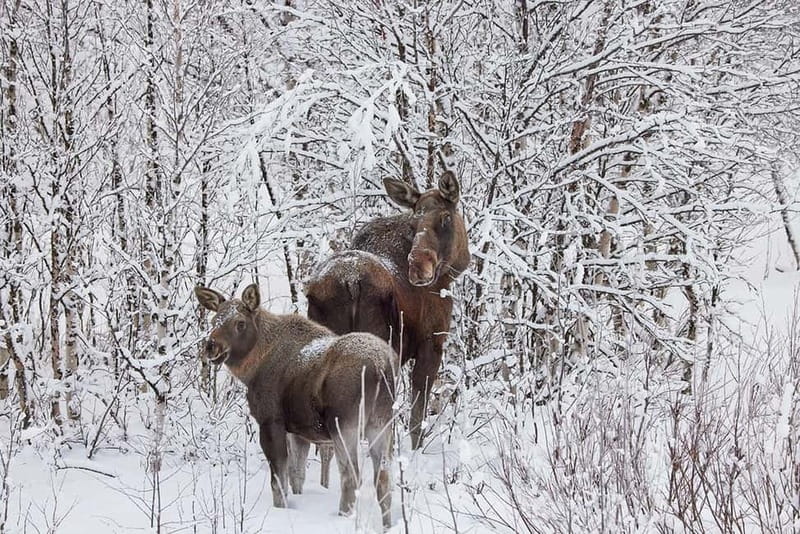
- Moose and other arctic animals in habitat, not zoo-style viewing.
- Free camera with tele-lens for wildlife framing (SD card not included).
- Sami culture context alongside practical photography tips.
- Hot drink and cake during the tour, with time to warm up by a fire.
- Photo rules that protect wildlife, including no flash.
Kiruna morning logistics: pickup, timing, and what the “4 hours” really means
Kiruna is far north, so your day starts early and moves efficiently. You’ll be picked up from central meeting points such as Camp Ripan (pickup at 8:15 am) or the Kiruna Tourism Center on Malmvägen 9B (around 8:00 am). Depending on the option you choose, you may also start from places like the Icehotel or the Kiruna tourist office.
The tour runs about 4 hours, and that time includes travel, short walks in snow or uneven ground, wildlife searching, and getting your camera set up. In other words: you’re not just standing still waiting for animals. You’ll be moving between likely spots while the guide watches for signs and helps you frame shots.
Also note the simple comfort side: the tour includes covering winter clothes and winter shoes, so you’re not left cobbling together your own arctic layering plan at the last minute. You still need to show up dressed warm in general—think gloves, base layers, and warm hats—but the big bulky needs are handled.
You can also read our reviews of more tours and experiences in Kiruna.
Moose and arctic animals: how close you can expect to get
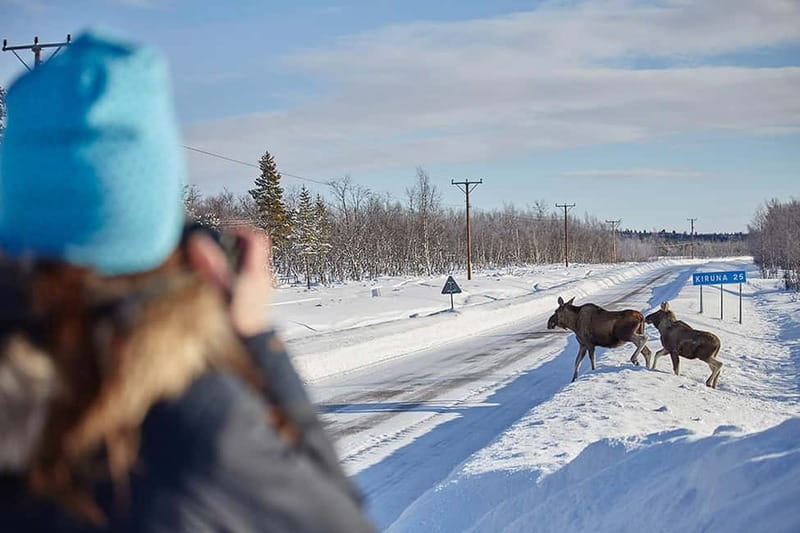
This tour is built around seeing moose and other arctic animals in their natural habitat. You’re going out with a local Sami guide who looks for wildlife and helps you understand what you’re seeing, including how animals behave in this environment.
A practical reality: wildlife viewing is never a guarantee. You’re paying for expertise and good positioning, not certainty. That said, there are two clear patterns you can plan for:
- You’ll likely spend time at spots where animals move through, including times when they may be near human-accessible edges of the area.
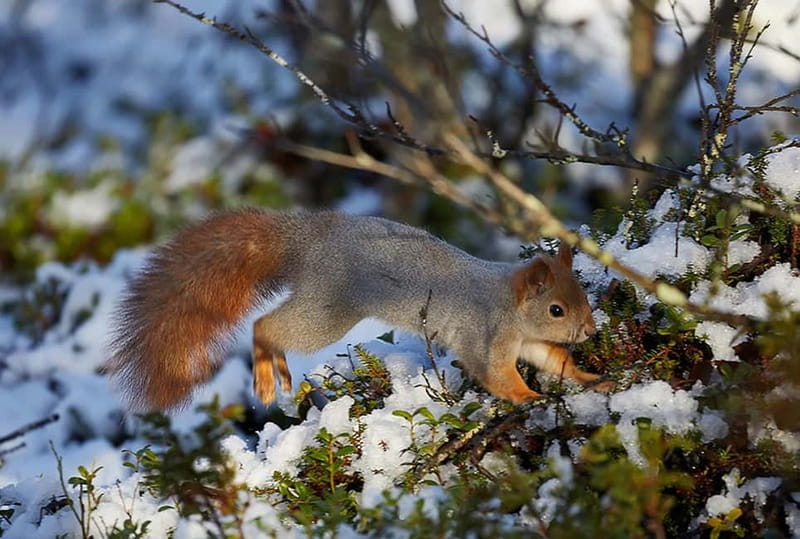
- You might also see animals other than the headline moose—one traveler’s experience highlighted birds showing up around nests and food placed by Sami guides, and moose can also show up along the roadside during transit.
One more thing I think you should take seriously: the guide sets the rules for safe distance and wildlife respect. That matters both ethically and for getting better shots—animals behave more naturally when people aren’t crowding them.
Tele-lens wildlife photography: what you get and what to bring
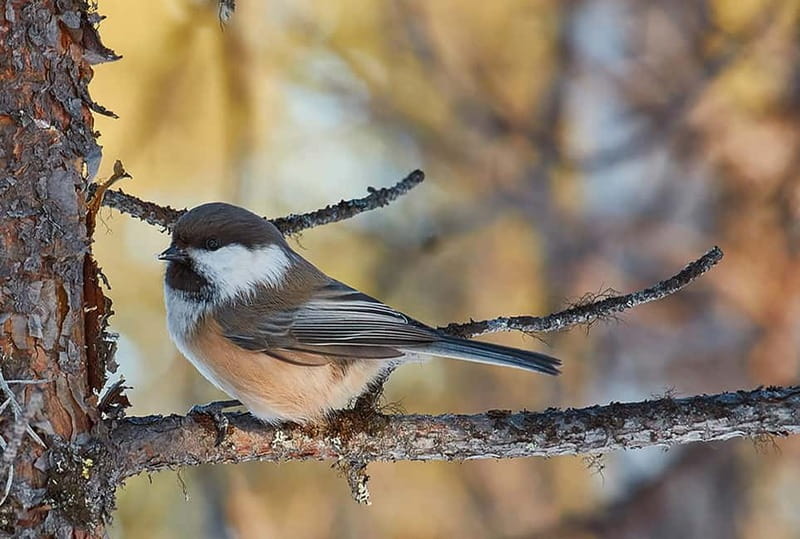
If wildlife photography feels intimidating, this tour is designed to take the pressure off. You can borrow a camera with a tele-lens for wildlife photos, or you can use your own camera (or even your mobile phone). The goal is the same: get you making better images with the tools you have.
A few photo notes that are straight-up important:
- Flash photography isn’t allowed. That’s not just a rule; it helps keep the wildlife calm.
- Your SD memory card isn’t included, so bring one if you’re using the provided camera.
- If you’re relying on your phone, the guide’s job is to help you translate wildlife shooting into phone-friendly habits like framing and steady positioning.
You’ll also get photography tips and knowledge from your guide. The standout point from feedback is that the camera instruction covers the essentials you actually need in the field, rather than turning into a technical lecture. You’ll be learning while you’re trying—so things click faster.
Bring a camera if you have one, but don’t overpack. The tour already handles the cold-layer problem, so you can focus your attention on shooting.
Sami guide experience: culture lessons that aren’t stuck in a classroom
This isn’t only wildlife photography. A big part of the experience is learning from a local Sami guide about Sami life and culture. The guide connects what you see in the landscape and animal behavior to how people live here and understand the north.
In practice, that shows up in a few ways:
- You’ll be learning what the animals mean in this area, not just photographing them as random subjects.
- You’ll hear context for why certain wildlife signs and behaviors matter.
- You’ll see how a guide thinks about timing, positioning, and animal attention—especially when animals respond to what’s around them.
One traveler specifically praised how the guide worked hard to make sure nothing obvious was missed, and another loved the warmth element: hot drinks served near a fire. That social pause is more than comfort. It’s when you can ask questions, get clarity on camera settings or composition, and reset for the next attempt.
The field rhythm: what the stops feel like (and the main drawback)
The itinerary is simple because the north is simple: you move from pickup to viewing areas, pause for animal sightings, then return. Since the total duration is about 4 hours, there’s not much time for a long route with lots of radically different ecosystems.
That’s the key consideration. One review pointed out that a lot of time can go into traveling between spots, and that can feel frustrating if you’re hoping for multiple rare species (like fox, hare, lynx, or wolves). Wildlife doesn’t follow a checklist, and animal sightings can be uneven.
So what does that mean for you?
- If you come with realistic expectations, you’ll likely enjoy the experience for the photos you do get plus the guidance on how to get them.
- If you’re only happy when you see a specific list of animals, you may leave wishing you’d gotten a wider variety.
The tour still has value because it’s a guided learning experience. Even if you don’t hit every species dream, you leave with a better sense of how to work with arctic light, distance, and telephoto framing.
Blue-gold arctic light: how to shoot in snow and in autumn color
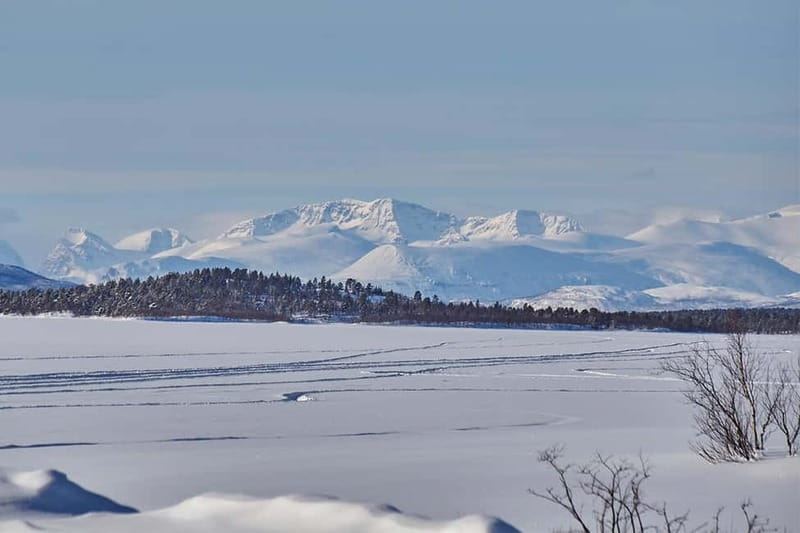
A big selling point here is the lighting. Guides talk about arctic light that can shift into blue and golden tones, reflected by the surrounding environment. That kind of light can be magic on camera, but it also tests your settings if you’re new.
When the tour runs in winter, you’ll likely deal with deep snow and high contrast. In autumn, the colors can be different, but the message stays the same: you’re shooting in a place where the light behaves differently than at home.
Practical shooting tips that matter in the field:
- Use the tele-lens (or zoom on a phone) to compress distance, then take a second before you press the shutter. Arctic animals move fast when they move.
- Watch for changing light. The north can shift your scene dramatically within minutes.
- Protect your gear in cold. Cold drains batteries and makes screens lag. Keep your equipment close to your body between shooting bursts.
Walking matters too. You may be on snow or uneven terrain, so bring stable footwear—even with winter shoes provided, you still benefit from good socks and traction awareness. Feeling secure on the ground makes it easier to hold a camera steady and avoid rushing.
Price and value: is $220 per person worth it?
At $220 per person, this isn’t a cheap activity. But it can feel fair if you look at what’s included versus what you’d otherwise pay for.
Here’s what you’re getting:
- Free pickup from major Kiruna start points (like Icehotel, the Kiruna tourist office, or Camp Ripan).
- A free camera with tele-lens option for wildlife photos.
- Covering clothes and winter shoes, which is one of those costs many visitors don’t budget well.
- Hot drink and cake.
- A local Sami photo guide with photography tips and knowledge during the shoot.
If you were to rent winter gear and a proper telephoto setup for a short trip, the price can quickly get messy. The tour also reduces guesswork: you’re not driving around hoping for moose, and you’re not trying to learn wildlife photography rules while chasing moving animals.
That said, the short duration is part of the pricing logic. You’re paying for concentrated guidance and a good chance at wildlife, not a long multi-day expedition. If you want hours of hiking or big-species variety, you may feel the limits.
I’d call this a strong value if:
- You want your first real wildlife-telephoto lesson.
- You’re traveling without specialized camera gear.
- You care more about learning and getting solid images than ticking off a long species list.
Who should book this Kiruna photo tour (and who should skip it)
This experience fits best if you want a guided wildlife photography outing with cultural context and warm comfort.
You’ll likely love it if you:
- Want a hands-on photography lesson with either a borrowed tele-lens camera or your phone.
- Prefer small groups (max 8) so the guide can help you in the moment.
- Are excited by arctic nature and can handle walking in snow.
You might want to skip it if you:
- Need full mobility support. The tour is not suitable for people with mobility impairments.
- Are traveling with younger kids. It’s not suitable for children under 8.
- Are only satisfied with a specific set of animals, since wildlife sightings can vary and the trip is short.
FAQ
FAQ
How long is the Kiruna wildlife and nature photography tour?
It lasts about 4 hours.
What’s the starting price per person?
The price is $220 per person.
What animals might I see on the tour?
You’re aiming to see moose and other arctic animals in their natural habitat.
Do I need to bring a camera?
No. You can borrow a camera with a tele-lens for wildlife photo, or use your own camera or mobile phone.
Is an SD card included?
No. An SD memory card is not included.
What winter clothing is provided?
The tour includes covering clothes and winter shoes.
Is pickup included?
Yes. There is free pickup from places such as Icehotel, the Kiruna tourist office, or Camp Ripan.
Are flash photos allowed?
No. Flash photography is not allowed.
Can I smoke or drink alcohol during the trip?
Smoking isn’t allowed, and alcoholic drinks are not allowed in the vehicle.
Is the tour available in English?
Yes. The live guide speaks English and Swedish.
Should you book Kiruna: Wildlife and nature photography?
If you’re the type of traveler who wants a real learning moment—how to frame wildlife, how to work with arctic light, and how to shoot with a tele-lens (or phone)—this tour is a great fit. The combination of small group size, Sami guidance, and included gear plus warmth makes it feel like a well-built package.
My advice is simple: book it if you want moose and arctic wildlife plus practical photography coaching. Consider another option if you’re hunting a specific list of big predators or you only enjoy long outdoor walks.