REVIEW · KAMAKURA
Kamakura Tour with Pro Photographer: Tsurugaoka Hachimangu shrine
Book on Viator →Operated by Photo Star · Bookable on Viator
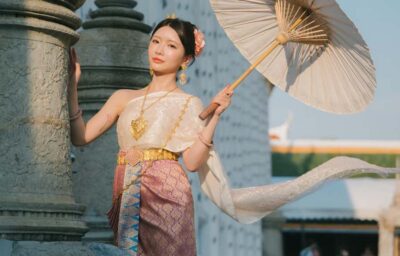
A shrine walk with a portrait coach. This Kamakura tour blends a guided stroll through Tsurugaoka Hachimangu with a photo session designed to make you look great against Japan’s classic shrine scenery, including the Great Torii and garden ponds. I love the 30+ professionally edited portraits you receive afterward in a stylish online gallery, because it turns a quick visit into a keepsake you’ll actually use.
One thing to know up front: this experience depends on good weather, and the total time is about 2 hours. If you want to linger all day in Kamakura, you may wish for a longer, slower day.
In This Review
- Key highlights you’ll care about
- Entering Tsurugaoka Hachimangu: Kamakura’s Shrine That Sets the Mood
- Your 2-hour Game Plan: Where You Start and What You Actually Do
- Stop 1: Tsurugaoka Hachimangu Portrait Session (Great Torii, Gardens, and Ponds)
- How the Pro Photographer Works (and Why Luis Patron’s Name Keeps Coming Up)
- Stop 2: Komachidori for Snacks and Souvenirs Without Overdoing It
- Price and Value: What $243 Per Group Really Buys
- What to Expect Day-of: Timing, Walking Pace, and Photo Energy
- Weather Matters More Than You Think for Portrait Results
- Who Should Book This (and Who Might Prefer a Self-Guided Day)
- Booking Tips: How to Get the Best Portraits in Less Time
- Should You Book This Kamakura Pro-Photography Tour?
- FAQ
- Where do we meet for the tour?
- How long is the experience?
- What’s included in the price?
- Do I need to buy admission tickets for Tsurugaoka Hachimangu or Komachidori?
- How will I receive my photos?
- What happens if the weather is bad?
Key highlights you’ll care about
- 30+ professionally edited portraits delivered in an online gallery you can share
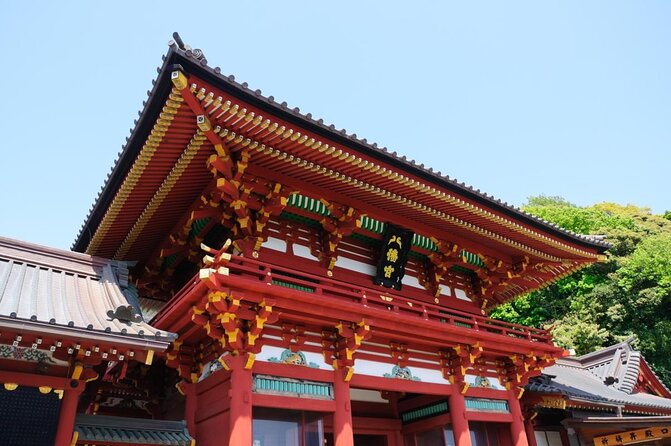
- Tsurugaoka Hachimangu photo hotspots chosen by a pro, including the Great Torii gate
- A private group (up to 8) so you’re not squeezed into someone else’s schedule
- Free admission at the shrine area and Kamakura Komachidori stop
- A short snack-and-souvenir pause on Komachidori, easy to mix with your own plans
- Good-weather dependent timing, with a plan if conditions are bad
Entering Tsurugaoka Hachimangu: Kamakura’s Shrine That Sets the Mood
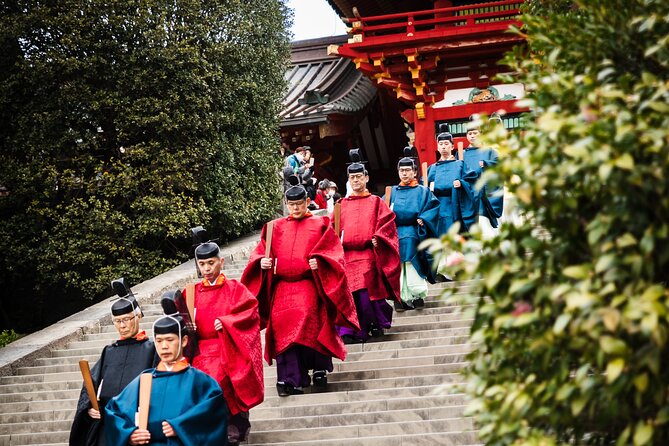
Tsurugaoka Hachimangu is one of those places where the setting does half the work for you. The shrine complex is built for drama—grand entryways, layered gardens, and open views that make photos look more cinematic than your average temple snapshot.
What makes it especially good for portraits is variety. You’re not just photographing one angle. You move through gardens, paths, and shrine scenery where the background changes naturally as you walk, so your pictures don’t all look like the same postcard.
And because this shrine is tied to the samurai era—historically linked with the shoguns—it feels like more than pretty scenery. You’ll get local stories that help you understand why people kept returning to this place, not just for views, but for meaning.
You can also read our reviews of more tours and experiences in Kamakura.
Your 2-hour Game Plan: Where You Start and What You Actually Do
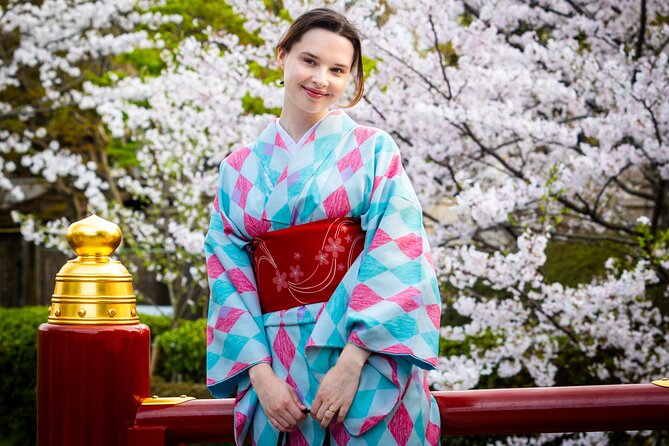
You’ll meet at Kamakura Station, East Exit, which keeps things simple before you head into the historic core. From there, you’ll walk about 15 minutes along an avenue lined with cherry trees, which can be gorgeous in the right season.
The tour is roughly 2 hours total, with the focus split between two stops. Stop 1 is the main event at Tsurugaoka Hachimangu for about 1 hour 30 minutes, and Stop 2 is Komachidori for about 15 minutes for snacks and shopping vibes.
This timing is one of the best parts if you like momentum. You get enough time to make a real photo session happen, but you’re not stuck all day in one location with your only goal being photos.
Stop 1: Tsurugaoka Hachimangu Portrait Session (Great Torii, Gardens, and Ponds)
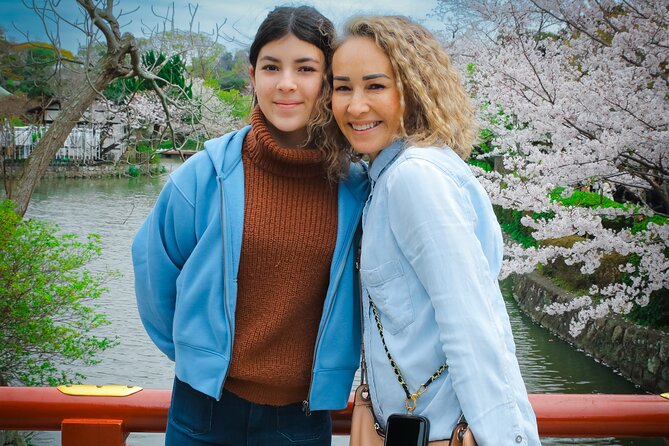
This is where your guide and photographer work like a team. You’ll stroll through the shrine grounds—past ponds and garden areas—while your photographer leads you to the most photogenic spots. It’s not random. You’re guided to positions that use the architecture and landscaping as the frame.
One of the most useful things here is that the photographer doesn’t just take photos. They help you figure out how to stand, turn, and pose so you look comfortable in front of a busy shrine scene. That matters, because a lot of people feel awkward the second a camera comes out. Here, you get direction that keeps it fun instead of stiff.
The setting gives you multiple “backgrounds” in a short time. You can incorporate classic shrine architecture, the dramatic Great Torii gate, and colorful seasonal plantings such as azalea bushes when they’re in season. If you’re there during cherry blossom peak, the approach along the cherry-lined avenue adds even more visual variety before you reach the main grounds.
There’s also a calm rhythm to the walk. Instead of rushing through for a checklist photo, you move through a sequence—walk, pause, shoot—so each location feels intentional.
How the Pro Photographer Works (and Why Luis Patron’s Name Keeps Coming Up)
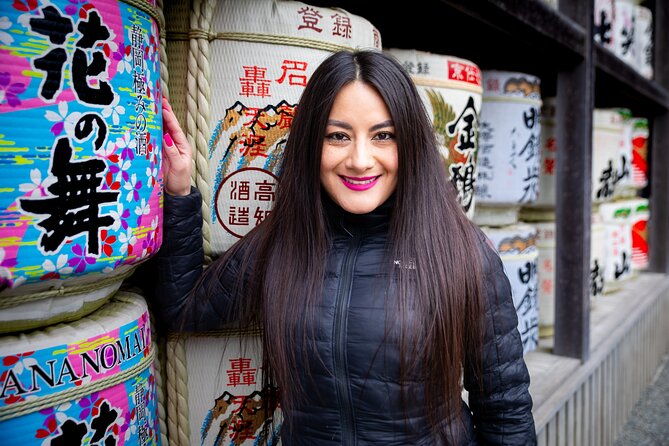
The strongest praise in this experience is about results, plain and simple. You’ll receive 30+ professionally edited portraits delivered through an online photo gallery. The final set is meant to feel like a polished souvenir, not just a folder of unedited images.
In the feedback you’ll see a recurring theme: the photographer, including Luis Patron, is described as kind and professional. That kindness is more important than it sounds. When you feel at ease, it shows in your posture and facial expressions, and that’s half the “good portrait” equation.
You’ll also have multiple opportunities to shoot different locations. That’s key for getting variety without needing hours of wandering afterward. You’re guided to where you’ll get the best light and the cleanest shrine backdrop, so you don’t waste time hunting angles on your own.
And yes, there’s an emphasis on getting the photos sorted and presented well. If you care about having a set that looks cohesive—same color tone, consistent editing style—this format is built for that.
Stop 2: Komachidori for Snacks and Souvenirs Without Overdoing It
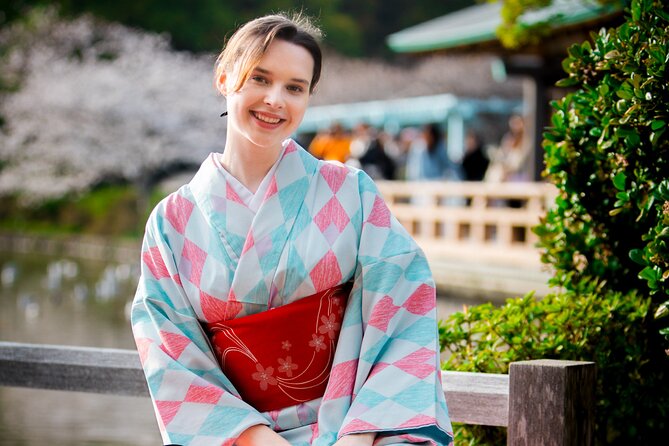
After the shrine portion, you’ll shift to Kamakura Komachidori, a lively street where you can grab treats and look for souvenirs. This stop is short, about 15 minutes, but it’s a smart way to balance the heavier “portrait and shrine” mood with something everyday.
Think of Komachidori as your pressure-release valve. You can refuel, wander a bit, and pick up small items that actually fit into a real travel day. Because this stop is free to enter, you’re not paying extra for the atmosphere—you’re paying for time and guidance on what to do when you arrive.
One practical consideration: because it’s a busy street, it’s not the place to expect quiet, empty-photo conditions. Your best chance for photos is still Stop 1. Here, you’re focusing on snacks and browsing.
Price and Value: What $243 Per Group Really Buys
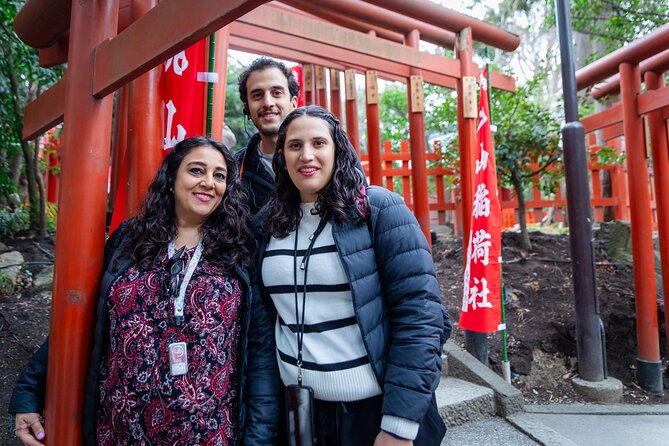
The price is $243.13 per group, with groups up to 8 people. That matters because the tour isn’t priced like an individual photo shoot. You’re pooling the cost of a local guide and a professional photographer, then splitting it within your group size.
You also get admission included at the key spots. The experience lists free admission for the shrine stop and Komachidori. That might sound like a small detail, but it reduces decision fatigue when you’re on foot and deciding what to pay for versus what’s already covered.
The part that makes it feel like value is the deliverable: 30+ edited portraits in an online gallery. If you’ve ever tried to get good travel portraits using your phone timer, you know how quickly that becomes frustrating. Here, you’re paying for coaching plus editing, not just someone standing near you with a camera.
What you’re not getting is transportation to Kamakura Station. That’s normal, but it affects the true cost from your hotel. If you’re already in Kanagawa or can reach the station easily by train, the value gets better.
What to Expect Day-of: Timing, Walking Pace, and Photo Energy
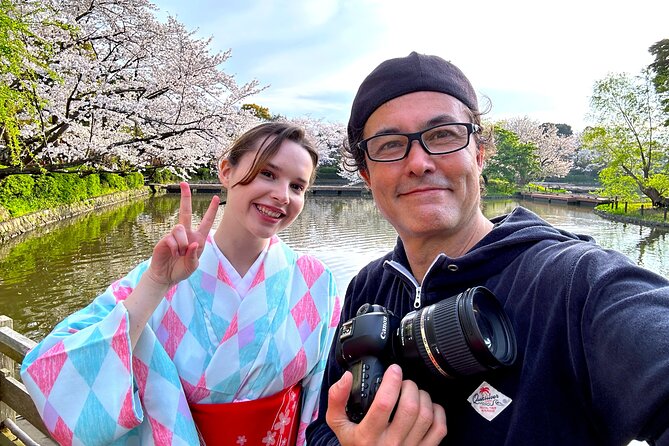
This is a walking tour with a clear rhythm. You’ll do a 15-minute walk to the shrine area, then spend around 1 hour 30 minutes actively shooting and exploring at Tsurugaoka Hachimangu, then a short 15-minute stop at Komachidori.
The pace is comfortable, but it’s not a sit-down tour. You’ll want shoes that handle uneven paths and lots of turning and stopping. Also, expect to be “on” during the portrait session—not in a dramatic way, but in the way that you’ll follow prompts for positions and expressions.
Because it’s a private tour/activity for just your group, you won’t have to fight for camera space with strangers. That makes it easier to relax. It also means you can move at a pace that fits your comfort level as you take direction from the photographer.
Weather Matters More Than You Think for Portrait Results
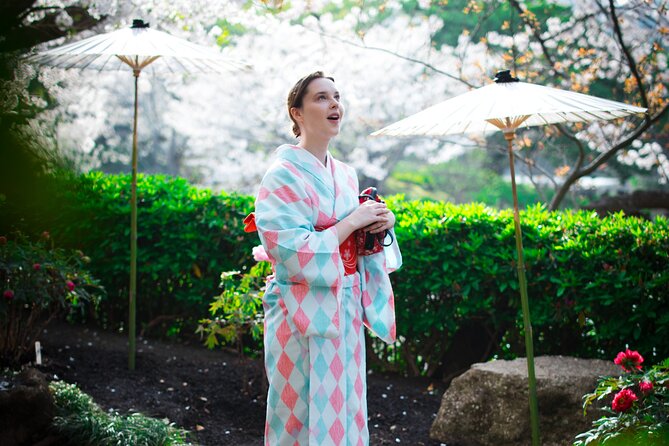
This experience requires good weather. That’s not just about comfort; it’s about light and visibility for photos. If rain or harsh conditions hit, you’ll be offered a different date or a full refund.
For you, that means planning isn’t optional. If your Kamakura day is already a gamble weather-wise, it’s still worth booking because you’re not locked in forever. But try to align this with a day that looks stable.
If you’re flexible, you can treat the portrait session like the centerpiece, and build your extra sightseeing around the weather.
Who Should Book This (and Who Might Prefer a Self-Guided Day)
This is a great fit if any of these sound like you:
- You want high-quality portraits in a real, meaningful location, not just a quick selfie stop
- You’re traveling as a couple, friends, or small group and want photos that look intentional
- You’d rather have a pro choose the best spots than spend your time hunting angles
- You care about the final edited results and sharing them online afterward
It might be less ideal if you want to slow-walk every shrine courtyard and spend a long day exploring multiple temples. This experience is designed to be efficient and photo-focused. You’ll leave with a strong souvenir set, but it isn’t trying to replace a full day of independent sightseeing.
Booking Tips: How to Get the Best Portraits in Less Time
If you want your photos to look natural (and not like you’re trying too hard), come prepared to follow simple prompts. The photographer-guide will lead you to spots, but you still play a big role with posture and comfort.
A couple practical moves help a lot:
- Wear something comfortable for walking and posing for a full hour or so
- Bring a small layer if the weather is cool, because your time outdoors can vary with the season
- Plan to spend your Komachidori time on quick browsing and food, not long detours
Also, if you’re visiting during cherry blossom or azalea season, arrive with realistic expectations. Seasonal color is beautiful, but crowds and lighting can change quickly. A pro photographer helps you work with what you get.
Should You Book This Kamakura Pro-Photography Tour?
I’d book it if you’re the type of traveler who wants photos that look like they belong in your travel story—sharp, well edited, and tied to a specific place. The combination of a guided walk, pro portrait direction, and a deliverable set of 30+ edited images is what makes the experience feel worth it, especially at the group price.
Skip it only if you’re not interested in portraits or you need hours of free, unstructured wandering. In that case, you’ll probably enjoy Kamakura more on your own with a longer temple plan.
FAQ
Where do we meet for the tour?
You meet at Kamakura Station, East Exit.
How long is the experience?
It’s approximately 2 hours total.
What’s included in the price?
The experience includes a local guide and a professional photographer.
Do I need to buy admission tickets for Tsurugaoka Hachimangu or Komachidori?
No. Admission is listed as free for both the shrine stop and the Komachidori stop.
How will I receive my photos?
You’ll get 30+ professionally edited portraits delivered in a stylish online photo gallery.
What happens if the weather is bad?
This experience requires good weather. If it’s canceled due to poor weather, you’ll be offered a different date or a full refund.