Flying dress photos at Giza feel unreal. What makes this outing interesting is how it pairs a licensed guide with a professional photographer, so you’re not just looking at the monuments, you’re getting guided, timed photo moments across the site. In the best-rated experiences, the guide team has included people like Abdu Hassan, and the photography has been led by Abdelrahman Hassan, with extra help from Mohammed when needed.
I especially like two parts: the one-hour photos at multiple “locked-in” viewpoints, and the final private rooftop flying dress session where you can slow down and get truly scenic shots with the Pyramids as a backdrop. If you care about Instagram-ready photos, the included video capture for a reel is a nice bonus.
One thing to think about first is the pace and the style: this is very photo-forward, and you’ll also do a camel ride at the panoramic stop. If you’d rather roam slowly on your own, or you prefer to skip animals, you may feel a bit rushed or uncomfortable.
In This Review
- Key highlights
- Getting to Giza with fewer headaches than you’d expect
- Khufu: Your first big frame at the Great Pyramid of Cheops
- Panoramic viewpoint: wide shots, camel ride, and clean compositions
- The Great Sphinx: close-up photos with pose and angle tips
- Pyramids rooftop flying dress: where the magic actually happens
- Price and value: why $150 can be fair here
- What the 4-hour structure really means for you
- Who this tour is best for (and who should rethink it)
- Small but important extras to plan for
- Should you book this Giza pyramids flying dress photoshoot tour?
Key highlights
- Licensed guide time at Khufu so you’re not just taking pictures, you’re learning what you’re seeing
- Panoramic Pyramids viewpoint + camel ride for wide, dramatic compositions
- Sphinx photo coaching to improve angles when you’re so close
- Private rooftop shoot that includes a flying dress rental in your chosen color
- Video capture for Instagram reel built into the package
- Air-conditioned private pickup/drop-off to keep the day easy to manage
Getting to Giza with fewer headaches than you’d expect
Cairo traffic can turn a “short day” into a long day. This tour helps by including pickup and drop-off with a private air-conditioned vehicle, so you’re not trying to coordinate rides while also managing tickets, timing, and heat.
The experience is also set up for a smaller, more personal feel. It’s described as a private activity, so you and your group handle the time together rather than getting shuffled around with a huge crowd. You also get mobile ticket support, which usually means less fumbling at the entrance.
Price-wise, it’s $150 per person, and the value isn’t only the sightseeing. You’re paying for a bundle: guide, entry fees, photo team, flying dress rental, and the rooftop setup. That matters in Egypt, where extra “add-ons” can quickly stack up once you’re already there.
You can also read our reviews of more tours and experiences in Cairo.
Khufu: Your first big frame at the Great Pyramid of Cheops
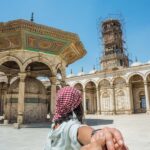
The day starts at the Great Pyramid of Khufu. This stop is built for that classic “I’m really here” moment, but with more structure than a casual walk-by.
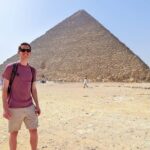
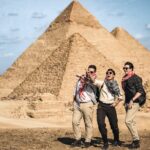
You’ll spend about an hour at Khufu as a guide shares the key significance of the pyramid. Then the photographer takes over for professional shots with the pyramid behind you. This is where the tour’s logic shows: the best photos usually require your pose to match the angle, not the other way around. The photo team is there to help you get the framing right, instead of you guessing while the light changes.
What I like about this approach is that it keeps the experience from becoming only visual. The guide’s historical context gives you something to focus on besides your camera—so your photos feel tied to meaning, not just scenery.
A practical note: the area around the pyramids can be busy. Having a plan (photo first, then positioning, then learning moments) helps you avoid wasting time trying to find a workable spot.
Panoramic viewpoint: wide shots, camel ride, and clean compositions
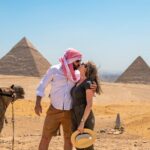
Next comes a panoramic viewpoint where all the Giza Pyramids can be seen. This is one of the strongest points for people who want dramatic, “wide angle” images rather than just close-ups.
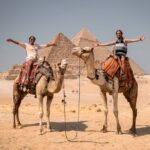
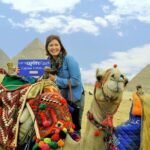
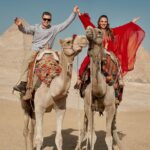
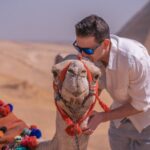
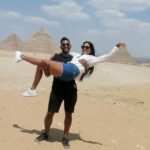
You’ll get another hour here for professional photos, with the pyramids spread out behind you. The camera team can use the distance to create compositions that feel cinematic—especially when the sky and sun angle cooperate. You also get a camel ride at this stop, which adds motion and a different perspective that you just can’t replicate from standing still.
Here’s the consideration: camels aren’t for everyone, and comfort varies person to person. If you’re nervous around animals or you’re sensitive to how long you sit and pose, tell the photo team early. A good team will adjust how they stage you around the moment.
The Great Sphinx: close-up photos with pose and angle tips
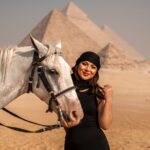
Then you move to the Great Sphinx. This is the kind of landmark where being close changes everything. Up close, you can see details you miss from afar, and you also notice how the Sphinx sits in its setting.
This stop is another hour, focused on two things:
- learning the Sphinx’s history and mysteries from your guide
- getting professional photos while staying near the monument
What makes this more valuable than a standard “see it, walk on” visit is the photo coaching angle. The tour description includes expert tips on poses and angles. That’s not a small detail. At the Sphinx, your best shots are often about getting your body position and the camera perspective right so the monument looks powerful, not distorted.
I also like that this stop keeps the learning component alive. You’re not just collecting photos—you’re gaining context at each stage, which makes your final gallery feel more connected.
Pyramids rooftop flying dress: where the magic actually happens
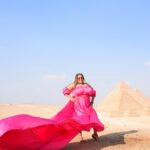
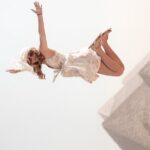
The final segment is the standout: a one-hour photoshoot on a private rooftop with a breathtaking view of the Pyramids. This is where the “flying dress” concept turns from a gimmick into an image set.
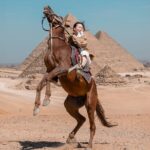
You receive a flying dress rental included in your booking, and you can choose from various colors. The rooftop setup matters because you get more control over your background and less obstruction in your shots. Instead of fighting for angles among crowds below, you’re shooting from an elevated position with the pyramids filling the frame.
This is also where the tour’s professionalism shows up in the smaller details. In strong feedback, the photographer team (including Abdelrahman Hassan) has used smart timing strategies—like taking a short break at a nearby café while waiting for nature and light conditions to line up. That might sound minor, but waiting for good light is exactly what separates average photos from photos that look like they belong in a travel magazine.
You also get video capture for an Instagram reel. For many people, that’s the difference between having a set of still photos and having content you actually want to share right away.
One more practical note: flying dresses are meant for movement and effect, which means you may do a bit more posing than you expect. If you’re comfortable with light direction from a photographer, you’ll do great. If you hate being guided, you might find it a lot—though a good team should keep it smooth and organized.
Price and value: why $150 can be fair here
At $150 per person, this tour sits in the mid-range for Cairo photo experiences. The real question is what you’re buying, and you’re buying more than a guide walking you through monuments.
Included elements that add up:
- Entry fees
- Licensed tour guide
- Professional photographer
- Rental of one flying dress in your chosen color
- Private rooftop rental for the flying dress shoot
- Captured videos for an Instagram reel
- Pickup and drop-off by private air-conditioned vehicle
- Mobile ticket support
When you break it down, the photographer and rooftop rental are doing heavy lifting. In places like Giza, you can find cheaper basic tours, but you usually end up paying extra for photo help, dress rentals, or rooftop access separately. Here, those parts are bundled, which is why people who care about photos tend to feel the value quickly.
Also, the experience is typically booked about 20 days in advance on average. That’s a sign that demand is real—especially for the rooftop flying dress slot and photography time. If you have a narrow window in Cairo, booking earlier can help you avoid last-minute changes.
What the 4-hour structure really means for you
It’s about four hours total. That’s not a full-day “see everything” plan. Instead, it’s a focused route designed to hit the biggest visual moments efficiently: Khufu, panoramic views, Sphinx, then the rooftop dress shoot.
For you, this structure can be a plus if you:
- want a compact day with maximum photo results
- like having a guide manage pacing
- prefer not to negotiate entry fees or hunt down viewpoints
The potential drawback is also clear: you’re not expected to wander slowly for hours. The schedule is built around photo sessions, which means downtime may be limited. If you want long rests, extra shopping stops, or extended independent exploration, plan for it before or after this tour.
Who this tour is best for (and who should rethink it)
This works especially well for people whose priority is:
- Great photos at iconic monuments
- A guided learning layer (history and significance, not just views)
- A fun, themed photo experience with a flying dress
- Video content for social media without extra booking
It also feels like a solid choice for groups because it’s described as private to your group. And the feedback specifically highlights that the photography team can handle mixed roles and make sure everyone gets good shots—even when someone in the group worried they wouldn’t fit into the posing style.
Still, it may not be the best fit if:
- you dislike camel rides
- you don’t want direction or staged posing
- you’re hoping for a long, free-form exploration day rather than a photo-driven itinerary
Small but important extras to plan for
A few items are not included: tipping. In Egypt, tipping is common, and leaving a tip is part of being fair to the guide and photo team who put in real work.
Also, airport pickup from outside the selected zone can cost extra (listed as $20–30). If your arrival plan is unusual, check that pickup area first so you’re not surprised later.
Finally, you’ll want comfortable clothing and shoes for walking and posing. The whole experience is designed around standing, moving slightly for angles, and letting a photographer direct you. Plan for that physical rhythm.
Should you book this Giza pyramids flying dress photoshoot tour?
If your top goal is a high-impact photo day at Giza—complete with a licensed guide, professional photography, and a rooftop flying dress session—this is one of the more straightforward ways to get it done without juggling extra vendors. The rooftop element, the dress rental included, and the video reel capture are the big reasons to choose it.
I’d book if you want:
- an organized route with clear photo stops
- high-quality direction for poses and angles
- a fun themed experience that still includes real context from the guide
I’d hesitate if you want a slow, flexible monument day, or if a camel ride is a hard no for your comfort level.
If you do book, give the team a quick note about what you want most: close-up pyramid shots, wide panoramas, or more of the flying dress moment. The best results usually come when your preferences match how the photo team stages the timing and angles.