REVIEW · GARDINER
Full Day Guided Wildlife Photography Tour In Yellowstone
Book on Viator →Operated by Wildscape Adventure · Bookable on Viator
Yellowstone wildlife is easiest before the sun. This full-day guided wildlife photography tour from Gardiner puts you in the action with hands-on photo coaching from guide Christopher and a day built around Lamar Valley. I love the on-the-spot help with real camera settings, and I love the thoughtful follow-up so you don’t just leave with random images. The main drawback is simple: wildlife and light depend on the day, and you start early enough to make your alarm feel personal.
Pickup is straightforward, and the tour keeps things efficient with private transportation and access to prime viewing areas. When the conditions line up, you can get memorable moments like a close encounter with a bison on the road and a long, focused coyote follow (the one people call Limpy). If you want photos that actually match your skill level, this trip is built for that.
In This Review
- Key things that make this tour work
- Entering Lamar Valley early: the light and the odds
- Pickup in Gardiner: simple starts, less wasted time
- How Christopher turns you from shooter to photographer
- The Lamar Valley session: wildlife, birds, and real photo challenges
- What to consider when you’re planning your expectations
- After the trip: one-on-one editing help on Discord
- Price and value: when $652.50 makes sense
- Weather and timing: the practical reality of a photo day
- Who this tour is best for
- Should you book? My take on the decision
- FAQ
- What time does the Yellowstone tour start, and how long is it?
- Where do I meet the guide?
- Is pickup available from the airport?
- What’s included in the tour price?
- What’s not included?
- Is this a private tour?
- Is it in English, and can service animals come along?
- Bottom line
Key things that make this tour work
- Lamar Valley timing: early morning and late-day light are when wildlife photography gets easier.
- Real camera coaching: shutter speed, aperture, framing, plus quick course corrections as you shoot.
- Christopher’s planning: he checks what you already saw and shot so you’re not repeating yourself.
- Prime wildlife viewing access: you’re not wandering; you’re guided to good positions.
- Editing help after the tour: one-on-one Discord post-processing to turn your best frames into keepers.
Entering Lamar Valley early: the light and the odds
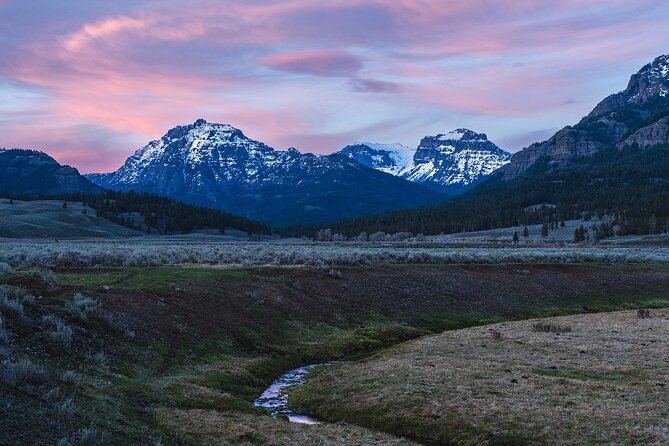
Lamar Valley is one of Yellowstone’s top wildlife zones, often called America’s Serengeti. What makes it special for photographers is the mix of open meadows, winding rivers, and rugged mountain views. That variety helps you build photos that feel like Yellowstone, not just a distant animal on a screen.
The schedule is built around the photo-friendly times of day. You get early morning light, when animals are often more active and the angles look clean. Late afternoon light also helps you keep detail in fur and feathers instead of flattening everything into gray.
You’ll also see how the park changes the mood of your images across seasons. Spring and summer bring lush greenery, fall shifts into warm golden tones, and winter can mean stark, snow-heavy scenes with a totally different feel. Even if you’re not a “season photographer,” those shifts change your backgrounds, and that matters when wildlife is moving.
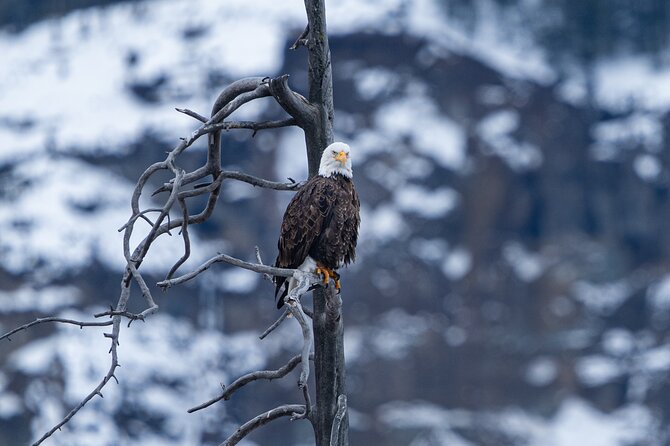
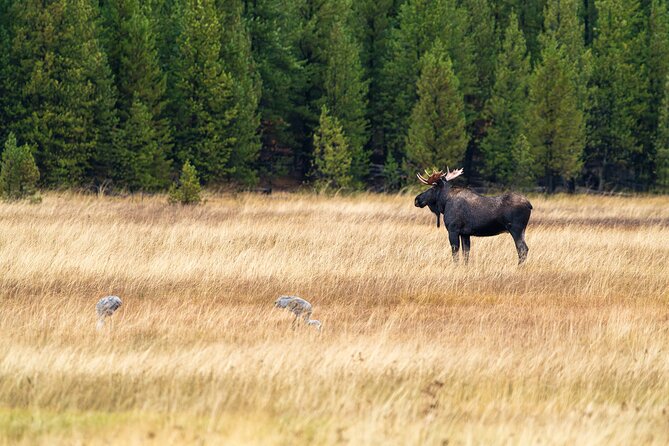
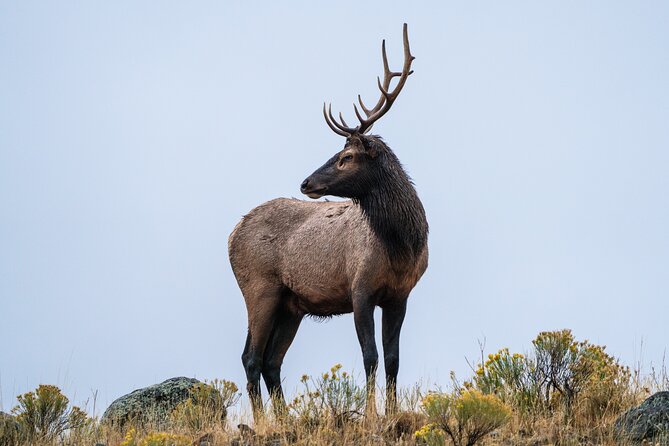
Wildlife-wise, the tour focuses on the big names: bison, wolves, elk, and bears. Bird opportunities are part of the day too, with a good chance to spot species like bald eagles, osprey, and sandhill cranes. The important reality check: you’re going for chances and conditions, not guaranteed sightings.
Pickup in Gardiner: simple starts, less wasted time
This is a full-day photo outing that starts at 6:00 am. You’ll meet right outside the front lobby of your lodging at the designated pick-up time, so you’re not playing phone tag with a driver at dawn. That matters because Yellowstone days are won or lost on timing, not on how late you leave.
You’ll travel with private transportation, which keeps the pace focused. It’s also a private tour, meaning it’s only your group, not a crowded bus shuffle. That tends to help with hands-on coaching, since the guide can adjust the plan to your pace and camera needs.
If you’re flying in, pickup from Bozeman-Yellowstone International Airport isn’t automatic. You’ll need to reach out for additional arrangements. That’s normal for tours like this, but it’s worth planning early so you can still make the 6:00 am start.
The tour runs in English, and you’ll get a mobile ticket. Confirmation comes at booking, so you’re not guessing when you’ll be picked up. Service animals are allowed, and most people can participate, which makes it a good option if you’re not trying to tackle a big hike.
How Christopher turns you from shooter to photographer
The standout quality here is how quickly you get actionable feedback. Christopher doesn’t just point you toward a view and hope for the best. He checks what you’ve already seen and captured so the day adds new results, not repeats.
For hobbyists, this is a big deal. If you’re still learning your way around settings, on-the-spot photo recommendations help you stop guessing. Expect specific guidance like shutter speed choices for motion, aperture decisions for depth and subject separation, and framing suggestions so the animal sits naturally in the scene.
Christopher also shares long-term practice ideas. In plain terms, he talks about sustaining the hobby: how to think about storage and editing so you don’t drown in files. That’s the part many tours ignore, but it’s exactly what turns a fun day into a skill you keep using back home.
There’s also weather and resource app assistance. You’re not just hoping the sky behaves. You’re using tools during the day to adjust your shot list and timing based on conditions.
The Lamar Valley session: wildlife, birds, and real photo challenges
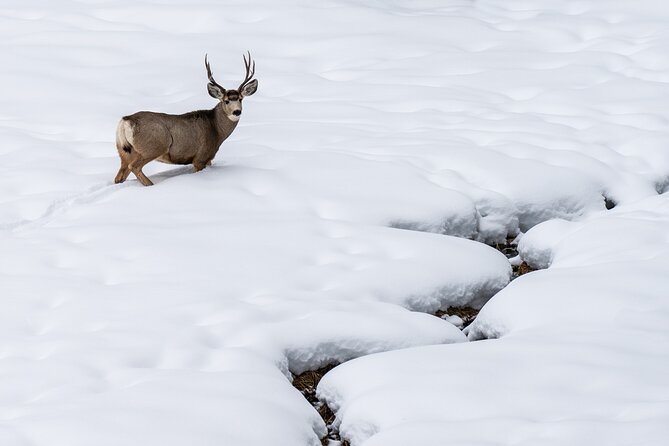
The day’s main focus is Lamar Valley. You’ll be working in a wide-open area where your compositions can include both animal and setting. That’s one reason you’re able to capture “big Yellowstone” images, not just wildlife portraits.
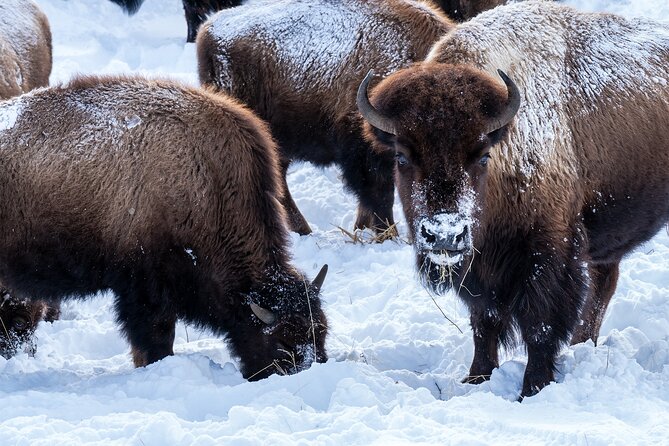
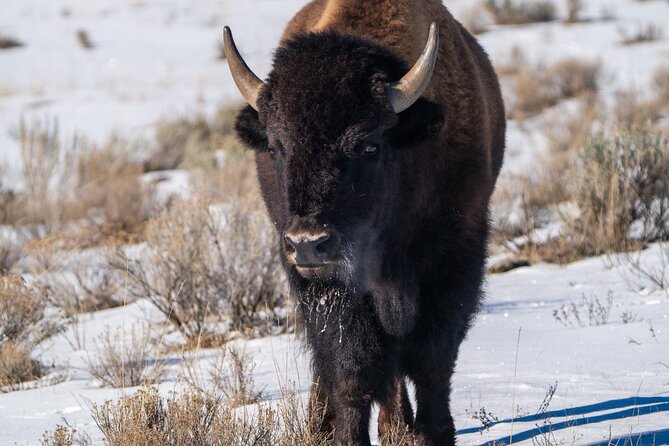
You can expect opportunities to photograph bison, and those can be both thrilling and tricky. In one memorable moment, the day delivers a close encounter with a bison on the road. When an animal is that close, you’ll need fast decisions: hold steady, use settings that keep fur detail sharp, and frame so the animal has room to move without cutting off important parts.
Predators are where patience pays off. Wolves and bears are part of the wildlife target, and even when they’re not showing up instantly, the guide’s job is to put you in the right place at the right time. The goal is not luck-chasing; it’s positioning and timing.
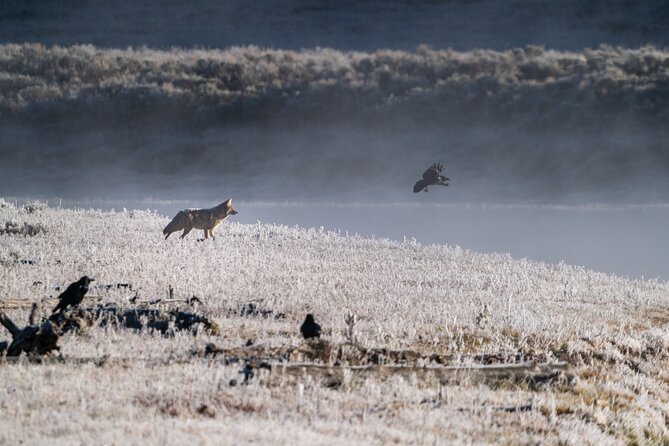
Coyotes often act like they’re testing your attention span. One of the best stories from the day is a long follow of a coyote people call Limpy. Watching how the guide keeps you focused while the animal moves is a masterclass in staying on track: you’re thinking ahead, adjusting framing as the subject changes distance and angle.
Birds add another layer. Bald eagles, osprey, and sandhill cranes bring different movement patterns than mammals. Eagles can demand quick reactions when they lift or change direction. Osprey behavior often turns on water and hunting rhythm. Sandhill cranes are more deliberate, which can be great when you’re learning timing for sharpness.
What to consider when you’re planning your expectations
Even with prime guidance, Yellowstone wildlife doesn’t run on a schedule. You can do everything right and still get a quieter day. That’s not a flaw in the tour; it’s how the park works.
The other challenge is that early mornings can feel cold and heavy, especially when you’re watching for small behavior changes in the distance. This tour helps you work smarter, but you still need to be ready to stay alert and move with the plan.
After the trip: one-on-one editing help on Discord
A lot of photo tours stop at the parking lot. This one keeps going. You get a one-on-one post-processing experience via Discord, which is a practical way to help you improve the images you actually shot.
This is where the coaching can become more personal. If your settings were close but not quite there, post-processing feedback can show you what to adjust next time. If your frames are sharp but your look feels flat, this kind of session helps you learn how to make the image feel intentional.
It also supports the long-term habit piece Christopher talked about: storage and editing. The best wildlife photos are rarely just about taking the shot. They’re about having a workflow that lets you find your best frames quickly and edit them without turning it into homework that drains the joy out of photography.
If you’re traveling and juggling time zones and memory cards, Discord sessions can be a realistic way to keep your learning plan going after you return.
Price and value: when $652.50 makes sense
At $652.50 per person for an 8 to 10-hour day, this tour is not cheap. The question is whether you’re buying expertise, time savings, and results. In this case, you’re paying for a full package: private transportation, a detailed daily schedule, access to prime wildlife viewing spots, weather/resource app assistance, hands-on photo guidance, and the post-processing session after the tour.
Also, the park fee is separate. The Yellowstone National Park entrance fee is listed as $20.00 per booking, and it’s not included in the base price. Meals and lodging are not included either, so you’ll want to budget those separately.
Where the math often works best is if you’re a hobbyist who wants real technical direction. If you already know your camera inside out, you might still learn composition and wildlife approach, but the biggest value is for people who want on-the-spot settings help and clear next steps. That’s exactly the kind of learning you get here.
Group discounts are offered, which can make a meaningful difference if you’re traveling with friends who want the same photo focus. And since it’s a private tour for your group, you’re not paying for seat space—you’re paying for guide attention and time.
Weather and timing: the practical reality of a photo day
This experience requires good weather. If it’s canceled due to poor weather, you’ll be offered a different date or a full refund. That’s important because photography in Yellowstone is a lot about conditions, not just camera gear.
Plan for the day to be active and early. With a start time at 6:00 am, your routine needs to be set the night before. Bring layers you can add or remove fast, and keep your batteries and memory cards ready. Even if you’re only on Lamar Valley for one main session, you’ll likely be shooting constantly.
A weather-aware guide helps, and the tour includes weather and resource app assistance. Still, it’s smart to treat the forecast as a tool, not a promise. The best photos often happen when you stop fighting the conditions and work with them.
For your gear, this kind of day rewards preparation. If you can, pack like you expect action: enough power for a long session, a way to protect your camera from light moisture, and a setup you can adjust quickly when the animal suddenly moves.
Who this tour is best for
This is a strong fit if you:
- Want guided wildlife photography help with specific camera settings
- Like the idea of a focused day in Lamar Valley instead of scattered stops
- Are a hobbyist who wants both field guidance and editing coaching
- Appreciate the structure of a full itinerary and a guide who plans for prime viewing
It’s also a good fit if you’re traveling with someone who enjoys wildlife but might need help making photos feel easier. Since it’s private for your group, you can match the pace to the group’s comfort level.
If you’re the type who wants zero coaching and just wants to roam, this might feel too structured. The tour is designed to actively teach and adjust as you shoot.
Should you book? My take on the decision
Book it if you want a Yellowstone wildlife day that turns into real skill progress. The combination of Christopher’s on-the-spot guidance and the one-on-one Discord editing is where the value lives. You’re not just paying for access; you’re buying a way to come home with a stronger approach and better results.
Skip it or consider other options if your expectations are purely about certainty. Wildlife is never guaranteed, and the early start means you need to be ready to commit to the day no matter what the sky does.
If you want help photographing wolves, bison, elk, bears, and birds in a place built for wildlife viewing, this is the kind of guided experience that can genuinely level up your photos.
FAQ
What time does the Yellowstone tour start, and how long is it?
It starts at 6:00 am and runs about 8 to 10 hours.
Where do I meet the guide?
You’ll meet right outside the front lobby of your lodging at the designated pick-up time.
Is pickup available from the airport?
Pickup from Bozeman-Yellowstone International Airport isn’t automatic. You need to reach out for additional arrangements.
What’s included in the tour price?
Included are private transportation, a full itinerary and daily schedule, hands-on wildlife photography guidance, access to prime wildlife viewing locations, weather and resource app assistance, and a one-on-one post-processing experience via Discord.
What’s not included?
Not included are the National Park entrance fee ($20.00 per booking), meals, and lodging.
Is this a private tour?
Yes. It’s private, so only your group will participate.
Is it in English, and can service animals come along?
The tour is offered in English, and service animals are allowed.
Bottom line
If you want Yellowstone wildlife photos with real coaching plus follow-up editing help, this is a strong book. The early Lamar Valley focus and the attention to your camera settings make it worth it for hobbyist photographers who want their results to improve, not just their memories.