REVIEW · GYEONGJU
From Busan: Gyeongju Small Group Photo Tour & Hotel Pick-up
Book on GetYourGuide →Operated by Triends · Bookable on GetYourGuide
A long day with great photos is a real win. This Busan-to-Gyeongju small-group trip is built around a professional photographer and carefully picked cultural stops, so you’re not just looking at famous sites. I like the mix of iconic landmarks and slower walking time, and I like how the guide adds context while you’re stopping often enough to get your bearings. One thing to plan for: it’s an 11-hour schedule, so you’ll want comfortable shoes and a snack mindset since meals aren’t included.
You start in Busan, ride out to North Gyeongsang Province, then spend the day moving through temple grounds, gardens, royal tombs, traditional streets, and finally Donggung Palace and Wolji Pond at sunset. The pace works best if you’re happy to spend time on photos and guided moments, not if you want a free-and-float kind of day.
In This Review
- Key highlights to know before you go
- From Busan to Gyeongju: how the day moves (and why it matters)
- Bulguksa Temple (70 minutes): where your photos start strong
- Gyeongbuk Millennium Forest Gardens (30 minutes): quick reset and easy shots
- Daereungwon Tomb Complex (60 minutes): royal-scale atmosphere
- Hwangnidan-gil (110 minutes): lunch plus breathing room
- Gyeongju Gyochon Traditional Village (70 minutes): daily-life details over monuments
- Donggung Palace & Wolji Pond (40 minutes, guided, sunset focus): the light-lovers’ moment
- Photo package: what you actually get (and why it’s better than hunting for a photographer)
- The small-group setup with an English/Korean guide
- Price and value: is $130 per person a fair deal?
- Who this tour suits best (and who might feel the limits)
- Should you book the Busan to Gyeongju small group photo tour?
- FAQ
- Where does the tour pick up from?
- How long is the tour?
- What is the group size?
- What languages are available for the guide?
- Is wheelchair access available?
- Are photos included, and what format do I receive?
- Are meals included in the price?
- What attractions does the tour visit in Gyeongju?
- Does the tour include round-trip transportation?
- Can I cancel for a full refund?
Key highlights to know before you go
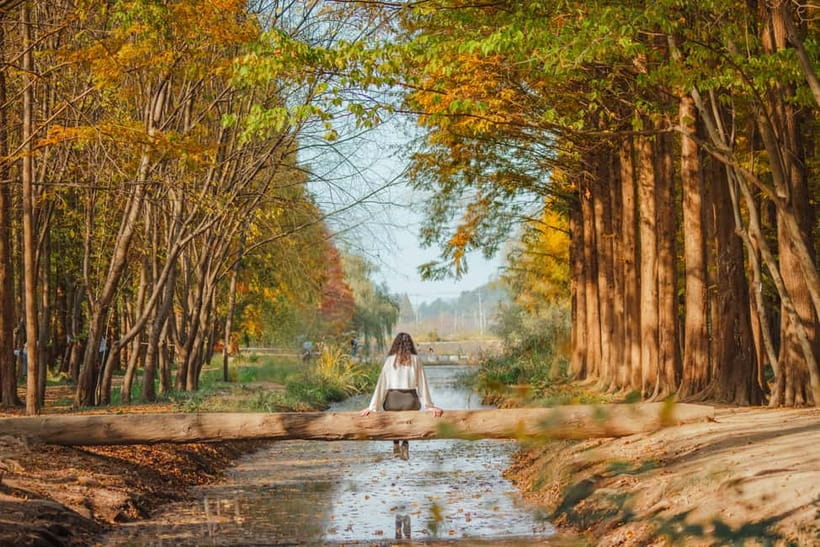
- A pro photographer on hand so you’re not left guessing angles and timing during your stops
- Small group (max 6) for calmer photos, easier questions, and a friendly vibe
- Photo deliverables included: all original JPGs plus 5 retouched photos per person
- Big cultural hits in one day: Bulguksa Temple, Daereungwon, traditional village, and Wolji Pond
- English/Korean guide to help connect what you’re seeing with why it matters
From Busan to Gyeongju: how the day moves (and why it matters)
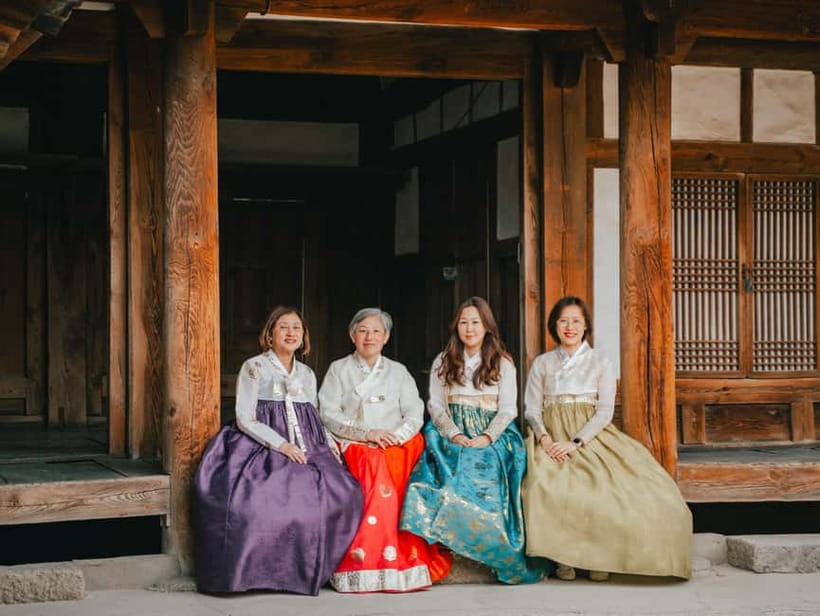
Pickup is in Busan, and you’ll take a van ride that’s listed at about 80 minutes before the main sightseeing starts. From there, your day is structured as a sequence of short photo stops and longer timed walks, not one long museum-style block.
This is useful for first-timers because Gyeongju can feel like a lot all at once. With multiple stops spread across the day, you get repeated chances to reset, ask questions, and adjust your pace. You’ll also get a clearer photo flow, since you’re not trying to capture everything at one time of day.
The schedule is about staying organized. You’re out for 11 hours, and the tour includes round-trip transfers back to Busan. That means you get transportation handled, but you also trade flexibility for a set route.
If you hate rushing, look at the timing closely: some stops are only 30–40 minutes. You’ll still get what you came for if you’re happy moving at a steady sightseeing pace.
Bulguksa Temple (70 minutes): where your photos start strong
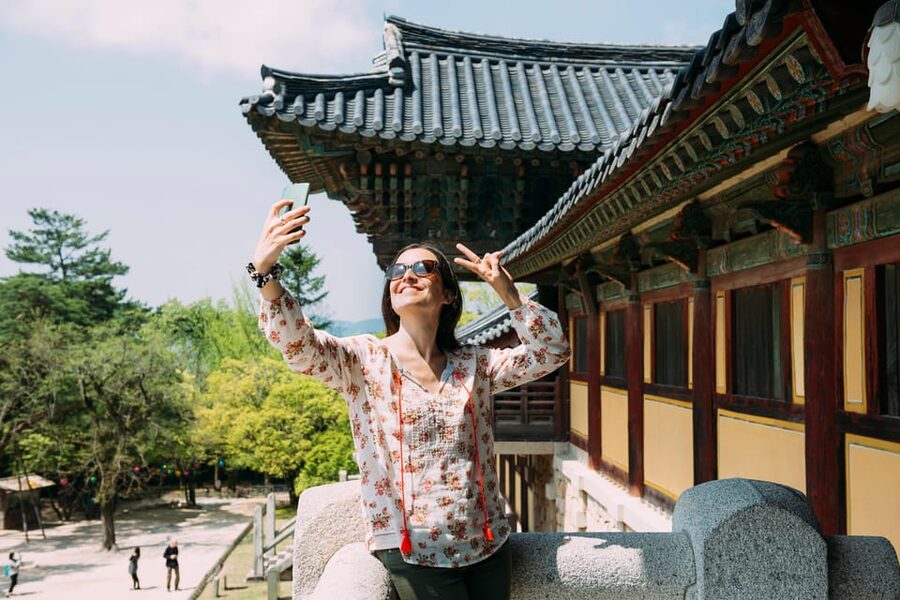
Your first major stop is Bulguksa Temple with a photo stop, visit, and sightseeing time plus walking (listed at 70 minutes). Bulguksa is the kind of place where even a short stay can feel meaningful, because temple architecture rewards you for slowing down just a bit.
Why this stop matters for your trip: it gives you a cultural anchor early. If you’re photographing, early is smart because you have time to set your style. You can ask the photographer for guidance on how to frame stonework, courtyards, or temple details rather than trying to solve it later when the light turns.
Possible downside: 70 minutes sounds long, but it includes photo time and walking. If you’re the type who wants to linger in one spot, you’ll need to pick your favorite angles and accept that not every corner will get equal attention.
Gyeongbuk Millennium Forest Gardens (30 minutes): quick reset and easy shots
Next up is Gyeongbuk Millennium Forest Gardens, with a shorter photo stop plus sightseeing and a light walk (about 30 minutes). This is the breathing space between heavier cultural sites.
Why it works: it breaks the day into sections, and it helps you switch from stone-and-structure thinking to softer, more garden-focused compositions. Even if your photos are the goal, a short stop like this can keep you from burning out before the more time-heavy places.
Practical tip: treat this as a warm-up. Move slowly, scan for repeating patterns, and aim for frames that include paths or garden edges. Since your time is limited, it’s worth making 2–3 strong photo attempts instead of chasing everything.
Daereungwon Tomb Complex (60 minutes): royal-scale atmosphere
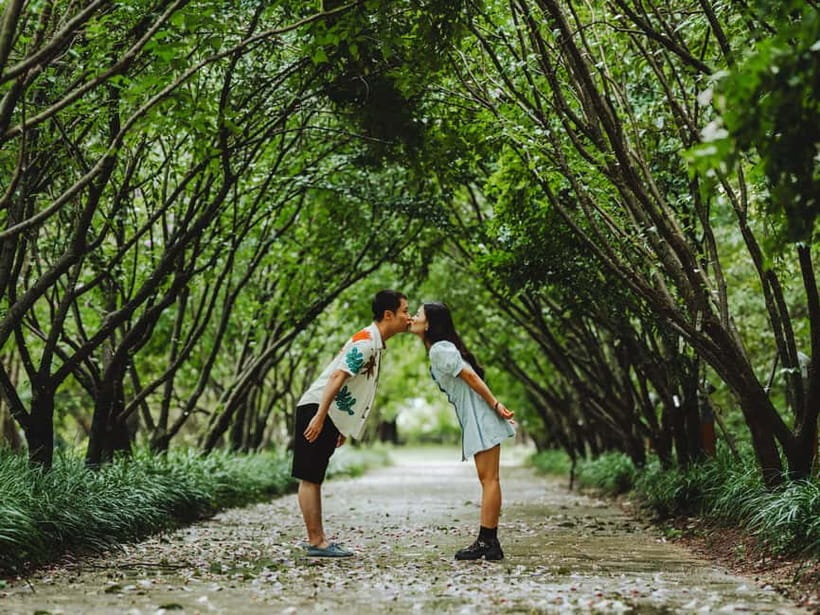
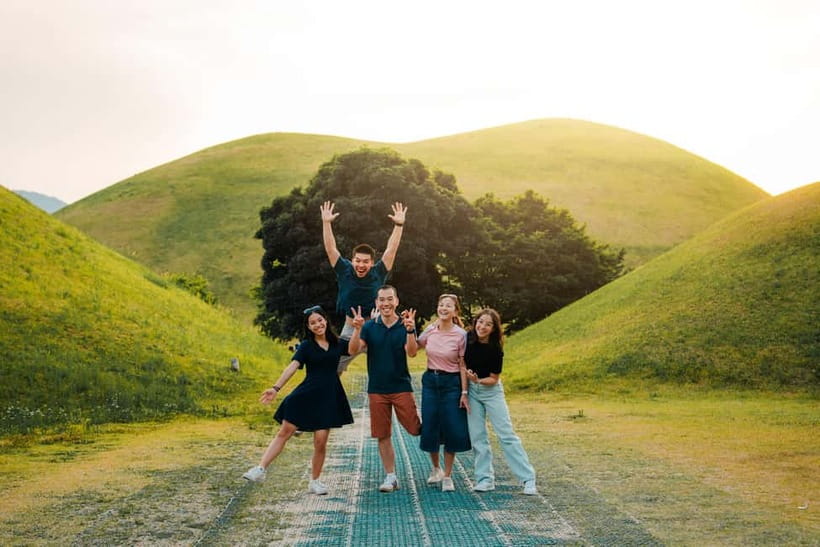
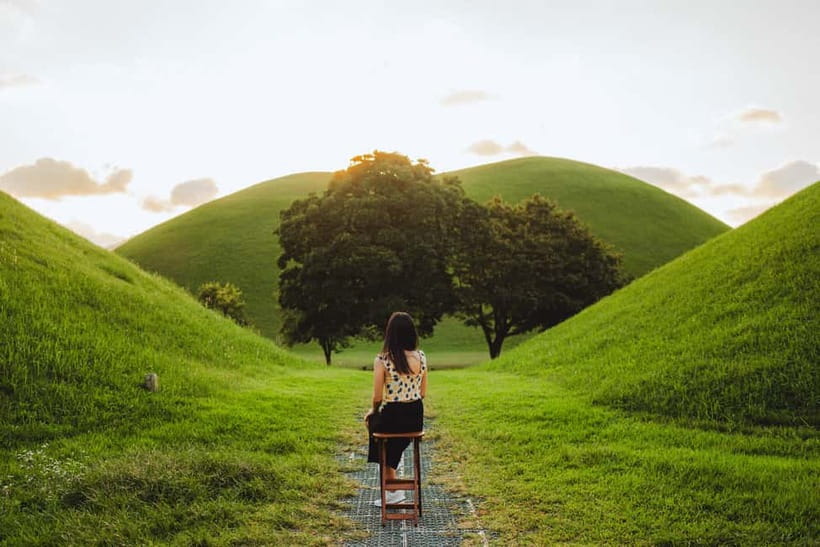
The Daereungwon Tomb Complex is your next big stop, with photo stop, visit, sightseeing, and walking listed at 1 hour. Tomb complexes have a different rhythm than temples: you’re typically walking through a designed space meant to communicate scale and significance.
For your photos, this is a great spot to step back. Larger structures often look better when you shoot from a distance, capturing symmetry and the layout rather than one close detail.
The main consideration here is comfort and footing. One hour of walking can add up when you’ve already been traveling. Wear shoes you can trust, and plan to pace yourself so you still have energy for lunch and the later village stop.
Hwangnidan-gil (110 minutes): lunch plus breathing room
Then you head to Hwangnidan-gil for a photo stop, lunch, free time, and sightseeing (listed at 110 minutes). This is the longest block on your route after the early temple segment, and it’s important for two reasons.
First, it gives your body a real break. After temples and tomb grounds, you’re likely ready to sit, refuel, and walk around at your own pace during free time.
Second, it gives your photos a different feel. Streets and everyday scenes usually help your gallery look varied, especially if earlier stops are mostly architecture and formal grounds.
One note: meals and beverages are not included. So budget for lunch separately, and bring a plan for what you’ll do if something isn’t to your taste. Having a little time flexibility here helps.
Gyeongju Gyochon Traditional Village (70 minutes): daily-life details over monuments
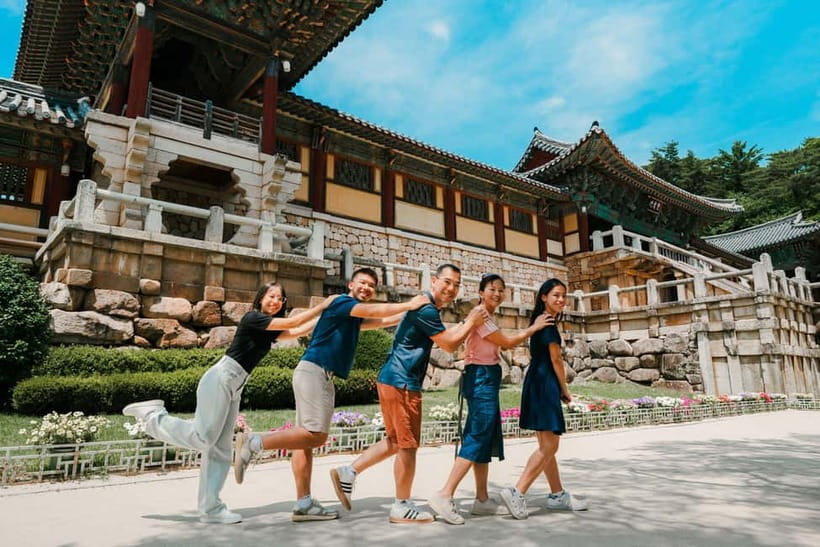
Next is Gyeongju Gyochon Traditional Village with photo stop, visit, sightseeing, and walking (about 70 minutes). This stop is where the day shifts from major landmarks to a more human scale feel.
For your photos, traditional village areas often shine because of textures: roofs, walls, gates, and pathways create natural frames. It’s also a good place to focus on “story photos,” meaning shots that show you’re moving through a lived-in environment, not just standing in front of a structure.
If you like history for the small stuff, this is likely your favorite segment. But if you expected only palace-level sights, it might feel more intimate than you planned.
Donggung Palace & Wolji Pond (40 minutes, guided, sunset focus): the light-lovers’ moment
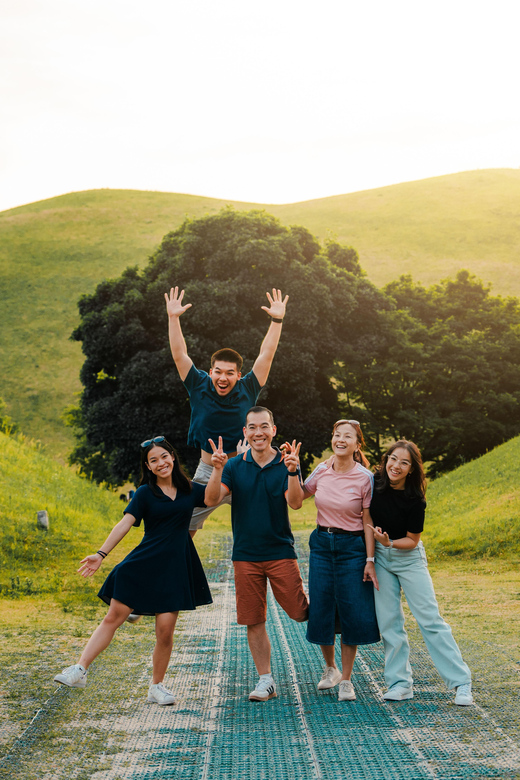
Your final named stop is Donggung Palace & Wolji Pond, with a guided tour and sightseeing plus walking, and it’s specifically timed for sunset (listed at 40 minutes). This is a classic way to end a photo day: water and sky can change quickly, and sunset timing often rewards being ready to shoot.
Why the order works: earlier stops build your cultural context, and the final segment gives you a softer, more atmospheric finale. Even if you’re not a “sunset person,” the pond setting typically gives your photos a more cinematic look than stone-only sites.
Practical reality: 40 minutes is not a long linger. You’ll want to arrive ready—where you stand matters. If you’re serious about getting shots, use the first few minutes to scout angles rather than starting the photo session immediately.
Photo package: what you actually get (and why it’s better than hunting for a photographer)
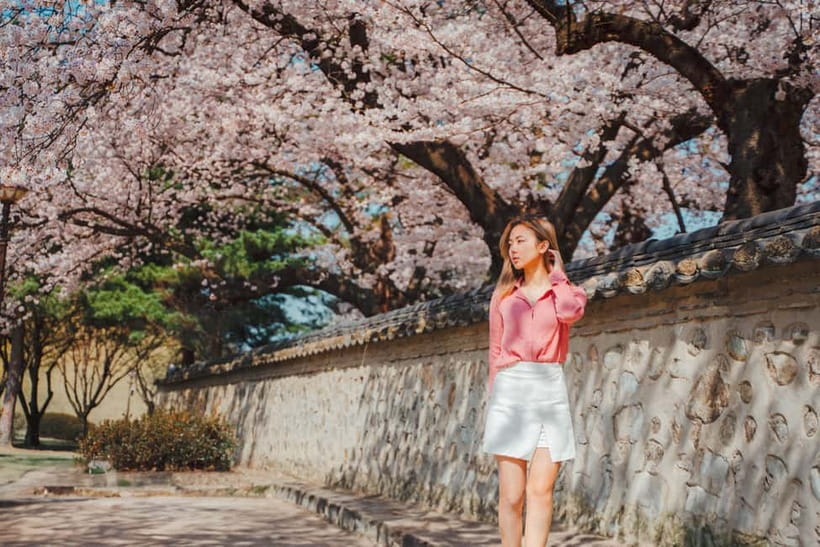
This tour isn’t just about seeing places. It’s about capturing them, and the included photo deal is one of the biggest value drivers.
Included:
- All the original photos as JPG only
- 5 retouched photos per person
- Photographer support during your stops
- You’ll work with an English/Korean-speaking guide as you visit
Why this matters for you: many single-day tours in Korea are great on sites, but photo quality depends on luck. Here, you get a photographer’s help built into the day. That reduces the “my photos are blurry and everyone else looked better” problem.
Also, the retouched set means you can end up with a small batch you’re happy to post or print, without needing to edit everything yourself. You still get the full raw set in JPG, so you’re not boxed into only the polished images.
Small note on expectations: since the originals are JPG only, plan on using them accordingly for sharing and storage.
The small-group setup with an English/Korean guide
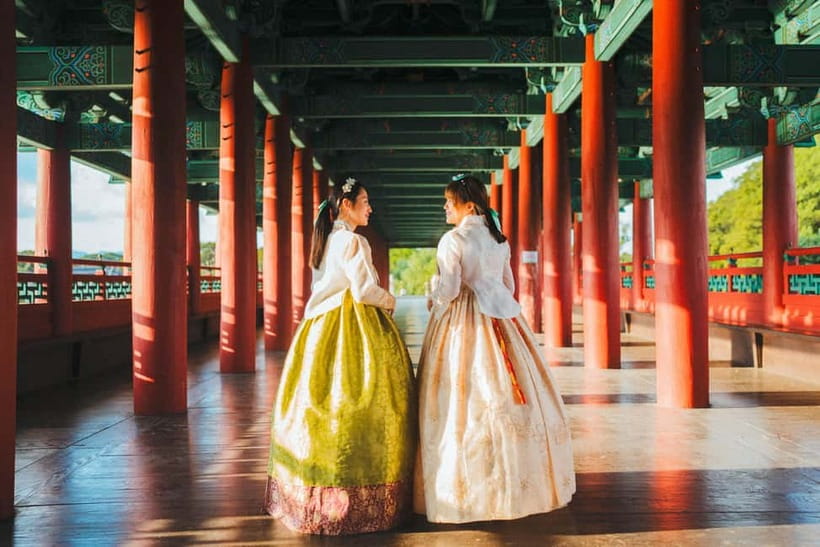
Group size is limited to 6 participants, which changes the feel. You don’t get the loud, crowded tour vibe. You’re more likely to have space to ask questions and to adjust your pace without feeling like you’re always behind.
The guide is English/Korean-speaking, which is handy if your Korean is basic but you still want meaning behind what you’re seeing. Gyeongju is described here as a place where cultural artifacts survived through Korea’s turbulent history, and the guide is meant to expand your understanding beyond just walking from one landmark to the next.
In practical terms, you’ll get more from the day if you treat the guidance like a “map for your eyes.” When the guide explains what to look for, your photos and your memory usually get better.
Price and value: is $130 per person a fair deal?
At $130 per person for a full 11-hour outing, the value comes from bundling a few things that usually cost extra on your own:
- Round-trip transfers from your Busan meet-up location
- A guide in English/Korean
- A professional photographer working with the group during stops
- Photo deliverables: all originals (JPG) plus 5 retouched photos per person
Meals and beverages are not included, so you’ll still spend a bit on lunch. That’s the main extra cost to plan for.
If you compare this kind of tour to doing Gyeongju solo, the math often depends on two things: how much you value the photo help, and how much hassle you want to avoid with transit and timing. If you’d rather spend your energy on photographing and learning than planning rides and figuring out the best order, this price can feel fair.
If you’re already an excellent self-photographer and you travel light on logistics, you might feel it’s pricier. But the included photo service is the differentiator.
Who this tour suits best (and who might feel the limits)
This is a smart fit if:
- You want a photo-focused day without arranging your own photographer
- You like a small group and an easy-going structure
- You’re traveling in English or Korean and want explanations on site
- You’re okay with an organized route and timed stops
It may not be ideal if:
- You want a slow, no-timetable day
- You dislike paying extra for lunch since meals aren’t included
- You want lots of free roaming away from the group (the day is route-based)
One positive for movement planning: it’s listed as wheelchair accessible, which is a big point if mobility needs are part of your planning.
Should you book the Busan to Gyeongju small group photo tour?
Book it if you want a day that handles the heavy lifting: transportation, a guide, multiple major Gyeongju sites, and a photographer delivering both originals and retouched images. The small group size and the 5 retouched photos per person make it especially appealing if you care about walking away with usable, high-quality photos, not just memories.
Skip it or compare alternatives if you mostly want unstructured time, or if you’d rather pay for lunch on your own and spend extra time exploring one site deeply instead of covering many in a single day.
Given the 5/5 rating and the short, strong positive feedback on overall experience quality, this is the kind of tour that tends to hit its target: efficient sightseeing with photos you’ll actually keep.
FAQ
Where does the tour pick up from?
Pickup is in Busan.
How long is the tour?
The duration is 11 hours.
What is the group size?
It’s a small group limited to 6 participants.
What languages are available for the guide?
The guide speaks English and Korean.
Is wheelchair access available?
Yes, the tour is listed as wheelchair accessible.
Are photos included, and what format do I receive?
Yes. You receive all the original photos as JPG only, plus 5 retouched photos per person.
Are meals included in the price?
No. Meals and beverages are not included.
What attractions does the tour visit in Gyeongju?
You’ll stop at Bulguksa Temple, Gyeongbuk Millennium Forest Gardens, Daereungwon Tomb Complex, Hwangnidan-gil, Gyeongju Gyochon Traditional Village, and Donggung Palace & Wolji Pond.
Does the tour include round-trip transportation?
Yes, it includes round-trip transfers to and from the meet-up location.
Can I cancel for a full refund?
Yes. Free cancellation is available up to 24 hours in advance for a full refund.