REVIEW · KERRY
Dingle: Slea Head Sunset & Magic Hours Photo Tour
Book on GetYourGuide →Operated by Dingle Darkroom · Bookable on GetYourGuide
Golden hour on the Dingle Peninsula is magic. This Slea Head Sunset & Magic Hours Photo Tour turns that light into practical photography time, with a local guide who knows exactly where to stop for coastal drama. You’ll follow the famous Slea Head Drive, then stretch the evening at the waterline as the color shifts over the Atlantic.
I really like two things here. First, I love the hands-on photo tuition—whether you shoot a DSLR/mirrorless or you’re working with your phone, you get clear tips you can use right away. Second, I love the way the route balances famous viewpoints with less-obvious spots like storm beaches and rocky coves.
One thing to consider: the whole experience is built around sunset timing and weather light, so if clouds roll in, the look changes fast. Still, that’s also why this tour works—your guide helps you adjust on the fly instead of just hoping for perfect skies.
In This Review
- Key things you’ll notice on this Slea Head Drive tour
- Why Slea Head at magic hour is worth the timing
- Meet George, the small group, and the easy pace
- The route: Dingle pickup, Peninsula drive, and Slea Head stops
- Coumeenoole Strand: where the sea-level photos get real
- From farm tracks to storm beaches: how the tour finds quieter angles
- Clogher Strand and the Clogher Head views: classic coast drama
- Gallarus Oratory and Kilmalkedar Church: stone details in the west
- Hidden coastline stops and the final sunset push
- How the photography tuition actually helps (cameras and iPhones)
- Getting your value from $119 per person
- What to bring and how to get the most from the stops
- Who this tour is perfect for
- Should you book Dingle: Slea Head Sunset & Magic Hours?
- FAQ
- How long is the Dingle Slea Head Sunset & Magic Hours Photo Tour?
- Is pickup included, and where do we meet?
- How big is the group?
- Will I get photography tips if I’m using a phone?
- Is there strenuous walking or climbing?
- Are there any extra costs?
- What’s the cancellation policy?
Key things you’ll notice on this Slea Head Drive tour
- Small group (max 6) means more time at stops and less waiting around.
- Local photographer George gives ongoing, practical coaching for cameras and phones.
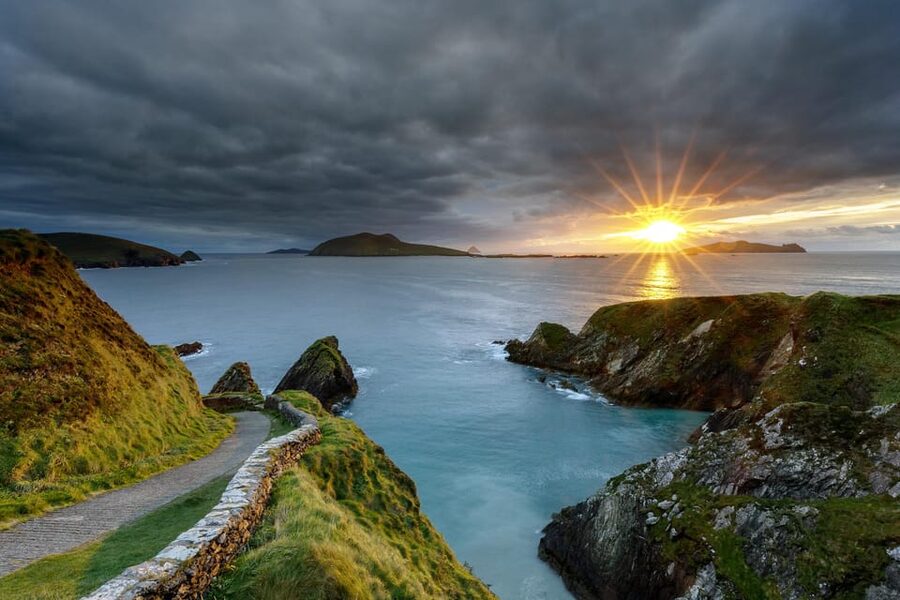
- Stops at Coumeenoole Strand and Clogher area viewpoints keep you near the water for changing evening light.
- Off-the-main-road driving on single-lane roads and farm tracks gets you to quieter coast angles.
- Culture-and-camera mix includes Gallarus Oratory (8th century) and Kilmalkedar Church’s stone cross and standing stones.
- He’ll take photos of you using your camera or phone, so you don’t miss the moment chasing your own shots.
Why Slea Head at magic hour is worth the timing
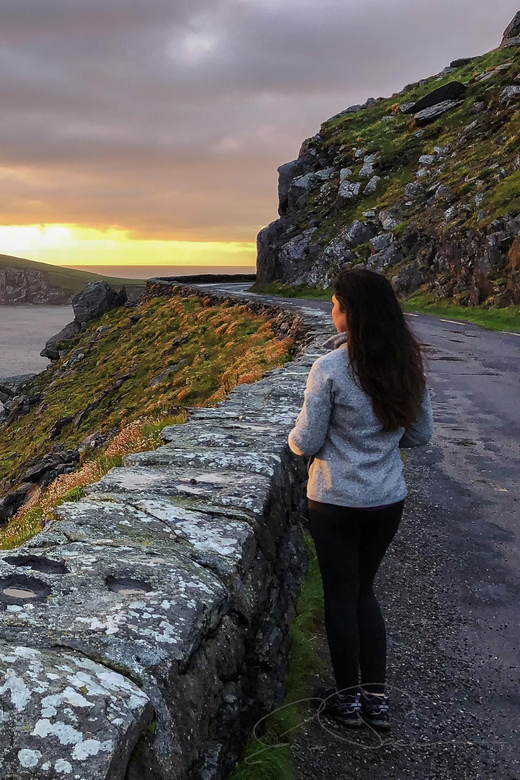
Slea Head Drive is one of those places where the views don’t just look good in a photo—they look good as you move through them. In the last couple hours of the day, light softens, contrast drops, and the Atlantic starts to look deeper instead of flat.
This tour is scheduled to use that shift. You leave Dingle a few hours before sunset, then work through viewpoints as the day turns toward golden hour and blue hour. That matters because a lot of “photo tours” are mostly sightseeing. Here, the goal is to help you see like a photographer while the sky is doing its thing.
Meet George, the small group, and the easy pace
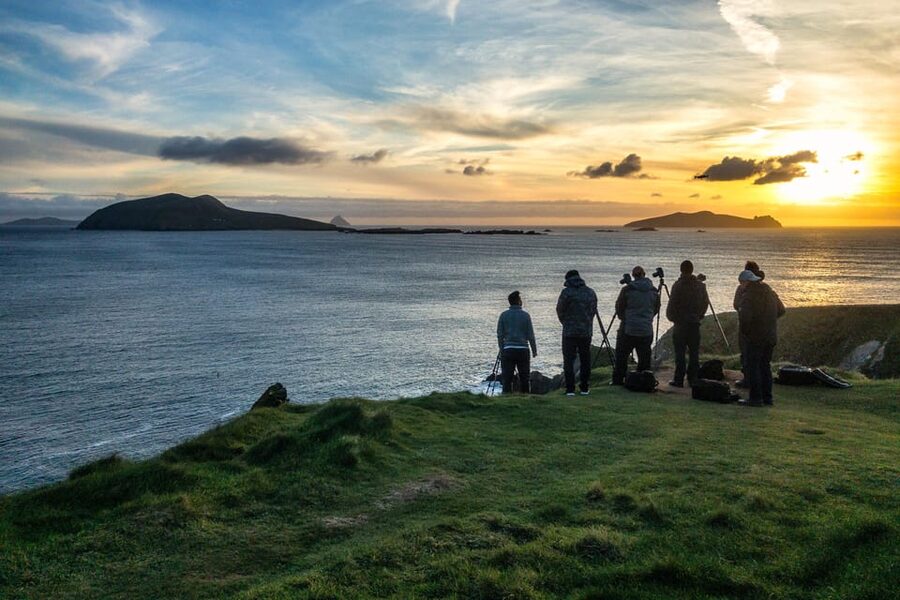
This runs as a small-group experience, limited to 6 participants, which instantly improves the vibe. At stops, it’s easier to spread out, set up, and adjust without feeling like you’re in a traffic jam of bodies and cameras.
You’ll be picked up either at your accommodation in the Dingle area or meet at the Fungie – The Dingle Dolphin Statue. The van is the moveable base for the evening, and the setup is comfortable enough that you can focus on shooting instead of logistics. From the experience I’m describing here, George is punctual and direct—he’ll help you with camera controls if you’re new, and he’ll coach you on iPhone basics if that’s your gear.
Also, you’re not asked to do strenuous walking or climbing. Locations are reached via paths from the minibus, so you can concentrate on composition and timing rather than endurance.
The route: Dingle pickup, Peninsula drive, and Slea Head stops
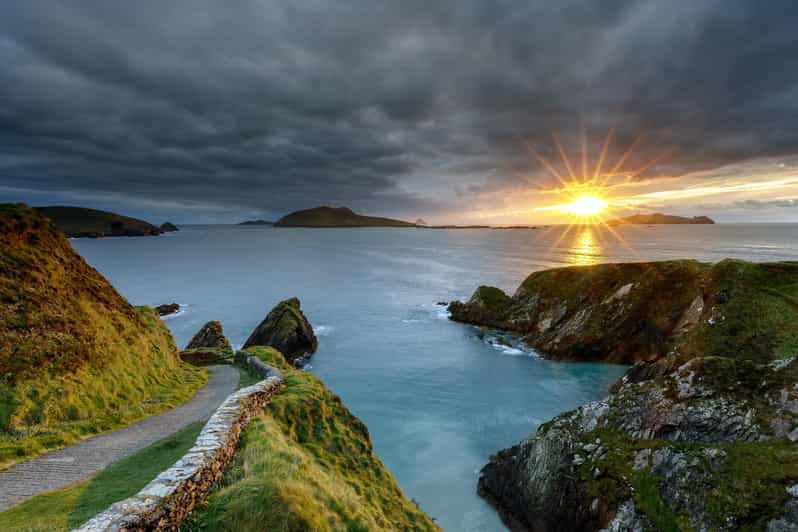
The trip begins with pickup in Dingle, then a drive that rounds out the Dingle Peninsula scenic approach. This early leg is short, and it’s useful: it gets you positioned along the coast before the light changes too much.
As you continue toward Slea Head, the guide builds momentum with quick scenic stops where you can start practicing before the big sunset moments. Expect a mix of:
- look-outs where you can frame the coastline from above
- short photo sessions as the sky warms
- quick orientation so you know what to shoot first (and what to ignore)
One of the smartest things about this style of tour is pacing. The stops aren’t just “pull over, take a picture, move on.” You’ll have time to try angles, and George will keep coaching so you’re not stuck with the same safe shot every time.
Coumeenoole Strand: where the sea-level photos get real
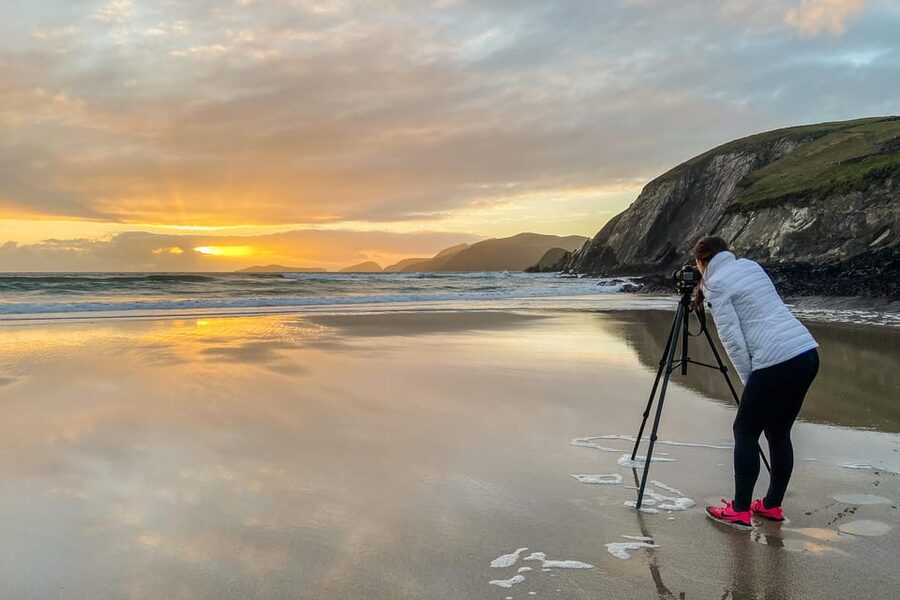
Coumeenoole Strand is where the tour leans into something many visitors skip: photographing at the water’s edge. Instead of only shooting from viewpoints, you get a chance to work near sand and sea contact as the evening light slides across the scene.
What I like about this stop is that it naturally pushes you into better habits:
- shooting at the subject level, not just “from the top”
- watching how reflections and texture change with angle
- using the fading light to create depth (even when the scene looks simple)
If you’re on a phone, this is also a great place for George’s practical coaching. You’ll get tips that help you avoid washed-out skies and blurry foregrounds. And yes, he’ll take photos of you and your group too, so you can be part of the story instead of just documenting it.
From farm tracks to storm beaches: how the tour finds quieter angles
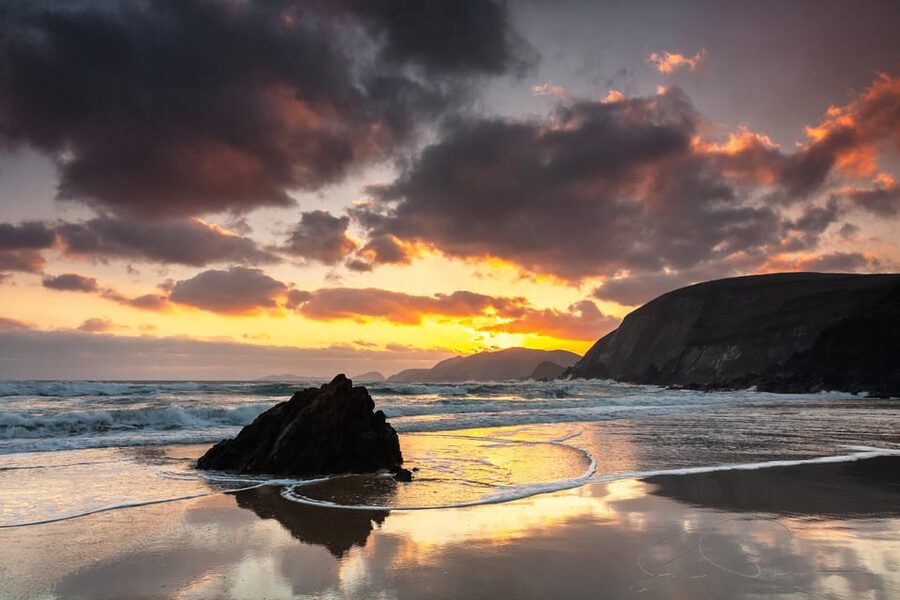
A major part of this experience is going beyond the loudest pull-offs. When the road allows it, the minibus leaves the main routes to follow single-lane roads and farm tracks. That’s how you reach more secluded storm beaches and rocky coves—places that can feel like you found them by accident.
This isn’t about being “mysterious.” It’s about value. When you shoot crowded viewpoints, your photos often end up with the same compositions as everyone else. By driving to calmer corners, you get more variety: different lines into the water, different layers of cliffs, and fewer interruptions.
You also get chances to practice scouting. George will point you toward angles he’s found through years of photographing this coastline. It’s a big difference from tours where the guide seems like they’re reading a list of stops instead of steering you toward the best light.
Clogher Strand and the Clogher Head views: classic coast drama
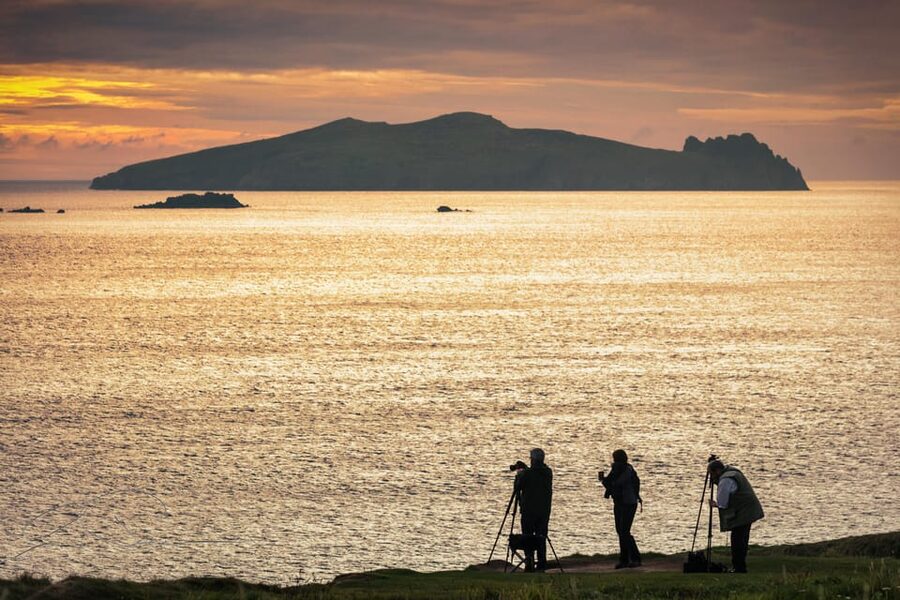
As the evening progresses, you’ll hit additional photo stops around the Clogher area, including Clogher Strand and viewpoints linked to Clogher Head. These are the kind of places that look impressive even in daylight, but they sharpen up under evening conditions.
At these stops, focus on what changes most:
- how the ocean surface darkens
- how cliffs create stronger silhouettes
- how the sky gradient helps your horizon line look cleaner
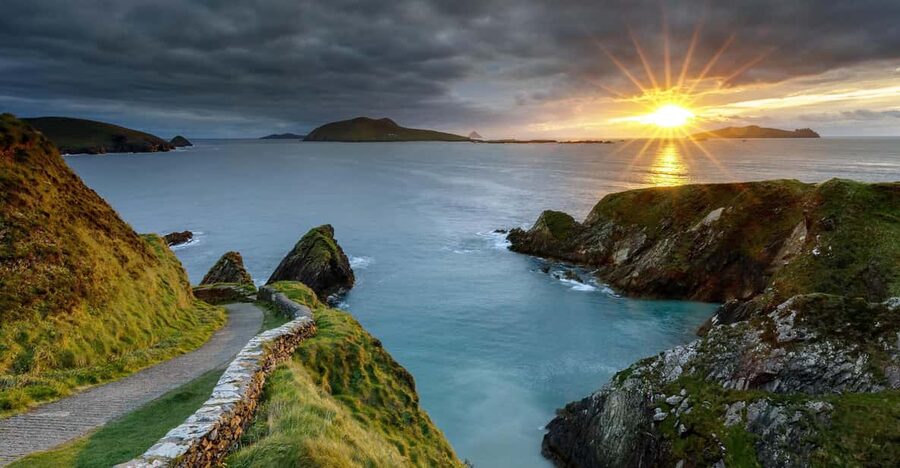
You’ll also have a chance to enjoy the famous meandering pathway down to Dunquin Pier from the bigger perspective the drive gives you. Even if you don’t do a long walk, viewing these coastal routes from above helps you understand the geography of the peninsula and why the “Dingle look” works so well in photos.
Gallarus Oratory and Kilmalkedar Church: stone details in the west
Not every stop here is only about the sea. Toward the western edge of the Dingle Peninsula, the tour includes two standout heritage sites: the 8th-century Gallarus Oratory and Kilmalkedar Church.
Why I think these stops matter on a photo tour:
- they add architectural shape to your coastal series
- they teach you to notice texture—stone, carved details, and standing stones
- they give your camera a break from constant horizon shooting
At Kilmalkedar, you’ll see standing stones and a carved stone cross. Even if you’re not a “church person,” it’s worth it. These are visual anchors that help your photo set feel more complete than “just waves and cliffs.”
Hidden coastline stops and the final sunset push
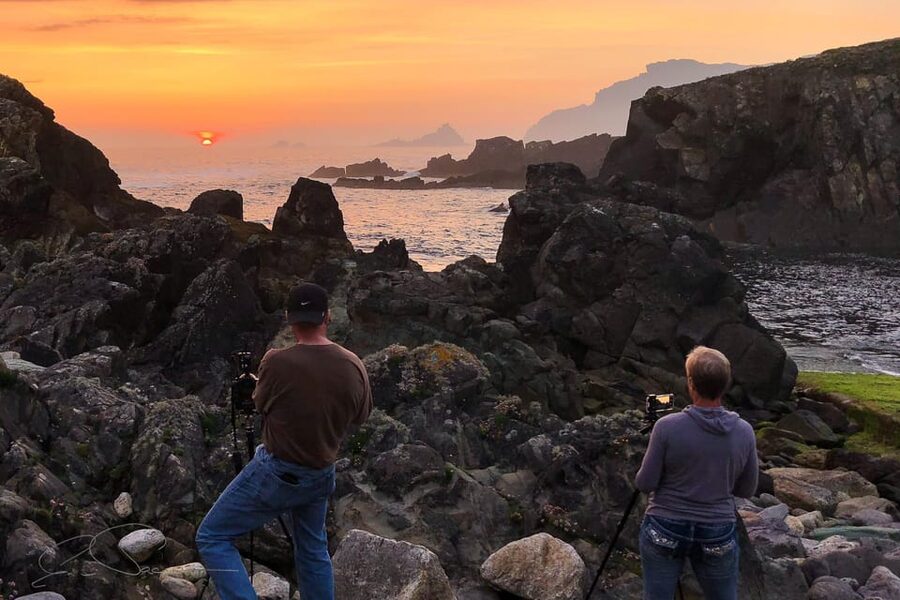
The itinerary includes several shorter “work the scene” stops—some more secluded than others. These are where George’s experience really shows, because you’re not only collecting iconic frames. You’re also collecting options: rock angles, beach lines, and cliff perspectives that you won’t find if you only follow the most obvious road stops.
Near the end, the final major stop is focused on sunset viewing and scenic photography back out around the peninsula. This is the moment the tour earns its name: you’ve practiced earlier, you’ve listened to coaching, and now you can apply it while the light peaks.
Then it’s back to Dingle to wrap up the evening.
How the photography tuition actually helps (cameras and iPhones)
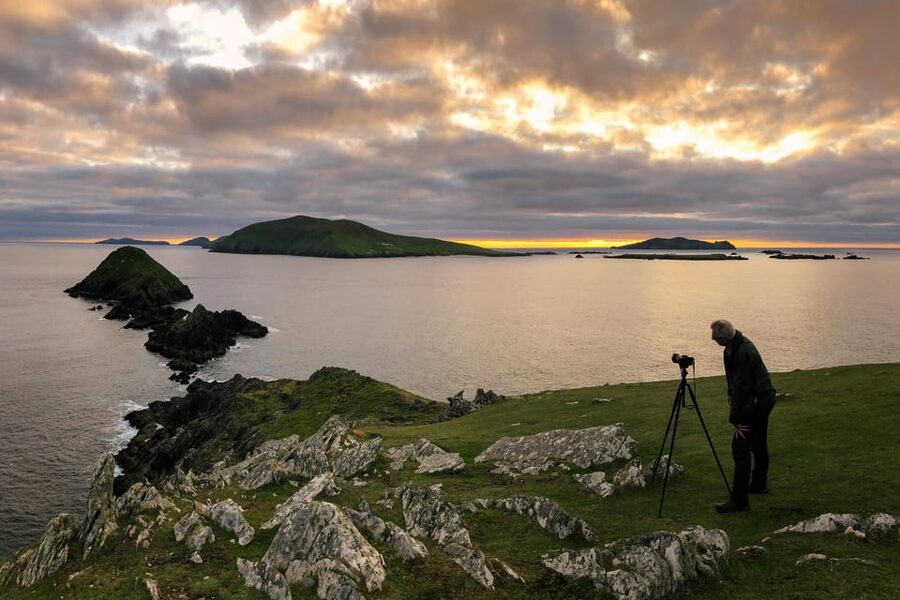
This tour isn’t “watch the guide, take notes.” The coaching is ongoing while you move from stop to stop.
If you’re new to photography, George will help you with controls and basic techniques. If you’re working with your phone, he’ll teach you phone-friendly ways to get sharper results and better framing. In practice, this means you’re learning how to:
- compose with the coastline as your leading line
- manage exposure so the sky doesn’t blow out
- frame portraits against dramatic backgrounds
- adjust quickly when the light changes
One smart touch: George is also happy to shoot you and your group. That’s huge. It reduces the usual tourist problem where everyone’s stuck behind the lens. Instead, you get actual photos of people with the scenery doing the heavy lifting.
Getting your value from $119 per person
At $119 per person for about 3.5 hours, the value comes from three things that are hard to DIY:
- a local photographer who knows where to stop at the right moments
- coordinated transport in a small group
- active tuition plus group photos during the tour
If you try to do this drive on your own, you can absolutely see the coastline. But you’ll spend more time guessing where the best angles are at that specific hour, and you’ll likely spend less time practicing camera/phone basics because you’re busy parking, walking, and troubleshooting.
Here, that work is handled for you. You still do the shooting. You just don’t have to figure out the “when and where” part alone.
Two notes on extra costs:
- Food and drink aren’t included
- some optional extras like Beehive Huts and Pet Farms can add €3–€10 if you choose them
What to bring and how to get the most from the stops
Because the tour is focused on sunset light, dress for the coast. That usually means layers you can adjust as temperatures shift and wind picks up.
You’ll also want your photography gear ready, but you don’t need a professional kit. The tour is set up to work with both cameras and mobile phones, and George’s tips are aimed at getting you better results no matter what you’re using.
If you’re planning to be in the photos, bring clothing you like enough to show up in your own camera set—these stops are scenic, and you’ll likely want the photos to look as good as the views.
Who this tour is perfect for
I’d book this if:
- you love the Dingle coast but want a structured, photo-focused route
- you want help with camera controls or iPhone settings
- you don’t want a long hike, but you still want multiple viewpoints
- you care about getting photos that include you, not just cliffs
It may not be the best fit if you want a very long, physically demanding adventure. This experience is designed around accessible paths and a minibus-based route, so the focus stays on photography and scenic stops rather than big trekking.
Should you book Dingle: Slea Head Sunset & Magic Hours?
Yes, if your goal is to leave with better photos and you want to understand how to shoot the light, not just where to park.
This tour is especially strong for people who feel stuck with either:
- a camera they can’t fully control yet, or
- a phone that produces good snapshots but not the results they hoped for at sunset
If you’re excited by Slea Head Drive and you like guided freedom—short stops, clear tips, and room to practice—this is a great use of a few hours in Dingle.
If the weather looks grim, still consider it. Coastal light can shift quickly, and the whole point of a guided photo tour is adapting in real time.
FAQ
How long is the Dingle Slea Head Sunset & Magic Hours Photo Tour?
The tour runs for about 3.5 hours.
Is pickup included, and where do we meet?
Pickup is included from any location, hotel, guest house, or accommodation around Dingle. If you prefer to meet there, you can meet at Fungie – The Dingle Dolphin Statue, 6 Slea Head Dr, Farrannakilla, Dingle.
How big is the group?
It’s a small group limited to 6 participants.
Will I get photography tips if I’m using a phone?
Yes. The tour includes ongoing photography tuition and tips for both cameras and mobile phones, and the guide will help you during the stops.
Is there strenuous walking or climbing?
No. The locations are accessible using paths from the minibus, and there’s no strenuous walking or climbing involved.
Are there any extra costs?
Food and drink aren’t included. Optional entry extras such as Beehive Huts & Pet Farms can add €3–€10 if you choose them.
What’s the cancellation policy?
There is free cancellation up to 24 hours in advance for a full refund.