REVIEW · KARNATAKA
Dandeli Bird Photography Tour
Book on Viator →Operated by Nature Explorers India · Bookable on Viator
Dandeli turns bird spotting into a photo mission. This private bird photography tour near Dandeli pairs you with an on-field naturalist as you scan for showy species like Malabar pied hornbills, flame-throated bulbuls, yellow-browed bulbuls, and other flycatchers. It’s a full-day plan built around being in the right places and getting your eyes (and camera) working the same way.
I especially like two things: the on-field naturalist guidance that helps you focus where birds actually are, and the fact that breakfast, lunch, and dinner are included so you do not lose time or energy to hunting for food. One drawback to plan for: there’s no hotel pickup/drop-off, and you start from a specific meeting point at 1:00 pm, so you’ll want your transport figured out ahead of time.
In This Review
- Key things that make this tour worth your time
- Dandeli bird photography: why this area works
- Meeting point and timing: the practical bits people forget
- What a private naturalist-led birding day actually feels like
- Your target birds: hornbills, bulbuls, and flycatchers
- Stop 1: the Dandeli field time that builds your best shots
- Gear checklist: what to bring for better bird photos
- Meals included: a simple perk that changes your day
- Where the value really comes from: price and what you get
- How weather affects your plans (and what to do about it)
- Who should book this Dandeli bird photography tour
- Should you book the Dandeli Bird Photography Tour?
- FAQ
- What is the duration of the Dandeli Bird Photography Tour?
- What time does the tour start, and where does it end?
- Is this tour private?
- What meals are included?
- What should I bring for bird watching and photography?
- What happens if weather is poor?
Key things that make this tour worth your time
- Private format: only your group goes, so the pace stays practical for photography and listening.
- Real bird targets: you’re specifically set up to look for hornbills, bulbuls, and flycatchers in the Dandeli region.
- Guide-led scanning: an on field naturalist leads you so you spend less time guessing.
- 3 included meals: breakfast, lunch, and dinner mean fewer logistics and more consistent field time.
- Photo-friendly instructions: you’re encouraged to bring binoculars and a camera (camera is optional, but helpful).
- Blend in with nature: dull colored clothing is part of the game plan, not a random rule.
Dandeli bird photography: why this area works
If you like birds, you already know the truth: the hardest part is not taking pictures, it’s finding birds when they are being birds. Dandeli has a mix of forest edges and bird-friendly cover that can keep things interesting all day. What I like about this tour is that it is not sold as a generic walk. It’s built around actively searching with an on-field naturalist and aiming at specific species.
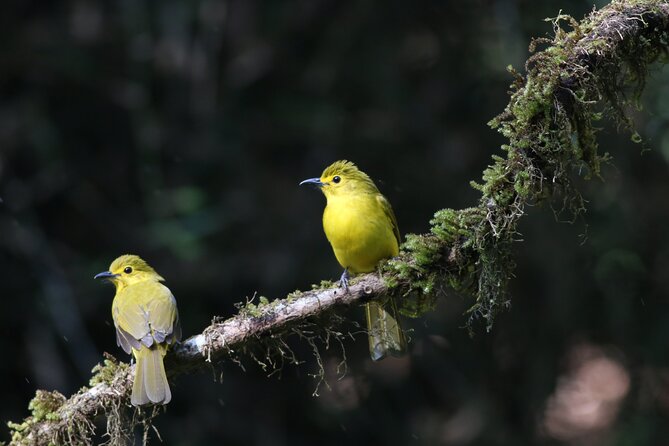
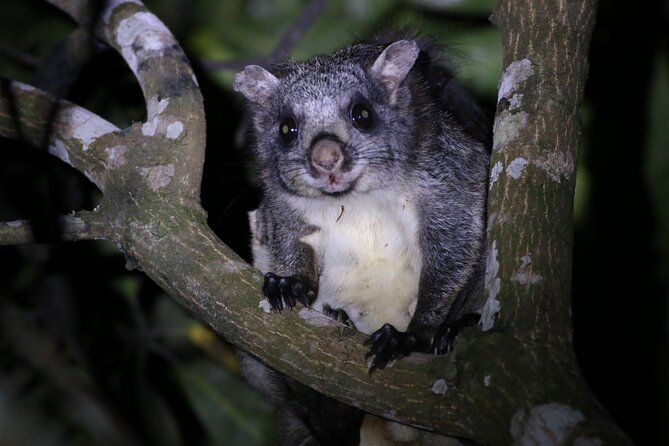
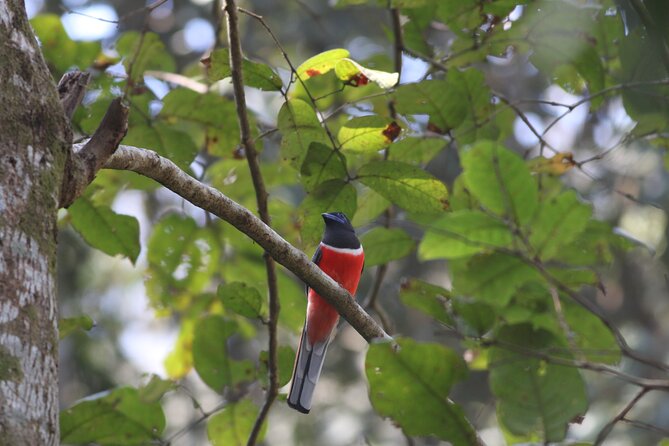
The bird list matters. You’re not only chasing whatever moves. You’re set up for birds such as Malabar pied hornbills, which are dramatic when they show up, plus smaller but photogenic targets like flame-throated bulbuls and yellow-browed bulbuls. And because the tour includes time for “many other flycatcher species,” you have a second layer of opportunity even if hornbills stay quiet on the day.
One more reason I think this works for real photographers: you’re asked to dress in dull colors and wear comfortable hiking shoes. That matters in birding. Clothing that looks like you stepped out of a neon store does not help you blend into the forest routine.
Meeting point and timing: the practical bits people forget
The tour starts at 1:00 pm, and it ends back at the same place. The meeting point is Old Magazine House, Ganeshgudi, Londa-Dandeli Road, Joida, Taluk, Dandeli, Karnataka 581365, India. Since there’s no hotel pickup and drop-off, I recommend planning your arrival so you are not rushing at the last minute.
Transfers are listed as approximate, and timing can shift with the time of day and traffic. That means you should treat this as a schedule with some wiggle room, not a clockwork subway line.
Here’s the “make your day easier” move: if you’re driving or hiring a car, confirm pickup/drop timing with your driver. If you’re coming by local transport, build in extra time for navigation. It’s a one-day experience, so lost time hurts more than it does on multi-day trips.
What a private naturalist-led birding day actually feels like
This is a private tour/activity, meaning only your group participates. That can be a big deal for bird photography. You’re not stuck waiting for someone who wants to talk, or catching up because the pace is set for maximum group speed. The naturalist can focus on what your group needs: where to look, how to scan, and how to adjust your photography approach.
In past groups linked to this operator, the naturalist has included Prathamesh/Prathmesh (spelling can vary). Either way, the key point is the role: the guide is there to help you see birds better, not just walk you through scenery.
What does that look like in practice? You’ll spend time searching and then repositioning when birds show signs of activity. This is where having a guide matters most: birds can be easy to miss even when they’re close. The guide’s job is to help you notice movement, calls, and habitats that you might overlook.
Your target birds: hornbills, bulbuls, and flycatchers
The tour highlights specific species, and that gives you a clearer photo plan than a vague bird walk. Here’s how those targets can shape your day:
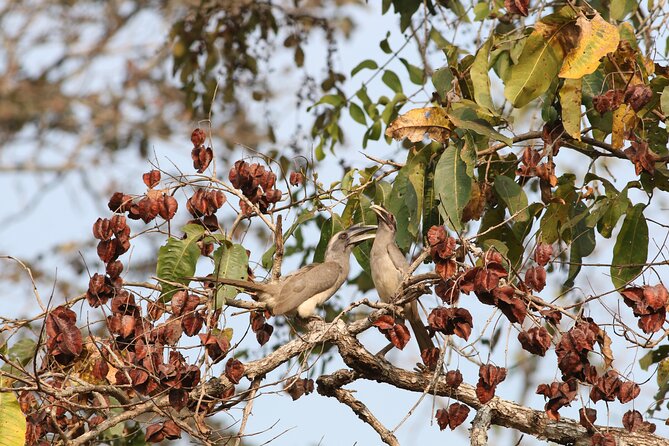
- Malabar pied hornbills: these are the kind of birds you remember. When they appear, hornbills can give you strong silhouettes and bold shapes that photograph well, even if lighting is only so-so.
- Flame-throated bulbuls and yellow-browed bulbuls: smaller, often more active. Expect your success to come from quick setup and patience while you watch for movement in the right layers of foliage.
- Flycatchers (many other species): flycatchers can be tricky because they move fast and perch briefly. This is where your camera technique and your ability to read behavior pay off.
I’d also encourage you to keep your expectations flexible. Not every bird shows up on cue. But the structure of this tour is built to improve your odds by guiding you through where these species are most likely to appear.
Stop 1: the Dandeli field time that builds your best shots
The schedule is simple: you head into the Dandeli area for the bird photography session and you return to the meeting point at the end. The value is in the full-day time in the field, not in hopping between unrelated stops.
Since you start at 1:00 pm, you’ll be photographing during the afternoon window. Bird activity can vary by weather and habitat, but afternoon birding often means a mix of movement and light that can be forgiving for different camera settings. If you’re the type who likes to shoot perch shots, you’ll appreciate time to wait. If you like behavioral shots, you’ll appreciate the ongoing scanning.
A practical tip from how these days usually work: once you find a promising spot, your best photos typically come from staying calm and letting the bird do its thing. Set your camera position, check your framing, then be ready for sudden movement.
Gear checklist: what to bring for better bird photos
This tour gives you clear guidance on what helps in the field. Here’s your checklist, aligned with what’s specified:
- Binoculars: carry them. They’re one of the fastest ways to locate birds and confirm what you’re seeing before you commit to a camera shot.
- Camera (optional): if you want photos, bring it. Even a phone camera can help for documentation, but binoculars still matter for finding birds in the first place.
- Bird field guide (optional): bring one if you like quick ID confirmations in the field.
- Comfortable hiking shoes: this is not casual footwear territory. You’ll want something that handles uneven ground.
- Dull colored clothes: the goal is to blend into nature. Avoid loud patterns.
Also, bottled water is not included. You’ll want to plan water on your own, especially if you’re bringing camera gear that makes you slightly slower to move.
Meals included: a simple perk that changes your day
One of the best “quiet advantages” here is that breakfast, lunch, and dinner are included. On a bird photography day, food logistics can be a hidden stressor. You either end up hungry and distracted, or you try to carry too much and regret it.
With meals handled, you can focus on field time. You also don’t have to pack your own full day of food. That matters if you’re traveling light with camera gear.
Because the tour is a full-day experience, those meal breaks can also help you reset your concentration. Bird photography is repetitive work in short bursts. Good timing for eating and rehydrating helps you keep alert.
Where the value really comes from: price and what you get
The price is $95.86 per person for a 1-day private bird photography experience that includes an on-field naturalist plus three meals. On paper, it’s not just “a walk.” You’re paying for guided bird searching, time in the field, and the meals that prevent you from spending extra on food and snacks.
What you’re also buying is decision support. If you’ve ever tried birding on your own, you know the frustration: you spend a lot of effort without getting that satisfying payoff of clear sightings. A naturalist-led approach can turn effort into better odds.
Will it feel like a bargain? If your goal is hornbills and solid bird photography practice, I think the mix of guide + meals is where the value shows up. If you’re looking for a luxury comfort tour with lots of amenities, this is still a field-based day first. You’ll trade some comfort for time outdoors and bird-focused attention.
How weather affects your plans (and what to do about it)
This experience requires good weather. If it’s canceled due to poor weather, you’ll be offered a different date or a full refund. That’s a helpful safety net.
In real terms, I treat this as an outdoor plan that can shift. So if you’re booking while you’re juggling other Karnataka stops, try not to schedule it as the one day that must not move. Keep a little buffer.
Who should book this Dandeli bird photography tour
This is a strong fit if you:
- want a private birding day rather than a shared group shuffle
- enjoy photographing birds and understand that patience is part of the job
- like species-focused birding (hornbills, bulbuls, flycatchers)
- are comfortable with moderate walking and field conditions (moderate physical fitness level is required)
- appreciate that breakfast, lunch, and dinner reduce daily stress
It may not be the best match if you:
- need hotel pickup/drop-off (not included)
- hate carrying basic field items like binoculars and wearing hiking shoes
- want a guaranteed bird “hit list” regardless of weather (birding is always about odds)
Should you book the Dandeli Bird Photography Tour?
Yes, if your main goal is to improve your bird spotting and come home with better photos—or at least better sightings—without juggling meals and without guessing where to look. The private naturalist-led structure, specific target species like hornbills and bulbuls, and the inclusion of breakfast lunch dinner make this feel built for a proper field day.
If you do book, plan your logistics early. The meeting point is specific, the start time is 1:00 pm, and there’s no pickup. Also bring dull clothing, hiking shoes, binoculars, and your own water. Do that, and you’ll spend the day doing the fun part: watching birds closely and photographing them with confidence.
FAQ
What is the duration of the Dandeli Bird Photography Tour?
The tour is listed as 1 day (approx.).
What time does the tour start, and where does it end?
The activity starts at 1:00 pm and ends back at the meeting point.
Is this tour private?
Yes. It’s a private tour/activity, and only your group will participate.
What meals are included?
Breakfast, lunch, and dinner are included.
What should I bring for bird watching and photography?
You should carry binoculars. A camera is optional, and you can also bring a bird field guide (optional). Wear comfortable hiking shoes and dull colored clothes to blend in.
What happens if weather is poor?
If the experience is canceled due to poor weather, you’ll be offered a different date or a full refund.