REVIEW · UBUD
Bali Full Day Photography Tour
Book on Viator →Operated by David Metcalf Photography · Bookable on Viator
Sunrise in Bali starts before your alarm. This Ubud photo tour is built around the right light and camera angles, with stops chosen for views and photo moments that match the time of day. I also like that it welcomes non-photographers and still helps you take better pictures, whether you shoot on an iPhone or an SLR. One real consideration: the day starts very early, with a 5:30 am start time.
Because it’s small and time-focused, you’ll spend the day chasing moments instead of wandering. The best part is how the tour ties photography to local life and community support, including time with Balinese families and a contribution to education and dance programs. The trade-off is that a schedule like this moves fast, so you’ll want an early-morning-friendly mindset and comfortable shoes for uneven temple and rural paths.
In This Review
- Key Highlights You’ll Care About
- What You’re Really Paying For: A Photo Plan With Local Life
- Ubud Morning Logistics: The 5:30 am Start Works Best If You Plan Ahead
- Mount Agung Sunrise: Best Light, Best Angles, and Rural Morning Activity
- Tirta Empul Temple: Purification Moments You Can Photograph Respectfully
- A Local Food Market Moment: Where the Human Story Shows Up
- Lunch With Balinese Families: Meal Included, Culture Up Close
- Photo Coaching That Actually Helps: From iPhone to SLR (and Beyond)
- Small Group Timing: How the Day Feels in Real Life
- Who Should Book This Bali Photography Tour
- Price and Value: Is $246.16 Worth It?
- Should You Book It?
- FAQ
- Do I get pickup and a mobile ticket?
- How long is the Bali full-day photography tour, and what time does it start?
- What’s included in the price, and what isn’t?
- Can non-photographers join?
- What kinds of cameras or devices are covered?
- What happens if the weather is poor?
Key Highlights You’ll Care About
- Mount Agung at sunrise: big-picture views plus rice-field surroundings in the rural morning hours
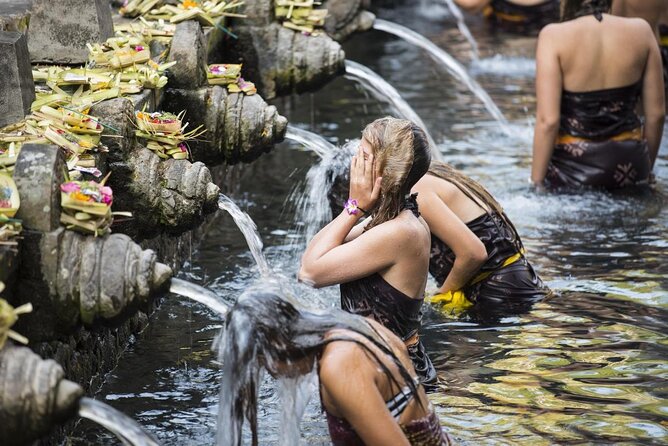
- Tirta Empul purification scenes: people, temple structure, and ceremonies framed for respectful photography
- Lunch with Balinese families: a home-cooked meal in the homes of local families, not a standard restaurant stop
- Small group (max 4): easier pacing for coaching, questions, and photo time
- Photo tips across devices: iPhone, SLR, and even drone-style shooting help, based on what you bring
- Community support built in: 10% of what you pay goes toward education and dance teaching programs
What You’re Really Paying For: A Photo Plan With Local Life
At $246.16 per person for about 8 hours, this tour isn’t just about checking two famous places off a list. You’re paying for a full-day photo workflow: when to go, where to stand, and how to use light and angles to improve results.
The other value is the human side. The tour design includes Balinese village life away from the typical tourist flow and a lunch provided through Balinese families. That matters because it changes the feel of the day from sightseeing to real cultural contact, and the numbers reflect that: 10% of your payment supports education and dance teaching programs in the villages.
One more smart detail: it’s flexible enough for partners who are not photographers to come along. In practice, this means your day can still feel scenic and meaningful even if you’re not chasing technical shots the whole time.
You can also read our reviews of more tours and experiences in Ubud.

Ubud Morning Logistics: The 5:30 am Start Works Best If You Plan Ahead
The tour starts at 5:30 am, which is early enough that you should treat it like a mission, not a casual morning plan. If you live in Ubud, you’ll still want to be ready before pickup time so the first stop doesn’t feel rushed.
The tour offers pickup and uses a mobile ticket. It’s also listed as near public transportation, and the day is designed for most travelers to participate. The small group size (up to 4 travelers) helps here, because the guide can manage timing without a large crowd slowing everything down.
What to do before you go:
- charge your phone/camera battery the night before
- bring something light to wear layered over warmer clothes, since mornings can feel cooler
- pack water, because a long day with sunrise photos can dry you out
Early start isn’t a drawback on paper. It’s only a drawback if you expect a leisurely schedule.
Mount Agung Sunrise: Best Light, Best Angles, and Rural Morning Activity
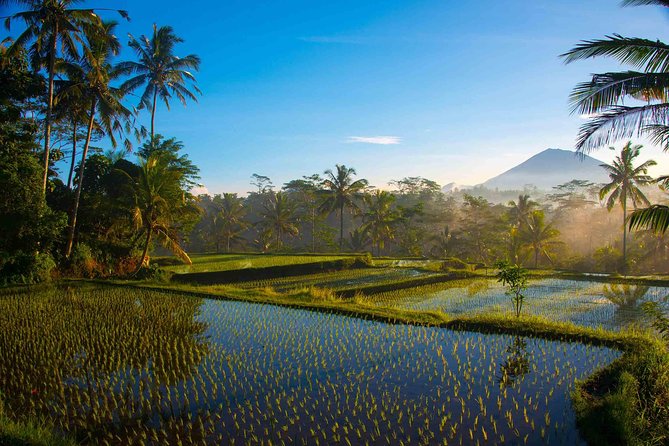
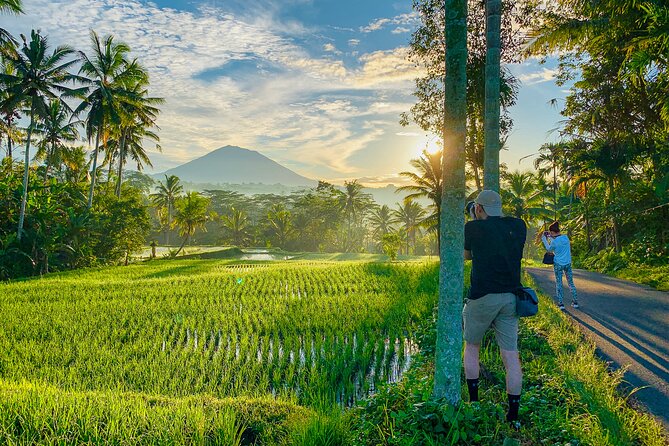
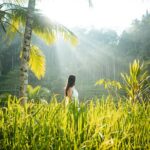
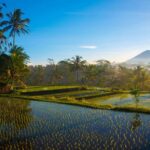
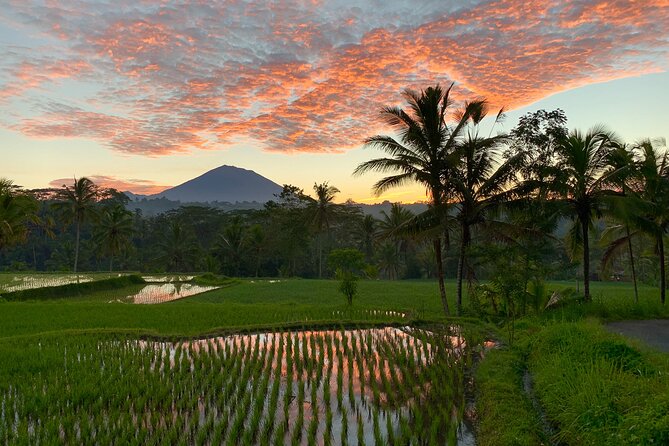
The first stop is Mount Agung, timed for sunrise. This is where the tour earns its name. The plan is built around the best views, angles, and light at that specific time of day, which is exactly what you want if you care about photos instead of just destination names.
You’ll also see rice field surroundings and rural life activity. That blend is important for photography. It gives you depth in your images: not just a mountain silhouette, but foreground texture, movement, and context that makes the photo feel lived-in rather than postcard-flat.
The tour includes admission for this stop, so you don’t have to deal with ticket logistics while your attention should be on timing and framing. Expect about 1 hour 30 minutes here, which is enough time for a sunrise “sweep” (getting wide views first) and then a more deliberate sequence (tight compositions, hands-in-the-scene moments, and angle adjustments as the light changes).
A practical note: sunrise light can shift fast. If you’re shooting video or multiple camera setups, move methodically. Get one solid frame, then refine, instead of constantly re-positioning without a plan.
Tirta Empul Temple: Purification Moments You Can Photograph Respectfully
After sunrise, the day shifts from dramatic mountain light to human ritual at Tirta Empul Temple. This stop focuses on the temple structure and people doing purification in the water.
This is a good place to remember that photography isn’t only about clarity and composition. It’s also about respectful distance and not disrupting the ceremony. The tour framing here is built around what’s happening, so you can focus on timing and placement rather than improvising in a sacred space.
You’ll spend about 1 hour at Tirta Empul, and admission is included. That time window is useful: long enough to watch how actions unfold, but short enough that the day keeps momentum and you don’t feel stuck in one spot.
Photography-wise, purification scenes often benefit from:
- shooting when people look up or pause in movement
- capturing temple structure lines that lead the eye toward the action
- stepping slightly to change background clutter, rather than forcing everyone into the foreground
If your goal is portraits or candid storytelling, this stop is where you’ll usually get the most meaningful photos from the day.
A Local Food Market Moment: Where the Human Story Shows Up
One of the strongest pieces of feedback mentions a stop at a local food market to meet locals. That’s not just a fun extra; it helps you learn the textures of daily life that make Bali feel like Bali, not a set of photo backdrops.
Even if you aren’t buying anything, a market stop gives you practical photo advantages:
- faces and hands close to the action
- colorful signs and packaging for quick visual anchors
- quick moments of interaction that don’t require a posed setup
If you’re traveling with a partner who isn’t focused on photography, this part can also feel like the social heart of the tour. It breaks up the early-morning intensity with something lighter and more everyday.

Lunch With Balinese Families: Meal Included, Culture Up Close
Lunch is included, and the tour aims to make it feel personal: a delicious Balinese home-cooked meal in the homes of Balinese families. That detail changes the experience. A lot of Bali tours throw you into a restaurant with a view and call it local. This one is trying to give you a genuine village-life setting instead.
Why this matters for your photos (and your day):
- you see how families live, not just where tourists walk
- you get a calmer rhythm mid-tour
- conversations and small cultural moments tend to produce more natural photos later, because the day stops feeling like a checklist
The tour also has a community-support angle tied to education and dance teaching programs, funded by 10% of what you pay. That makes the lunch component feel like part of a bigger mission, not a one-off stop.
If you have dietary needs, you might want to plan ahead with your booking notes, since home-cooked meals can vary. The tour data confirms lunch is included, but it does not specify dietary accommodations.
Photo Coaching That Actually Helps: From iPhone to SLR (and Beyond)
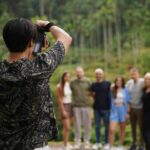
The tour description is clear that it adapts to different devices. It’s designed for iPhone users, SLR digital camera shooters, and even people who want to shoot with a drone. The key isn’t the gadget; it’s the guidance.
What you should expect from this style of coaching:
- tips on improving your photography by focusing on angles and timing
- help getting better shots whether you’re using a small phone camera or more complex gear
- guidance on how to work with the light you’re actually getting that morning
Because the group size is limited to four travelers, you’re more likely to get hands-on feedback rather than generic advice. That’s also why partners are welcome: even if you’re not the one with the camera, you’ll still enjoy the scenery and cultural stops while the photographer in your group gets help.
If you want to make the most of it, bring a simple goal for the day. For example:
- one wide “big scene” photo at sunrise
- one temple action photo
- one portrait-style moment from the purification area
- one photo that shows daily life from the market or village setting
Having targets keeps you from getting lost in the excitement and forgetting to frame deliberately.
Small Group Timing: How the Day Feels in Real Life
This is an 8-hour full day. Add in the early 5:30 start, and you’ll likely feel like the day starts before your brain is fully awake. The good news is the schedule has structure: sunrise first, ritual and culture next, and then lunch and later photo moments.
With a maximum of 4 travelers, the pace is easier to manage. You can step aside for better framing, ask quick questions about exposure or composition, and not feel like you’re constantly catching up to a large bus group.
Pickup is offered, and the tour uses a mobile ticket, which simplifies your arrival. Near public transportation also gives you options if you’re staying somewhere that’s easier to reach without a car.
The only “watch out” with a tight photo day is patience for movement. If you’re someone who wants to linger for an hour at one view, this format may feel like it moves too quickly. If you like variety and your best photos come from light and timing, it fits well.
Who Should Book This Bali Photography Tour
This tour is a strong match if you want:
- a photo-focused itinerary in Bali that accounts for the best light at the best times
- coaching for the gear you actually travel with, including iPhones
- cultural stops beyond temples, including village-life settings and home-cooked lunch
- small-group energy (up to 4 travelers)
It’s also a good choice for couples or friends where only one person is really into photography. The tour explicitly welcomes partners who aren’t photographers, and the day is designed to stay enjoyable even when you’re just enjoying the scenery and cultural experiences.
It may be less ideal if:
- you hate early starts
- you’re traveling with mobility limitations and need very gentle pacing (the tour says most travelers can participate, but it doesn’t claim special assistance)
Price and Value: Is $246.16 Worth It?
Let’s break down the value. You’re paying $246.16 per person for an 8-hour day that includes:
- pickup
- admission tickets for Mount Agung and Tirta Empul
- lunch
- guided photo coaching (for iPhone, SLR, and drone-style shooting)
- a maximum group size of 4
- community support funding, with 10% going to education and dance teaching programs
Camera equipment isn’t included, so you’re responsible for your own gear. But the rest is structured so you’re not paying extra for tickets, meals, or basic logistics.
Where the cost makes sense is the combination: early-morning access + photo coaching + small group + cultural value + included meals and admissions. If you’re the type who spends money on tours primarily to save time and reduce stress, this one looks like a fair deal for Ubud.
If you’re happy to DIY sunrise and temple visits without coaching, you could do it cheaper on your own. Still, the guide’s focus on angles, light timing, and photo tips is the part that’s harder to replicate without guidance.
Should You Book It?
I’d book this if you want a serious photography day that doesn’t ignore culture. The sunrise timing, Tirta Empul purification focus, and home-cooked lunch with village-life context make it feel like more than a photo scavenger hunt. The small group size is the practical ingredient that helps you actually get better shots, not just great locations.
Skip it if you’re not comfortable with a 5:30 am start. Also skip if you want long, slow hanging-around time at every stop. This tour is built around light, timing, and movement, and it rewards people who can go with the schedule.
FAQ
Do I get pickup and a mobile ticket?
Yes, pickup is offered and you’ll receive a mobile ticket.
How long is the Bali full-day photography tour, and what time does it start?
It runs for about 8 hours and starts at 5:30 am.
What’s included in the price, and what isn’t?
Admission tickets are included for the Mount Agung and Tirta Empul stops, and lunch is included. Camera equipment is not included.
Can non-photographers join?
Yes. The tour explicitly welcomes partners who are not photographers to enjoy the scenery and cultural experiences.
What kinds of cameras or devices are covered?
The tour notes help for iPhone photography and SLR digital cameras, and it also says drone shooting is supported in terms of getting great photographs.
What happens if the weather is poor?
The tour requires good weather. If it’s canceled due to poor weather, you’ll be offered a different date or a full refund.
If you want, tell me your camera type (or whether you’re phone-only), and I’ll suggest a simple shot list you can bring to Mount Agung and Tirta Empul so you get the most out of the coaching.