REVIEW · ALTA
Aurora Hunt with Professional Photographer from Alta
Book on Viator →Operated by Arctic Altaernative Tours · Bookable on Viator
Auroras need patience and smart timing. This 7-hour Alta hunt stands out because it’s run like a working field session, with a weather-driven plan and hands-on photo help so you’re not just hoping the sky cooperates. My main like is how you get focused instruction for night photography while staying warm and safe out in the Arctic cold. The main drawback is that the hunt can turn into a real chase, so you need to be flexible about how long you might be driving or waiting.
What also impressed me is the small group setup: you’re with a maximum of 8 people, not a crowd. Start at Løkkeveien 51 and, from there, the guides make a last-minute call based on the conditions they’re seeing. In my book, that tight group size plus quick decisions is exactly what boosts your odds.
And comfort matters here. You get thermal suits, plus hot drinks, snacks, and a warm packed meal, with bonfire essentials ready to go. I also like that the guides work hard to help you get photos in the moment, not just admire the lights from afar.
In This Review
- Key points I’d plan around
- Entering the hunt in Alta’s real winter conditions
- Løkkeveien 51 start, pickup options, and how the night begins
- Weather roulette: why you may drive for hours
- Bonfire setup, warm drinks, and the comfort you actually need
- Night photography coaching with Mirko and Milvia
- How the tour maximizes your Northern Lights odds
- Professional pictures: why this is more than a photo-op
- What to wear: thermal suits are provided, but you still need layers
- Group size, pacing, and who this tour fits best
- Value check: is $1,145 worth it for an Alta aurora hunt?
- Practical tips to get the most out of the hunt
- Should you book this aurora hunt with a professional photographer?
- FAQ
- Is pickup included for the Aurora Hunt in Alta?
- How long is the tour, and can the timing change?
- What’s included for warmth and comfort?
- Do I get help with taking photos?
- How big is the group?
- What are the age and mobility requirements?
- What is the cancellation and refund policy?
Key points I’d plan around
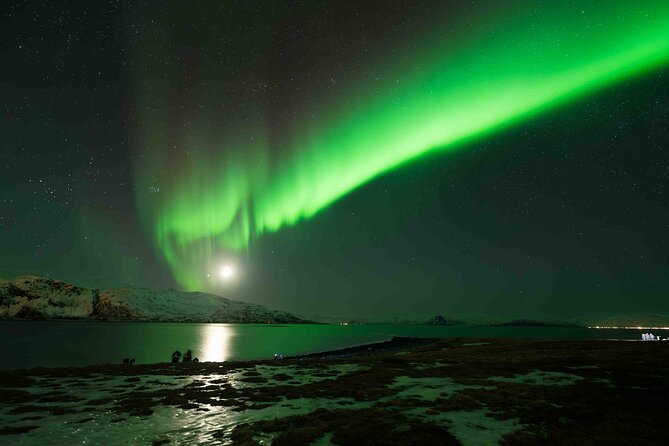
- Last-minute weather spot selection means you’re not stuck at a single viewpoint hoping for the best
- Thermal suits + bonfire essentials help you stay outside longer without feeling like you’re freezing the fun out
- Pro photographer night photography workshop (optional) plus real help with camera settings in the field
- Professional pictures included so you leave with more than your own camera attempts
- Max 8 travelers keeps the attention more personal when the lights show up or don’t
- Duration varies a lot because auroras are unpredictable and sometimes you drive for hours
Entering the hunt in Alta’s real winter conditions
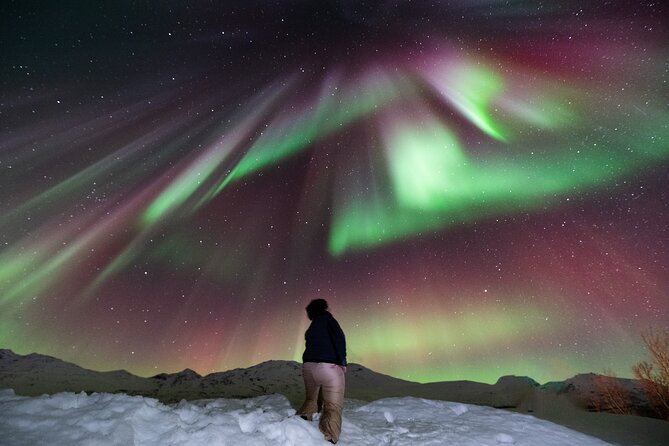
Alta is not a postcard city. It’s a working Arctic base, and this tour is built around that reality. You trade the comfort of staying at one warm resort spot for being out in the cold where auroras are actually visible.
That change is the point. Northern Lights can be faint, and clouds can ruin your view quickly. This experience is designed to maximize your chances by moving based on conditions rather than pretending weather forecasts are a promise.
The vibe is practical and outdoors-first. You’ll be out long enough to notice the cold, and that’s why they provide gear and warmth support. Still, you should go in knowing the tour is active and you’ll need patience.
Løkkeveien 51 start, pickup options, and how the night begins
Your evening begins at Løkkeveien 51, 9510 Alta, Norway, and it ends back at that same meeting point. That matters because the tour is point-to-point: you’re not trying to coordinate your own late-night return.
Pickup is offered, and you’ll receive a mobile ticket. So if you’re staying anywhere in the Alta area, you’re likely to avoid extra hassles finding your way right at the start.
The start time doesn’t mean much for aurora hunting. What matters is what happens after you meet: the guides check conditions and then decide where to go. Think of the first stop as the launch pad, not the viewing spot.
Weather roulette: why you may drive for hours
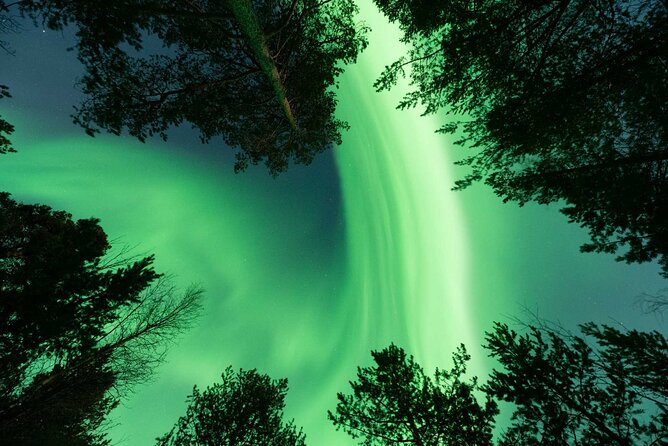
This tour is a hunt. The guides make a last-minute decision about where to chase the lights, based on what the night is doing. Sometimes the auroras show quickly, and sometimes you’re on the road for a while before you get the right sky.
That unpredictability is exactly what makes aurora tours both exciting and frustrating. The good news is that this one is built for it. You’re relying on guides with field experience to spot auroras even on challenging nights.
From a planning angle, you should treat the 7 hours as an estimate. Some nights can be fast; other nights turn into a longer sequence of driving, waiting, and adjusting. If you hate uncertainty, you’ll feel it. If you can roll with it, you’ll have a better time.
Bonfire setup, warm drinks, and the comfort you actually need
Once the team finds a good location, the group setup is straightforward: bonfire time, thermal gear time, and then time to watch and photograph. You’re not just standing around in silence.
A few things are included that help you keep your body steady in the cold:
- Hot drinks and snacks
- A warm packed meal
- All the essentials for setting up a bonfire
- Thermal suits
I especially like that you get warmth support early enough to settle in. Cold hands and numb feet are a real problem when you want to use a camera for more than a quick snapshot. The tour design reduces that stress.
One of the practical perks from the experience is that it’s not only about the lights. You get a comfortable routine: arrive, warm up, focus, then photograph. That structure helps when the auroras are slow to appear or show up in short bursts.
Night photography coaching with Mirko and Milvia
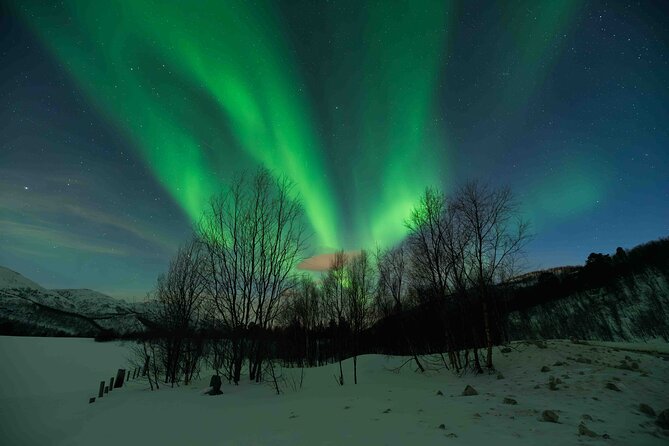
If you care about photos, this is where the tour earns its price tag. This is run by professional photographers specializing in night photography, and the guides focus on how auroras work visually as well as how to shoot them.
You’ll get a night photography workshop (optional), and you also get help that goes beyond theory. In real terms, that means you’re not guessing camera settings in the dark while your friends are already getting results. The guides can assist with things like getting your camera set up properly for long exposures and low light.
The tone I’d expect is hands-on rather than classroom-only. One strong theme from the guides is that they pay attention to timing: when auroras appear, they help you adjust and keep shooting, even if the activity is weak.
And yes, they also take photos. That’s a big deal because it protects you from the most common problem: you spend the whole night fighting your settings and end up with images that are technically fine but not very impressive. Having professional shots in your pocket means you’re leaving with a backup plan.
How the tour maximizes your Northern Lights odds
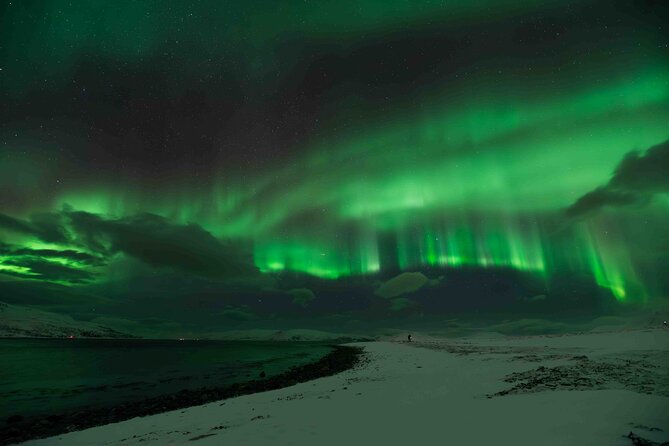
Seeing the Northern Lights is not a simple yes/no. You need the right combination of darkness, sky conditions, and auroral activity. Even then, the lights can be faint or patchy.
This hunt improves your odds in three ways:
- Dynamic location changes when weather or visibility isn’t ideal
- Field experience to pick spots where the lights can actually show
- Time outside with warm support, so you don’t bail early
The guides also mention that sometimes auroras are visible immediately, and sometimes you need patience and improvisation. That’s not just motivational talk. It’s the reality of how the sky behaves, and the tour is designed for it.
If you’ve ever tried aurora hunting on your own, you know the failure mode: you waste the best hours of the night sitting in the wrong place. Here, you’re relying on local expertise to avoid that.
Professional pictures: why this is more than a photo-op
“Professional pictures included” sounds nice, but it matters because of how unpredictable auroras are. The sky can shift in minutes. Clouds can roll in. Activity can spike and fade quickly.
When the lights show up, you may be:
- adjusting your camera,
- reading the scene,
- trying to frame composition,
- or dealing with numb fingers.
This is why having pros involved is such a practical advantage. Even if you manage your own shots well, the professional photos increase the odds you’ll bring home images that match what you saw in the sky.
It also changes your own role during the hunt. You’re not only a photographer trying to capture everything. You can enjoy the moment too, because you’re not solely dependent on your own camera getting the perfect frame.
What to wear: thermal suits are provided, but you still need layers
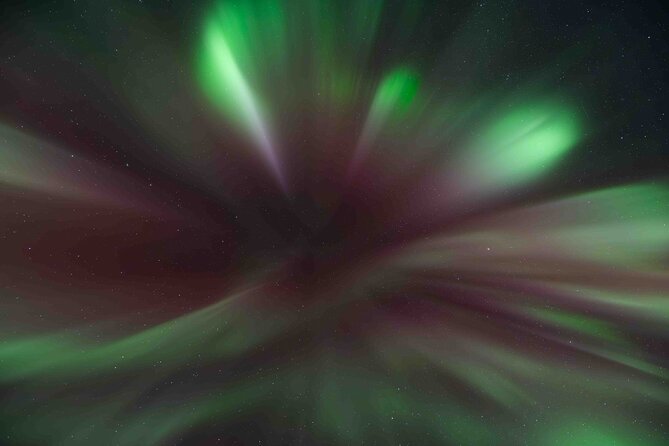
Thermal suits are included, and that’s excellent for comfort and safety. But basic winter clothing (like hats and gloves) is not included, so you still need to plan your personal layers.
Here’s the practical approach I’d use for this kind of Arctic night:
- Wear or pack warm base layers you can move in
- Bring your own hat and gloves (those are basic essentials here)
- Use warm socks and sturdy boots you trust on snow and uneven ground
- Dress so you can handle a long wait plus short periods of movement
If you forget gloves or you show up with thin layers, you’ll notice it fast. The tour provides major thermal protection, but it can’t replace the basics you bring yourself.
Group size, pacing, and who this tour fits best
This experience caps at 8 travelers, and the small group size is a real quality-of-service factor. In aurora photography, timing matters. The fewer people you’re sharing attention with, the better the chance you get help quickly when something changes.
The minimum age is 14, so it’s geared toward teens and adults who can handle cold-weather outings. It’s also not recommended for travelers with mobility issues. That doesn’t necessarily mean it’s impossible for everyone, but it does signal that you should think carefully about how much standing/waiting you’ll do in winter conditions.
Duration is about 7 hours, but the tour’s actual length can stretch based on where they chase the lights. If you’re traveling with limited patience for uncertainty, that may be a dealbreaker. If you want an experience built around reality, you’ll likely love it.
Value check: is $1,145 worth it for an Alta aurora hunt?
At $1,145, this is not a budget aurora option. The value comes from what you’re buying beyond transportation to a viewing spot.
You’re paying for:
- Professional photographers focused on night photography
- Thermal suits
- Bonfire essentials
- Hot drinks, snacks, and warm packed meal
- Professional pictures included
- Optional night photography workshop
- A small group so help is more hands-on
If you were to replicate this quality yourself, you’d spend time finding the right location, renting or sourcing winter gear, dealing with cold comfort, and learning camera settings with nobody coaching you in real time.
The price also makes sense if you treat this as a once-or-rare trip. Northern Lights viewing depends heavily on conditions, and you’re paying for a system designed to respond when conditions change.
On the other hand, if your only goal is to see lights with no interest in photos or instruction, you may find cheaper options more appealing. This one is for people who want their night to be productive as well as magical.
Practical tips to get the most out of the hunt
You’ll have a better experience if you show up ready for the long, cold wait.
- Bring the right gloves and hat so your hands can work the camera.
- Keep your phone and camera battery charged as much as you can. Cold drains power faster.
- Assume the lights might be subtle. You may need to stay patient and look carefully, not just wait for dramatic curtains of light.
- If you’re serious about photos, tell the guides you want help setting up. The value here is that they can help you get the camera working for aurora conditions.
- Keep a flexible mindset. The best odds come from the guides making a last-minute call.
One more note: this is a non-refundable experience. If you might cancel due to changing plans, think hard before you book.
Should you book this aurora hunt with a professional photographer?
Book it if you want the strongest chance of seeing Northern Lights in Alta and you care about photography outcomes. If you want warm support, a bonfire routine, and a pro team like Mirko and Milvia helping you shoot and advising on timing, this is built for you.
Skip it if you hate uncertainty about timing, or if your travel style needs fixed schedules and easy refunds. The hunt is naturally unpredictable, and the pricing assumes you’re there to commit to the night.
If you’re a first-timer who wants a guided shot at the aurora with better-than-average results, this is a solid choice. It’s cold, it’s outside, and it’s a real hunt. But that’s also why it works.
FAQ
Is pickup included for the Aurora Hunt in Alta?
Pickup is offered. You’ll start at Løkkeveien 51, 9510 Alta, Norway, and the activity ends back at the same meeting point.
How long is the tour, and can the timing change?
The tour is about 7 hours. The actual hunt duration varies a lot because auroras are unpredictable and the team may drive to find the best spot.
What’s included for warmth and comfort?
You get thermal suits, hot drinks, snacks, and some warm packed meal. The tour also provides all the essentials for setting up a bonfire.
Do I get help with taking photos?
Yes. This tour includes professional pictures and an optional night photography workshop. The team also helps with night photography while you’re out on the hunt.
How big is the group?
The maximum group size is 8 travelers.
What are the age and mobility requirements?
The minimum age is 14. The tour is not recommended for travelers with mobility issues.
What is the cancellation and refund policy?
This experience is non-refundable and cannot be changed for any reason. If you cancel or ask for an amendment, the amount you paid will not be refunded.