REVIEW · DIJON
DIJON: Enjoy a photo tour with a professional photographer
Book on GetYourGuide →Operated by tonystampfotoart · Bookable on GetYourGuide
Four streets, one camera lesson. This 2-hour Dijon photo walk, led by professional photographer Tony (tonystampfotoart), is a simple way to see the city with a sharper eye. I like the hands-on photo guidance on real street scenes, and I also like that you get UNESCO-level context so your pictures mean something later, not just a nice memory.
The possible drawback: the tour is focused on outdoor, street-level architecture, so if you want lots of museum time or you don’t plan to bring a camera, you’ll feel the gap. It also isn’t set up for kids under 16.
In This Review
- Key takeaways
- Meet Tony at Porte Guillaume: start with a frame you can use
- Why Dijon’s UNESCO centre is perfect for photography (and not just sightseeing)
- The fine-detail hunt: postcard angles, textures, and architecture you can read
- A 2-hour walking rhythm: relaxed pace with room to ask questions
- What this pace means for you
- What you’ll carry out of the city: an emailed location guide for your photos
- Gear and what to wear: your photo plan starts before you reach the gate
- If you’re unsure what to shoot, use this simple strategy
- Price and value: $70 for coaching plus architecture context
- Who this Dijon photo tour suits best (and who should skip it)
- Should you book this Tony-led Dijon photo tour?
- FAQ
- Where does the tour meet?
- How long is the Dijon photo tour?
- How big is the group?
- What language is the tour in?
- Is the tour suitable for children?
- What should I bring?
- What’s included in the price, and what isn’t?
Key takeaways
- Tony leads from real experience: he makes and sells postcard-style images, so he knows the angles that work.
- UNESCO historic centre focus: you’re walking through the area that’s been recognized since 2015.
- A small group means time to talk: limited to 4 participants at the casual walking pace.
- Photo coaching is the main event: you’ll get advice that applies whether you shoot with a camera or a smartphone.
- No note-taking stress: you’ll get an emailed document after the tour to match locations to your photos.
- It’s built to be relaxed: friendly, not a technical class.
Meet Tony at Porte Guillaume: start with a frame you can use
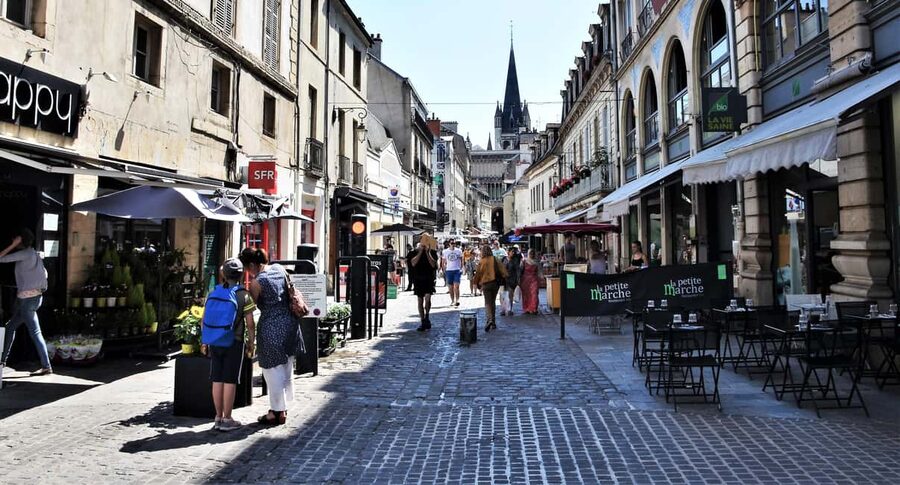
Your tour begins at Porte Guillaume, the William Gate, a strong landmark to orient yourself fast. It’s right where the historic city still feels close and readable, which matters for photography. If you’re standing there thinking, Where do I even point my lens?—that’s exactly what Tony helps fix.
Tony is easy to spot: a red Nationals baseball cap with a large W. You’ll find him at the meeting point near these coordinates: 47.32336492621492, 5.034763803460934. From there, the walk becomes a lesson in seeing—how lines move through a street, how buildings repeat details, and how a “postcard view” can still look fresh if you compose with intent.
I especially like that the tour is friendly and not technical for its own sake. You won’t be trapped in camera jargon. Instead, Tony’s approach is practical: he guides you to make choices on the spot, then lets the city do the rest.
Why Dijon’s UNESCO centre is perfect for photography (and not just sightseeing)
Dijon’s historical centre is part of UNESCO recognition since 2015, and this tour leans into what that means visually. You’re not only looking at pretty facades. You’re walking through the preserved results of the city’s long development—period buildings that survived and shaped the look and feel of this place.
That UNESCO label can sound abstract until you’re standing in front of walls that show layers. In a UNESCO area, the point isn’t just that things are old—it’s that the area’s character has been protected enough that you can still read the city’s history through its streets and architecture.
Tony uses that advantage in a smart way: he gives you historical information tied directly to where you’re photographing. The payoff is that your images become personal records. Later, when you’re scrolling at home, you’ll remember what you were seeing and why it looked the way it did, instead of guessing.
The fine-detail hunt: postcard angles, textures, and architecture you can read
This isn’t a “stand and take a wide shot” tour. Tony’s whole angle is detail: the subtle design choices on period buildings and the kinds of elements that turn a normal street scene into an image with depth.
Since Tony also specializes in making and selling postcards, his guidance naturally includes the classic framing that tourists love—without forcing you into cookie-cutter shots. The best part is that he treats each stop as a starting point, not a single required photo. You’re encouraged to use your imagination and look for details that call to you as you walk.
What you can expect this style of photo coaching to do for your results:
- It teaches you how to spot strong composition quickly, even if you’ve never studied photography.
- It helps you notice textures and architectural rhythms (repeated shapes, edges, and ornament) that your eyes might skip when you’re just sightseeing.
- It gives you permission to experiment. You’re guided, but the final frame is yours.
If you’re a beginner, this kind of coaching is a shortcut to better photos without feeling like you’re taking an exam. If you’re more experienced, it still works because Tony’s eye focuses on what matters in this city: how Dijon’s surviving buildings actually photograph.
A 2-hour walking rhythm: relaxed pace with room to ask questions
The tour is designed around a 120-minute walking loop at a casual pace. That time window is short enough to feel energetic, but long enough to stop, reposition, and re-shoot if something isn’t clicking.
You’ll be with a small group limited to 4 participants, which changes the experience in a real way. There’s time to discuss what you’re aiming for—whether that’s a crisp portrait of a facade, a close-up detail, or a scene that shows the street’s story.
It’s also easier to get personal advice. Tony can point out what’s working in your frame and what to adjust right there. And if you want to chat, he’s approachable—easy conversation, plus practical info that connects Dijon to the wider region. That social comfort makes the technical moments feel less intimidating.
What this pace means for you
Short tours can sometimes feel rushed. This one aims for the opposite: enough stops to learn without dragging. If you come in wanting a fun photo walk with real guidance and a calm vibe, this format fits.
What you’ll carry out of the city: an emailed location guide for your photos
One of the most useful parts of the experience happens after you’re done walking.
After the tour, Tony emails you an information document that links the locations you visited with what you photographed. That removes a common headache: you take lots of shots, then you’re left with a camera roll full of unanswered questions.
You get a built-in way to organize your images when you return home. It also makes the whole experience feel more “complete.” You’re not just taking pictures; you’re collecting a photo record with a narrative.
This is especially valuable if you like to travel light and don’t want to carry a notebook. The tour is set up so the context comes to you, not while you’re trying to keep your balance and frame your next shot.
Gear and what to wear: your photo plan starts before you reach the gate
You don’t need special equipment for this tour, but you do need the basics to keep your momentum for 2 hours outdoors.
Bring:
- Comfortable shoes (you’ll be walking enough to notice if they’re wrong)
- Camera (or charged smartphone if that’s your main tool)
- Sun hat and sunscreen for bright days
- Rain gear for wet weather
- Drinks and comfortable weather-appropriate clothes
A charged smartphone is a smart backup even if you shoot with a camera. You can use it for quick compositions, reference shots, and making sure you don’t miss a detail you loved.
Also, don’t overpack. The tour is friendly and not demanding in a technical way, but it does require you to move, stop, reposition, and stay alert to light and detail.
If you’re unsure what to shoot, use this simple strategy
Don’t start with big artistic goals. Start with this:
1) One wide scene that shows where you are (street/architecture context).
2) One close-up detail that feels distinctive.
3) One “in-between” frame with lines or repetition.
Tony’s guidance will help you turn those into stronger images.
Price and value: $70 for coaching plus architecture context
At $70 per person, this tour is priced like a focused, expert-led session rather than a free-for-all walking tour. The value comes from two things you usually have to do separately: photo instruction and city context.
You’re paying for:
- A professional photographer/artist leading the shoot decisions with practical advice
- Detailed historical information about the city and its architecture as you walk
- A small-group setup so you’re not just another face in the crowd
It’s also worth noting that there are no additional charges if the walk runs longer than advertised—overruns can happen when people want to keep shooting or chatting.
What’s not included matters too. You’re responsible for:
- Photographic equipment
- Food or drinks
- Travel expenses
- Entry to museums or historical buildings
So this is best if you want to spend your money where it works: on the guidance and the photo time, not on indoor admissions. If you’re hoping the tour will handle museum tickets and a full day of attractions, plan differently.
Who this Dijon photo tour suits best (and who should skip it)
This experience is a great fit if:
- You’re visiting Dijon for the first time and want a quick way to get oriented through the historic centre
- You want photo improvement without pressure or technical stress
- You enjoy walking, looking closely, and learning why buildings look the way they do
- You like a small group where conversation is possible
It’s not suitable for children under 16, and it may not match your expectations if you primarily want indoor museum visits. Think of it as a high-quality street photography and architecture story, not a ticketed highlights day.
Should you book this Tony-led Dijon photo tour?
If you want better photos with less guesswork, book it. The combination of Tony’s postcard-style framing eye and the architecture context makes it more than a casual stroll. The small-group size is a real quality-of-life upgrade because you get time to ask questions and adjust your shots.
Skip it if you already have a very specific plan for museums and you don’t care about photo coaching or detailed architecture. Also, make sure you’re ready for outdoor walking and bring the essentials—comfortable shoes, weather gear, and your preferred shooting device.
If your goal is a relaxed, memorable photo record of Dijon’s preserved historic core, this one is built for that.
FAQ
Where does the tour meet?
The meeting point is Porte Guillaume (William gate). You can use this reference for location: 47.32336492621492, 5.034763803460934.
How long is the Dijon photo tour?
The experience runs for 2 hours. If the tour takes longer, there are no additional charges.
How big is the group?
The tour is limited to a small group of up to 4 participants for an intimate, casual walking pace.
What language is the tour in?
The live guide speaks English.
Is the tour suitable for children?
No. The tour is not suitable for children under 16.
What should I bring?
Bring comfortable shoes, a camera, drinks, sunscreen, sun hat, rain gear (if needed), and weather-appropriate clothing. A charged smartphone is also recommended.
What’s included in the price, and what isn’t?
Included: a knowledgeable photographic experience from a professional, detailed historical information, and advice on creating memorable photos. Not included: photographic equipment, food or drinks, travel expenses, and entry to museums or historical buildings.