
REVIEW · VIRPAZAR
Skadar Lake National Park: Birdwatching & Photography Tour
Book on GetYourGuide →Operated by Kingfisher · Bookable on GetYourGuide
Lake Skadar wakes up fast.
In just two hours, I love how this trip turns a calm morning boat ride into real birdwatching, with your guide pointing out what to look for and where to look next. You cruise on a traditional wooden čun (with a reed roof), so you feel close to the water and the birds, not parked above them.
I really like two things: the chance to spot the lake’s star species—especially the dalmatian pelican, which is famous here—and the helpful way the guide supports identification while keeping a respectful distance from wildlife. The main drawback is simple: it’s short, and weather can affect conditions on the water (so be ready for schedule changes or different boat arrangements).
In This Review
- Key points worth marking before you go
- Entering Lake Skadar by morning light
- From the Kingfisher desk near Virpazar’s bridge to the reed-roofed čun
- Virpazar warm-up: quick town time, then straight into the birds
- Binocular time: what you might spot on Lake Skadar
- The stop-and-watch rhythm: National Park time and wildlife viewing anchors
- Fort Lesendro and Kamenik: more than just a photo break
- The photography and birdwatching setup that makes the difference
- Food, wine, and the small comforts that keep it pleasant
- Price and value: why $43 feels fair here
- Who this tour suits best (and who should choose something else)
- Should you book Kingfisher’s Skadar Lake birdwatching cruise?
- FAQ
- Where is the meeting point?
- How long is the tour?
- How much does it cost?
- How big is the group?
- What languages are offered for the live guide?
- What’s included in the price?
- Are meals or lunch included?
- What should I bring?
- What’s not allowed during the tour?
- What happens if weather is bad?
- Is the tour refundable if I change plans?
Key points worth marking before you go
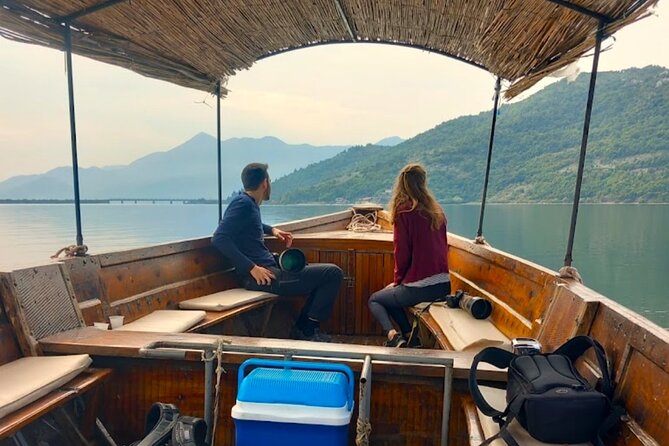
- Reed-roofed čun cruise: traditional style with a shaded roof for a comfortable morning on the lake
- Pelican spotlight: the dalmatian pelican is the lake’s symbol, but spotting it takes a bit of luck
- Small group size (up to 8): easier attention from the guide and less crowding on the water
- Practical photo setup: you’ll spend time at wildlife-viewing stops and along scenic stretches
- Guide-led identification: English (and Serbian) support with species knowledge and on-the-spot tips
- Wine and juice included: a simple local touch after a busy morning of watching birds
Entering Lake Skadar by morning light
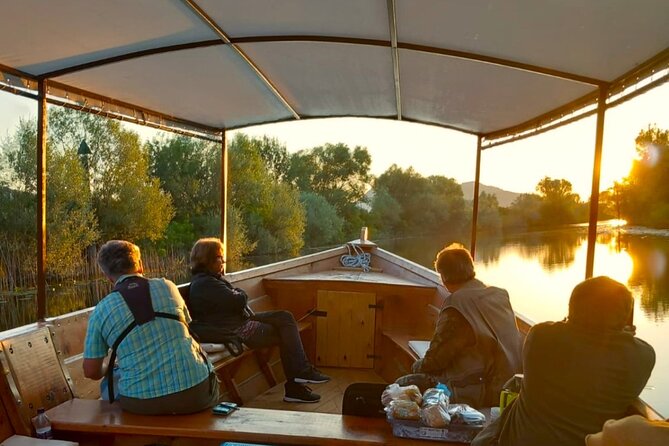
If you’re the type who gets excited by feathers, calls, and sudden wingbeats, this tour fits like it was made for you. Lake Skadar is a living ecosystem, and the experience is strongest when the light is soft and the birds are active—so you’re not just sightseeing. You’re learning how to read the lake.
The cruise starts in Virpazar, the small town on the shore. From there, you head onto the water early enough that the day feels fresh. The whole point is that birds don’t behave the same at every hour, so going at the right time gives you a better shot at watching feeding and basking.
You’ll also get a strong sense of the lake beyond the animals. Your guide shares stories about the flora and fauna, and that’s what makes the birdwatching click. It’s not random spotting—it’s understanding why these birds show up in this habitat.
From the Kingfisher desk near Virpazar’s bridge to the reed-roofed čun
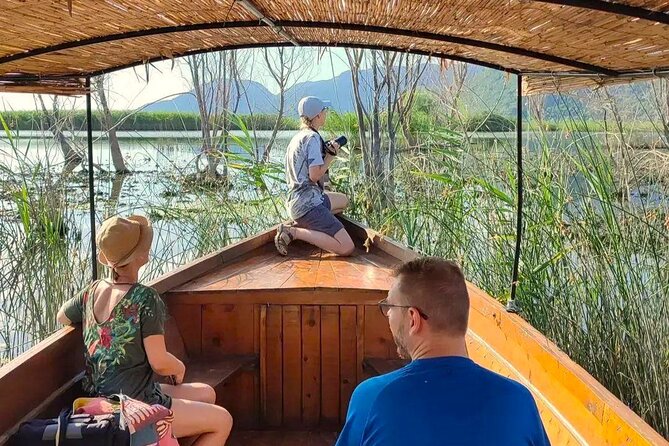
Meeting is easy, as long as you use the right map search: go to the Kingfisher information desk near the central bridge in Virpazar. Check in 15 minutes early and plan to be ready after parking. The parking situation isn’t perfect, but parking is free and public around the village (except the one near De’Andros Hotel), so don’t get talked into anything “private” at the last second.
Once you’re aboard, you’ll be on a traditional wooden boat—a čun—with a rooftop made from reeds. That reed roof matters more than you’d think. It adds shade, helps with glare, and makes the morning feel calmer, especially if the sun brightens quickly once you’re on open water.
You also have proper safety gear included, including life vests and other safety equipment. It’s not a big adventure-ride vibe; it’s a guided nature outing. Still, it’s reassuring to know you’re covered if the wind or water conditions change.
Virpazar warm-up: quick town time, then straight into the birds
Before the main boat time kicks in, there’s time for Virpazar. You get free time plus sightseeing and a walk, which is handy because Virpazar gives you context right away: this is a shore town shaped by the lake.
Then you’re back to the core activity—birdwatching on the water. The timing and pace are built for attention. You’re not rushing from viewpoint to viewpoint like a checklist tour. Instead, your guide leads you through the areas where birds tend to hang out and you follow along at a relaxed speed.
The best way to make this part work is to bring your attention with you. If you’re flipping your phone camera settings too much during transit, you’ll miss the first surprises. Early on, birds can show up quickly—one wingbeat, one dive, then another. This is when binoculars help the most.
Binocular time: what you might spot on Lake Skadar
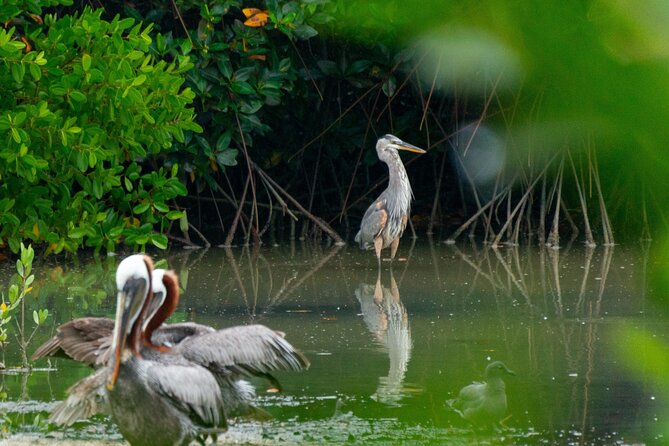
The bird list depends on the season, and your guide is the key to translating what you see into what it actually is. With the help of the guide, you’ll look for birds as they catch fish, glide along the water, or bask in the Sun.
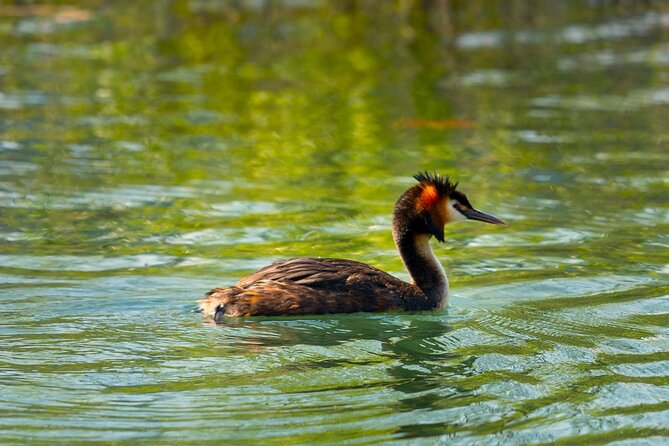
Some of the species you can realistically expect include: black cormorants, gulls, coots, kingfishers, herons, eagles, terns, and ducks. The highlight is the dalmatian pelican. It’s treated like the lake’s ambassador—famous, symbolic, and not guaranteed on every outing.
Here’s the practical part for photographers and serious birdwatchers: don’t aim for one perfect frame. Aim for momentum. If a guide signals a movement pattern—something that suggests feeding or diving—you’ll get a better sequence of shots by watching and tracking rather than constantly re-positioning from scratch.
Also note the tone of the trip. It’s meant to be respectful to wildlife, and that changes your experience. You’re less likely to feel like you’re competing with other people for the same view. In past outings, the guide approach has been described as careful and passionate, which matters when you’re trying to observe without pushing.
The stop-and-watch rhythm: National Park time and wildlife viewing anchors
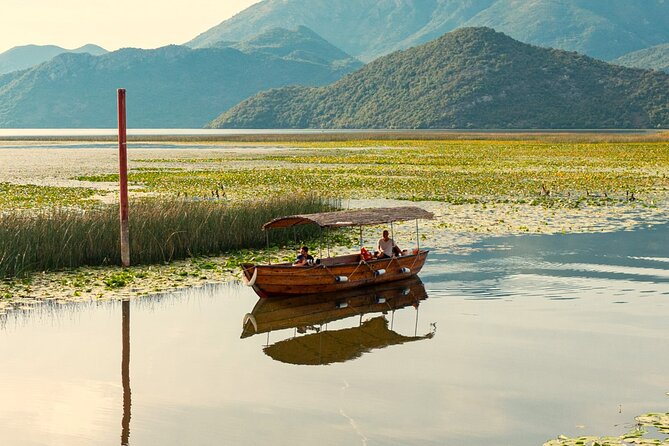
The tour keeps a smooth flow, but it’s not one long cruise. There are guided stops built into the 2-hour experience, so you get both movement and focused viewing.
After your Virpazar start, you’ll enter Skadar Lake National Park for a short guided segment. Even if you’re not a “read every sign” person, this quick introduction helps. It frames what you’ll see next: an ecosystem that supports birds through specific habitat conditions.
Then you’ll have a stretch at the points marked 7422+83, which include guided tour, boat cruise, scenic views on the way, and wildlife viewing. The exact spot names are technical, but the value is clear: these are the parts where you slow down your mental pace and look hard. You’re typically watching the water edge, scanning across the surface, and listening for activity.
Next come the named stops that feel more like “places” than just map dots: Fort Lesendro and Kamenik. Both have guided sightseeing and extended wildlife viewing time (each listed at 30 minutes). If you like travel where scenery and animals share the same frame, these stops matter. You get a bit of variation—less pure “bird spotting from one angle,” more like a guided nature walkthrough with animals in the background.
After that, there’s another return to the 7422+83 area (again with scenic cruising and wildlife viewing) and then a guided sightseeing segment on Lake Skadar before heading back to the Kingfisher boat spot.
A small practical note: because the overall tour is only 2 hours, every stop is time-managed. If you want maximum bird time, keep your binoculars handy and your camera ready before you think you’ll need them.
Fort Lesendro and Kamenik: more than just a photo break
I like how the trip balances two kinds of interest: animal watching and scenic exploration. Fort Lesendro is one of the longer stops, with guided sightseeing and wildlife viewing time together. Even without turning this into a fortress history lecture, the stop adds a sense of place. You’re not only floating; you’re learning what you’re looking at and how it fits the lake’s wider environment.
Kamenik gets the same kind of treatment—guided sightseeing plus wildlife viewing for about 30 minutes. This repetition sounds simple, but it’s actually smart. Wildlife sighting chances can change fast based on wind and bird behavior, and having time at two different named locations improves your odds of seeing something different than what you already got.
The key idea here is variety of vantage points. Birdwatching often comes down to angle: where you can see the waterline clearly, where you can scan without getting blinded by sun, and where you can watch for movement without stretching your neck for an hour. These stops help the experience feel less repetitive.
The photography and birdwatching setup that makes the difference
You’re not just handed a boat and told good luck. This is guided birdwatching with a guide who actively helps with spotting and identification. The English-language support is described as strong, and on past departures the guide (often identified as Petar or Peter) has helped guests identify birds.
That matters for your photos in a real way. When you know what you’re photographing, you tend to shoot differently. You’ll frame based on behavior—watching for dives, tracking perches, and anticipating movement.
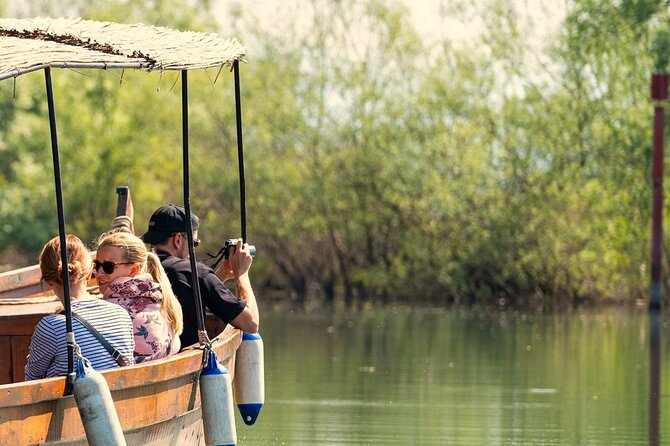
Also, the boat design helps. A reed-roofed top means you’re not directly under harsh overhead sun, which helps with both comfort and photo quality. And since it’s a small group (limited to 8 participants), you’re less likely to have a wall of people blocking your line of sight.
What to bring if you want sharp results:
- Binoculars (this is the one item most people don’t regret bringing)
- Comfortable clothes, plus a jacket (mornings on the water can feel cooler)
- Biodegradable sunscreen and water
- If you’re planning to get in the water or want the option: swimwear
And one etiquette reminder that will improve your experience: you’re not allowed to touch plants and you should not litter. It’s basic, but it also protects the habitat that attracts the birds.
Food, wine, and the small comforts that keep it pleasant
There’s no lunch included, so plan your day accordingly. But you do get refreshments: wine and juice, which is a nice touch in the middle of a short morning outing.
This matters because the tour is intense in a gentle way. You’re watching for long moments—then suddenly you’re scanning again. Having a small drink included makes the wrap-up feel relaxed without turning the trip into a party. It’s a local touch that fits the mood.
If you’re the type who likes to carry snacks, you might want to have something simple on hand for later, especially since lunch/meals aren’t included.
Price and value: why $43 feels fair here
At $43 per person for a 2-hour guided experience, I think the pricing is straightforward value—especially because several core costs are handled for you. Included items cover:
- The National Park Lake Skadar fee
- An English-speaking tour guide (also Serbian)
- Written guides in several languages plus a map
- Life vests and safety equipment
- Wine and juice
For birdwatching, guides are the difference between seeing “some birds” and actually learning what you’re seeing. With species like kingfishers and eagles on the list, having someone call out features and behaviors makes the time feel better spent.
Small group size (up to 8) also affects value. It’s easier to ask questions and easier to get attention when you’re not packed into a crowd.
You do need to accept one trade-off: it’s not a full-day expedition. If you want all-day wildlife time, this is more like a focused morning hit than a long safari day.
Who this tour suits best (and who should choose something else)
This tour is ideal if you:
- Want an efficient birdwatching experience without complicated logistics
- Like nature guides who help with identification rather than just general commentary
- Are coming from Virpazar and want something that feels authentic to Lake Skadar
- Care about photography, and want guided time at likely viewing areas
It may not be your best match if you:
- Want a long lunch-inclusive day trip
- Hate early starts or short tours
- Expect the dalmatian pelican every single time (it’s a challenge and depends on conditions)
Should you book Kingfisher’s Skadar Lake birdwatching cruise?
If your goal is birds, light, and a guide who helps you actually see what’s out there, I’d book it. The best part is how quickly it turns a place you’ve heard about into a lake you understand. The reed-roofed čun makes the ride comfortable, the small group keeps it calm, and the guide-led bird spotting—especially the pelican challenge—makes it feel earned.
If you’re deciding between leaving at a later hour or going early, go early. Early departures have a better chance to feel quiet on the water, with fewer boats and more space to watch.
One last thought: bring your binoculars even if you think you’ll rely on the camera. On Lake Skadar, a bird can look like a speck—until your lens or binoculars bring it into focus.
FAQ
Where is the meeting point?
Meet at the Kingfisher information desk near the central bridge in Virpazar. Use Google Maps search for Kingfisher Boat & Kayak – Lake Skadar, P16, Virpazar, Montenegro to find the correct spot.
How long is the tour?
The experience lasts 2 hours.
How much does it cost?
The price is $43 per person.
How big is the group?
It’s a small group, limited to 8 participants.
What languages are offered for the live guide?
The live guide is available in English and Serbian. Written guides in several languages are also included.
What’s included in the price?
Included are the National Park Lake Skadar fee, the English-speaking tour guide, written guides, a map of Lake Skadar, refreshments (wine and juice), and life vests and other safety equipment.
Are meals or lunch included?
No. Lunch/meals are not included.
What should I bring?
Bring swimwear, water, biodegradable sunscreen, a jacket, comfortable clothes, and binoculars.
What’s not allowed during the tour?
Littering and touching plants are not allowed.
What happens if weather is bad?
The tour can be canceled due to weather conditions like rain or strong winds. The operator may alter the boat used, reschedule for another day, or provide a full refund.
Is the tour refundable if I change plans?
Yes. You can cancel up to 24 hours in advance for a full refund.