REVIEW · NEDERLANDS FOTOMUSEUM
Rotterdam: National Museum of Photography Entrance Ticket
Book on GetYourGuide →Operated by Nederlands Fotomuseum · Bookable on GetYourGuide
A wall of photos can feel like time travel. At Rotterdam’s Nederlands Fotomuseum, an included audio app turns your visit into a self-guided story through Dutch photography, from the earliest era to today. You’ll also get to slow down in the Gallery of Honour, built around 99 iconic works.
I really like how the museum gives you more than just pretty images. You’re walking through a vast world of Dutch photographic heritage, including millions of photographs and 175 archives from Dutch photographers, plus an experimental section that doesn’t treat photography like a museum-only hobby. One thing to keep in mind: parts of exhibitions can lean on captions or subtitles that may not be fully in English, so you may want the audio app ready.
In This Review
- Key things to know before you go
- The included app and self-guided flow through a big museum
- Gallery of Honour: the 99-image shortcut to Dutch photographic identity
- How the museum walks you through 180 years of photography since 1842
- Changing exhibitions: planning value from 5 to 7 yearly shows
- Millions of photographs and 175 archives: what that means for your visit
- Using the audio app for photo stories (and dealing with language issues)
- Suggested way to structure your one-day visit
- Price and value: is $18 worth your time?
- Who this museum ticket suits best (and who might not)
- Should you book this Rotterdam photo museum ticket?
- FAQ
- What’s included with the Rotterdam National Museum of Photography entrance ticket?
- Is this ticket valid for one day?
- Do I get an audio guide?
- Which languages are available for the host/greeter and audio?
- Is the museum wheelchair accessible?
- Are food and drinks included?
- Can I cancel and get a full refund?
- Is reserve and pay later available?
Key things to know before you go
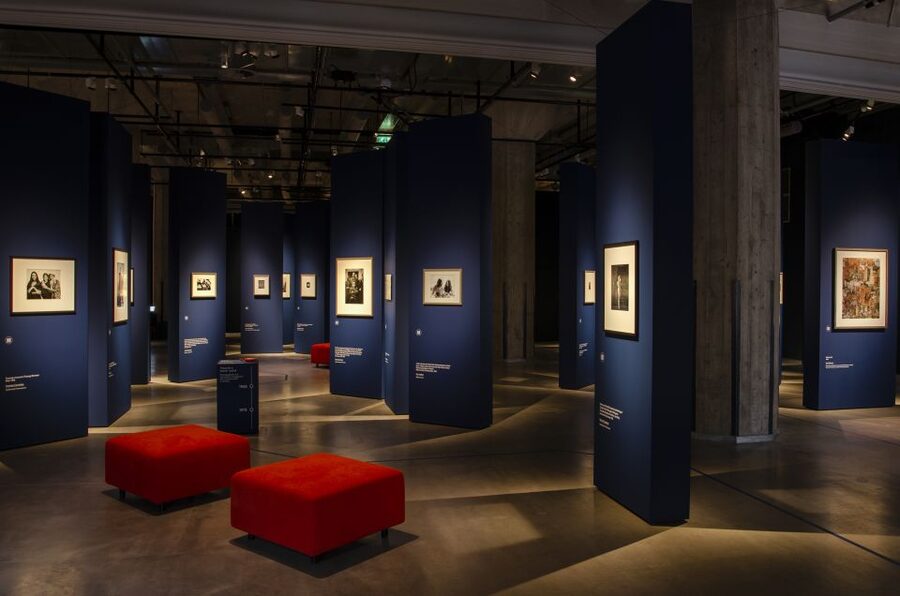
- Gallery of Honour with 99 Dutch photographic icons: a focused spine for the whole visit, tied to photography’s Dutch story since 1842.
- 180 years of Dutch photography: the museum frames the medium in one long timeline, not random highlights.
- 5 to 7 changing exhibitions yearly (plus 2 series): what you see depends on when you go, so your ticket is never a one-off repeat.
- Audio app for the stories behind the photos: it helps connect images, context, and why they matter now.
- Some exhibition text may be limited by language: if captions land in Dutch or another language, lean on the audio when you can.
- Food and drinks are not included: plan for a break outside the museum.
The included app and self-guided flow through a big museum
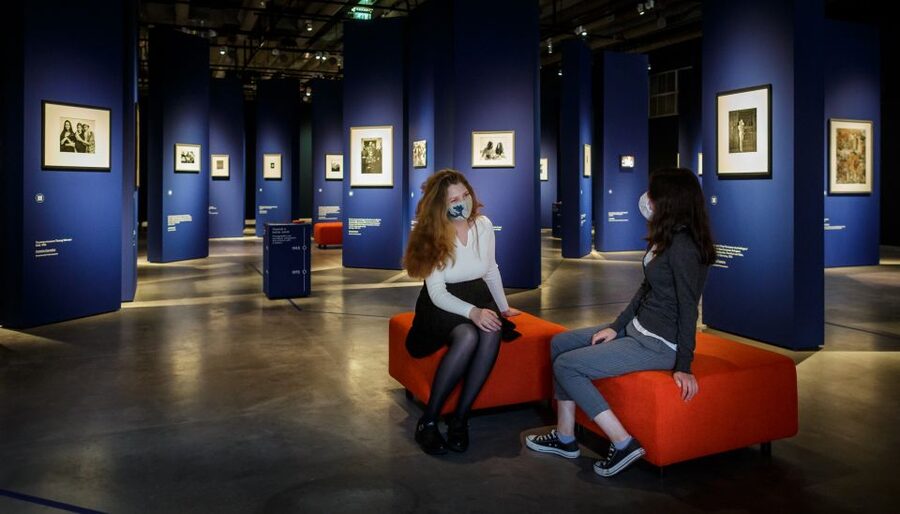
This ticket works as an entry pass into the Nederlands Fotomuseum, with the key benefit being how independent you can be. You arrive, then download the museum application for a self-guided audio tour. That app is especially helpful because you’re not just seeing a handful of framed photos—you’re moving through a photographed history with lots of supporting details.
The museum’s setup encourages pacing. Start with the history thread, then follow your curiosity toward experimental and contemporary sections. When you feel like your brain needs a breather, that’s usually where a gallery with a strong theme helps—like the Gallery of Honour.
Also, you’ve got languages covered. The audio guide is included in English and Dutch, and there’s a host/greeter in Dutch and English. That doesn’t guarantee every single caption will match your language, but it gives you a safety net for the main storytelling.
Gallery of Honour: the 99-image shortcut to Dutch photographic identity
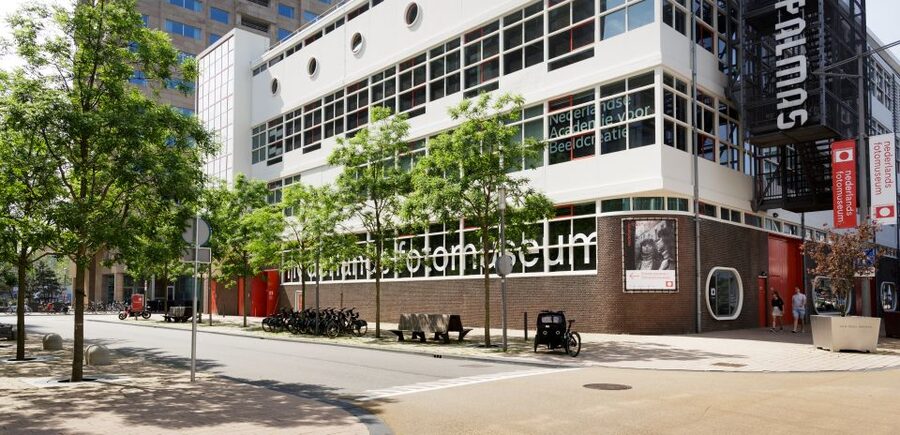
If you want one area that ties everything together, it’s the Gallery of Honour. This isn’t just a random wall of famous names. It’s designed as a guided highlight reel of Dutch photography, showing major innovations and the big steps forward in the medium.
You’ll see 99 iconic works of Dutch photographers, presented as a connected story that runs from the invention of photography era onward into today’s technological innovations. In practice, it helps to treat this room like your anchor stop. Hit it once early enough that you understand what the museum is trying to emphasize, then use it as a reference while you wander elsewhere.
The Gallery of Honour also gives you a different kind of satisfaction: you’re not only looking at individual photographs. You’re seeing how Dutch photography developed its own voice and how that voice links to broader cultural history. For photography lovers, it’s a great “map.” For history buffs, it’s a useful reminder that technology and society always travel together.
How the museum walks you through 180 years of photography since 1842
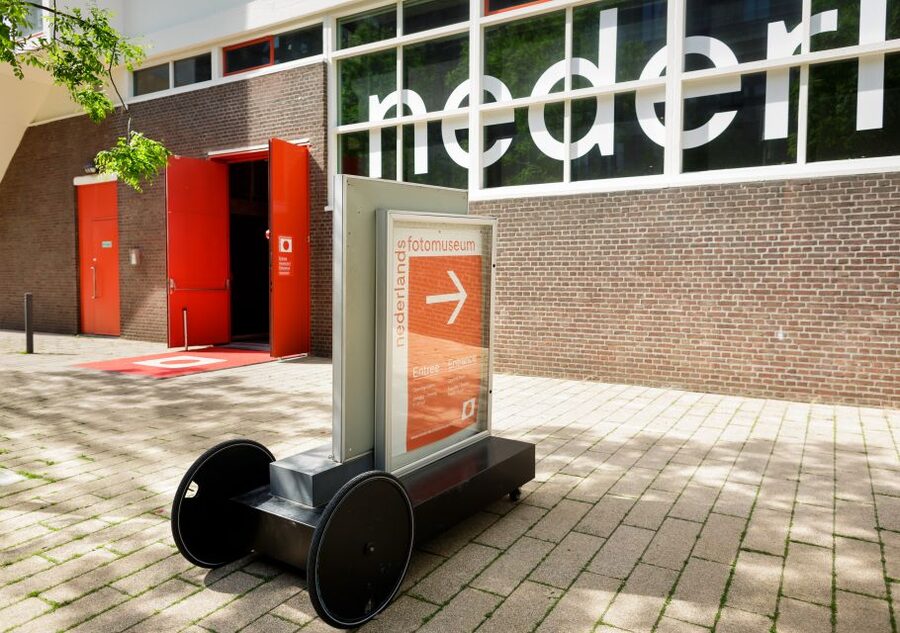
The museum’s big idea is simple: Dutch photography has a long, story-driven timeline, and the museum preserves that story in a serious way. The visit is framed around 180 years of photography in the Netherlands since 1842, so the galleries are built to connect eras rather than isolate them.
As you move through the photographed history of Holland, you’ll encounter different approaches to making images. Some sections focus on documentation and preservation. Others push toward experimental work, where you may see techniques or concepts that feel more like visual thinking than straightforward recording.
This is the part of the museum that tends to work best when you slow down. You don’t have to read every label to get value, but spending a little extra time on one or two photo stories makes the timeline click. The audio app helps with that, because it provides context behind why an image exists and what it’s saying.
And yes, the museum reaches into modern photography too. The goal is to show how the medium evolved inside the Netherlands, then connect that evolution to the international world you see today.
Changing exhibitions: planning value from 5 to 7 yearly shows
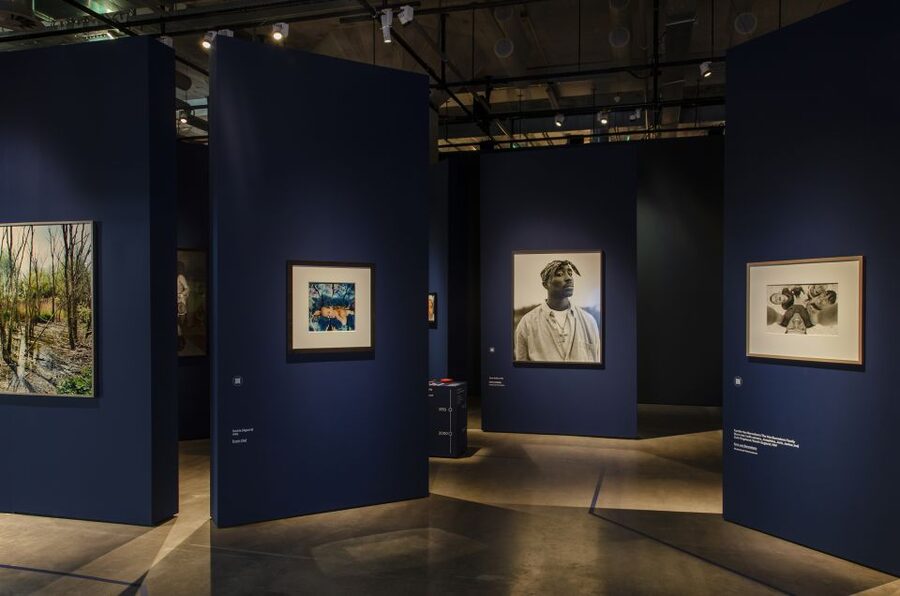
One smart advantage of this ticket is that the museum doesn’t rely only on its permanent highlights. The museum presents 5 to 7 changing exhibitions per year, plus 2 consecutive series. That means your visit can feel fresh even if you come back later.
The exhibitions often feature major Dutch photographers. In the information you’re given before you go, you’ll see examples like Ed van der Elsken and Johan van der Keuken. Even if you don’t know those names, it’s worth scanning exhibition titles and themes once you’re inside. The museum does a good job of showing photography as a living craft, not a locked-in tradition.
Practical tip: don’t force yourself to see every temporary room if you spot one exhibition that matches your mood. If you’re into photo history, lean toward the ones tied to archival storytelling. If you want more contemporary perspectives, aim for exhibitions that connect technique with modern questions.
Millions of photographs and 175 archives: what that means for your visit
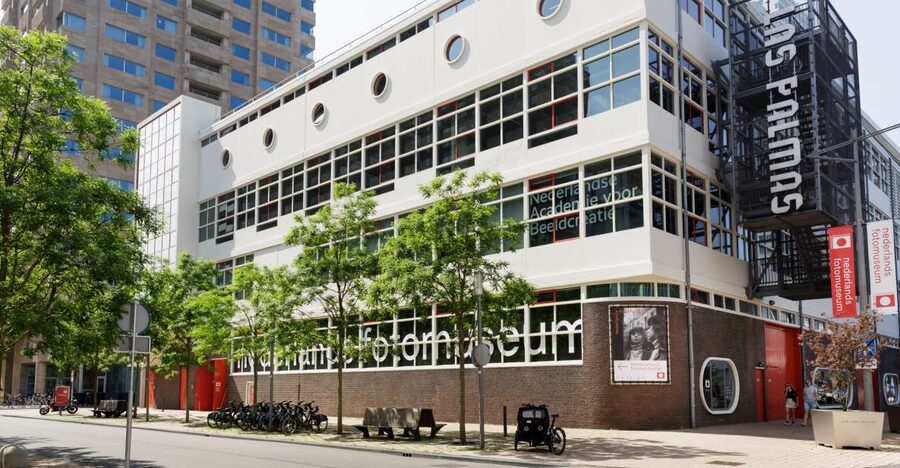
The museum is built on scale. It holds more than 6 million photographs and 175 archives linked to Dutch photographers. That number is big enough to sound like a blur, but it actually matters for the kind of museum experience you get.
With collections on that scale, the museum isn’t only showing “best-of” images. It’s preserving the background structure: how photography was made, how it circulated, and how different types of images shaped Dutch culture. When the museum talks about guardianship of photographic heritage, this is what it’s referring to—careful preservation of materials that would be easy to lose.
For you as a visitor, the value is choice. You can spend most of your time in the permanent anchor rooms if you want a clear path. Or you can follow the app into specific photo stories and let those details guide your pacing.
One note: when a museum has this much material, it also means you may feel the “mass” of the collection. The trick is to use the app. It helps you avoid wandering without purpose.
Using the audio app for photo stories (and dealing with language issues)
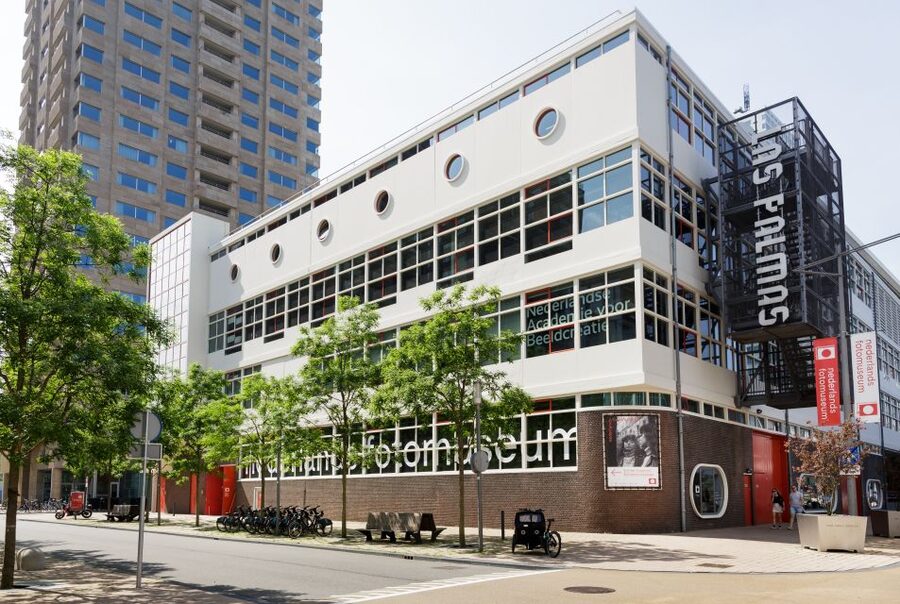
The audio app is included, and it’s a big part of how you’ll get meaning from what you see. The museum highlights the stories behind iconic photos, and that’s exactly where audio tends to help. A caption can give facts; audio can give connection.
But here’s the honest caution. Some photo narratives depend on wall text, captions, or subtitles tied to the subject matter. In at least one experience, images about Turkish women who moved to Holland came with subtitles that weren’t consistently in English, making the whole story harder to follow. That doesn’t mean the museum lacks language support, but it does mean you should pay attention to what language you’re reading in.
How to handle it:
- If you see captions that don’t match your language, switch your focus to the audio app and let that carry the context.
- In rooms with heavy text, give yourself extra time to read what you can, then use the audio to fill gaps.
- If a room doesn’t feel understandable on first pass, step out and come back later with a clearer mood and audio plan.
If you’re the type who likes stories more than just visuals, you’ll likely get a lot out of the app. If you mainly scan images, you might still enjoy the permanent Gallery of Honour, but the audio will decide how connected your visit feels.
Suggested way to structure your one-day visit
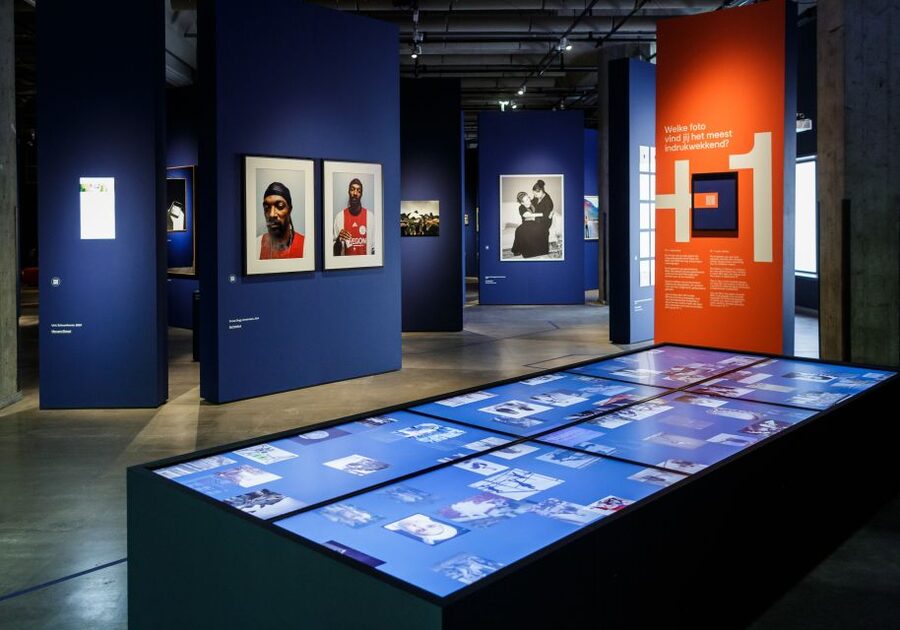
This ticket is valid for one day, but you’ll want to check availability for starting times since timing can affect entry windows. Once you arrive, your goal is to make the day feel intentional, not rushed.
Here’s a practical flow you can copy:
- Begin with the photographed history route so you understand the timeline framework.
- Keep an eye out for experimental work, since it can shift your mindset quickly.
- Save the Gallery of Honour as either an early anchor (so the rest feels guided) or a late reward (so you end with the museum’s clearest “greatest hits” structure).
- Use temporary exhibitions to customize your visit. Pick one or two rooms that match what you want most that day.
Where this plan shines is it prevents decision fatigue. With millions of images in the background, you need a direction. The museum already gives you one—history first, then you can branch into style and technique.
Also remember: this is a photo museum. Plan for time in front of images. Don’t schedule the next thing right after your ticket ends unless you’re used to museum pacing.
Price and value: is $18 worth your time?
At $18 per person, the ticket is priced like a serious museum visit without going into sky-high territory. The value question comes down to how you like to travel.
If you enjoy self-guided wandering with a strong audio aid, you’ll likely feel good about this ticket. You get entry to the permanent Gallery of Honour and rotating temporary exhibitions, plus the app to turn pictures into stories. That combination is often where museum tickets feel justified—access plus context.
If you’re expecting a hands-on, tech-heavy experience with lots of interactive surprises, you might find the pace different than you imagined. The museum’s emphasis is photographic history, preservation, and archival storytelling. That can be deeply satisfying, but it’s not the same as a blockbuster science exhibit.
Also factor in what you do outside the museum. Food and drinks aren’t included, so you’ll want to budget for a break. For many people, that’s a minor add-on. For others, it’s the part that changes the math.
Who this museum ticket suits best (and who might not)
You’ll likely love this ticket if:
- You care about Dutch culture and how photography documents it.
- You want a museum that connects the invention and evolution of photography to real-world context.
- You like self-guided learning, especially when an audio app provides the story behind the visuals.
You might think twice if:
- You want everything explained in one language, start to finish.
- You need very hands-on activities to feel engaged.
- You’re visiting mainly for casual “look at cool photos” browsing and not for the historical backbone.
One more subtle point: this museum rewards curiosity. If you’re willing to spend time with a smaller number of rooms rather than trying to see everything fast, you’ll probably feel happier with the overall experience.
Should you book this Rotterdam photo museum ticket?
Book it if you want an organized day inside Dutch photographic heritage, with the Gallery of Honour as your anchor and an audio app to connect images to context. The ticket makes sense for couples, solo visitors, and anyone who likes photo history more than photo selfies.
Hold off if language clarity is a dealbreaker for you. Since some exhibition materials can be captioned in languages beyond English, you should be comfortable relying on the included audio and your ability to adapt when wall text isn’t in your preferred language.
If your trip includes Rotterdam and you have even a moderate interest in how photography records culture over time, this is a solid use of your day.
FAQ
What’s included with the Rotterdam National Museum of Photography entrance ticket?
The ticket includes entrance to the permanent Gallery of Honour and rotating temporary exhibitions, plus an application and exhibition guides if available.
Is this ticket valid for one day?
Yes. The ticket is valid for 1 day. Starting times depend on availability, so check available time slots.
Do I get an audio guide?
Yes. An audio guide is included via the app, with English and Dutch language options.
Which languages are available for the host/greeter and audio?
The host or greeter is available in Dutch and English, and the audio guide is included in English and Dutch.
Is the museum wheelchair accessible?
Yes. The museum is wheelchair accessible.
Are food and drinks included?
No. Food and drinks are not included.
Can I cancel and get a full refund?
Yes. Free cancellation is available up to 24 hours in advance for a full refund.
Is reserve and pay later available?
Yes. You can reserve now and pay later, meaning you can book without paying today.