REVIEW · ROME
Rome, Private Sunset and Night Photography Guided Tour
Book on Viator →Operated by Rome Photography Tours · Bookable on Viator
Rome at dusk is when the city starts behaving like a camera. This private sunset and night photography tour turns the usual sightseeing crawl into a guided, teach-you-by-doing shoot with real low-light strategy. You’ll move through classic scenes and learn how to make them work, not just point and hope.
Two things I especially like: you get a hands-on lesson focused on low light and long exposures, and the tour is sized and paced for learning (it’s private, just your group). One possible drawback: you must bring your own camera, and some landmarks have admission not included, so your planning should account for that.
If you’re using a phone, a point-and-shoot, or an SLR, the approach stays practical: what to set, what to avoid, and how to frame Rome when darkness arrives. In the guide lineup, Antonio and Luigi both show up in the feedback as patient teachers who slow down when needed.
In This Review
- Key Highlights at a Glance
- Why This Sunset-to-Night Photo Tour Works So Well
- Meeting at Largo di Torre Argentina (and Getting Your Gear Ready)
- Pantheon at Dusk: Learning to Control Exposure in Real Time
- Piazza Navona: Turning Classic Rome Into Symmetry and Color
- Via dei Coronari: Small Streets, Big Learning
- Sant’Angelo: Long-Exposure Reality Check by the River
- St. Peter’s Square: Bright Lights, Starry Challenges, and Scale
- Campo de’ Fiori: Night Mood Without the Monument Pressure
- Area Sacra di Largo Argentina: The Final Frames and a Different Kind of Atmosphere
- Gear and Technique: Tripod Help, Phone-Friendly Coaching, and Long Exposures
- Price and Value: What $216.29 Gets You in Rome
- Weather, Timing, and Comfort (Small Things That Matter)
- Who This Tour Suits Best (and Who Might Skip It)
- Should You Book This Rome Sunset and Night Photography Tour?
- FAQ
- How long is the Rome Private Sunset and Night Photography Guided Tour?
- What time does the tour run?
- Where is the meeting point, and where does it end?
- Is this a private tour?
- Do I need to bring a camera?
- Are entrance tickets included for all stops?
Key Highlights at a Glance
- Low-light + long exposure coaching that’s designed for beginners and useful for improving photographers
- Private, customized pace so you can spend more time where your photos are lagging
- Tripod support if you don’t have one, which matters a lot for night shots
- A smart photo route through Pantheon, Piazza Navona, Via dei Coronari, Sant’Angelo, St. Peter’s Square, Campo de’ Fiori, and Largo Argentina
- Flexible gear options: iPhone to SLR, with guidance to match what you’re using
Why This Sunset-to-Night Photo Tour Works So Well
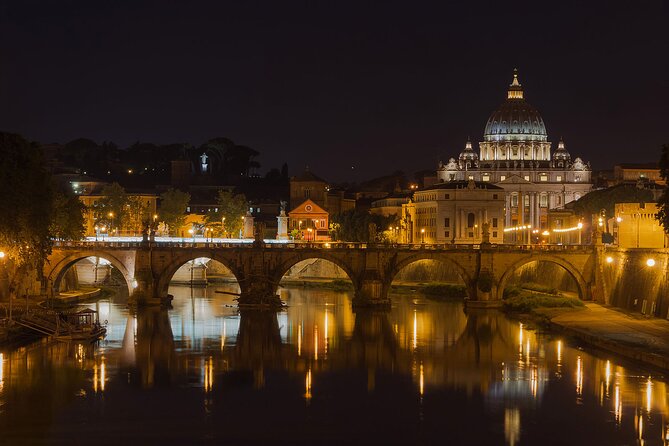
Sunset photography is half lighting and half decision-making. This tour is built around the moment Rome changes from warm daylight to dramatic, light-on-stone night. That means you’re not waiting around while your camera struggles. You’re learning how to control the exposure as the light drops.
The first win is the focus on technique you can actually use fast: how to shoot in low light and how to handle long exposures without turning every frame into a blurry mess. The second win is that the tour is private and customized, so the guide can adjust to your style and your skill level instead of rushing you through photo checkpoints.
One more practical advantage: the meeting point keeps you central and walkable for this kind of route. You start at Largo di Torre Argentina and finish back there, which is helpful when you’re managing timing with sunset. Also, the tour runs nightly (7:30 PM to 10:30 PM), so you can plan around your dinner schedule rather than squeezing a photo session into your daytime sightseeing.
You can also read our reviews of more tours and experiences in Rome.
Meeting at Largo di Torre Argentina (and Getting Your Gear Ready)
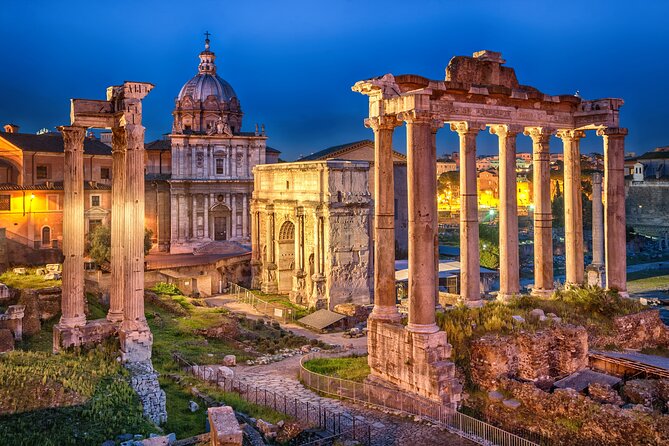
You meet at Largo di Torre Argentina, 8 (00186 Roma RM). The tour ends back at the meeting point, so you’re not mentally tracking a far-off drop-off.
Before you even step into the first lighting situation, make this easy win: confirm your camera settings and bring what you can stabilize with. Even if the tour provides a tripod if you don’t have one, you’ll do better if you come prepared with the basics already set up. That includes knowing how to switch modes (manual/priority, or whatever your camera supports) and how to quickly adjust exposure settings.
This matters because sunset-to-night is a moving target. In the first part of the walk, you’ll likely still have enough light to test exposures. Later, you’ll need to rely on longer shutter speeds and steadier framing. If you’re fumbling with menus when the city hits its best lighting, your photos will feel rushed—even if the guide is patient.
Tip I strongly recommend: if you’re bringing an iPhone or a point-and-shoot, don’t try to force it into a setting you don’t understand. Instead, ask the guide how to get similar results with your device. The feedback specifically notes that guides help with features you might not know you have.
Pantheon at Dusk: Learning to Control Exposure in Real Time
The first major stop is the Pantheon area. The time slot is short—about 20 minutes—so this is where your guide’s teaching style really matters. You’re not spending the whole visit sightseeing inside; you’re using the exterior lighting and surrounding angles to practice.
The Pantheon is a gift for photographers because it’s all geometry and contrast. At sunset, the building’s surfaces show soft gradients instead of harsh daylight flatness. Once the sky darkens, bright points of artificial lighting start to create a different kind of drama, which is exactly where low-light technique becomes the difference between “nice” and “wow.”
What you’ll likely focus on here
- Getting a workable exposure before light disappears
- Practicing how long exposures behave in a real street environment (people move, lights flicker, and the camera can only do so much)
- Learning how to frame so the scene includes Rome’s character without turning into a blurry jumble
Possible drawback: Pantheon admission is not included, so if you want to include interior shots, you may need separate planning. If you’d rather focus only on exterior practice, that’s still a solid approach because the timing is tight and the rest of the tour continues the night learning.
Piazza Navona: Turning Classic Rome Into Symmetry and Color
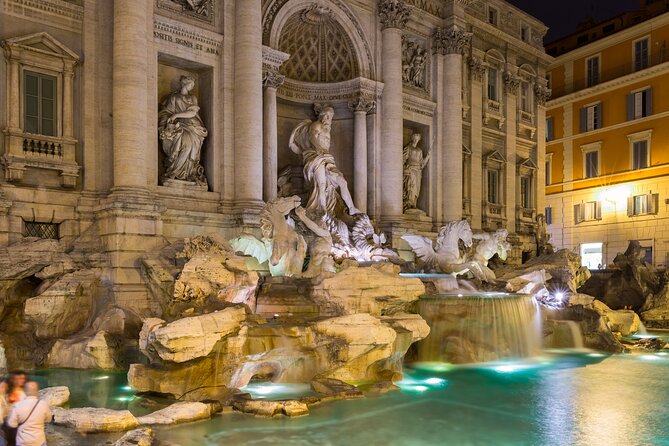
Next up is Piazza Navona, with about 20 minutes of photo time. Piazza Navona is famous for a reason: it gives you strong lines, open space, and lighting that behaves well at night.
This is the stop where you can practice two things that make night photos look intentional:
1) aligning the scene so it feels balanced (yes, even if the center is crowded)
2) choosing shutter speeds that keep key shapes sharp while allowing a little softness where it helps
In a practical photo lesson, Piazza Navona also gives you subjects at different depths. That means your guide can help you think about what to prioritize. Do you want the whole square crisp, or do you want a calmer background while the foreground stands out? Those are real creative choices, not vague theory.
Admission is listed as free, so you’re not paying extra to spend time here. That said, it can still be busy in the evening, so expect to work around foot traffic and use timing to your advantage.
Via dei Coronari: Small Streets, Big Learning
You’ll then head to Via dei Coronari for about 10 minutes. This street is where you learn how night photography changes when the environment shrinks.
In short order, you’ll face a common problem: your camera wants to expose the whole street, but you want a small slice of it. A short stop like this is helpful for beginners because it pushes you to simplify your framing. For more experienced photographers, it’s a useful drill for refining composition under time pressure.
This stop is less about grand monuments and more about details: doorways, texture, and light bouncing off walls. It’s also where you can experiment with longer exposures to see whether motion from people improves the mood or ruins the subject. A good guide will help you judge when to go longer and when to shorten up to keep your lines clean.
Admission is free, so you can focus on photographing rather than managing tickets.
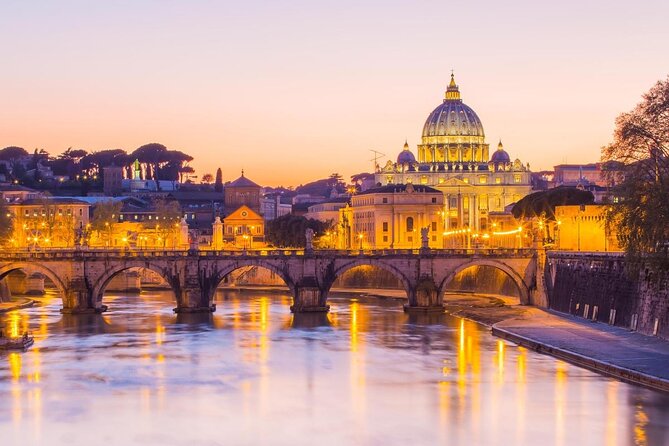
Sant’Angelo: Long-Exposure Reality Check by the River
After Via dei Coronari, you’ll spend about 20 minutes at Sant’Angelo. This is one of the best places in Rome for night photography because the water and the lights introduce reflections. Reflections can double the impact of your photo, but they also reveal flaws quickly (blur, misalignment, or exposure errors).
Sant’Angelo also comes with a planning note: admission is not included. For many people, that’s fine because you can still make strong images from the outside areas. Just make sure you know which shots require access and which don’t.
This is where long-exposure technique stops being abstract. For example, if you’re photographing river-side lights, longer shutter speeds can smooth out motion and enhance reflections. But if you go too long without stabilizing, your image will turn smeary instead of cinematic. If the tour provides a tripod when you don’t have one, this is exactly when you’ll benefit. Tripods aren’t just for “serious photographers.” They’re for getting sharp results when light drops.
St. Peter’s Square: Bright Lights, Starry Challenges, and Scale
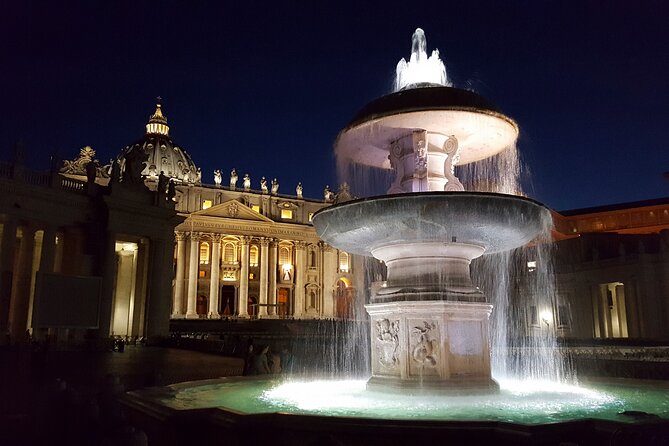
Next, you’ll spend around 20 minutes at St. Peter’s Square. This stop is visually massive, which is both good and tricky. Bright lights help your exposure, but they also tempt you to overexpose highlights. Under night conditions, that can flatten your scene and wash out key details.
A good photography lesson here helps you:
- avoid blowing out the brightest areas
- use exposure decisions to preserve texture
- keep your perspective true even as crowds move through the frame
Admission is free for this stop, so you can focus entirely on shooting. The challenge is purely environmental: the scene is big, people move, and the best angles can require patience. The tour time is limited, so you’ll want to start with a plan: choose one or two compositions you can refine quickly instead of trying to photograph everything at once.
Campo de’ Fiori: Night Mood Without the Monument Pressure
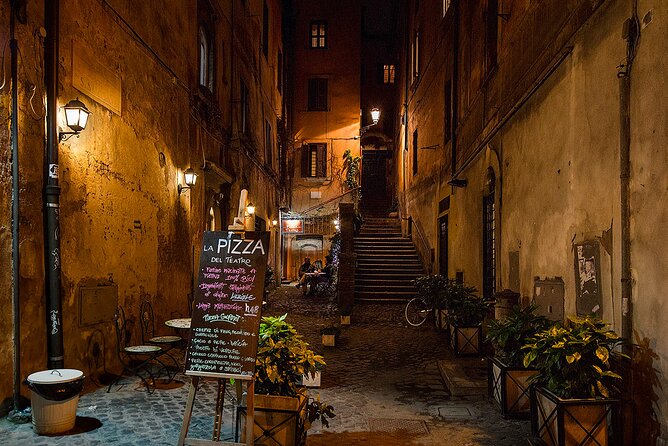
Then you’ll go to Campo de’ Fiori for about 20 minutes. This location is a nice change of pace because it feels more everyday and human-scaled than the grand monuments. At night, that means the lighting feels less “museum-like” and more like Rome living its normal evening life.
For photography, this is an ideal testing ground. You can practice how your camera handles mixed light sources—street lighting, window light, and whatever else is happening in the square. It’s also a chance to get more candid-feeling shots while still using a steady technique.
One reason I like having a stop like this mid-to-late tour: it helps you use what you learned earlier. If you’ve been practicing longer exposures around bridges or reflections, Campo de’ Fiori is where you can adjust: maybe go shorter for sharper people details or keep it longer to soften the background and emphasize lighting patterns.
Admission is free, and you’ll have enough time to try a few settings and compare results.
Area Sacra di Largo Argentina: The Final Frames and a Different Kind of Atmosphere
Your last notable photo stop is Area Sacra di Largo Argentina for about 20 minutes. This is a strong end-of-tour location because it often offers a calmer vibe than the busiest squares, plus it gives you a different texture and lighting angle to work with.
It’s also a helpful finale because by now you’ve likely moved from “What do I set?” to “What do I want this photo to feel like?” That shift is the whole point of a teaching tour. You stop treating the camera like a lottery ticket and start treating it like a tool.
Admission is listed as free for this stop, so you can spend your time on shooting instead of planning entrances.
End back at the meeting point means you can reorient, check your memory cards, and review shots while you’re still in photo mode rather than commuting home.
Gear and Technique: Tripod Help, Phone-Friendly Coaching, and Long Exposures
Even if you’re a beginner, you’ll get more out of this tour if you treat it as a lesson with drills, not a walk where someone points out sights.
Here’s the gear reality as presented: bring your own camera. The tour includes a tripod if you don’t have one, which is a big deal for night photography. Many night problems come down to one thing: your shutter speed gets long, your hands move, and the camera records motion as blur. A tripod doesn’t magically fix composition, but it fixes a lot of technical frustration.
For how the lesson fits different devices: the tour is designed to support iPhone, point-and-shoot, and SLR users, and the guide is expected to help you find features on your camera that you might not have known about. That’s extremely practical. Most people don’t fail night photography because they lack talent. They fail because they don’t know their gear’s real options.
If you want to be extra prepared, spend a couple minutes before the tour thinking about:
- how you’ll stabilize (tripod, using a wall, bracing your stance)
- which mode you’ll use (if you know it)
- how you’ll recover quickly when you get settings wrong
In a 3-hour session, you don’t have time to relearn everything from scratch. A good guide helps you pick the right adjustments and then practice them immediately at real locations with changing light.
Price and Value: What $216.29 Gets You in Rome
At $216.29 per person for about 3 hours, you’re paying for something more specific than generic sightseeing. You’re paying for:
- a private teaching session tailored to your group
- a guided route through major photo zones
- instruction focused on low light and long exposures
- tripod support if needed
- a customized tour approach
Here’s how to think about value. If you’re already a confident photographer, you might still benefit, but your biggest gains will likely be technical tweaks in night conditions. If you’re a beginner, the value is higher because you’re not buying “time in Rome,” you’re buying an efficient way to learn what settings actually do in real darkness.
Admission isn’t fully included. Pantheon and Sant’Angelo are not included, while several other photo stops are free. That means your total trip cost can rise a bit if you add interior access. The good news is that the photo teaching still works with exterior compositions, and the schedule gives you time for shooting at each site.
Weather, Timing, and Comfort (Small Things That Matter)
This is a good-weather required experience. That’s not a footnote; for night photography, weather is the whole ballgame. Rain and heavy clouds can change the mood fast, and poor conditions can affect whether the tour runs.
Timing is also important. It’s offered daily between 7:30 PM and 10:30 PM, which keeps you aligned with the sunset-to-night transition window when your guide’s teaching is most useful.
If you get cold easily, plan for it. Rome nights can feel cooler than you expect, especially once the sun drops and you’re standing still framing shots. Bringing a layer you can put on quickly is one of those boring choices that makes the tour more enjoyable.
Also, the tour is near public transportation, and service animals are allowed. It’s generally set up so you can meet and go without complex logistics.
Who This Tour Suits Best (and Who Might Skip It)
This experience is a strong fit if you want to leave Rome with better photos and a clearer understanding of what your camera is doing at night. It’s also a good match if you like structure: you’ll have specific time blocks at each location rather than wandering and guessing.
You’ll also likely enjoy it if:
- you’re a beginner who needs low-light guidance
- you’re improving and want long exposure coaching without trial-and-error for hours
- you want a private, patient guide who can slow down and explain
You might not love it if you’re only interested in casual sightseeing and don’t care about camera settings at all. A photo lesson takes some focus, and the tour’s power comes from practicing techniques at each stop.
Should You Book This Rome Sunset and Night Photography Tour?
I’d book this tour if you want a guided photo education tied to real Rome locations—especially if night photography has been frustrating you. The route covers major photo-ready areas, the teaching targets low light and long exposures, and the tripod help makes it easier to succeed even if you’re not traveling with full gear.
I’d pause before booking if you don’t plan to bring your own camera or you’re hoping for a mostly relaxed monument walk with no emphasis on technique. Also, account for the fact that some admissions aren’t included, so think about whether you’ll want interior access at Pantheon or Sant’Angelo.
If you do book, go in ready to practice. In a tour like this, your best photos usually come from one simple thing: you try the same idea more than once, as the light changes.
FAQ
How long is the Rome Private Sunset and Night Photography Guided Tour?
The tour lasts about 3 hours.
What time does the tour run?
It runs daily from 7:30 PM to 10:30 PM.
Where is the meeting point, and where does it end?
You meet at Largo di Torre Argentina, 8, 00186 Roma RM, Italy, and the tour ends back at the same meeting point.
Is this a private tour?
Yes. It’s private, and only your group participates.
Do I need to bring a camera?
Yes. You must bring your own camera.
Are entrance tickets included for all stops?
No. Admission is not included for the Pantheon and Sant’Angelo. Other stops listed are free, but you’ll need to plan separately for those two.