
REVIEW · MUMBAI
Private Dharavi Slum Photography Tour With Pickup
Book on Viator →Operated by Young Tours And Travel · Bookable on Viator
Dharavi is a photo story with real stakes. This private photography-focused tour is built around seeing the neighborhood as it actually is, with a guide from Dharavi and time spent in day-to-day spaces. Pickup helps you start smoothly, and local access is the whole point.
I especially like that the guides are from Dharavi, so you get context that you simply won’t get from an outsider’s script. I also like the way the tour frames Dharavi as a working area with schools, factories, hospitals, and community spaces, not just a single-word label.
One thing to keep an eye on: the advertised length is 3–4 hours, but there is at least one report of the experience ending after a little more than an hour. If timing matters for your schedule, double-check what your exact booking includes.
In This Review
- Key highlights you’ll feel on the ground
- Why this Dharavi photography tour feels different
- Meet-up, pickup, and how to avoid Mumbai-time stress
- Stop 1: Dharavi as a working city, not a single image
- What to consider at Dharavi
- Taking photos in real homes: rules that matter
- The guide connection: when Sahil is involved
- Stop 2: Kumbharwada pottery village in 20 minutes
- Why that short pottery stop still helps
- Time, duration, and price: what $14 can realistically buy
- Logistics that matter: where you start and where you end
- Who this private Dharavi photo tour fits best
- Should you book it?
- FAQ
- FAQ
- How long is the private Dharavi slum photography tour?
- Is this tour private or shared?
- Is pickup offered?
- Where do we meet at the start of the tour?
- Where does the tour end?
- What are the stops included in the tour?
- Do I need to buy admission tickets?
- Will I get confirmation after booking?
- Can I cancel for a full refund?
Key highlights you’ll feel on the ground
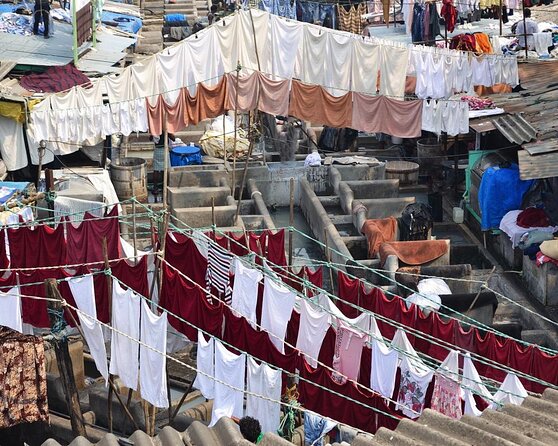
- Local guides from Dharavi who can explain what you’re seeing, not just where to stand
- Pickup available to reduce the friction of getting to the start point
- Dharavi as a 1-million-plus community with schools, hospitals, factories, playgrounds, and theatres
- Kumbharwada pottery village stop focused on how pots are made and how craft shapes the spaces
- Private tour for your group so you can move at a pace that fits your photos
- Mobile ticket and free admission tickets for the listed stops
Why this Dharavi photography tour feels different
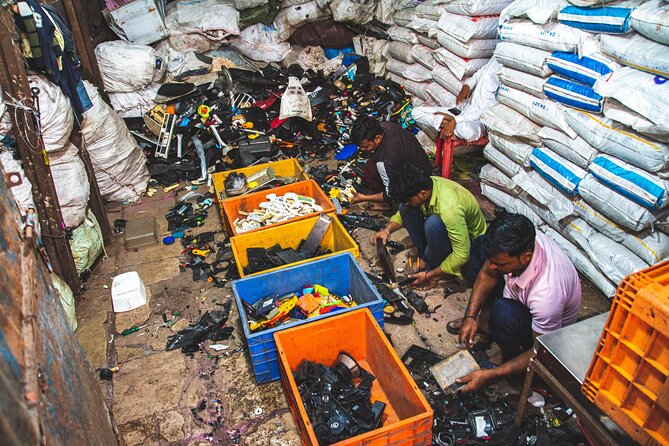
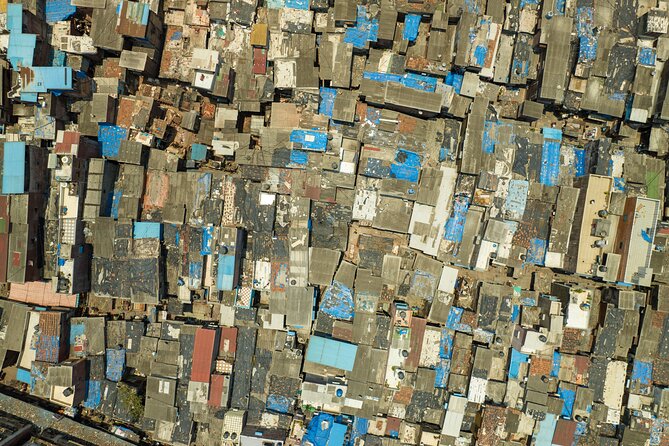
Dharavi gets misunderstood a lot. The tour’s angle is that this is not just a slum scene—it’s a densely packed neighborhood (nearly 2.7 sq km) that functions like a city inside Mumbai, with over 1 million people and a mix of everyday services.
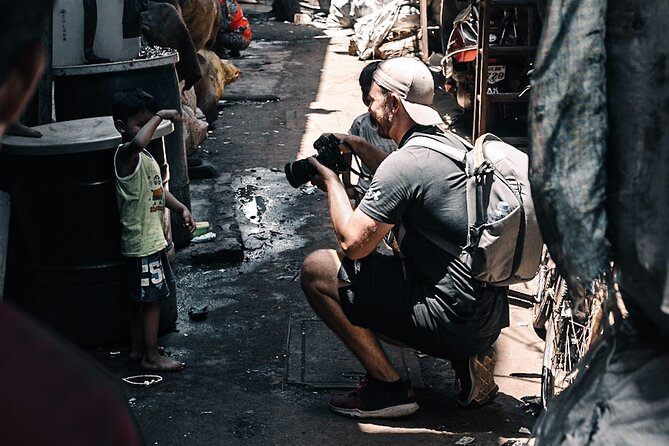
What makes the experience interesting is that it’s designed around real spaces: you’re not only looking from the sidewalk. The operator also emphasizes safety steps and respectful access, including taking visitors inside local houses so you can see daily routines in context. That can make a big difference if your goal is photography with meaning, not just quick pictures.
Also, this isn’t a huge, open-to-everyone wandering tour. It’s private, meaning only your group participates, so you’ll likely have more control over pacing and questions. That matters when the people and spaces you’re photographing are part of daily life.
Meet-up, pickup, and how to avoid Mumbai-time stress
You start at a very specific place: Third Wave Coffee, Tip Road, Unit no. 58, Ground, Ram Mahal, Senapati Bapat Marg, Marinagar Colony, Station, Mahim, Mumbai, Maharashtra 400016. The tour ends at Young Tours & Travel, 90 Feet Rd, Muslim Nagar, Kumbhar Wada, Dharavi, Mumbai, Maharashtra 400017, and that ending point is meant to be convenient for local transportation.
Pickup is listed as offered, which is a practical win. Mumbai’s traffic and route changes can turn a “short” delay into a long one, so starting with pickup can help you stay on the right track for your 3–4 hour window.
You’ll also get a mobile ticket, and the company states you’ll receive confirmation at the time of booking. That combination usually means less scrambling on the day.
One more practical note: the meeting points are described as near public transportation. That’s good news if you’re adapting last-minute. If your pickup details aren’t clear, you can still get yourself to the start area without feeling stranded.
Stop 1: Dharavi as a working city, not a single image
The core of the tour is Dharavi, positioned as an underappreciated part of Mumbai that people often judge without understanding. The operator gives numbers to shift your mindset: the area includes more than 7 schools, over 1500 single-room factories, and public and private hospitals, plus playgrounds, theatres, and more.
On a photography tour, these details change what you pay attention to. Instead of hunting for one dramatic scene, you start noticing patterns: work happening in small spaces, services close to homes, and a mix of people using shared areas for school, health, and recreation. Even if you’re only using a smartphone, that “city-with-systems” view helps you photograph with purpose.
The listed time for this first stop is about 2 hours, which is long enough to get a rhythm. You’re not just being marched through. You have time to settle into the area, compare light and angles, and ask questions when you don’t understand what a space is for.
What to consider at Dharavi
This is also the part where you need to be extra careful about expectations. A neighborhood like this is active, and photography requires consent and respect in real time. The tour’s emphasis on safety and precautions is a helpful sign, but you should still be ready for moments when access changes depending on what’s happening around you.
And remember the earlier timing concern: if you book based on a longer photography window, make sure your plan aligns with the actual pace. One short-visit complaint exists, so treat timing as something to confirm.
Taking photos in real homes: rules that matter
This tour is described as including time inside local houses, which is a big part of why people value it. It’s also where photography can get complicated fast, because you’re not photographing a landmark you can stand back from. You’re photographing people living their day.
So go in with a simple mindset:
- Keep your camera behavior calm and slow.
- Ask first when it’s not clearly okay.
- Treat privacy like it’s part of your shot.
The tour claims guides will offer education about life in Dharavi, including challenges and beauty. If that’s done well, it’s not just storytelling—it guides how and where you point your lens. A good guide helps you avoid the awkward moments and get stronger photos because you’re understanding the spaces, not just recording them.
The guide connection: when Sahil is involved
One review highlights a guide named Sahil as excellent. That’s a useful clue about what the best version of this tour can feel like: clear explanations, good photo guidance, and smoother pacing. You can’t assume the same guide every time, but it’s a strong signal that the operator’s human factor matters.
Stop 2: Kumbharwada pottery village in 20 minutes
The second stop is Kumbharwada, described as a pottery village in Dharavi formed by migrant communities from Gujarat in the late 19th century. This is where the tour shifts from daily life to craft—how traditions travel, take root, and shape a neighborhood’s layout.
The idea here is also architectural and practical, not only cultural. The tour focuses on the stages involved in creating pots and other products at Kumbharwada and how each stage affects the usage and characteristics of the spaces. That’s exactly the kind of detail photographers love: you can photograph tools and hands at different steps, then relate it to where those steps happen.
The listed time is about 20 minutes, which is short. That means this stop works best if you’re ready to move quickly and make decisions on the spot. If you’re hoping for a slow, in-depth workshop-style experience, this segment may feel like a highlight stop rather than a full craft session.
Why that short pottery stop still helps
Even in a short window, craft gives context to Dharavi’s working economy. Factories and skills aren’t separate from homes here—they mix. Seeing pottery production for a brief moment helps you connect the earlier “city within a city” framing to something tangible: materials, process, and community tradition.
Time, duration, and price: what $14 can realistically buy
The price listed is $14 per person, with an average booking window of 16 days in advance, and a duration of about 3 to 4 hours. On paper, that’s strong value, especially because admission tickets for the listed stops are free.
But photography tours live and die by time on the ground. There’s a critical consideration: one complaint describes a much shorter experience than advertised, with a high price paid for the time actually delivered. Even if that’s not typical, it’s the kind of mismatch you want to prevent.
Here’s how to protect your value:
- Confirm the expected total time you’ll be out after pickup, not just the time at locations.
- Ask if your booking is truly private for your group and what “photo tour” timing includes.
- Plan your day with a buffer, especially if you’re stacking other activities.
If the tour runs at the stated pace, the value math looks good: two hours at Dharavi plus additional time for pickup, movement, and the Kumbharwada stop. The private format also means you’re paying for guidance and access, not just being walked to photo spots.
Logistics that matter: where you start and where you end
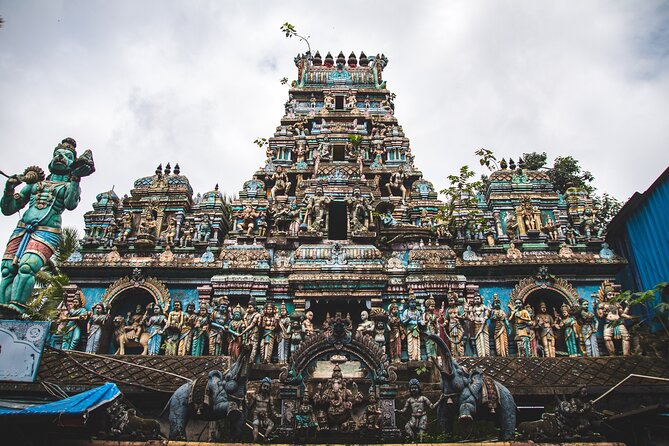
Knowing the end point helps your day. The tour finishes at Young Tours & Travel on 90 Feet Rd, in Muslim Nagar near Kumbhar Wada. The info says you can get local transportation easily from there. That’s useful because your exit matters as much as your entry in a place like Dharavi.
Also, because the start point is Third Wave Coffee in Mahim, you can usually tie it into an overall Mumbai plan. Mahim has solid connectivity compared to random side streets, and that can make meeting day less stressful.
One more small benefit: the tour is described as near public transportation. So if pickup timing gets tricky, you have a fallback route to reach the start area.
Who this private Dharavi photo tour fits best
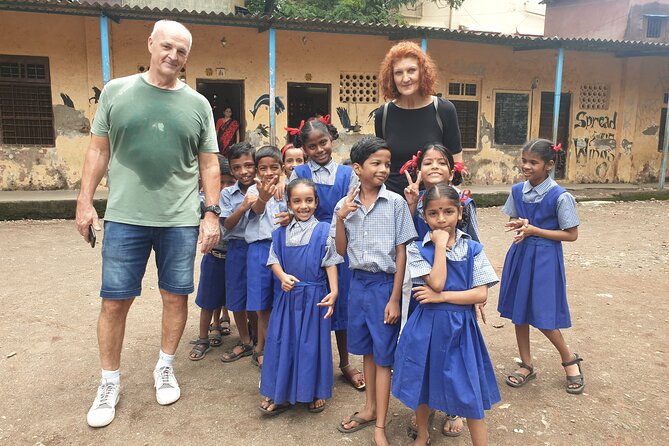
This experience is a good fit if:
- You want a private tour rather than a group shuffle.
- You care about photography with context, including daily life and craft.
- You prefer guides who can explain local realities from inside the community.
It’s also a good choice if you’re comfortable with candid streetscapes and working spaces. The whole point is to understand Dharavi as it functions, with schools, hospitals, and small factories visible in daily life, not just as a set piece.
If you’re the type who needs a super structured, museum-style narrative, you might need to be flexible. Real neighborhoods don’t move to your schedule. This tour seems built for people who can handle that and ask questions.
Should you book it?
I’d book this tour if you want a respectful, locally guided photography experience that treats Dharavi as a real neighborhood with systems and skills. The strong rating signal (high recommendation rate and an overall 4.9) plus the praise for a guide named Sahil point to what the best versions can deliver: education, good guidance, and strong value for money.
I’d be cautious if your schedule is tight or if you can’t risk a shorter visit than advertised. The one negative timing complaint is the main reason to verify details before you pay. If you confirm the total time you’ll be out and what’s included in your photo tour, you’ll reduce the odds of disappointment.
If you do book, show up ready to be respectful with photography and receptive to explanations. When you’re on the same page as the guide, Dharavi stops being a stereotype and becomes a place you can actually photograph with understanding.
FAQ
FAQ
How long is the private Dharavi slum photography tour?
The tour is listed as approximately 3 to 4 hours.
Is this tour private or shared?
It’s a private tour/activity, and only your group will participate.
Is pickup offered?
Yes, pickup is offered.
Where do we meet at the start of the tour?
The start meeting point is Third Wave Coffee, Tip Road, Unit no. 58, Ground, Ram Mahal, Senapati Bapat Marg, Marinagar Colony, Station, Mahim, Mumbai, Maharashtra 400016.
Where does the tour end?
The tour ends at Young Tours & Travel on 90 Feet Rd, Muslim Nagar, Kumbhar Wada, Dharavi, Mumbai, Maharashtra 400017.
What are the stops included in the tour?
The stops listed are Dharavi and Kumbharwada (pottery village).
Do I need to buy admission tickets?
Admission tickets are listed as free for both stops.
Will I get confirmation after booking?
The tour info says confirmation will be received at the time of booking.
Can I cancel for a full refund?
Yes. Free cancellation is available, and you can cancel up to 24 hours in advance for a full refund.