REVIEW · PARIS
Photography workshop in Paris
Book on Viator →Operated by Aperture Tours · Bookable on Viator
Paris is easy to photograph badly. This workshop helps you get it right with a pro teacher. I love the small group (max 4) because you get real attention, and I love the day-to-night focus that trains your eye as the light changes. The one drawback: you’ll need to bring a camera, and you should expect lots of walking on uneven streets.
What makes this experience especially useful is the way the lesson is built around technique, not just photo stops. In the feedback, beginners called out how guides like Clara and Julia were patient and encouraging, with clear help for getting off auto mode. And if you’re the type who needs a nudge to keep moving, the session with guide William included smart timing ideas so a longer day/night shoot could keep flowing.
In This Review
- Key highlights you’ll actually feel on your camera
- A four-person Paris workshop where feedback happens fast
- Bastille: a less-touristy Paris with courtyards and hidden angles
- Montmartre and the Butte: cobblestones, shutters, and Sacré Cœur framing
- Canal Saint-Martin: footbridges, tree rows, and long-lens opportunities
- The Latin Quarter: Luxembourg crowd energy plus hidden alley patience
- Olympiades: brutalist angles and a Paris that feels less photographed
- The real lesson: light tactics, angles, and getting off auto
- Price and value: what $172 buys you in Paris photo time
- What to bring and how to dress for real shooting
- Who should book this workshop (and who might not love it)
- My take: book it if you want skills, not just souvenirs
- FAQ
- How many people are in the group?
- Where does the photography workshop take place?
- How long is the workshop?
- Do I need to bring a camera?
- Is the tour private?
- What’s included in the price?
- Are admissions required for the stops?
- Does it run in bad weather?
- Can I cancel and get a full refund?
- Are there different departure times?
Key highlights you’ll actually feel on your camera
- Max 4 people means fewer excuses and more direct feedback as you shoot
- Day-to-night training helps you learn how settings and angles change after dark
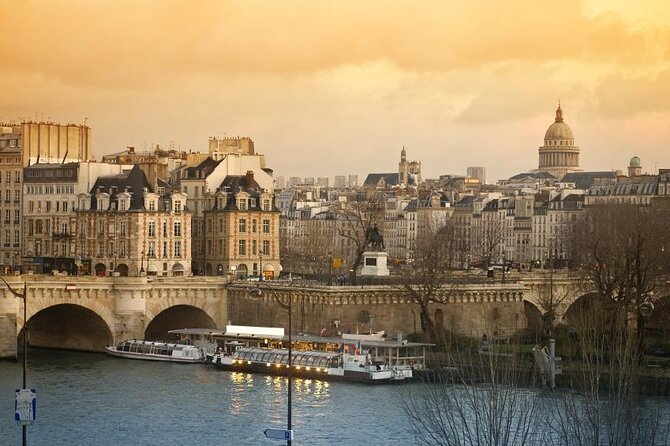
- Seine River and top neighborhoods cover classic Paris views and quieter streets in one route
- Pro photographer teacher + local guide keeps both technique and local positioning in sync
- Multiple departure times give you options depending on your schedule and preferred light
A four-person Paris workshop where feedback happens fast
If you’ve ever taken a workshop that felt like a group stroll with a few tips tossed in, you’ll appreciate this format. The cap is four people per booking, so the guide can watch what you’re doing and correct the small stuff: framing, camera position, and how you decide what to include.
This matters because most Paris photos look similar when everyone is shooting the same landmark from the same angle. Here, the goal is to use technique so you can make choices—whether you’re working with bright daylight glare, soft evening tones, or the harder lighting that comes after dark.
Also, you’re not just following. You’re learning how to see. One big theme in the feedback is beginners getting the confidence to leave auto. The guide response even points to helping people get off auto and start using manual settings.
One practical note: this is a photography lesson, not a rental service. A camera is not included, so you’ll want to show up ready to shoot with your own gear.
You can also read our reviews of more tours and experiences in Paris.
Bastille: a less-touristy Paris with courtyards and hidden angles
Your route starts around Bastille, behind the Place de la Bastille in the 12th arrondissement. This part of Paris is a nice change of pace because it doesn’t feel like you’re marching between headline monuments. Instead, you get a side of the city shaped by trades and old working neighborhoods.
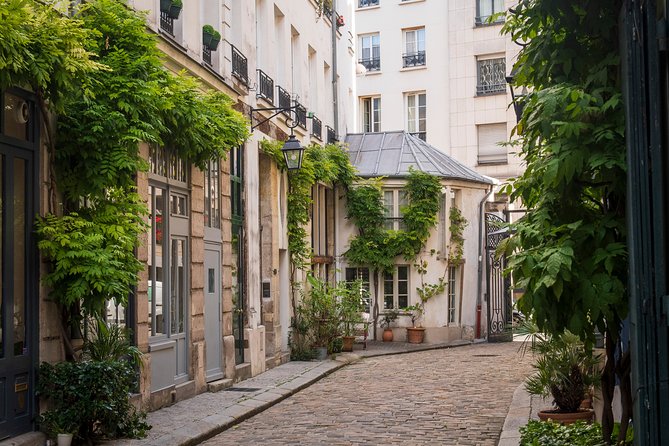
What’s great for photos here is the variety of textures and space. The area includes interior courtyards and streets that feel more like Paris backlots than postcard scenes. Even the park built on a former railway line gives you an elevated vantage point—useful when you want a composed view that shows layers of rooftops, streets, and geometry.
If you like street photography but still want Paris to look unmistakably Parisian, this stop does that balancing act. You’ll likely come away with images that don’t scream I only shot the famous stuff.
Montmartre and the Butte: cobblestones, shutters, and Sacré Cœur framing
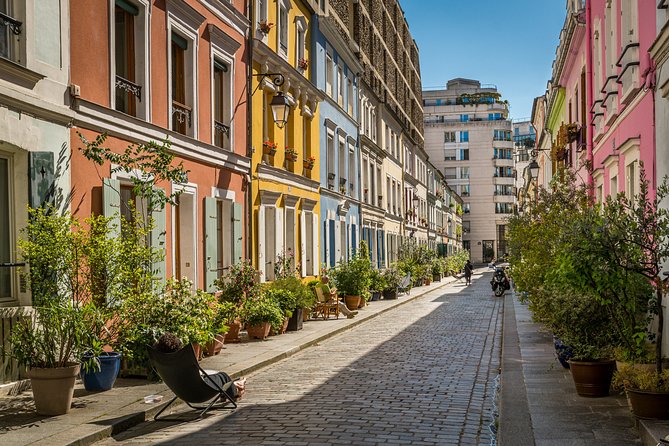
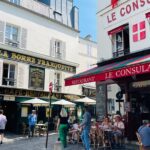
Next is the Butte-Montmartre area in the 18th arrondissement. Montmartre is famous for a reason, but the best photos often come from the details—not just the big view from Sacré Cœur.
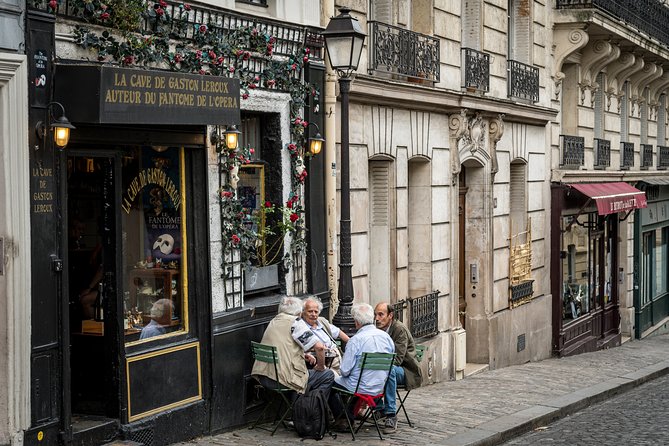
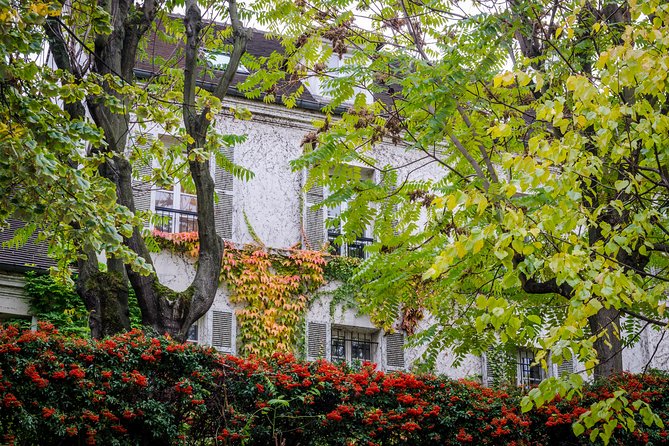
You’ll spend time around small streets and older houses with wooden shutters, plus winding alleys with cobblestone streets. That combination is gold for photography because it gives you repeating patterns (windows, doorways, cobbles) and “depth” lines that pull your eye into the frame.
The angle here is also practical. The Butte overlooks Sacré Cœur, so you can practice composition choices: where you place the horizon, how you use steep streets as leading lines, and how you frame the view without turning everything into a single wide postcard shot.
And yes, you’ll be climbing stairs as part of exploring. That’s part of the Montmartre experience, and it’s often what gives your photos height and perspective.
Canal Saint-Martin: footbridges, tree rows, and long-lens opportunities
From Place de la République you’ll head toward the Canal district, with a path that goes through places like the hills of Belleville and onward to Buttes-Chaumont. The Canal Saint-Martin area is ideal for practicing different approaches because you have straight lines (paths and canal edges), reflective surfaces, and bridge structures.
The highlights here are the footbridges spanning the canal and the way the canal runs alongside rows of trees. In daylight, you can work with clean reflections and graphic shadows. In low light, you can focus on contrast and how lights gather near the waterline and on bridge edges.
The workshop also points you toward using a long lens to attempt shots that connect neighborhoods—potentially getting views that include Montmartre and the Eiffel Tower from a different vantage in the Quartier Haut direction. Even if every exact composition isn’t possible in every moment, this is still a valuable lesson: it trains you to think about focal length as a storytelling tool.
The Latin Quarter: Luxembourg crowd energy plus hidden alley patience
Then you shift into central Paris at the Quartier Latin. This area is famous, but the best photography comes from slowing down and working the side streets.
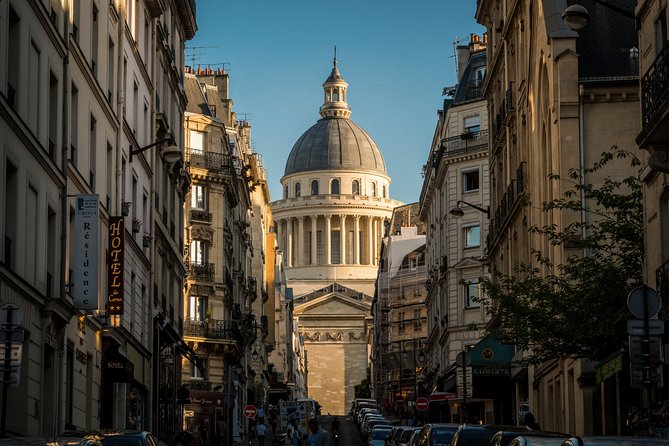
You’ll have the chance to frame the Jardin du Luxembourg and the view toward the Pantheon, but the real emphasis is on hidden alleys and intersections—places where the street layout creates natural composition.
What makes this stop especially fun is the contrast between famous-sounding landmarks and nearby details that feel almost secret. The Arènes de Lutèce are mentioned as being close by, and nearby you also have the Institut du Monde Arabe setting up a modern-versus-old visual dialogue. That mix is perfect for learning composition choices: do you shoot the subject large and iconic, or do you crop to make the architecture look abstract and graphic?
If you’re chasing variety in a single session, this is one of the best stops because you can go from lively park scenes to quieter, more textured alley frames without needing to change the whole city.

Olympiades: brutalist angles and a Paris that feels less photographed
The last named stop is Olympiades in the 13th arrondissement. This isn’t where most first-time visitors aim their cameras, and that’s exactly why it’s valuable for a photography workshop.
The area around Olympiades is tied to a housing project started in the 1960s, designed to regenerate ideas around urban development. For photography, that translates into brutalist architecture—strong lines, bold shapes, and surfaces that catch light differently than the classic Haussmann-style buildings you’ll see elsewhere.
There’s also a social layer: the area has a thriving Chinatown, so you can mix architectural angles with street life textures. Even if you mostly focus on form and geometry, you’ll likely notice that the human scale adds energy to the frame.
This stop gives you a lesson in variety: Paris doesn’t look one way all day. Learning to shoot different styles of streets is how you start developing your own visual habit.
The real lesson: light tactics, angles, and getting off auto
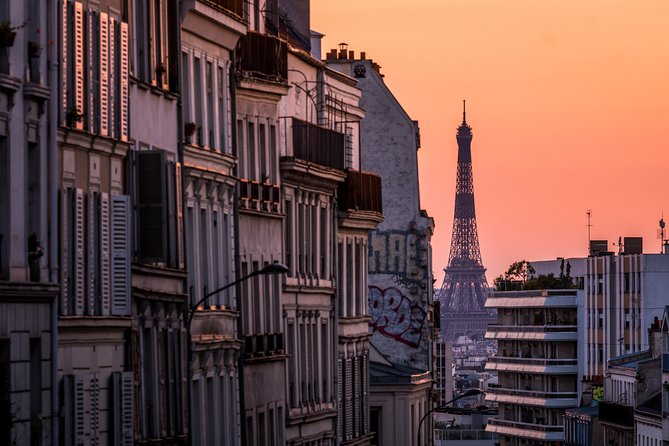
A lot of camera trips promise composition. This one is built around teaching it, plus giving you time to practice.
The workshop focuses on how to use your camera to its best potential, including:
- how to experiment with different angles
- how to use light tactics for day and night
- how to build shots through technique, not just timing
In the feedback, beginners specifically called out how their guide helped them move from auto settings toward manual control. That’s a big deal if you want consistent results, because auto can behave unpredictably when Paris shifts from bright daytime to evening scenes.
Day-to-night also changes what you should care about. In daylight, you can work with clarity, color, and crisp architectural lines. In darker conditions, you’re forced to think about exposure choices, steadiness, and how to frame lights without blowing them out. The workshop’s format is designed to push you through that learning curve while you’re still in the city’s most photogenic zones.
If you’re worried you won’t know what to do with your camera, don’t. This is set up as a lesson with a professional photographer teacher, so you’re not left with a checklist and a shrug.
Price and value: what $172 buys you in Paris photo time
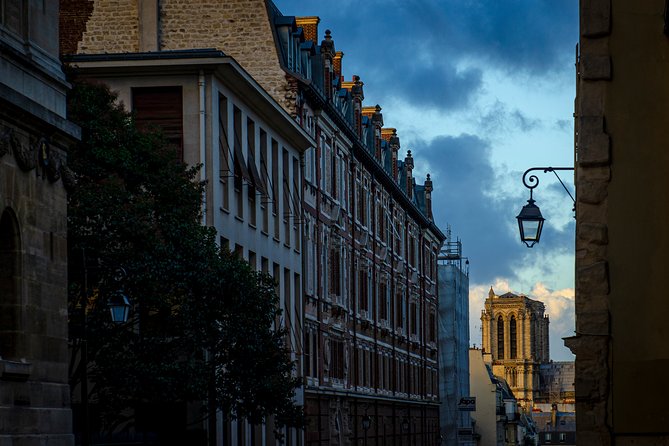
At $172 for the workshop, you’re paying for more than access to locations. You’re paying for:
- a private workshop feel with max 4 people
- a professional photographer teacher
- a local guide
- a focused route designed around learning
It’s also noted that group discounts may be available, which can matter if you’re traveling with a friend who also wants hands-on instruction.
One thing to know: your camera is not included. If you’re renting, factor that cost in. If you already own a camera and at least one lens, you’re in the best position to get value fast because you’ll be able to apply the techniques immediately.
Overall, the price makes sense if your goal is skills you can use after Paris—not just photos to post.
What to bring and how to dress for real shooting
This is an outdoor walking tour and it operates in all weather conditions, so dress for what you’ll actually face. The practical hint is simple: plan for changing conditions and wear clothing that lets you stay comfortable while you’re moving.
You’ll also want to bring:
- your own camera
- whatever lens or setup you normally use for both close street details and wider compositions
Since the workshop also mentions day and night shooting, bring what you’re comfortable with for low-light work. If your camera has adjustable settings, this is your chance to learn how to use them instead of leaving the machine to decide everything for you.
Lastly, the experience is near public transportation, which helps if you need an easy meetup or an escape plan if you’re running late. Still, leave buffer time—Paris streets can be slower than they look on a map.
Who should book this workshop (and who might not love it)
You’ll likely love it if you:
- are a beginner and want help moving off auto
- want personal attention instead of a crowded group tour
- care about both composition and practical camera settings
- like a route that mixes iconic views with neighborhoods that feel more local
You might not love it as much if you want only the biggest famous landmarks with no learning component. This is structured around technique and observation, so your enjoyment will come from practice and instruction, not just sightseeing.
My take: book it if you want skills, not just souvenirs
If your goal is to come home with stronger photos and a clearer sense of what to do with your camera, this workshop fits well. The max four-person limit is a real advantage because it keeps the lesson interactive. The route also makes sense for learning: you shoot a range of Paris textures—from courtyards near Bastille to cobblestones in Montmartre, the canal’s reflections, central alleyways, and the tougher architectural angles in Olympiades.
And the feedback is consistent about one thing: guides like Clara and Julia were praised for being patient and supportive, especially for beginners. That’s the kind of atmosphere that helps you actually take in instruction instead of feeling lost behind the camera.
If you’re willing to walk and you bring your camera, this is a solid buy for learning how Paris looks when you start controlling your own settings.
FAQ
How many people are in the group?
The booking is limited to a maximum of 4 people, so it stays small and focused.
Where does the photography workshop take place?
It takes place in Paris, France, with stops including areas like Bastille, Montmartre (Butte-Montmartre), Canal Saint-Martin, the Latin Quarter, and Olympiades.
How long is the workshop?
The duration is listed as approximately 3 hours, and the experience description also mentions a daytime and nighttime approach that can run longer depending on the departure time. The total experience time in practice can vary.
Do I need to bring a camera?
Yes. The camera is not included, so you should bring your own.
Is the tour private?
Yes. It’s described as private, meaning only your group participates.
What’s included in the price?
Included are a private workshop, a professional photographer teacher, and a local guide. You’ll also receive a mobile ticket.
Are admissions required for the stops?
The itinerary notes admission ticket free at the stops listed.
Does it run in bad weather?
Yes. It operates in all weather conditions, so dress appropriately.
Can I cancel and get a full refund?
Yes. You can cancel up to 24 hours in advance for a full refund.
Are there different departure times?
Yes. The experience says you can choose from multiple departure times.
If you tell me your camera model (and whether you prefer smartphone vs camera), I can suggest what settings or lenses usually help most for a day-and-night Paris route like this.