REVIEW · ROME
Photo Tour in the popular district of Pigneto
Book on Viator →Operated by Daniele Bellucci · Bookable on Viator
Rome looks different in Pigneto. This 3-hour photo walk turns a popular neighborhood into a working visual story, mixing Italian neorealist cinema traces (including Pasolini) with contemporary international street art and the multicultural everyday life that’s shaped Pigneto. I love how the route feels like a theme park made from real streets, not staged sights. I also love that Daniele Bellucci is a practical, patient guide for both first-timers and people who already shoot seriously. One thing to consider: it’s an outdoor walking experience and depends on good weather.
You start at the Malatesta metro station entrance (Line C) at 10:00 am, then you end near Piazza Roberto Malatesta. This is a private tour, so it’s only your group, and you’ll get a mobile ticket for easy entry.
You’re paying $190.30 per person, which sounds high until you think about what you’re buying: time in the neighborhood with a photographer-guide, plus a route designed around seeing and photographing Pigneto the way you might otherwise miss. Add group discounts, and it can feel like better value if you’re traveling with friends.
In This Review
- Key things you’ll get from this Pigneto photo walk
- Pigneto: Rome’s film-set neighborhood you can photograph
- Why this tour feels different from classic Rome photos
- Getting started at Malatesta and pacing yourself for 3 hours
- Pasolini and Accattone traces: photographing cinema history in real streets
- Street art as an open-air gallery for your compositions
- Multicultural Pigneto: using everyday details instead of chasing icons
- Daniele Bellucci’s guidance: patience, punctuality, and level-fitting instruction
- Price and value: is $190.30 per person fair?
- Who this Pigneto photo tour is best for
- Should you book this Pigneto photo tour?
- FAQ
- How long is the Pigneto photo tour?
- Where does the tour start?
- Where does the tour end?
- What is the price per person?
- Is the tour private?
- What ticket will I receive?
- What happens if the weather is bad?
Key things you’ll get from this Pigneto photo walk
- A camera-first route through Pigneto with plenty of photo opportunities across the neighborhood
- Pasolini and neorealism on the streets, including traces connected to Accattone
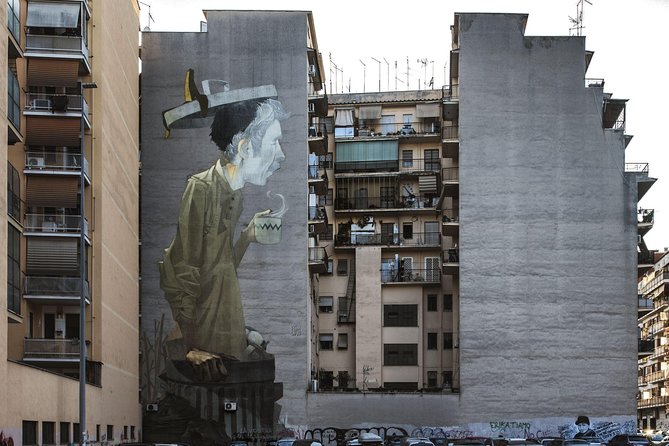
- International street art as an open-air gallery, where the walls become part of your compositions
- Guidance that fits your level, from complete beginners to experienced photographers
- A private format so the pace and attention stay focused on your group
- Daniele Bellucci’s approach: punctual, patient, and focused on pointing you toward better angles
Pigneto: Rome’s film-set neighborhood you can photograph
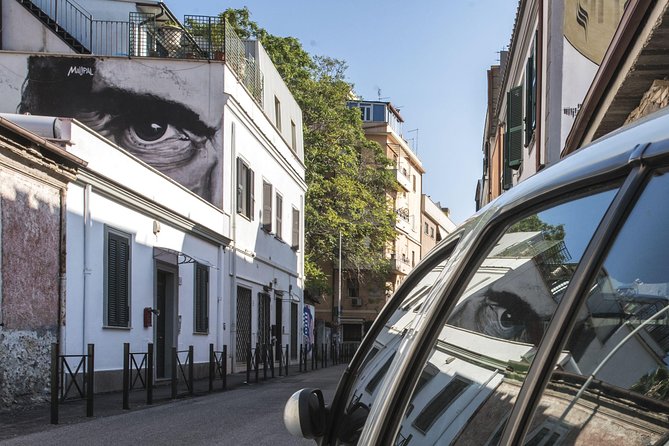
Pigneto has a reputation in Italian cinema, and this tour leans into that. Instead of treating Rome like a checklist of old monuments, you treat the neighborhood like a living set. That change matters because it flips how you look: you stop hunting for famous landmarks and start noticing story in doorways, facades, walls, and street corners.
What makes Pigneto so photogenic for this kind of walking tour is the layering. You get the past—especially the film-linked vibe connected to Italian neorealism—then you get the present: contemporary street art and the mix of cultures you see in day-to-day life. The result is a Rome that feels current even when you’re photographing something that echoes older cinema.
You can also read our reviews of more tours and experiences in Rome.
Why this tour feels different from classic Rome photos
If you’ve done the big sights already, you’ll probably remember a pattern: iconic views, fast stops, lots of other people filming at the same angles. This tour takes a different path on purpose.
You’re walking in a popular district that functions like a street-art museum and a multicultural crossroads at the same time. That combination gives you variety without the need to constantly ride around the city. You’re also not just taking photos and moving on; the experience is structured around learning how to see—angles, framing, and where the eye wants to land.
The best part, based on the way Daniele Bellucci is described, is how he adjusts. If you’re new to photography, you’re not left behind. If you’re already comfortable with a camera, you still get useful guidance. It’s the kind of instruction that doesn’t talk down, and it doesn’t assume everyone is the same level.
Getting started at Malatesta and pacing yourself for 3 hours
The meeting point is Malatesta metro station entrance (Line C) in the 00176 area, with a start time of 10:00 am. You’ll finish at Piazza Roberto Malatesta. Starting near metro is a simple win: it’s easier to get there without planning a long taxi ride or complicated transfers.
This is about 3 hours, so you should plan for a steady walking pace. That doesn’t mean it’s rushed, but it does mean you’ll spend the time outdoors, moving from one photographic moment to the next. If you’re choosing this tour, I’d treat it as your main photo activity for the morning, not something to cram around other heavy plans.
Because it’s private, the group size is just your party. That tends to make it easier to slow down when you see a spot you want to photograph longer, or when someone needs help getting their camera settings right.
Pasolini and Accattone traces: photographing cinema history in real streets
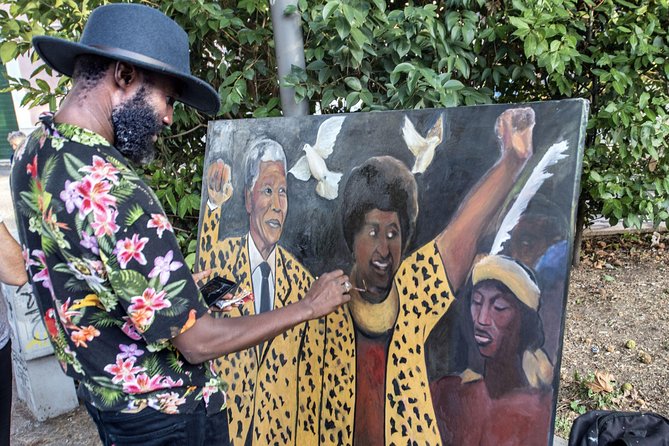
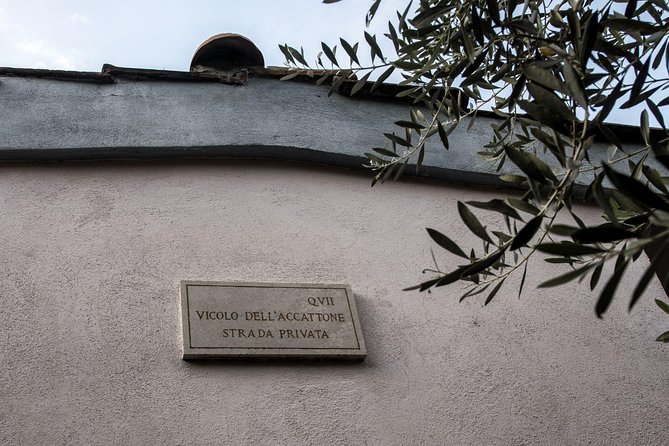
One of the most compelling aspects is the connection to Italian neorealist cinema, specifically the traces tied to Accattone di Pasolini. You’re not just hearing a lecture; you’re walking in the neighborhood where those film references live on in the area’s identity.
Why that matters for you as a photographer: film locations are already built for a certain mood—lines, textures, and the kind of everyday realism that cameras handle well. When you notice those patterns, you start composing with the neighborhood’s cinematic logic, not against it. Street corners stop being generic and become story beats.
In practical terms, expect the tour to steer you toward the places where the film-linked atmosphere is still visible. Even if you’re not obsessed with cinema, you’ll likely enjoy the way these references turn ordinary streets into meaningful frames.
Street art as an open-air gallery for your compositions
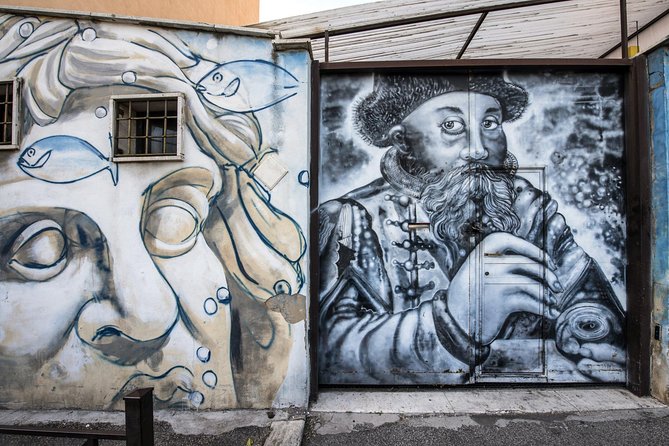
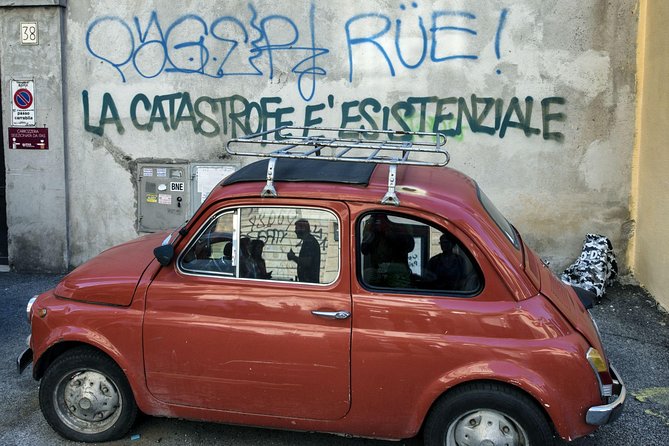
Pigneto’s street art is central to the experience. The tour is described as moving through a neighborhood that’s effectively an open-air street art museum, with works by major international artists. That’s a big deal because it changes what you photograph from buildings to surfaces to relationships between elements.
Here’s what I like about this setup: street art isn’t just color on a wall. It gives you strong shapes, contrast, and visual texture, so your photos have something immediate to hold onto. It also helps that the neighborhood feels lived-in. You’ll likely find it easier to create frames that include people, signs, and layered context rather than shooting blank walls.
Daniele Bellucci’s role is important here. Reviews highlight that he chooses suggestive photo spots and helps you use them. If you’ve ever photographed street art before, you know the common problem: you see something cool, you shoot it straight, and later you feel like you didn’t capture the punch. A guide who thinks about angles and viewpoints can help you make images that feel intentional.




Multicultural Pigneto: using everyday details instead of chasing icons
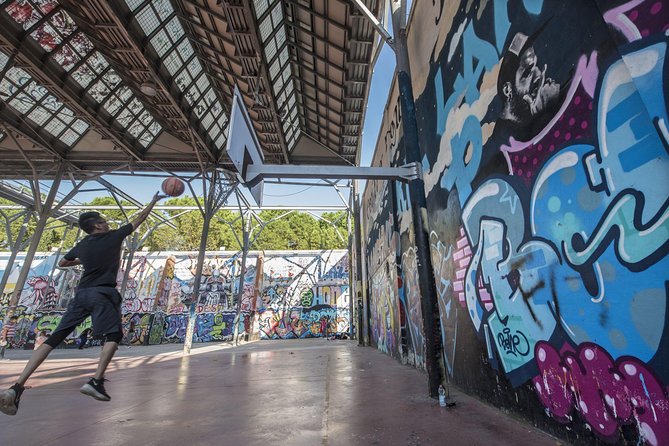
Another strength is the way the tour frames Pigneto as a multicultural crossroads. That’s not an abstract claim—you feel it in the neighborhood’s mix of people and energy, and it shows up in the way you can photograph the area.
This matters because it makes the tour less about copying famous photos and more about capturing what’s actually there. You’re likely to notice small contrasts that are hard to recreate elsewhere: language on signs, different styles of storefronts, and street life that gives your images a sense of motion and context.
If you like street photography, this is the part that helps your pictures breathe. Instead of building only from walls and buildings, you can build from the relationship between people and place.
Daniele Bellucci’s guidance: patience, punctuality, and level-fitting instruction
A key reason this tour gets such strong feedback is the guide. Daniele Bellucci is repeatedly described as professional and punctual, with real patience. That’s not fluff—patience is what you want when you’re learning on the fly, especially in a busy, photo-friendly area where the best shots usually appear fast.
The reviews also emphasize that he supports different skill levels. If you’re a beginner, you’re not treated like dead weight. If you already know your camera, you still get something useful. One review even points out that the walking tour can teach you more than a full photography course, which might be exaggerated—but the underlying message is clear: you’ll get practical coaching, not just a casual stroll.
So how should you approach it? Come with at least a basic plan for what you want to improve—framing, composition, street photo storytelling, or even just learning how to hold your camera steady and confidently. Then you can take Daniele’s advice and apply it immediately as you walk.
Price and value: is $190.30 per person fair?
At $190.30 per person, this isn’t a budget throwaway. But it also isn’t just a walk with a person holding a clipboard. You’re paying for a guided photo route built around Pigneto’s most photographable themes: cinema traces, international street art, and multicultural street life—plus a photographer guide who can coach you while you shoot.
Two factors can improve value for you:
- Private group format: your time isn’t shared with random strangers wandering off on their own.
- Group discounts: if you’re traveling with others, you may reduce the effective per-person cost.
For whom it’s worth the money: if you want a real photo outcome (not just a few snapshots) and you don’t want to guess your way through Pigneto on your own, a guided route is often the faster path to better results. If you mainly want to see the area at an easy pace without caring about photography, you might decide it’s more than you need.
Who this Pigneto photo tour is best for
This experience is a good fit if you want something more human than Rome’s usual monument circuit. It’s also a great choice if you like photography but feel stuck with the same problem: you see interesting things, yet your photos don’t always look like what you imagined.
It also suits a wide range of travelers because most people can participate, and the tour is near public transportation. If you’re traveling solo, you still get the private-group setup in the sense that you’re not mixed into a larger crowd for the same guide time.
You’ll enjoy it most if you:
- like street art and want to learn how to photograph it well
- enjoy film-related locations and want context tied to real streets
- want a guided route where someone actively helps you find stronger photo angles
You might enjoy it less if you only want famous sights and short photo stops, because this is about walking and looking carefully.
Should you book this Pigneto photo tour?
I’d book it if your idea of Rome includes modern street life as much as ancient sites—and if you want to leave with photos that feel composed, not accidental. The combination of Pasolini-linked cinema atmosphere, international street art, and Daniele Bellucci’s photography coaching is a strong match for anyone who wants a different angle on Rome.
Skip it if your top priority is seeing the biggest monument hits in the shortest time, or if you strongly dislike weather-dependent outdoor walking.
If you can go on a day with good weather and you’re excited to photograph Pigneto’s street-level stories, this tour looks like a smart way to spend a morning.
FAQ
How long is the Pigneto photo tour?
It lasts about 3 hours.
Where does the tour start?
You meet at Malatesta metro station entrance (Line C) in the 00176 Rome area.
Where does the tour end?
The tour ends at Piazza Roberto Malatesta.
What is the price per person?
The price is $190.30 per person.
Is the tour private?
Yes. It’s private, and only your group will participate.
What ticket will I receive?
You’ll receive a mobile ticket.
What happens if the weather is bad?
This experience requires good weather. If it’s canceled due to poor weather, you’ll be offered a different date or a full refund.