REVIEW · LEVI
Northern Lights Hunting Photography Tour in Levi
Book on Viator →Operated by Beyond Arctic · Bookable on Viator
One good aurora night can change everything. This Levi Northern Lights photography tour mixes real-time sky scouting with small-group comfort so you spend the hours actually hunting the glow. I like that the guide plans for what the sky is doing right now and doesn’t waste your night in one place. I also like the photo support, including headlamps/tripod-style help and a set of edited photos after. The main drawback to plan for: auroras are weather-dependent, and even with forecast work and lots of driving, you might still leave without seeing much light.
On this tour, you meet up, get a short briefing on conditions and the day’s aurora forecast, then ride out to chase the best odds. You typically stop at 2–3 different locations in one night, chosen based on local weather and photographic opportunities. Expect a night that feels organized, but also a bit adventurous—because the Arctic weather doesn’t care about schedules.
In This Review
- Key Things to Know Before You Go
- Levi Is a Great Base for Aurora Night Photo Missions
- The 15-Minute Pre-Tour Meet-Up and Aurora Briefing
- How the Tour Actually Hunts Aurora: 2–3 Stops, Real Weather Decisions
- Stop-By-Stop: What Each Moment Gives You
- The Small-Group Photo Approach That Helps You Get Better Shots
- Edited Photos: The Real Value After the Cold
- Warm Drinks, Headlamps, and Staying Functional in the Dark
- Duration, Timing, and Why the Night Can Feel Long
- Price and What You’re Really Paying For ($147.69)
- Who This Fits Best (and Who Should Think Twice)
- Practical Tips I’d Follow for a Better Night
- Booking Smart: When to Reserve
- Should You Book This Northern Lights Photography Tour in Levi?
- FAQ
- What is the duration of the Northern Lights hunting photography tour in Levi?
- How big are the groups?
- Is pickup available in Levi?
- Is the tour in English?
- What’s included with the tour?
- What are the minimum age requirements?
- What if the tour is canceled due to weather?
Key Things to Know Before You Go
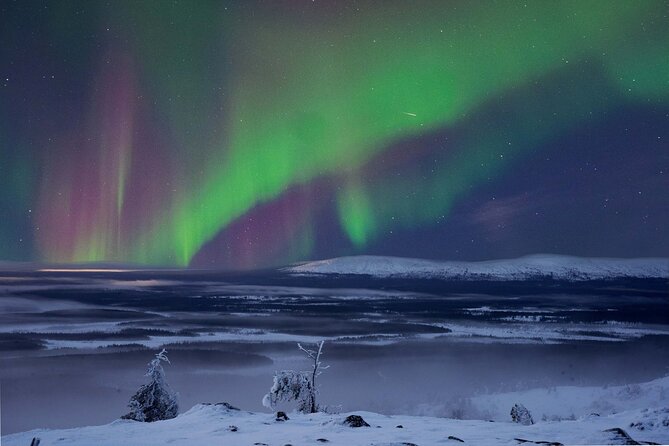
- Small group size (2–8 guests): you get more individual help with where to stand and how to shoot.
- Aurora scouting based on real-time forecasts: the direction can change as conditions shift.
- Warmth is built in: hot drinks and snacks keep you functional while you wait for the sky to react.
- Photo-focused guiding: a professional photographer works with the group as the aurora starts to glow.
- Edited photos included: you’re not left with raw, unusable attempts after freezing all night.
Levi Is a Great Base for Aurora Night Photo Missions
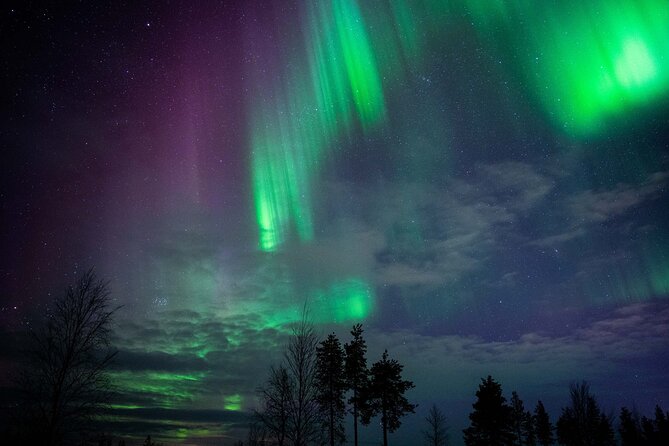
Levi is one of those places where tourism makes sense, but the aurora still feels like the real event. The town sits in Arctic Lapland, with enough infrastructure to keep nights easy for visitors and enough access to darker skies to give your camera a chance. The practical win here is that you can start the hunt from central areas and still get into stargazing territory without turning your trip into a rental-car saga.
This tour also leans hard into the part many travelers underestimate: aurora photography is mostly about timing and conditions. When clouds roll in, you don’t fix that with better settings—you drive. And that’s exactly the idea behind this experience.
You can also read our reviews of more tours and experiences in Levi.
The 15-Minute Pre-Tour Meet-Up and Aurora Briefing
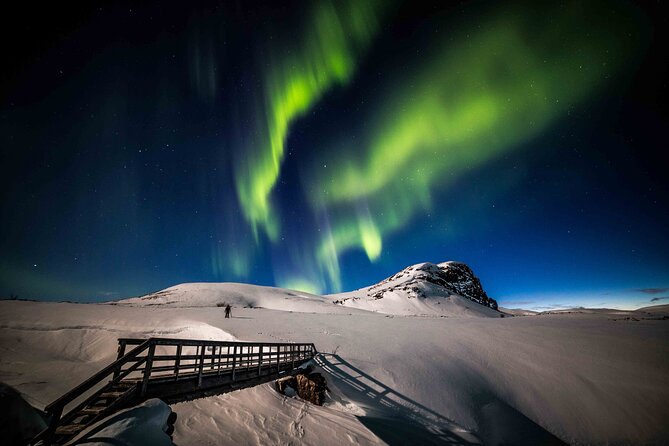
Your night begins at the Beyond Arctic Levi office near Tourist Information, with a meeting time set for about 15 minutes before the tour start. If you’re staying in central Levi, you’ll meet at the office; if you’re outside the central area, pickup is included within 10 km of the office.
Before you get on the road, you’ll get a short briefing covering:
- current weather conditions
- the aurora forecast for the night
- where you’re likely going first
This matters more than it sounds. A quick plan-and-forecast briefing helps you understand what the guide is watching for. You’re not just bundled up and dropped into darkness—you know what you’re trying to beat (cloud cover, haze, wind) and why the destination may change.
How the Tour Actually Hunts Aurora: 2–3 Stops, Real Weather Decisions
Most nights you’ll travel to 2–3 different locations, depending on what the sky allows. This is not a fixed route. The operator chooses spots with both photographic potential and a higher chance of clear skies—if the forecast suggests a better opportunity even far away (sometimes around 100 km), you may head there.
That “many kilometers” approach shows up clearly in the overall experience tone. You’re paying for the ability to move quickly when conditions change, not for sitting at one viewpoint hoping the weather cooperates.
Here’s the practical expectation to set: you can do everything right and still get a weak show, because auroras need clear skies. The tour’s upside is that they treat that reality seriously by being willing to travel.
Stop-By-Stop: What Each Moment Gives You
Stop 1: Levi (setup and first positioning)
You start in/around Levi with the briefing, then get rolling. Even though this first step can feel like logistics, it helps you:
- settle your gear
- learn how long to wait before switching plans
- get oriented so you don’t freeze up once the sky starts moving
Main hunting travel (the heart of the night)
After the initial meet-up, you typically drive out and set up for the best conditions you can reach. The operator uses small-group logistics to keep things calm: warm clothing support, hot drinks and snacks, and quick adjustments based on what the aurora is doing overhead.
Second and third locations (when the sky changes its mind)
If the first spot isn’t strong enough or clouds interfere, you’ll shift again. This is where the experience can either feel like peak Arctic adventure or like a long night of waiting—depending on the weather. One theme in the feedback is that guides don’t simply give up; they work hard to keep the chances alive.
The Small-Group Photo Approach That Helps You Get Better Shots
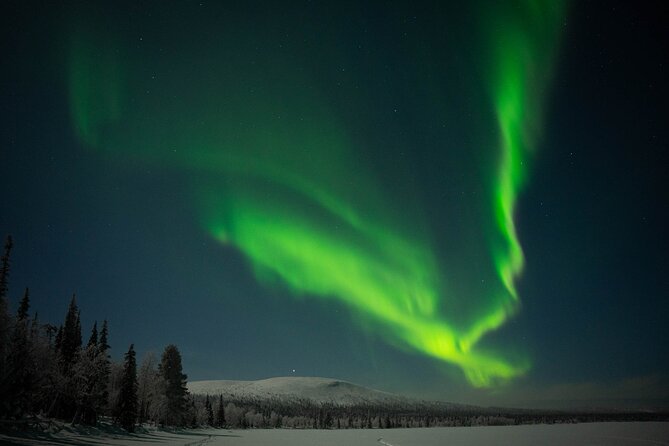
This isn’t a generic “look up and hope” aurora event. It’s designed for photography, with professional guidance when the light arrives.
You travel in premium minivans and you’re in a small group, typically 2–8 guests. That small size affects everything:
- it’s easier to manage camera bags and tripods in cold conditions
- the photographer can adjust people’s positions
- you’re more likely to get help if you’re using an iPhone or a compact camera
When the aurora starts to glow, you get a period of waiting in relative quiet—then the photographer guides you through capturing the moment. The goal is to keep your focus on composition and exposure, not on guessing where to stand.
Edited Photos: The Real Value After the Cold
One of the best “future you” perks: you’ll receive a collection of edited photos. That’s a big deal for aurora nights, because it’s very easy to get blurry, underexposed, or underwhelming results when you’re cold and the sky is moving fast.
Even if you come with a decent camera, you’ll still likely appreciate this safety net. You can enjoy the night without feeling like every shot has to be perfect.
Warm Drinks, Headlamps, and Staying Functional in the Dark
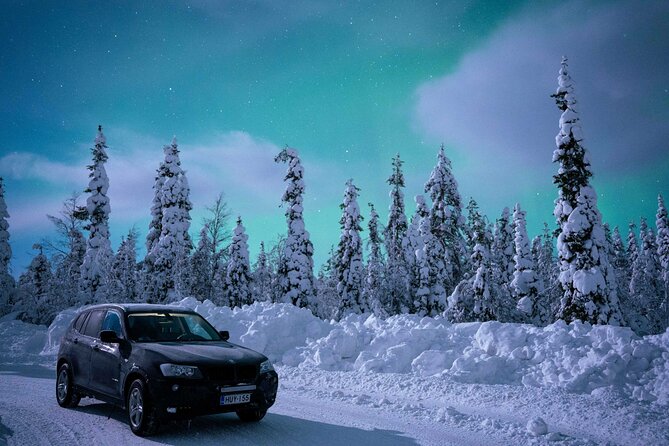
Cold isn’t just uncomfortable. Cold makes people fumble with settings, lose patience, and stop taking photos. This tour tries to solve that in practical ways.
You’ll have:
- hot drinks and snacks
- headlamps for visibility in the dark
- BBQ gear included for break time
The BBQ gear detail might not sound like a big deal, but it’s exactly the sort of small Arctic comfort that keeps you from turning “aurora hunting” into “enduring weather.” You get breaks, you warm up, and you stay ready for the next location.
And yes, you’ll want your own layers too. The included warmth helps, but it doesn’t replace smart cold-weather preparation.
Duration, Timing, and Why the Night Can Feel Long
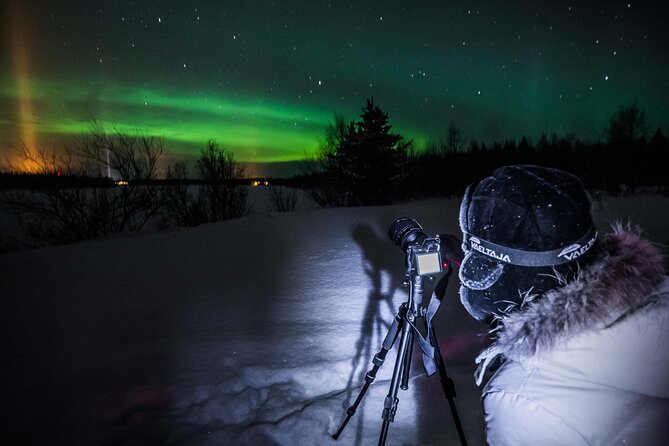
The tour runs about 4 to 6 hours. In aurora terms, that’s a reasonable window to search and reposition without turning your whole vacation into one long freeze. Still, you’re outside and you’re waiting for the sky to cooperate.
Here’s how to think about it:
- if the aurora is active and the sky stays clear, the time flies
- if clouds roll in, you spend more time in transit and waiting
- either way, the guide’s job is to keep moving toward the best chance
If you’re someone who hates uncertainty, aurora tours can test you. If you like the hunt part, it’s much more fun.
Price and What You’re Really Paying For ($147.69)
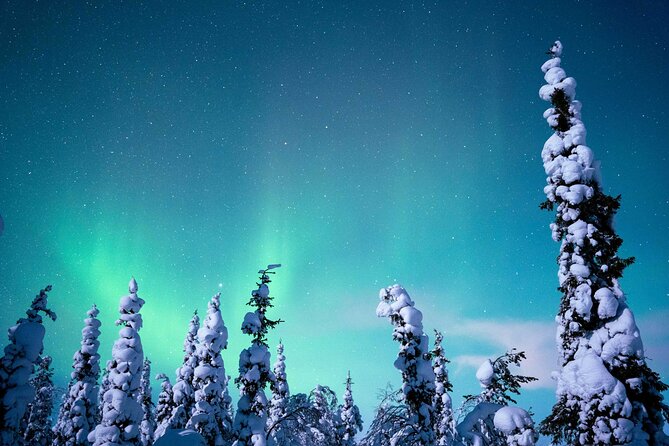
At $147.69 per person, this tour sits in the “serious activity” range, not a casual add-on. So does it offer value?
In my view, the value comes from three places you’d otherwise pay for or deal with on your own:
- A guide who can drive you to better sky conditions
Aurora success is about clear locations and timing. Driving to multiple spots costs time and planning.
- Photo-focused help plus edited results
You’re not only hoping you get photos; you get a finishing touch afterward.
- Small-group comfort and included warmth
Hot drinks/snacks and the comfort setup reduce the “cold fatigue tax” that can ruin a night.
What you should understand: you’re buying a process, not a guaranteed aurora. The night still depends on conditions. When the sky cooperates, you get memories and usable images. When it doesn’t, you’ll still likely get a guided Arctic experience, but it’s not something you should assume will always deliver bright lights.
Who This Fits Best (and Who Should Think Twice)
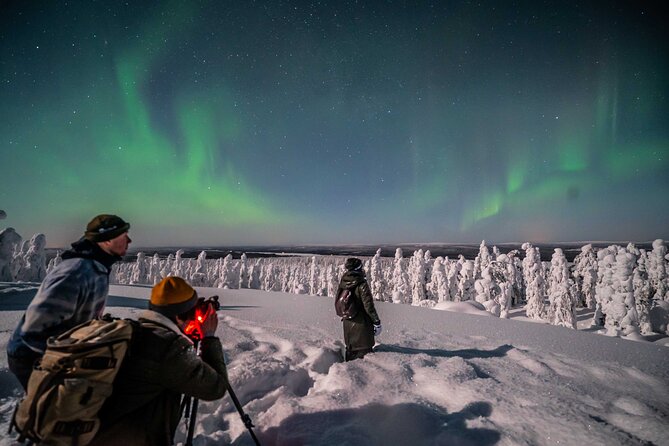
This is a strong match if you want:
- a photo-guided Northern Lights night rather than a basic viewing session
- a small group experience with more attention from the guide/photographer
- warmth and snacks so you can actually focus on the sky
- pickup from Levi to reduce friction on arrival day
It’s also suitable if you’re traveling with someone who’s new to aurora photography. The setup helps you not feel lost.
Consider thinking twice if you:
- need a guaranteed outcome (auroras aren’t guaranteed)
- hate driving at night and switching plans if weather changes
- expect a long on-the-spot alternative like a full entertainment program (this tour is built around the hunt)
One of the more critical feedback notes a disappointment when weather looked unlikely and the night still ran. That doesn’t mean it’s a bad tour, but it’s a fair reminder: you should emotionally budget for “not every night is a show.”
Practical Tips I’d Follow for a Better Night
Even with headlamps and hot drinks provided, your results depend on what you bring.
Bring a cold-weather mindset, not just a camera:
- wear proper insulated layers and protect your hands
- expect you’ll stand outside for stretches of time
- plan for battery drain (cold does that fast)
- if you’re using a phone, be ready to follow the photographer’s instructions rather than freestyle settings
Also, lean into the guide’s direction about where to stand and when to shoot. Aurora photography isn’t just about equipment—it’s about timing and positioning while the light appears.
Booking Smart: When to Reserve
This tour is often booked about 19 days in advance on average. If you’re traveling in peak season or on a popular date pattern, I’d book sooner rather than later so you can lock in the night you want. Aurora seasons can be busy, and small groups mean fewer spots per evening.
Should You Book This Northern Lights Photography Tour in Levi?
If your priority is a guided, photo-minded Northern Lights hunt with small-group attention, warm breaks, and edited photos, I think this is a very reasonable choice. The tour’s “plan A plus plan B plus plan C” structure—moving to multiple locations and relying on real-time decisions—is exactly what you want when the Arctic changes its mind.
I’d book it when you’re okay with the weather-driven nature of auroras. You’re not paying for a guaranteed light show. You’re paying for the best odds, the movement to chase clear skies, and the support to turn what you see into photos you’ll actually keep.
If you want, tell me your travel month and whether you’re more into photography or just seeing the lights. I can suggest what to expect for that time of year and how to pack for the cold.
FAQ
What is the duration of the Northern Lights hunting photography tour in Levi?
The tour runs about 4 to 6 hours.
How big are the groups?
The group size is maximum 8 travelers, and it’s typically small (2–8 guests).
Is pickup available in Levi?
Yes. Pickup is offered outside the central Levi area (within 10 km of the Beyond Arctic Levi office). For guests in central Levi area, you meet at the Beyond Arctic Levi office.
Is the tour in English?
Yes, it’s offered in English.
What’s included with the tour?
Included items are a wilderness/photography guide, hot drinks and snacks, minivan transportation, headlamps and BBQ gear, and collection of edited photos. Hotel pickup and drop-off outside of central Levi area are also included.
What are the minimum age requirements?
The minimum age is 10 years.
What if the tour is canceled due to weather?
This experience requires good weather. If it’s canceled due to poor weather, you’ll be offered a different date or a full refund.