REVIEW · MADRID
Mapfre Foundation Madrid – Photography Exhibitions
Book on GetYourGuide →Operated by Fundación Mapfre | Touristcheck · Bookable on GetYourGuide
Old photos hit different in Madrid. Fundación MAPFRE is a smart, low-stress way to see photography and visual art in one day, with two major temporary exhibitions running until May 17, 2026. I especially like the pairing of Anders Zorn’s traveled life in paintings and prints, and Helen Levitt’s street photography that turns everyday New York into something timeless. One practical catch: the included audio guide is delivered by QR code and needs a mobile device with internet access, so plan for that if you don’t have data.
Inside, you get a focused mix: artworks and photography, plus sketches that sit in a broad theme from the late-19th century into the mid-20th century. I also like how the exhibitions feel designed for walking—temporary shows plus a larger art background, so you can choose how fast you move.
In This Review
- Key things to know before you go
- Fundación MAPFRE: a one-day photo-and-painting reset
- Two temporary exhibitions to plan your route: Anders Zorn and Helen Levitt
- Anders Zorn: Traveling the World, Remembering the Land
- Helen Levitt: The poetry of street life
- What to expect beyond the temporaries (the late-19th to mid-20th thread)
- Audio guide via QR: make it work without hassle
- Price and value: why around $5 is a smart move
- Getting your day right: how to pace a one-day visit
- Who should book—and who might want to rethink it
- Should you book Fundación MAPFRE Photography Exhibitions?
- FAQ
- How much does it cost to visit Fundación MAPFRE for the photography exhibitions?
- How long is the visit?
- Where do I exchange my voucher?
- Is an audio guide included?
- What languages are available for the audio guide?
- Do I need headphones?
- Do I need internet on my phone for the audio guide?
- Which temporary exhibitions are on until May 17, 2026?
- Is the experience wheelchair accessible and is cancellation allowed?
Key things to know before you go
- Two standout temporary exhibitions through May 17, 2026: Anders Zorn and Helen Levitt
- Photography meets painting in galleries that span late-19th to mid-20th century themes
- Audio guide in English and Spanish accessed via QR code on your phone
- Bring (or buy) headphones so you don’t disturb other visitors
- Helen Levitt’s work spans nearly 200 photos across nine sections of her career
- Wheelchair accessible, so the main galleries should be easy to reach
Fundación MAPFRE: a one-day photo-and-painting reset
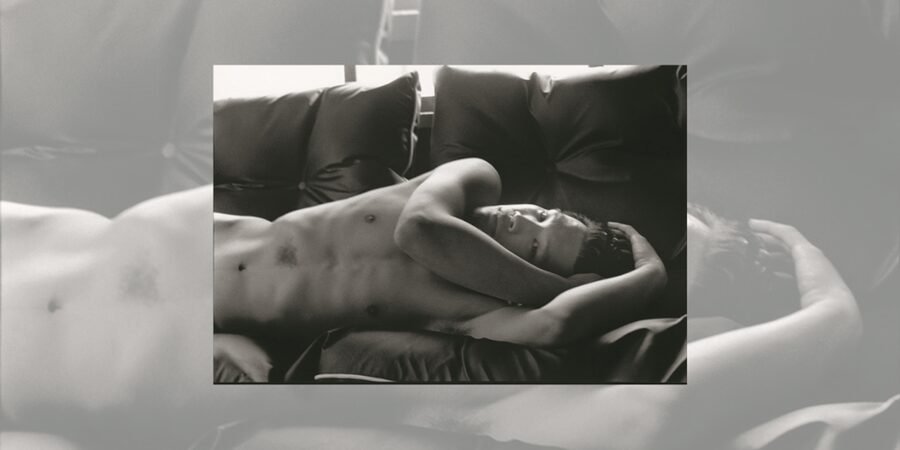
If your Madrid days are heavy on museums, this one works because it’s focused and manageable. You’re not trying to conquer a giant campus. You’re walking through a set of exhibitions that connect documentary photography, painting, and sketches through a clear historical window.
The best part is that the museum doesn’t treat photography as a side dish. It gives you real weight—especially in the temporary shows. One gallery can pull you into an artist’s life story. Another can slow you down and make you notice small human moments in the street. That rhythm is what makes it feel worth the time.
Also, the layout is set up so you can start with the temporary exhibitions and then let the permanent or background material fill in context. That keeps you from feeling like you’re hunting for meaning. You’re just following the ideas.
You can also read our reviews of more tours and experiences in Madrid.

Two temporary exhibitions to plan your route: Anders Zorn and Helen Levitt
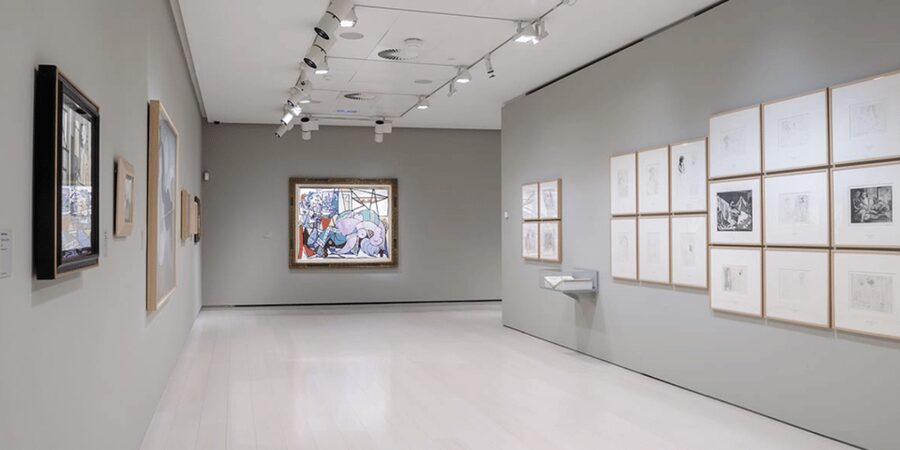
Temporary exhibitions do two things for you as a visitor: they give a reason to come now, and they shape your path through the museum. With Fundación MAPFRE, you can treat your day like a mini narrative.
Anders Zorn: Traveling the World, Remembering the Land
Anders Zorn (1860–1920) is the headline show, and it’s built around movement—where he went, what he learned, and how it changed his art.
This exhibition traces his career in stages: early watercolors, a period in England, then Paris, where he strengthened his reputation under the influence of Impressionism. It continues with his travels to the United States and then his return to Mora, where he centered everyday Swedish life.
A detail I really like here is that the show doesn’t pretend he was only one kind of artist. It covers his virtuosity across oil, watercolor, and printmaking. It also includes his celebrated nudes, which were a major part of how he gained prestige across Europe.
And for a Spain connection, the exhibition includes his Spanish works and his artistic link with Joaquín Sorolla. That matters because it turns Zorn from a “Swedish name” into someone you can place in broader European art networks you might already know.
If you like portraiture and the way artists build status through skill and subject matter, Zorn is a strong bet. You’ll spend time here, even if you think you’ll only skim.
Helen Levitt: The poetry of street life
Helen Levitt (1913–2009) offers a very different emotional temperature. Her show is about how long observation can turn into vision.
You’re looking at a career built over more than seven decades, with photography that begins in the late 1930s when she became fascinated by New York streets. Her images capture children at play, everyday gestures, and scenes from working-class neighborhoods—ordinary life made unmistakably art.
The exhibition brings together nearly two hundred works across nine sections. That’s important because it lets you see her evolution instead of just admiring a few famous prints. You move through early photographs, then into her cinematic explorations—so the show has range without losing her single-minded focus on the city.
I also appreciate the social commitment that’s woven into the work. Her photos don’t feel like detached documentation. They feel attentive. If Zorn pulls you into status, Levitt pulls you into people.
And yes, the pairing works. After Zorn’s travels and technique, Levitt’s city becomes a different kind of journey: not distance traveled, but time spent looking.
What to expect beyond the temporaries (the late-19th to mid-20th thread)
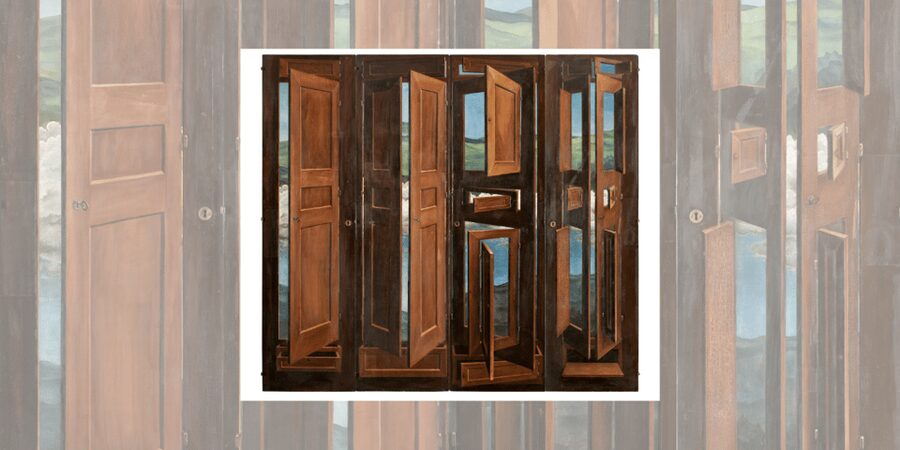
The museum experience isn’t only about those two big names. Fundación MAPFRE also lays out an art background that spans painting, photography, and sketches, with a focus on the period from the late-19th century to the mid-20th century.
This is useful because it gives you context. You’re not just seeing individual masterpieces in isolation—you’re seeing how the bigger period connects themes and styles.
You can expect a mix of:
- Visual arts and photography side by side
- Sketches that can help explain process and intention
- Works that fit the late-1800s to mid-1900s historical arc
If you’re the type who gets more out of museums when you understand what came before, this background helps. If you’re only into photography, you still get value because the galleries keep the focus on how images function—portraiture, streets, everyday life, documentary angles.
One thing to keep in mind: the museum experience will vary based on what else is on display during your visit. For example, one past visitor loved the way another show (Leonora Carrington) was presented with strong attention to lighting and how lots of paintings can be grouped effectively. You might see something similarly well staged depending on your dates, which is a good reason to check what’s on before you go.



Audio guide via QR: make it work without hassle
The standard ticket includes an audio guide. It’s available in English and Spanish, and you access it through a QR code inside the rooms.
Here’s the practical part: you need a mobile device with an active internet connection. If you don’t have mobile data, you can connect to the free Wi‑Fi available in the space.
So my simple advice: before you start, check your phone battery and make sure you can connect. Then you won’t waste time later hunting for the right setup.
Headphones are required so you don’t bother other people. Bringing your own is safest. If you arrive without them, you can buy headphones for €1 at the ticket counter (jack type), though you may need to wait if they’re out or busy.
This is a small detail, but it affects your whole experience. Audio guides work best when you can settle in and listen without fiddling.
Price and value: why around $5 is a smart move
At about $5 per person, this is priced like an easy add-on, not a big splurge. And because the ticket includes the audio guide, your cost is doing more work than it would at a museum where you pay extra for basic interpretation.
Is it a high-end, all-day, world-famous collection? It might not be. But for value, it’s strong because:
- You’re seeing major temporary exhibitions with real artistic weight
- The museum also offers art background across multiple media
- You get interpretation in English and Spanish
If you’re budget-minded, this is a great “one museum day” option. If you’re a photography fan, you’ll likely walk out feeling like you saw actual photography ideas—not just a couple rooms of prints.
And if your schedule is tight, it’s built for a one-day visit. You can plan a full stop without turning it into an all-day ordeal.
Getting your day right: how to pace a one-day visit
You’ve got one day, so pacing matters. Here’s a way to do it without rushing or getting stuck in one room too long.
First, treat the temporary exhibitions like your spine:
- Start with the one that matches your mood (Zorn if you want portraits and technique; Levitt if you want street life and human moments).
- Spend enough time to read the visual sequence. Both shows are structured around growth over time—Zorn through career stages and locations, Levitt through sections of her career.
Then add the art background:
- Let it fill in the historical and artistic connections between painting, photography, and sketches.
- Don’t feel like you need to stop in every single corner for the same amount of time. Some works are meant to be looked at quickly; others reward a longer pause.
When you hit a room, decide your goal in one sentence:
- Do I want to find the story?
- Or do I want to focus on technique and subject?
This simple approach keeps you from falling into the museum “scroll mode,” where you speed past the moments that actually stick.
Who should book—and who might want to rethink it
This visit is a strong fit if you:
- Want a mix of photography and visual arts without hopping between too many venues
- Like temporary exhibitions that have a clear theme and structure
- Enjoy seeing how artists develop over time (Zorn’s travel-to-identity story, Levitt’s long view of city life)
It’s also worth it if you’re traveling in a group and you need something that can satisfy different tastes. One person can lean into photography. Another can lean into painting and printmaking. The museum format supports both.
You might want to consider skipping (or at least adjusting expectations) if you’re someone who only wants modern or contemporary art and you’re not interested in the late-19th to mid-20th period focus. The show is built for that historical range.
Also keep in mind that the audio guide depends on your phone and internet connection. If your phone access is unreliable, you’ll spend more time managing tech than absorbing art.
Should you book Fundación MAPFRE Photography Exhibitions?
If you want a well-priced, one-day museum stop in Madrid with serious names and real interpretive support, I’d book it. The value is strong at about $5, and the two temporary exhibitions—Anders Zorn and Helen Levitt—give you enough material to feel like you actually went somewhere, not just passed time.
Book especially if you enjoy photography that tells a story and painting that reflects a life. And bring your headphones, or plan to buy them. Once your audio is ready, the museum experience becomes much smoother.
FAQ
How much does it cost to visit Fundación MAPFRE for the photography exhibitions?
The price is listed as $5 per person.
How long is the visit?
It’s a 1-day experience.
Where do I exchange my voucher?
You exchange your voucher at the ticket desk.
Is an audio guide included?
Yes. The standard ticket includes an audio guide accessible via a QR code available in the rooms.
What languages are available for the audio guide?
The audio guide is available in English and Spanish for free.
Do I need headphones?
Yes, headphones are required. You can bring your own, or buy jack-type headphones for €1 at the ticket counter.
Do I need internet on my phone for the audio guide?
Yes. The QR-code audio guide requires a mobile device with an active internet connection. If you don’t have data, you can use the free Wi‑Fi network available in the space.
Which temporary exhibitions are on until May 17, 2026?
The temporary exhibitions are Anders Zorn: Traveling the World, Remembering the Land, and Helen Levitt.
Is the experience wheelchair accessible and is cancellation allowed?
It is wheelchair accessible. There is also free cancellation up to 24 hours in advance for a full refund, and you can reserve and pay later (book now and pay nothing today).