REVIEW · KUALA LUMPUR
Kuala Lumpur: Half-Day Photo Tour with Petronas Twin Towers
Book on GetYourGuide →Operated by Travelvago · Bookable on GetYourGuide
Kuala Lumpur looks best with a plan. This half-day photo route blends Petronas Twin Towers and Kuala Lumpur Tower for the big skyline moments, then adds landmark stops like Merdeka Square, major mosques, and temples. The one drawback: six hours disappears fast, so you’ll want to decide what you’re prioritizing for photos.
I like that you’re not figuring out logistics. You get hotel pickup and drop-off, an English-speaking driver/guide, and tickets for the main viewpoints, with a skip-the-line approach that helps you actually spend time photographing.
It’s also a “watch the details” kind of day. Between the 2-story bridge at Petronas, a 73-meter minaret at the National Mosque, and temple architecture with layered symbolism, you’ll be shooting more than just towers, even if the schedule is tight.
In This Review
- Key highlights worth planning around
- A 6-hour Kuala Lumpur plan built for photo stops (not chaos)
- Istana Negara and Merdeka Square: starting with power, then symbolism
- Petronas Twin Towers: observation deck plus the 2-story bridge
- Perdana Botanical Garden (Lake Gardens): quiet relief in the middle of the day
- National Museum: close-up detail photos you can actually enjoy
- National Monument: a quick stop with heavy meaning
- The National Mosque: 73-meter minaret and East-West architecture
- Thean Hou Temple and Kuala Lumpur Railway Station: temples and transport architecture
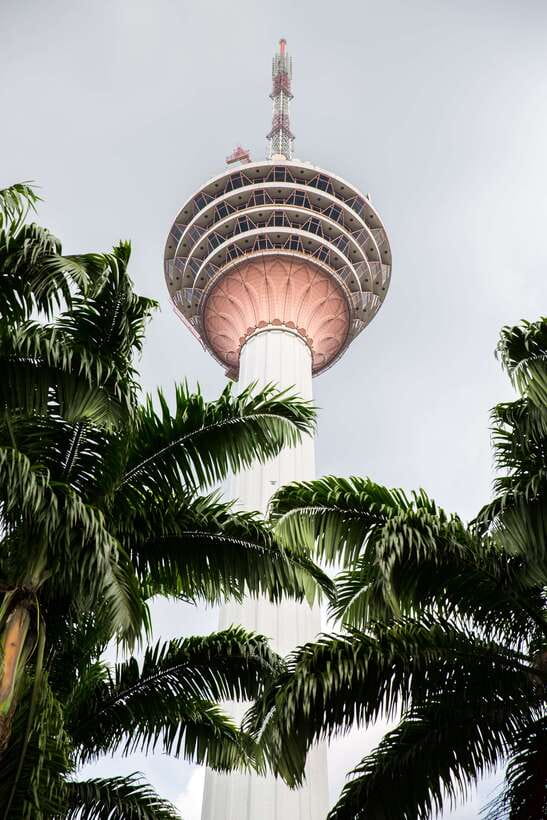
- Kuala Lumpur Tower: panoramic views from the city’s highest point
- Price and value: what $146 covers (and what it doesn’t)
- Who should book this photo tour, and who might skip it?
- Should you book this half-day Kuala Lumpur photo tour?
- FAQ
- What’s included in the tour price?
- Is food included?
- Do I need to buy tickets for Petronas Twin Towers or Kuala Lumpur Tower?
- How long is the tour?
- Where do I get picked up?
- What’s the cancellation policy?
Key highlights worth planning around
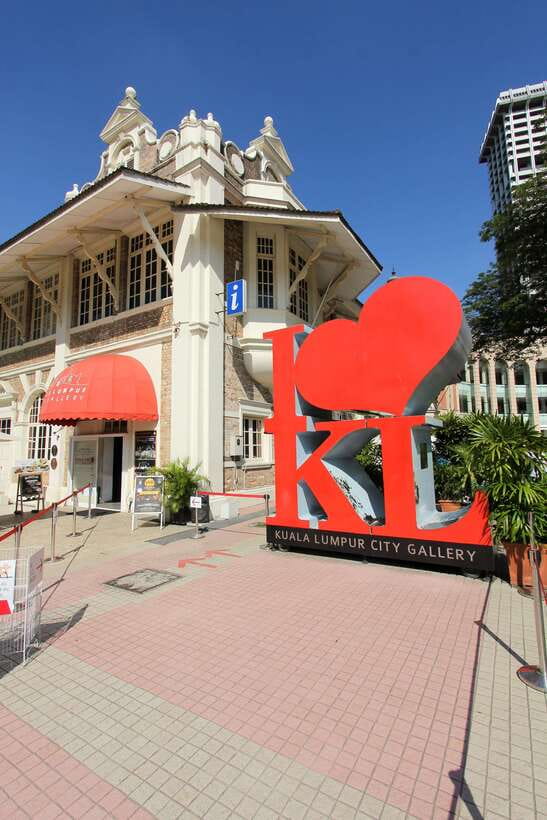
- Petronas observation deck + the 2-story bridge for a different angle on the city
- Kuala Lumpur Tower (observation deck + skydeck) to top off the day with panoramic views
- Iconic architecture stops like the National Mosque and Kuala Lumpur Railway Station
- Temple and culture photo opportunities at Thean Hou Temple and the surrounding neighborhood
- A museum stop for close-up detail photos featuring traditional weapons, costumes, and instruments
- Private group pacing with a guide who can steer you to the best photo moments
A 6-hour Kuala Lumpur plan built for photo stops (not chaos)
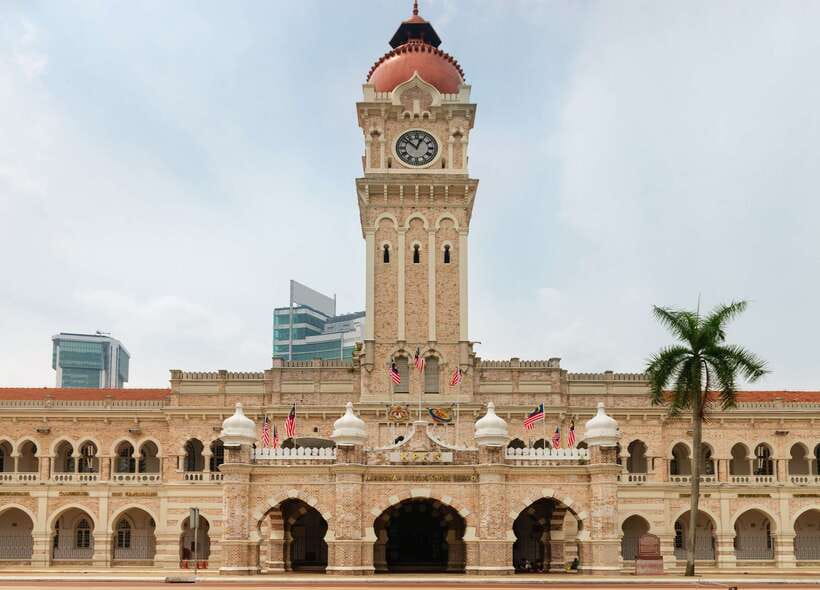
This tour is short enough to feel focused, but long enough to cover real variety: modern icons, colonial-era design, religious architecture, and museum-quality artifacts. You’ll move through several areas of central Kuala Lumpur, so good shoes help, and it’s worth keeping your camera ready between stops rather than waiting until you’re already at the curb.
The private format matters more than you might think. With a smaller group and an English-speaking guide, you can spend less time negotiating logistics and more time composing photos—especially at timed entrances like the Petronas viewpoints.
One more practical note: food and beverages aren’t included, so decide ahead of time whether you’ll grab something before the tour or keep it simple afterward. That way you’re not hunting for a quick meal while you should be lining up your next shot.
Istana Negara and Merdeka Square: starting with power, then symbolism
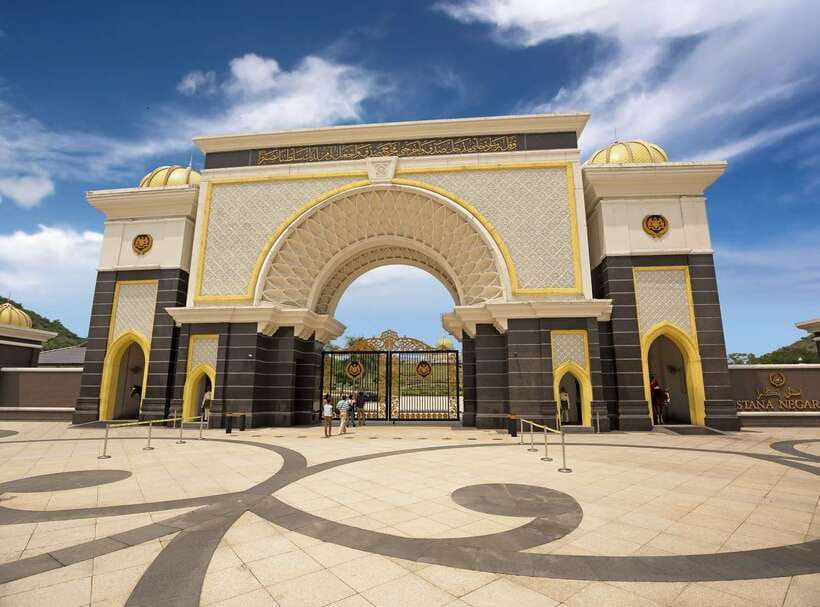
A strong way to understand Kuala Lumpur is to start with places that explain who’s in charge—and why. The route includes Istana Negra (King’s Palace), where you’ll get a stunning view over the Klang River. That water-and-skyline perspective gives you an easy “orientation photo” that anchors the rest of your day.
Then you’ll be at Merdeka (Independence) Square for a quick stop that’s all about meaning as much as images. It’s one of those places where your photos won’t just look good—they’ll also make sense later, because the area is tied to Malaysia’s independence story.
Because your time is limited, this part of the day works best if you treat it like a photo checkpoint. Don’t try to capture everything. Pick the best angle, grab a few frames, and keep moving.
Petronas Twin Towers: observation deck plus the 2-story bridge
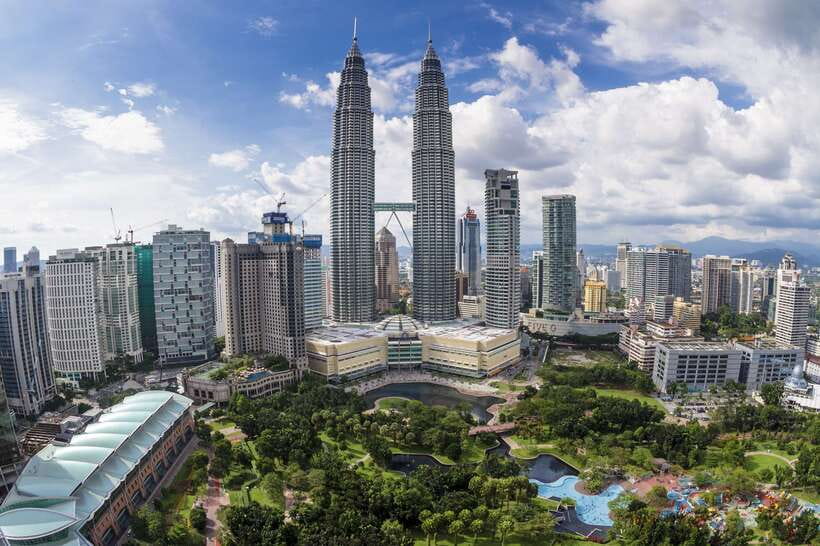
The Petronas Twin Towers are why this tour gets booked again and again. You get a visit to the observation deck inside the complex (tickets are included, subject to availability), and you’ll also step onto the 2-story bridge for views from a different perspective than street-level photos.
Here’s the value: Petronas photos usually fall into two categories—classic exterior shots, and interior height shots. This tour tries to cover both. The deck lets you frame the city from above, while the skybridge adds that signature “connected towers” composition that’s hard to replicate on your own without planning and timing.
In recent bookings, people highlighted that the guide support can be a big deal here. Some guides—like Mr. Jacop—were praised for organizing the Twin Towers tickets early and being on time with pickup, which helps when you’re trying to avoid wasting daylight.
Small tip: treat the bridge like a photo set. Move slowly, watch for where foot traffic thins out, and take a few wider shots before zooming in.
Perdana Botanical Garden (Lake Gardens): quiet relief in the middle of the day
After the “big icon” stops, you’ll get a breather at Perdana Botanical Garden (also referred to as Lake Gardens). This is your reset button: more breathing room, calmer walking, and softer light for photos that aren’t dominated by steel and stone.
In a half-day schedule, garden time is smart. It breaks the visual rhythm so your photo set has variety. Expect this to be a short stop, so don’t plan on marathon wandering. Instead, look for a few strong angles—paths, greenery framing, and any open spots where you can shoot without constantly dodging crowds.
If you’re traveling with a strong photography itch, think of this as the segment where you slow down. The goal isn’t quantity. It’s adding texture to your KL story.
National Museum: close-up detail photos you can actually enjoy

One of the best “photo value” stops on this route is the National Museum. You’ll see ancient Malaysian artifacts and you’ll have a chance to take pictures of traditional weapons, costumes, and musical instruments.
Why it’s worth your time: camera-ready culture shots usually require patience. A museum is one of the few places where you can slow down and photograph subject matter that’s designed for attention. Even in a limited timeframe, you can aim for a theme—costumes for pattern, instruments for form, weaponry for historical detail.
Do keep expectations realistic. The tour is still six hours total, so this isn’t an all-day museum visit. You’ll get a taste, not a full research session. If you love museum stops, pick a few display types and focus your attention there.
National Monument: a quick stop with heavy meaning
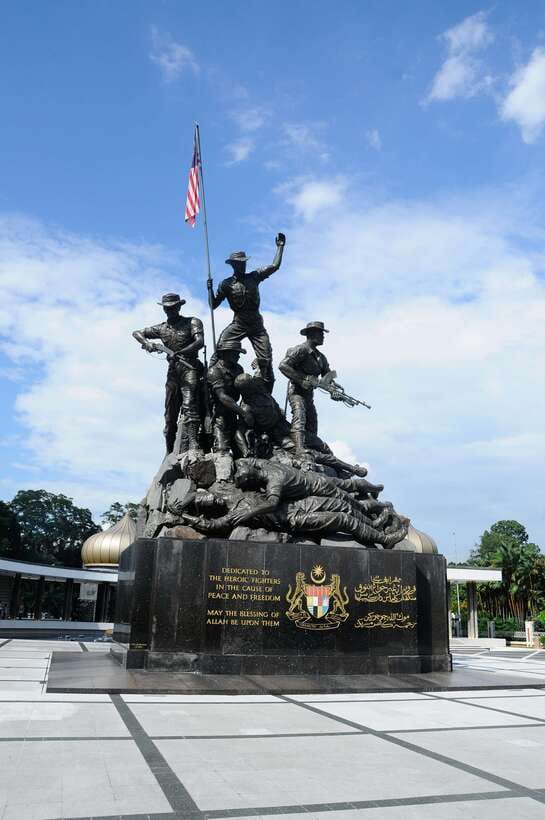
Next up is the National Monument—a stop that matters because it’s Malaysia’s symbol of struggles from World War II. This is one of those places where photos can feel almost symbolic by accident: the monument’s scale and layout naturally create strong “story” images.
The practical downside is also part of the appeal. It’s a short stop, so you won’t have time for long reading breaks. If you want deeper context, give yourself a quick moment to scan what’s around you before you start photographing.
The National Mosque: 73-meter minaret and East-West architecture
The National Mosque of Malaysia is a standout for architecture photography. You’ll see a 73-meter-high minaret and a design described as a mix of eastern and western influences.
For your camera, this place offers angles you can’t fake. The mosque’s geometry tends to produce clean lines, and the minaret gives you that vertical photo structure that makes your skyline comparisons later feel connected.
A useful approach is to shoot in layers. Get one frame that includes the minaret’s full vertical presence, then follow up with closer details where you’ll capture the patterns and architectural transitions.
Also remember that religious sites often have rules about behavior and attire. Even though the tour doesn’t spell out clothing requirements here, it’s smart to dress respectfully so you don’t have to rush or worry.
Thean Hou Temple and Kuala Lumpur Railway Station: temples and transport architecture
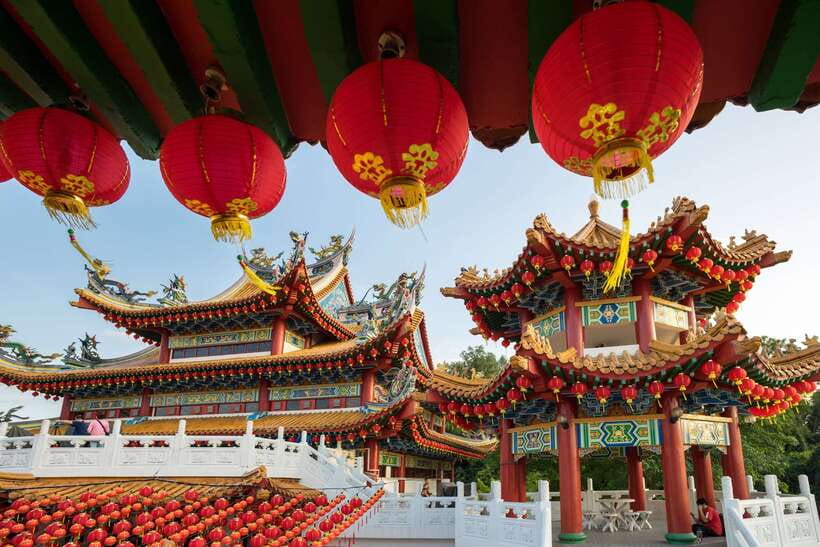
This tour doesn’t only chase towers—it also goes after character. Thean Hou Temple is a major highlight: a six-tiered temple dedicated to the goddess Tian Hou. You’ll see ornate carvings, elegant roofs, and intricate wall embellishments, and the site reflects a kind of “religions in one frame” idea, where Buddhism, Confucianism, and Taoism can exist side by side.
In a photo set, this is gold. Temples deliver detail—curves, inscriptions, rooflines, and layered decorations—that exterior-only sightseeing can’t match.
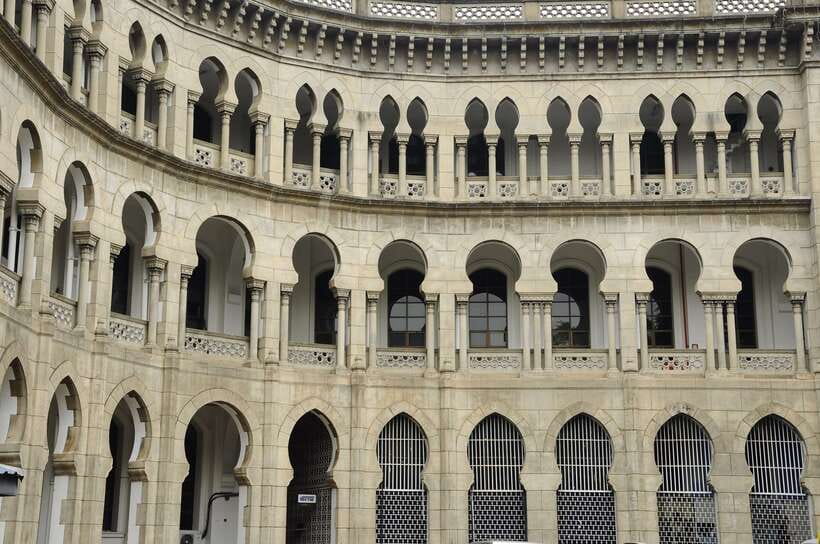
Then you’ll also see the Kuala Lumpur Railway Station, known for its Anglo-Asian design. The station was created by English architect Arthur Benison Hubback, and that European-leaning influence shows up in the building’s styling. If you’re into architecture shots, pair this with your temple frames. It’ll give your photos a bigger cultural range than just religious structures and skyscrapers.
As with all architecture stops, the most important thing is patience with angles. Take a wider shot first, then reposition for details once you’ve found a clean background.
Kuala Lumpur Tower: panoramic views from the city’s highest point
To cap the day, you’ll go to Kuala Lumpur Tower for panoramic views from the city’s highest point on the itinerary. You’ll visit the observation deck and skydeck, which is where your photo set shifts from landmark shots into true city-overview territory.
This is the segment where you get to understand distances. Seeing KL from above helps you connect the dots between what you photographed earlier: rivers, districts, and the “how it all fits” layout that’s difficult at ground level.
There’s also an architectural detail noted for the tower’s design: domes shaped like Persian muqarnas, described as designed by Iranian architects connected to Isfahan. Even if you’re not hunting for that exact visual pattern, it’s a reminder that this stop isn’t only about height—it’s about design.
Quick photo advice: try a few directions. The best KL tower images often come from choosing one main viewpoint, then adding a second one to show the city’s spread.
Price and value: what $146 covers (and what it doesn’t)
At $146 per person for about six hours, this can be good value if you’re the type who wants the major viewpoints without extra planning headaches. What you get is meaningful:
- Hotel pickup and drop-off
- A 6-hour sightseeing tour with an English-speaking driver/guide
- Petronas Twin Towers tickets (subject to availability), with skip-the-ticket-line
- Kuala Lumpur Tower tickets for the observation deck and skydeck
Those included tickets are often the part that quietly changes the math on your own. When you factor in transport time and the effort of timing entrances, a guided half-day starts to feel more like buying convenience plus access.
What’s not included is straightforward: food and beverages. Also, the day’s flow can shift. Tours can change due to unforeseen circumstances, and you should expect guidance to adapt quickly.
Who should book this photo tour, and who might skip it?
Book it if you want a photo-focused loop that hits KL’s most recognizable modern landmarks and also makes room for culture and architecture. It’s especially good for first-timers who want a broad sampling without committing to a full-day program.
It’s also a smart fit if you care about viewpoint access. Going up to the Petronas observation deck and the KL Tower skydeck in one half-day is a practical win.
Consider skipping if you’re the type who wants slow travel, long museum time, or deep reading at every site. This schedule is designed for movement and momentum, not lingering for hours at any single attraction.
Should you book this half-day Kuala Lumpur photo tour?
If your goal is a strong first KL photo set—towers, bridges, major monuments, temple detail, and a museum taste—then yes, I’d book it. The included tickets, hotel pickup, and skip-the-line approach remove the most annoying parts of a sightseeing day.
My one caution is about expectations: six hours is tight. You’ll get plenty of variety, but you won’t get unlimited time at every stop. If you’re honest with yourself about prioritizing your favorite moments, this tour is a clean way to see the city without wasting the day.
FAQ
What’s included in the tour price?
It includes hotel pickup and drop-off, a 6-hour sightseeing tour, an English-speaking driver/guide, tickets for the Petronas Twin Towers (subject to availability), and tickets for Kuala Lumpur Tower (observation deck + skydeck).
Is food included?
No. Food and beverages are not included.
Do I need to buy tickets for Petronas Twin Towers or Kuala Lumpur Tower?
You don’t have to buy them separately for this tour. Tickets for both are included, with Petronas tickets subject to availability, and the tour notes that you can skip the ticket line.
How long is the tour?
The tour duration is 6 hours.
Where do I get picked up?
Pickup is included from your hotel in Kuala Lumpur.
What’s the cancellation policy?
The tour offers free cancellation up to 7 days in advance for a full refund, and it can be cancelled up to 1 week before the selected date. The schedule can also change due to unforeseen circumstances, with notice provided as soon as possible or a full refund if needed.