REVIEW · PANNA MEENA KA KUND
Jaipur: Instagram Tour of The Best Photography Spots
Book on GetYourGuide →Operated by Keeper Landwey · Bookable on GetYourGuide
Your camera will work overtime in Jaipur. This private 6–7 hour photo tour strings together the Pink City’s most symmetrical shots—especially the iconic corridors at Patrika Gate—while your guide brings the context, whether it is Irfan Ali, Kishor, Brajesh, or Kamran. I like that the guide actively helps with photo angles, not just directions, and I like the calm logistics: a dedicated driver, an air-conditioned car, and skipping the worst of ticket lines.
One catch: it moves at a photo pace, with walking, shoe-off moments at worship spaces, and stairs at Panna Meena ka Kund. If you want a slow stroll with long sit-down breaks, this setup may feel too tight.
In This Review
- Key photo stops and why they matter
- Entering Jaipur’s photo rhythm with a private guide and car
- Time on your side: how the 6–7 hour schedule feels in practice
- Patrika Gate: the Pink City corridor shot you cannot fake
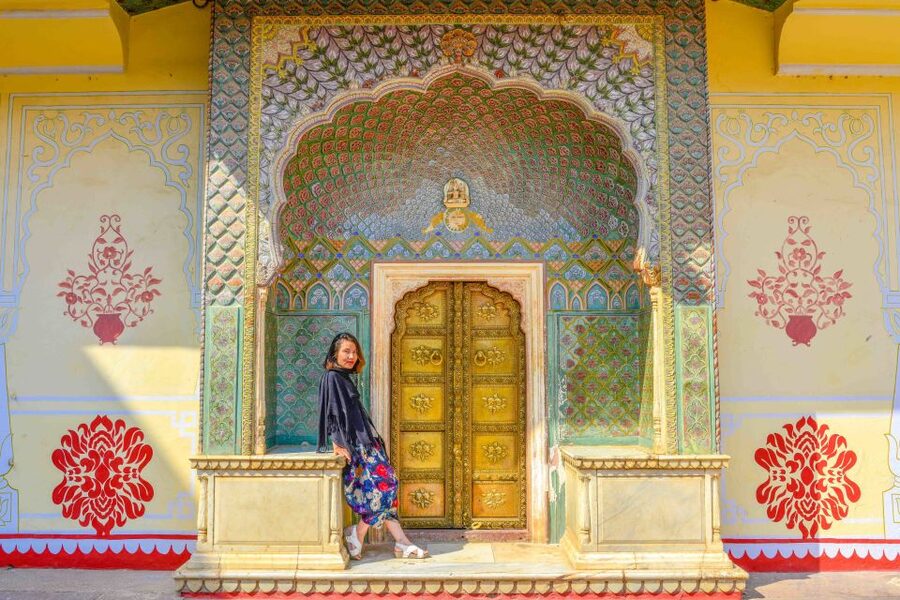
- Panna Meena ka Kund: the stepwell that turns into a photo maze
- Jal Mahal: the Water Palace view and the seasonal bird bonus
- Jantar Mantar: giant instruments that look like science fiction
- Hawa Mahal and City Palace: what you can see vs. what you might miss
- Amer Fort pols and courtyards: thick-door drama and clean compositions
- Optional Jaigarh hike: when you want the city-top perspective
- Street-style in the bazaars: photos without turning into a shopping trap
- Price and value: why $75 can work for the right traveler
- What to bring (and what to leave for later)
- Who should book this Jaipur photography tour, and who should skip it
- Should you book this Jaipur Instagram photo tour?
- FAQ
- How long is the Jaipur Instagram photo tour?
- What is included in the price?
- Are tickets to Hawa Mahal and all City Palace areas included?
- Do I need to buy entrance tickets on my own?
- Are camera fees included?
- Can I bring my camera equipment, like a tripod?
- What languages are offered for the guide?
- Is pickup available from any hotel in Jaipur?
Key photo stops and why they matter
- Patrika Gate at morning light: Colorful corridors made for clean portraits and sharp symmetry.
- Panna Meena ka Kund stepwell geometry: A historic maze of angles that looks great from multiple viewpoints.
- Jal Mahal views: The Water Palace look, plus seasonal migratory bird spotting when timing lines up.
- Jantar Mantar’s giant sundial: Unexpected scale for photos that do not look like typical sightseeing snaps.
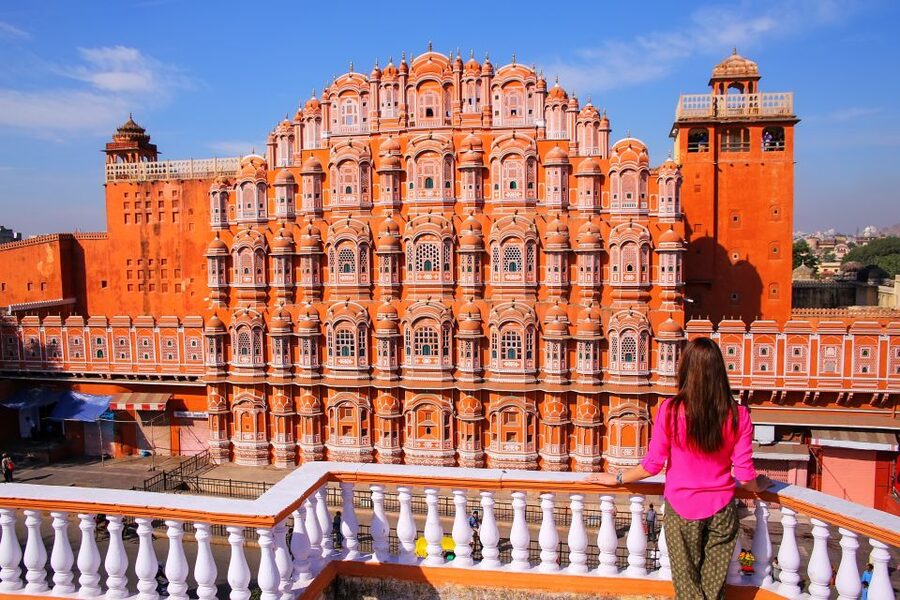
- Hawa Mahal from the right angle: The city’s most photographed facade, even if you cannot enter the building.
- Amer Fort pols and courtyards, plus optional Jaigarh: Thick-door drama up close, and a city-top perspective if you add the hike.
Entering Jaipur’s photo rhythm with a private guide and car
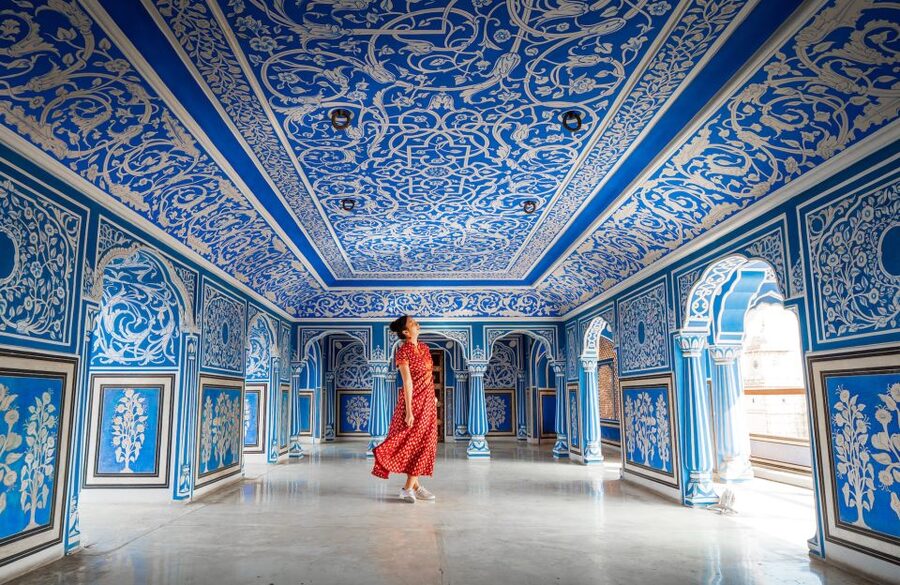
Jaipur is a city where pictures happen fast. Color, texture, and repeating patterns are everywhere, but the trick is getting the right angles before the light changes or the crowds shift. That is where this tour earns its keep.
You will have a private car with a chauffeur and a guide with you at all times. In real terms, it means you are not losing time in the chaos of finding parking, arguing about routes, or waiting for your turn to enter. One of the consistent themes from the experience is that the guide also acts like your photo assistant. People who want solo shots, couple portraits, or “someone else take the picture” moments usually get that handled for them.
Guides you might meet include names like Irfan Ali, Kishor, Brajesh, Kamran, and others. Even if the guide changes, the service goal stays the same: help you get the shot and explain why the building looks the way it does. It is not only Instagram points—it is the story behind the symmetry.
Time on your side: how the 6–7 hour schedule feels in practice
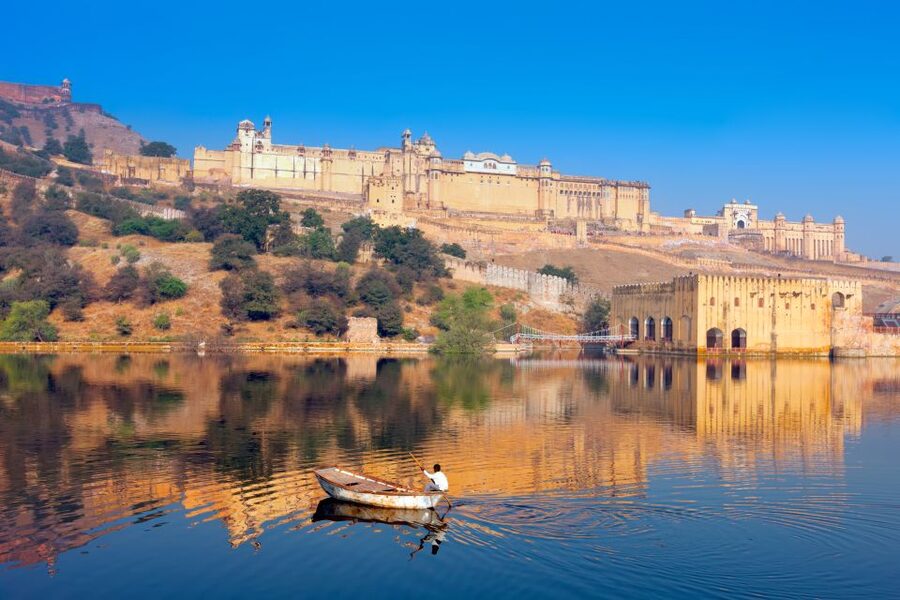
This tour is built for a long day, not a half-day drift. Plan for 6–7 hours of movement and photo stops, with each location getting enough time to capture multiple angles and not just one quick phone pic.
A practical tip: arrive 15 minutes early at the meeting point. With Jaipur traffic, that buffer matters. Also, keep your camera and phone ready for quick pull-outs. The tour emphasizes morning light at Patrika Gate, so if you show up late there, you will miss the best chance for softer color and cleaner backgrounds.
Because entry time can vary and each stop has its own rules, your guide may adjust the exact pacing. The experience is private, so they can also steer you toward your photo priorities—architecture first, then street-style, then whatever optional add-ons you still have energy for.
Patrika Gate: the Pink City corridor shot you cannot fake
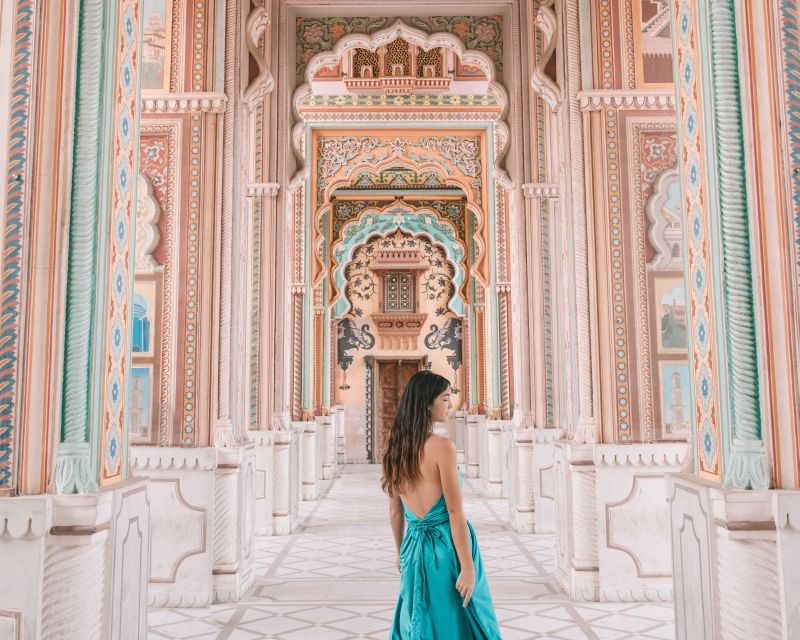
Patrika Gate is where a lot of people’s Jaipur photo dreams start. The famous corridors are bright, patterned, and naturally frame portraits. The reason it looks so good in photos is simple: the geometry is doing the work for you.
Expect a stop designed for picture-taking: you will want to position yourself so the arches lead the eye through the frame. If you are shooting with a phone, stand a step or two back to include more of the corridor depth. If you are using a camera, this is a great place for experimenting with perspective—wide shots for symmetry, and tighter compositions for individual arches.
The guide’s photo help is especially useful here. Getting the perfect line-up often takes a few tries, and the guide will usually help you reposition without turning it into a slow production. If you are the type who keeps shooting because it might be the “best one,” this is a spot where that energy pays off.
Panna Meena ka Kund: the stepwell that turns into a photo maze
Next comes Panna Meena ka Kund, often described as a technical marvel disguised as a photo set. The stepwell’s power is its geometry: repeated steps, angles, and walls that create strong lines even when the place is busy.
This is also one of the stops where you feel the “photo pace” more. There are stairs involved, and you will likely end up moving around to find the best viewpoint. Wear shoes that can handle uneven surfaces, because you want to focus on composition, not on balancing.
Photo tip: look for the moment when lines converge. With stepwells, the structure gives you natural vanishing points. For group shots, place people where the structure leads back into depth so the background does not swallow them.
If you are short on mobility or have back issues, this is one stop to treat cautiously. The overall tour includes several walking-heavy areas, and this one is particularly stair-oriented.
Jal Mahal: the Water Palace view and the seasonal bird bonus
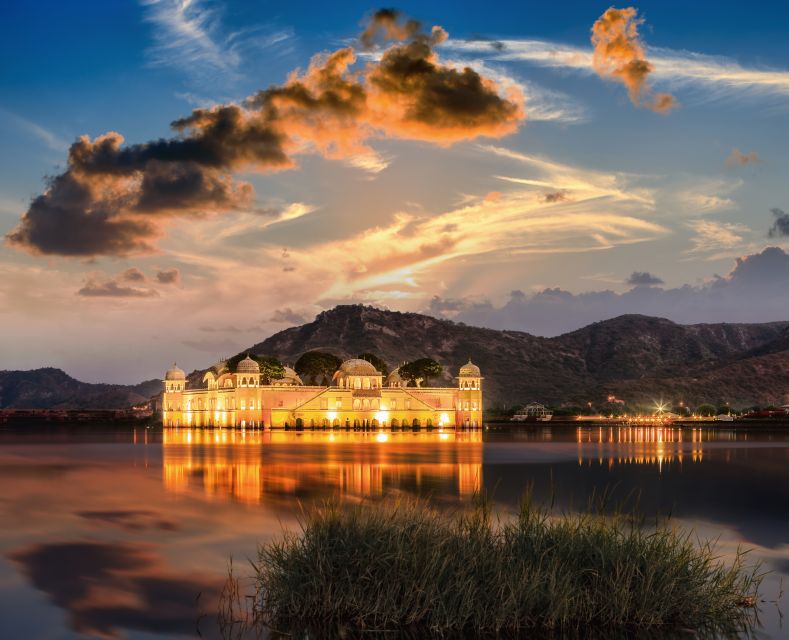
Jal Mahal is the Water Palace, and it photographs well because of the contrast: the palace silhouette against water tones. Even if you do not know the building’s details, your eye will recognize the “postcard framing” right away.
The tour includes this viewpoint stop, and it also notes a seasonal bonus: migratory bird sightings may happen depending on the time of year. You will not control the birds, of course, but this is a place where patience can pay off.
Practical note: plan for heat. Jaipur sun can be intense, and a big portion of your day is outdoors. The tour helps with complimentary water bottles and umbrellas, which is a small thing that makes the difference between “nice day” and “why am I sweating so much?”
Jantar Mantar: giant instruments that look like science fiction
Jantar Mantar is where Jaipur surprises people. Instead of repeating arches and facades, you get massive astronomical instruments—scale that looks odd in person but turns impressive in photos.
This stop is perfect if you want variety in your feed. A lot of Jaipur Instagram content is architectural, but Jantar Mantar gives you angles, shadows, and oversized objects that create a more unusual story.
Try this: when you arrive, take one wide shot for context, then move for detail shots. The “wow” photos often come from placing your camera so the instruments frame you, not the other way around. Your guide can help you figure out where to stand for the clearest views.
Hawa Mahal and City Palace: what you can see vs. what you might miss
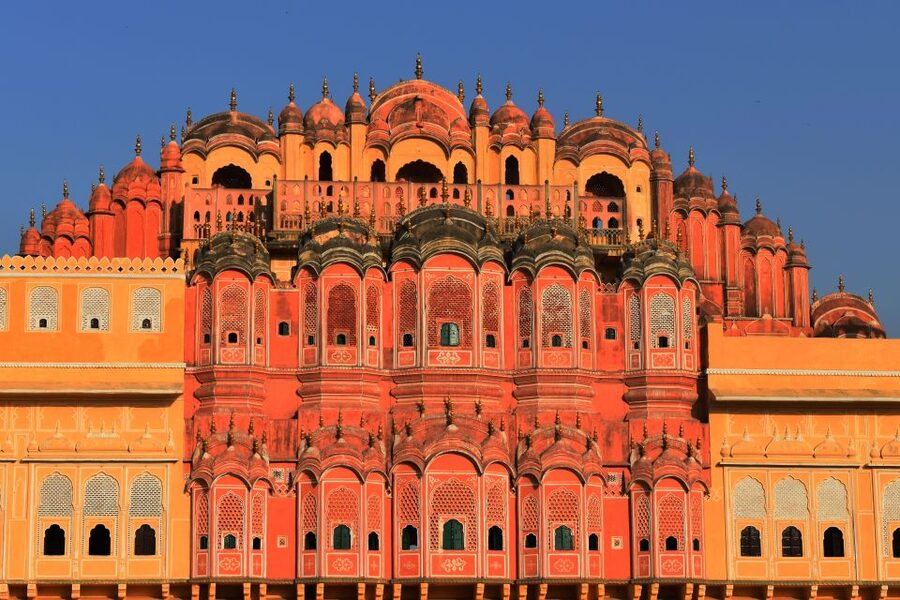
Hawa Mahal, the Palace of Winds, is Jaipur’s signature landmark. It is the most photographed facade for a reason: the window pattern is pure visual rhythm. Even if you do not go inside, you can still get strong photos because the building is made for viewing from the street and nearby vantage points.
Here is the practical consideration: the tour includes entrances to monuments, but tickets inside Hawa Mahal and specific areas of City Palace (like Chandra Mahal) are not included. That means you may still photograph the exterior and certain accessible parts, but you might not get every interior room without paying separately.
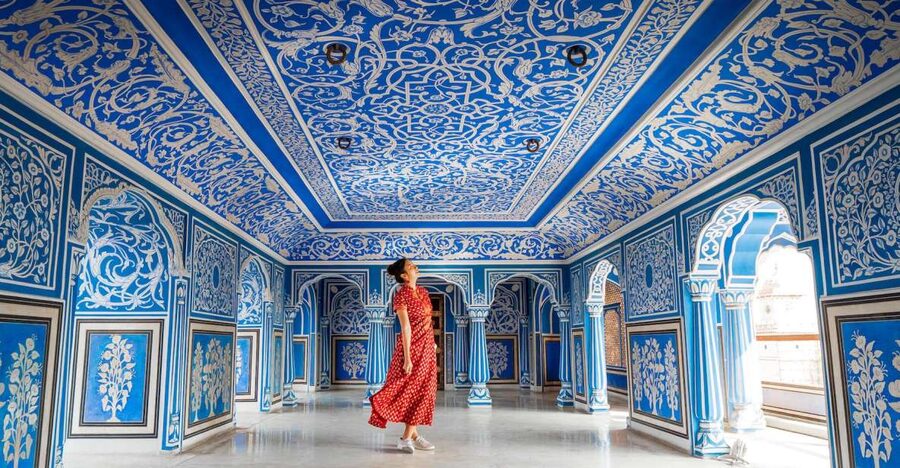
If you choose to add the optional “one step further” elements, you may visit grand rooms of City Palace and the blue-walled Chandra Mahal. That option is worth considering if you care about the feel of royal spaces, not just the facade.
Photo tip for Hawa Mahal: avoid shooting straight-on only. Step slightly to catch how the facade layers and repeats. For City Palace areas you can access, look for doors, courtyards, and the way light hits carved edges.
Amer Fort pols and courtyards: thick-door drama and clean compositions
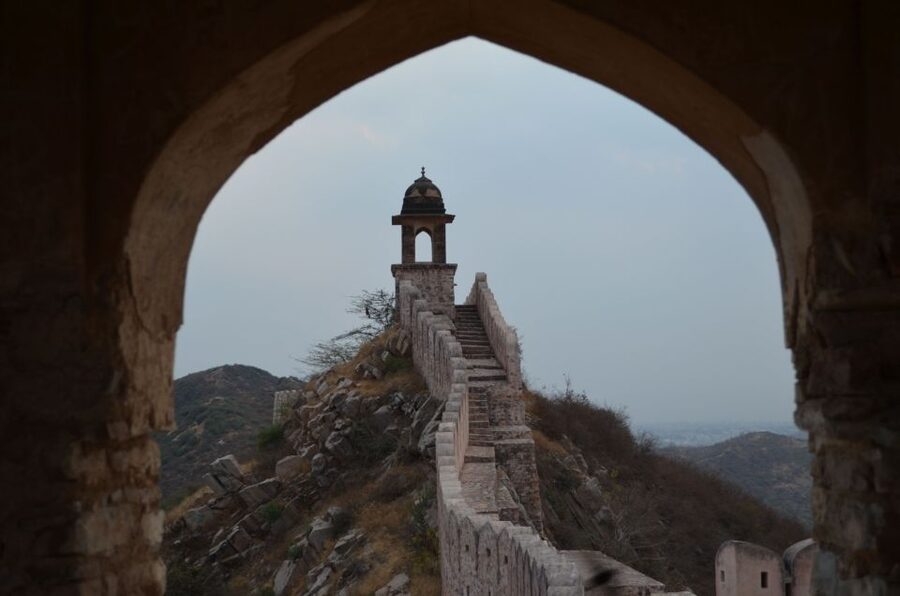
Amer Fort is where Jaipur’s scale gets real. The tour focuses on photo-friendly areas like the pols and courtyards—those inner passages and framed spaces that let you capture antique doors against architectural backdrops.
This is a strong stop for three reasons:
- The textures read well in both phone and camera shots.
- The courtyards create built-in symmetry options.
- You get photo angles that feel less generic than the main exterior views.
One practical note from the way these stops are typically run: you may end up walking through multiple “photo zones” in a short time. If you want to linger, tell your guide early. A lot of the tour’s success depends on not feeling rushed, and your guide can often adjust time between stops as long as the schedule still works.
Optional Jaigarh hike: when you want the city-top perspective
If you want something different from fort doors and facades, there is an optional hike to Jaigarh for a bird-eye view of the city. This adds effort, but it also adds variety to your photo set.
Choose this option if:
- you enjoy views and wide angles,
- you want a break from tight architectural compositions,
- you can handle a bit of physical movement.
Skip it if you already know you will feel it in your legs later. This tour already includes stairs at at least one key photo stop, so your body’s stamina should guide your decision.
Street-style in the bazaars: photos without turning into a shopping trap
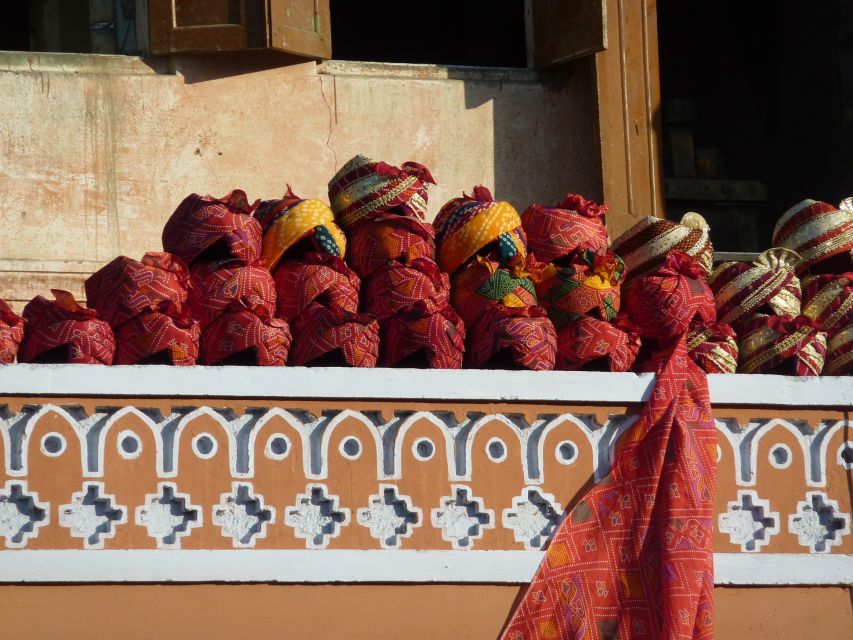
Jaipur’s markets are a great place for street-style photos. The tour includes the option to walk around bazaars to capture colorful market scenes, including candid-looking portraits and everyday textures.
Two practical tips to keep this fun:
- Set expectations with your guide before you start shopping-heavy areas. If you are here for photos, say so.
- Stay focused on compositions. Markets can pull you into buying mode, which wastes time and often clutters your day.
Also, you will likely walk on uneven sidewalks. That is another reason comfy shoes matter.
Price and value: why $75 can work for the right traveler
At about $75 per person, this tour is priced for people who want convenience and photo outcomes, not just a list of landmarks. Here is what you are paying for:
- Private guide with on-site photo help, not a hands-off walking tour.
- Private air-conditioned car with chauffeur and pickup/drop-off from anywhere in Jaipur city limits.
- Entrance tickets to monuments, plus skip-the-ticket-line help.
- Light lunch.
- Small but real extras like water bottles and umbrellas, which help during long outdoor photo sessions.
If you tried to do this alone, you would spend time coordinating transport, buying tickets, and figuring out the best angles. And in Jaipur traffic, “alone” can quickly become “stressed.” The chauffeur and route planning are a big part of the value.
One more value factor: the tour is structured around photo stops that naturally produce different types of images—symmetry, portraits, geometry, giant instruments, and street-style. If your goal is a strong set of photos for your trip (and not just one or two hero shots), this format is efficient.
What to bring (and what to leave for later)
Bring a passport or ID card. You will also want comfortable shoes. Jaipur’s photo stops are worth your effort, but your feet should not be the limiting factor.
Camera-wise, charge your devices in advance. Extra batteries help because you will shoot more than you think—especially at Patrika Gate and Amer Fort. Tripods and accessories are not included, so if you rely on them, plan ahead and consider any monument rules.
One more “don’t get caught” item: you must remove your shoes in temples and other places of worship. If you want a smoother day, wear shoes that are easy to take off and put back on.
Who should book this Jaipur photography tour, and who should skip it
Book it if:
- you are on your first trip to Jaipur and want the key sights in one day,
- you care about getting better photos than you would on your own,
- you want a guide who can explain buildings while helping with photo positioning,
- you are traveling solo and want your face in pictures without awkward self-timer gymnastics.
Consider skipping or adjusting the plan if:
- you have back problems or mobility limits. The tour includes stairs and walking, and it is not recommended for limited mobility even though it is listed as wheelchair accessible,
- you hate “scheduled intensity.” This is a 6–7 hour photo run, not a relaxed stroll.
If you are unsure, tell your guide what matters most: interiors vs. exteriors, portrait shots vs. architecture, and whether you want the Jaigarh hike.
Should you book this Jaipur Instagram photo tour?
If your goal is to leave Jaipur with a folder of strong, varied photos—and you do not want to spend your day wrestling with routes, tickets, and timing—this tour is a good call. It is built around the city’s most photogenic geometry, and it handles the practical stuff that usually turns sightseeing into a chore.
I would book it for first-timers, couples, and anyone chasing a clean Instagram-ready set. I would think twice if you need a low-walking day or if you are expecting guaranteed full access to every interior space like Hawa Mahal or Chandra Mahal without extra cost.
If you match the tour style—active, outdoors, photo-focused—you will likely find it worth the $75.
FAQ
How long is the Jaipur Instagram photo tour?
The duration is 6 to 7 hours.
What is included in the price?
Included are pickup and drop-off from within Jaipur city limits, a private tour guide, entrance tickets to monuments, sightseeing in a private air-conditioned car with chauffeur, light lunch, parking fees/tolls/fuel/taxes, and complimentary water bottles and umbrellas.
Are tickets to Hawa Mahal and all City Palace areas included?
No. Tickets inside Hawa Mahal and specific areas of City Palace (including Chandra Mahal) are not included.
Do I need to buy entrance tickets on my own?
You should not need to buy entrance tickets for monuments covered by the tour, since entrance tickets are included. Some areas like Hawa Mahal interior and specific City Palace areas are excluded.
Are camera fees included?
Camera and video charges at monuments are not included if applicable.
Can I bring my camera equipment, like a tripod?
You can bring a camera and accessories, but they are not provided by the tour. Tripods and extra batteries are allowed for you to bring.
What languages are offered for the guide?
Guides speak Spanish, English, and Hindi.
Is pickup available from any hotel in Jaipur?
Pickup is included from anywhere in Jaipur city limits, and the pickup time is confirmed after booking.