REVIEW · ROME
Expert Photographer of Rome with Guide
Book on GetYourGuide →Operated by picrider · Bookable on GetYourGuide
Rome looks different with the right lens. This short photo-and-sight walk turns Roman landmarks into natural-looking portraits while you also get the city context you usually miss on your first day.
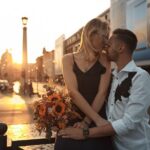
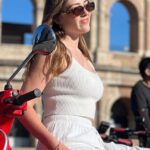
I really like the combination of professional posing direction and the focus on using the sun’s light, not harsh flash or forced “model” faces. You’re not just stopping for photos—you’re being guided into poses that feel like you, so the results look real.
One thing to consider: 1.5 hours is tight. If you want a full, slow, history-heavy tour, this isn’t that kind of pace—you’ll get a smart overview plus photo time, and you’ll still need a longer visit afterward to go deeper.
In This Review
- Key highlights you’ll feel right away
- Why Rome’s light matters for better photos
- Small group pacing: up to 6 people in 1.5 hours
- Getting started at Via del Colosseo, near the metro
- The Colosseum + Roman Forum photo flow
- Capitoline Hill and Piazza Venezia: viewpoints that make photos look 3D
- Pantheon and Trevi Fountain: iconic exteriors, guided pacing
- Spanish Steps and Castel Sant’Angelo: the walk ends with momentum
- The pictures you get back: RAW or JPEG, plus real posing direction
- The guide’s bonus value: local restaurant picks that help you avoid tourist traps
- Price and value: $71 for photos plus a mini Rome crash course
- Who this tour fits best (and who should think twice)
- Should you book this Rome expert photographer tour?
- FAQ
- How long is the experience?
- Where do we meet?
- How many people are in the group?
- What languages are available?
- What photos do I receive at the end?
- Is it only for people who know how to pose?
- Does the tour focus on specific lighting or times of day?
- Can I request a certain photo style or focus?
- What sights are included?
- Is there free cancellation?
Key highlights you’ll feel right away
- Small group of up to 6 keeps the pace calm and gives you attention for your photos
- Original sun lighting helps your images look warm and natural
- Photo coaching focuses on poses that don’t look staged
- Mini city orientation: you’ll learn how the sights connect and where to go next
- Local restaurant recommendations that help you avoid the tourist-trap routine
Why Rome’s light matters for better photos
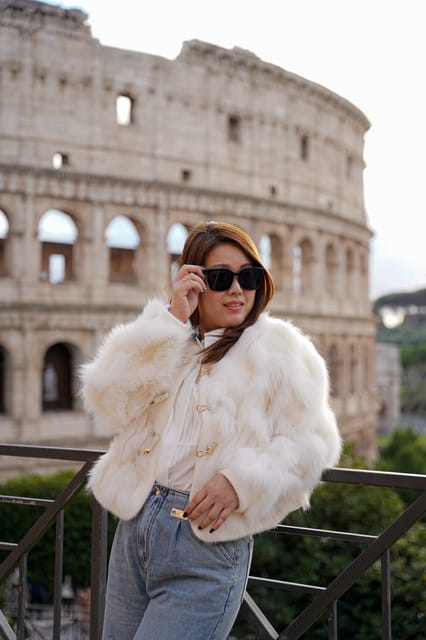
If you’ve ever tried to take “nice photos” in Rome, you probably noticed the problem fast: light changes quickly, and the most iconic buildings can make even a good camera produce flat, overly bright shots. This experience is built around doing photos in the right natural light, so the architecture helps you instead of fighting you.
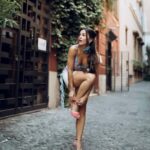
The big win is how you’re directed. You don’t just stand where everyone else stands. You get specific guidance on how to hold your body, where to turn, and how to look so the final images don’t feel like a chore. That’s what makes the photos feel like a memory instead of a performance.
Another detail I appreciate is the “natural pose” approach. The goal is not to copy Pinterest poses. It’s to get you looking comfortable and positive in the frame—so your face, posture, and expression match the Roman background instead of looking pasted onto it.
You can also read our reviews of more tours and experiences in Rome.
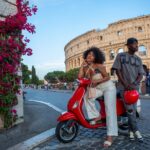
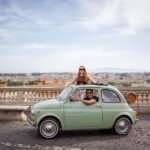
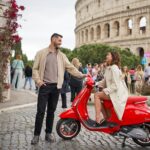
Small group pacing: up to 6 people in 1.5 hours
A group tour can either feel rushed or feel relaxed. Here, the limit of 6 participants matters. With fewer people, you get more time at each stop, and the photographer can adjust direction for different heights and comfort levels without slowing everything down.
The timing also helps. At 1.5 hours, you get a concentrated hit of major sights without spending your whole day in “tour mode.” That’s ideal if you’re in Rome for the first time and want a fast mental map, or if you’re returning and just want better photos than your phone can reliably produce.
The trade-off is also time. You’ll move through several landmarks, but it’s not a slow wander. If you want long, quiet moments inside churches, museums, or extended neighborhood exploration, you’ll want to pair this with other time on your own.
Getting started at Via del Colosseo, near the metro
The meeting point is straightforward: Via del Colosseo 31, about 30 meters from the Colosseo metro area. That’s a big practical plus in Rome, where “easy to find” can mean the difference between starting your trip relaxed or already stressed.
From the first minute, you’ll likely get a sense of how the tour works: walk to a landmark, take photos in the most photogenic position and light, then get a quick orientation on what you’re seeing before you move on. It’s built for momentum, not lingering.
The Colosseum + Roman Forum photo flow
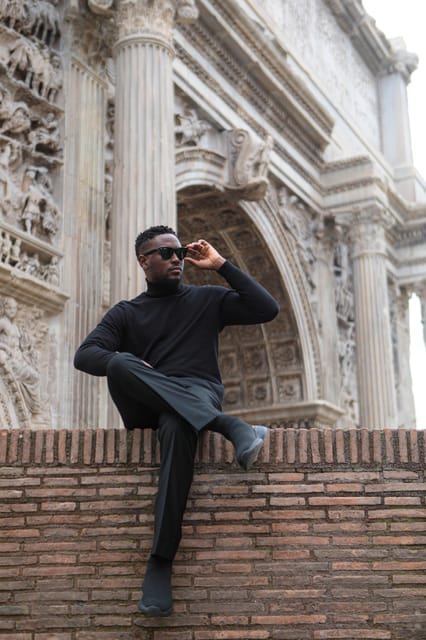
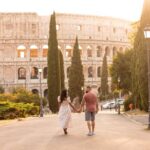
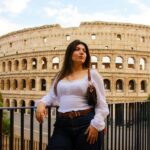
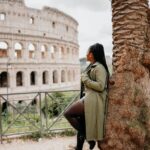
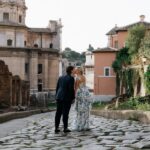
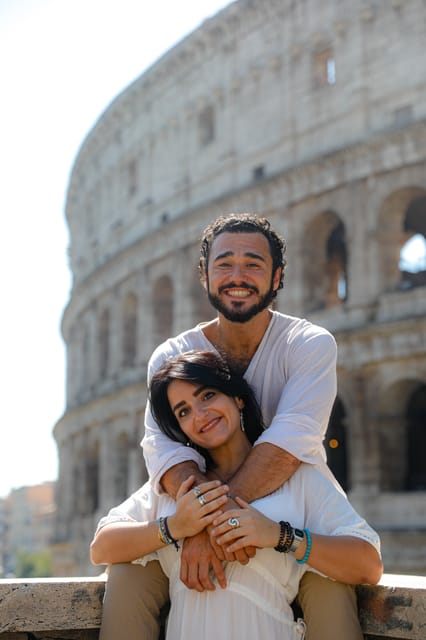
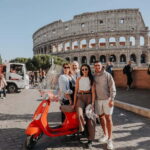
This is where the tour starts doing its real job: turning the most famous ruins into a set of photos that look intentional. You begin with a Colosseum photo stop and a chance to photograph Roman stone with cleaner light and better angles than you’d manage solo.
Then the route moves into the Roman Forum area, where you’ll get both brief guided context and another photo session. The Forum can feel confusing if you don’t know where to look. Even a short guided explanation helps you see the space as a connected site, not random blocks of rock.
What I like about this part is the balance between direction and discovery. You’re not handed a dense lecture. You’re shown what matters for your photos and how to read the area enough to enjoy it. It also sets you up for the next viewpoints, because the photographer’s “where to stand” instructions usually come with a quick reason.
A possible drawback: because the time is brief, you might not get the “every detail” version of the Forum. If you’re hoping for a full archaeological walkthrough, you’ll need to add that separately later.
Capitoline Hill and Piazza Venezia: viewpoints that make photos look 3D
Capitoline Hill is one of those Rome places where small changes in angle make a huge difference. Here, you’ll get a visit component and then a longer Capitoline Hill photo stop.
This is a smart segment for two reasons:
- The hill area naturally gives you lines and depth—great for portrait composition.
- You can frame the city in a way that makes the architecture feel like part of the story, not just a background.
Next comes Piazza Venezia, where you get guided context and another set of photo moments. Piazza Venezia is especially useful for people who want a photo walk that feels like Rome is unfolding around them. The light and geometry tend to reward you if you follow the photographer’s instructions instead of improvising.
I also appreciate that the tour doesn’t treat these stops as “photo only.” The short explanation helps you understand why the angle is worth using, so your photos look better and you enjoy the place more while you’re standing there.
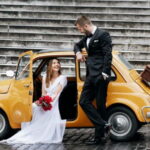
Pantheon and Trevi Fountain: iconic exteriors, guided pacing
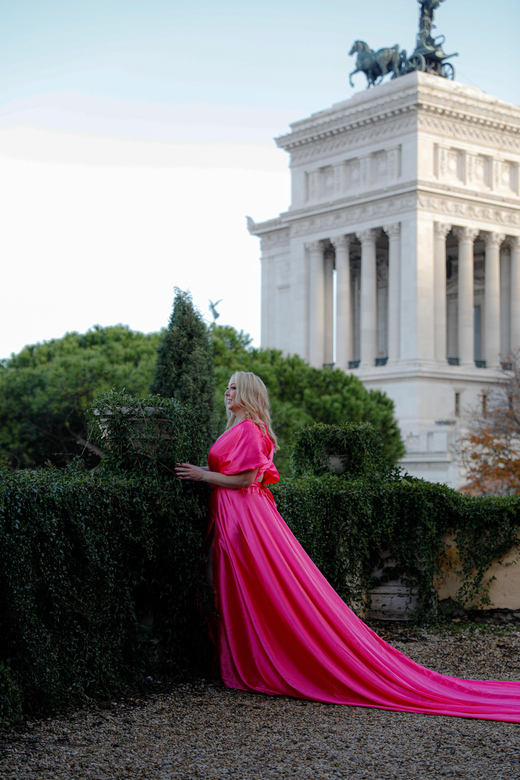
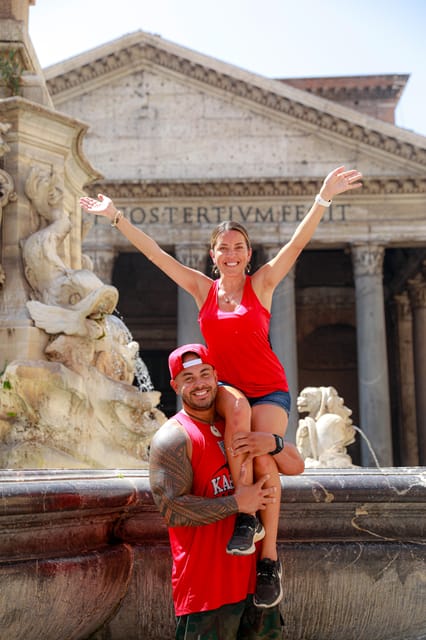
Now we hit two big hitters: the Pantheon and Trevi Fountain. These are the kinds of places where crowds and chaotic foot traffic can ruin your photos if you’re on your own. Having a focused plan—plus a guide—helps you use your time more intelligently.
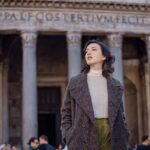
At the Pantheon, you’ll get a guided visit and then a photo stop. The guidance matters because iconic architecture is unforgiving. If your framing is off, the image looks either too flat or too crowded. With direction, you’ll likely get a better composition that highlights the building without turning your photo into a postcard collage.
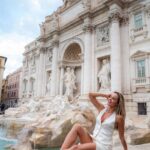
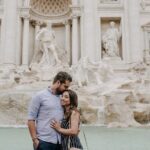
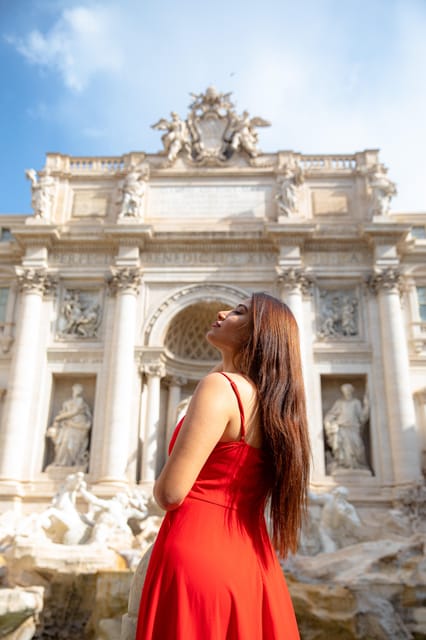
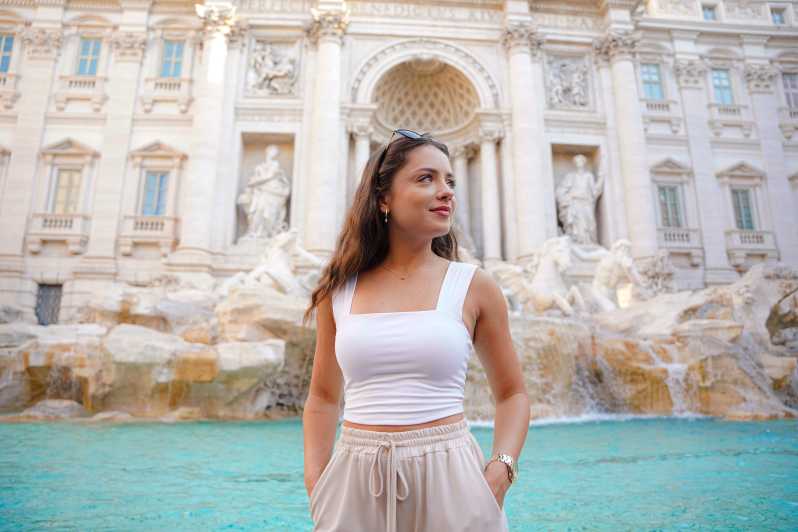
Trevi Fountain is the same idea, just with more people and more “look at me” distractions. You’ll get guided context, then time for photos. The real value is that you’re not stuck waiting around hoping the crowd thins enough to shoot. You’re working with the timing and light you have, using the photographer’s approach to create images that still look polished.
One note: Trevi and the Pantheon are famous for a reason, so expect it to feel busy. The small group size helps, but your photos will still be influenced by what’s happening around you.
Spanish Steps and Castel Sant’Angelo: the walk ends with momentum
The route continues to Spanish Steps, with a guided visit and then a dedicated photo stop. Spanish Steps can be tricky to photograph because the angles invite chaos—too many lines, too many people, too much background. With a photographer directing where to stand and how to pose, you can turn that busy setting into something more structured.
Finally, the tour reaches Castel Sant’Angelo, again with a visit component and another photo stop. This is a solid ending because it shifts your scenery and gives your photos variety. You’re not leaving Rome with a set of images that all look like “same landmark, different angle.” The ending helps your photo set feel like a mini story.
If you like your tours to have an arc—start with the most iconic ruins, then broaden into viewpoints, then finish with a calmer sense of place—this flow works.
The pictures you get back: RAW or JPEG, plus real posing direction
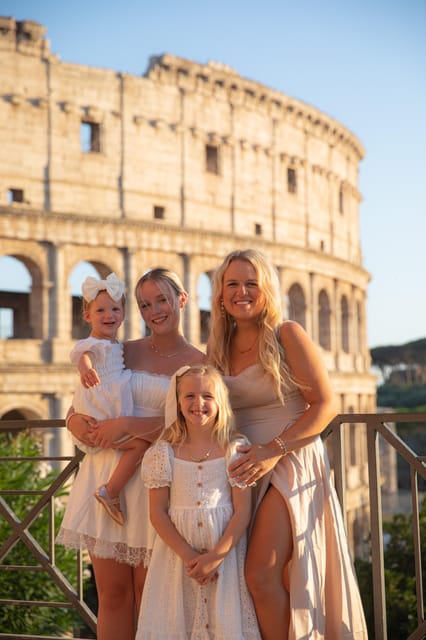
Here’s the practical part that makes this tour worth it: you receive all pictures in either RAW or JPEG files that should suit your device. That means you’re not just getting a handful of usable shots. You’re getting an edited set you can actually keep and share.
The “natural pose capturer” approach also matters. Many photo sessions fall into two traps:
- everyone looks stiff, like they’re waiting for a friend to take a snapshot
- everyone looks like they’re trying too hard
This tour aims for the middle ground: you get prompts and details so your posture and expression read as genuine. That’s why people describe the images as impressive without feeling fake.
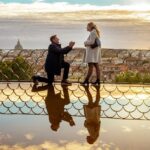
Another plus: the photographer is also used to different types of sessions (couples, proposals, weddings, families, fashion, and more). That background tends to translate into better comfort for first-timers. Even if you’ve never posed for professional photos, you’ll likely feel more guided than awkward.
The guide’s bonus value: local restaurant picks that help you avoid tourist traps
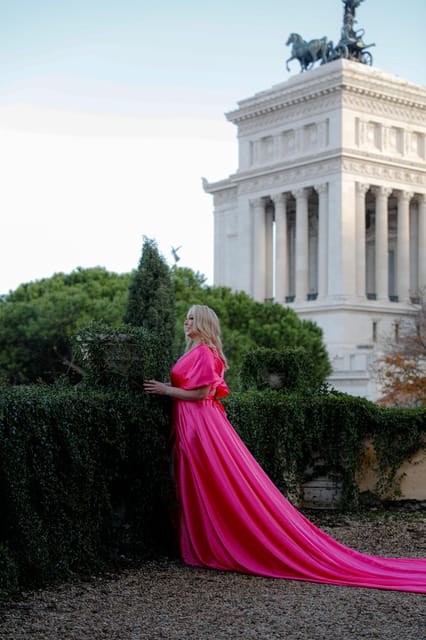
This isn’t only a photography session. While you walk, you also get a history guide + city orientation, and you receive the kind of recommendations that help you enjoy Rome as a place, not a checklist.
The highlight people consistently value is practical food advice: where to eat and what to avoid if you want to steer clear of the most obvious tourist-trap pattern. If you’ve got limited time, a good meal plan is worth more than one extra photo stop.
You also learn how the sights connect, so you can plan your next day more confidently. That first-day orientation is the difference between roaming and actually exploring.
Guides associated with this experience—like Leonardo and Elmir—are often singled out for being organized with photo direction and creative with composition. One person also described a relaxed, playful vibe while still focusing on lighting and emotion, which is exactly what you want during a short shoot.
Price and value: $71 for photos plus a mini Rome crash course
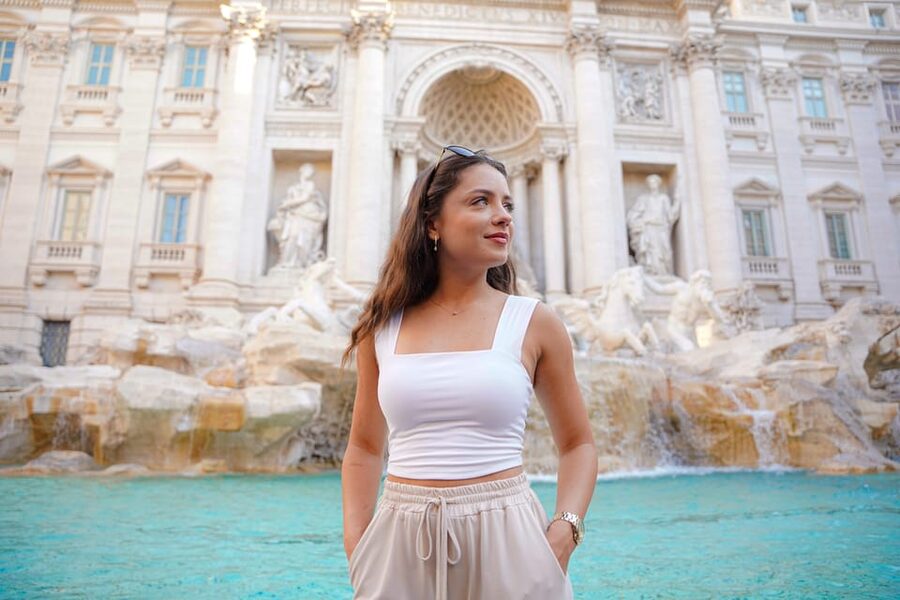
At $71 per person for 1.5 hours, the price only makes sense if you treat it like a combined experience: professional photos and a guided route and better local recommendations.
If you’re the type who wants:
- a set of high-quality images for your phone and social posts
- a guided orientation so you know where to go next
- less guesswork about food
…then this is good value. You’re basically outsourcing the hard parts: timing, composition, posing, and deciding where to spend your limited sightseeing hours.
If your goal is only casual photos with no direction, you might get by with a self-guided walk. But if you care about the difference between “I was there” and “these photos look like Rome,” paying for a pro is usually money well spent.
Who this tour fits best (and who should think twice)
This tour fits best if you’re:
- visiting Rome for the first time and want a fast sense of how the sights relate
- traveling with someone and want photos that look natural, not stiff
- planning to do most of the rest of your sightseeing on your own and want better next-step recommendations
You might think twice if:
- you want a long, detailed historical tour with lots of indoor time
- you’re hoping for free time at every stop to explore deeply on your own
- you dislike walking at a steady pace for 1.5 hours
Also, if you have specific photo goals—like focusing on portraits, couples shots, or a particular vibe—it’s smart to communicate that ahead of time, because the experience is designed to adjust within the time you have.
Should you book this Rome expert photographer tour?
Yes, if you want a short, high-impact photo set and you like the idea of learning a few key things while you shoot. The biggest reason to book is simple: the tour is built around professional light + real posing direction, which is exactly what most people struggle with when they try to do Rome photography on their own.
Book it especially if:
- you care about looking good in your photos
- you want help avoiding tourist-trap meals
- you want your first-day Rome to feel organized instead of chaotic
Skip it if you’re after a slow, history-first deep dive or you’d rather spend the time on a museum or long indoor visit. For everything in between, this is a practical way to turn famous streets into a photo story you’ll actually want to keep.
FAQ
How long is the experience?
It lasts 1.5 hours.
Where do we meet?
The meeting point is Via del Colosseo, 31, about 30 meters from Colosseo metro.
How many people are in the group?
The group is small, limited to 6 participants.
What languages are available?
The live tour guide is available in English, Italian, Spanish, Turkish, Russian, and French.
What photos do I receive at the end?
You receive all pictures in RAW or JPEG formats that should work well with your device.
Is it only for people who know how to pose?
No. The photographer provides specific direction so the poses look natural and not forced.
Does the tour focus on specific lighting or times of day?
The plan is centered on using the natural lights of the Sun.
Can I request a certain photo style or focus?
Yes. You can share your wishes before or after booking, and the tour can be managed within the time you have.
What sights are included?
The experience includes stops around major Rome landmarks such as the Colosseum, Roman Forum, Capitoline Hill, Piazza Venezia, the Pantheon, Trevi Fountain, the Spanish Steps, and Castel Sant’Angelo.
Is there free cancellation?
Yes. You can cancel up to 24 hours in advance for a full refund.