REVIEW · CHOKOLOSKEE FLORIDA
Everglades: Birding, Wildlife, and Photography Expedition
Book on GetYourGuide →Operated by Everglades Area Tours · Bookable on GetYourGuide
Three and a half hours of Everglades photo focus. I love how this tripod-friendly boat turns the Everglades’ 10,000-island maze into a moving viewing platform, and how a guide team like Don or Captain Dan helps you line up what to look for. You get long stretches of calm water time where birds are close enough to photograph, not just spot and point.
I also love the way the Florida Master Naturalist shares practical ID tips and habitat facts, then adds a stop on an uninhabited barrier island for more close-up viewing. One practical catch: food and beverages aren’t included, so plan water and timing around that.
In This Review
- Key points before you go
- Chokoloskee departures: why this Everglades birding tour feels personal
- Florida Master Naturalist guidance: what you’ll actually learn on the water
- Cruising the Everglades’ 10,000 islands: birds and saltwater wildlife at eye level
- How to get more from the cruise
- The uninhabited barrier island stop: your second chance at the perfect shot
- A realistic note on the walk
- Photography on a stable platform: tripod setup and long-lens strategy
- Weather and timing in south Florida: when to book for best conditions
- Price and value: is $172 worth it for a 3.5-hour wildlife expedition?
- Who should book this Everglades photo and wildlife tour
- Should you book this Everglades birding and photography expedition?
- FAQ
- How long is the Everglades Birding, Wildlife, and Photo Expedition?
- How many people are on the boat?
- What wildlife might we see during the tour?
- What should I bring for photography?
- Are food and beverages included?
- Where does the tour meet?
Key points before you go
- Small group (6 people max) means easier movement on board and more attention when you ask for specific shots.
- A stable, large boat gives you a solid platform for birding and photography.
- Tripod space is built in, which matters a lot if you’re using long telephoto lenses.
- Uninhabited barrier island walk adds a second style of viewing beyond the boat ride.
- Master Naturalist guide (Florida-certified, US Coast Guard licensed operation) brings consistent wildlife education.
Chokoloskee departures: why this Everglades birding tour feels personal
This Everglades expedition runs out of Parkway Marina in Chokoloskee, and that matters more than it sounds. Chokoloskee is one of those parts of south Florida where the water is the main highway, so you’re not constantly bouncing from parking lot to parking lot. You’re already on the habitat—then your guide steers you toward what’s active.
The day is built around a relaxed 210-minute pace, split into two distinct parts. First you cruise the Everglades National Park’s 10,000-island ecosystem. Then you step onto an uninhabited barrier island for a walk that’s short on distance and long on photo opportunities.
With only up to 6 passengers, you’re not squeezed in. You can set up, shoot for a while, and reposition without turning your trip into a juggling act.
Florida Master Naturalist guidance: what you’ll actually learn on the water
The guide isn’t just “a nice person who likes birds.” This tour is led by a Florida Master Naturalist who’s certified by the National Park and licensed by the US Coast Guard. That combination tends to show up as clear explanations, steady spotting, and a careful respect for the animals and plants around you.
In practical terms, I like that your guide treats birding as more than spotting. You’re guided through what you’re seeing—where the birds feed, what the habitat signals, and how to watch without spooking wildlife. People often leave talking about how the guide made the trip feel like real understanding, not just narration.
You’ll also hear local context and natural history during the cruise. For example, one traveler described stops where the guide pointed out shellfish and traces of earlier Indigenous presence along the shoreline. Even if you’re not a history person, those details make the place feel grounded and specific.
Guides with names like Don, Captain Dan, Eddie, and Seth come up repeatedly in feedback. The common thread is that the tour feels organized, calm, and focused on getting you good wildlife time.
Cruising the Everglades’ 10,000 islands: birds and saltwater wildlife at eye level
The main chunk of the tour is a leisurely boat ride through the 10,000-island ecosystem. This is where you’ll earn most of your bird and wildlife photographs, because the boat gives you repeat views of the same area as wildlife moves—without you having to hike miles for each sighting.
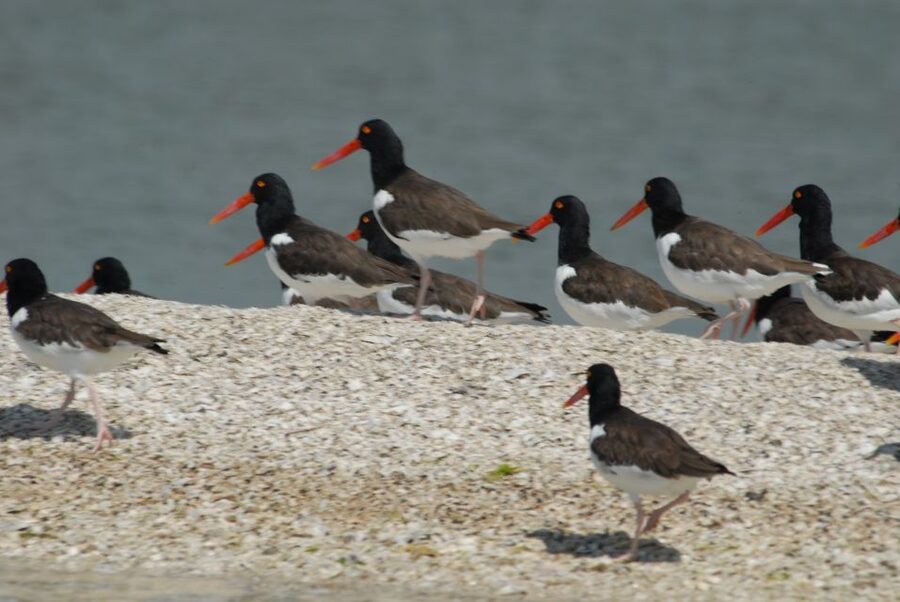
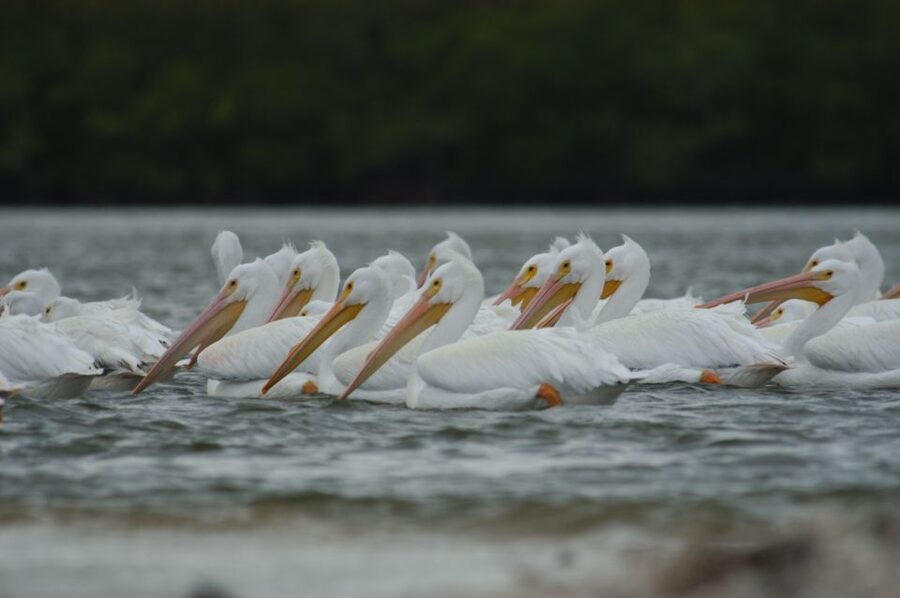
Your guide is hunting for a mix of iconic waders and raptors. The tour description specifically highlights birds such as roseate spoonbills, osprey, ibis, great blue herons, tri-color herons, snowy egrets, shore birds, and bald eagles. On top of that, reviews mention additional species and action—think cormorants, royal terns, American oystercatchers, and even a great horned owl appearing on some outings.
This boat ride is also about marine life. The tour expects chances to see animals like dolphins, sea turtles, manatees, plus other saltwater creatures. One review notes bottlenose dolphins jumping and playing near the boat’s wake, which is the kind of moment that makes a photo session feel like it has a heartbeat.
How to get more from the cruise
Bring your expectations down to a doable level. Wildlife photography is about waiting, scanning, and reacting quickly when something moves. The tour setup helps you do that because the boat is designed for it—especially if you’re shooting from a tripod.
Also, if birds are your priority, don’t be shy about asking for a slower pace. One traveler’s group specifically asked to go slow to photograph nesting birds, and the experience matched that goal.
The uninhabited barrier island stop: your second chance at the perfect shot
The second part is a stop on an uninhabited barrier island, followed by a walk led by your Master Naturalist guide. This changes the trip in a simple way: on the boat you’re scanning water and edges; on land you start reading the shoreline, grasses, and movement in a tighter footprint.
You’ll likely get more opportunities to photograph birds and other wildlife close up. The guide’s job here is to help you discover what’s easy to miss when you’re focused on getting from point A to point B.
This stop can also add variety in the kinds of “Everglades moments” you experience. One traveler noted the guide showing them shellfish and signs along the shore, plus clues tied to the earlier human presence in that area. Even on a short walk, those small details can turn a quick stop into something that feels memorable.
A realistic note on the walk
The walk is part of a 3.5-hour outing, so you should expect a limited time on shore. I’d plan for it as a photo walk rather than a long hike, and I’d dress like you’re going to be outside for sun and heat.
Photography on a stable platform: tripod setup and long-lens strategy
If you care about wildlife photography, this tour is unusually thoughtful for one reason: the boat is large and stable, and there’s space for a camera tripod. That matters because handholding long telephoto lenses can ruin sharpness quickly, especially when you’re trying to track a moving bird.
The tour explicitly calls out the idea that the boat fits tripods and large telephoto lenses, and one review makes the same point: bring a long telephoto lens if your goal is wildlife photos.
Here’s how I’d use that setup to your advantage:
- Set your tripod early so you’re not fumbling when birds show up.
- Leave breathing room for panning—don’t aim so tight you can’t react.
- Shoot in bursts when you spot action (dolphins, birds lifting off, feeding behavior).
Because the group is small, it’s easier to keep your gear from becoming a traffic jam. That’s one of those unglamorous things that actually improves photos more than you’d expect.
Weather and timing in south Florida: when to book for best conditions
June through October is a different game in Florida. The tour recommends morning experiences during that stretch, due to weather conditions. If you can choose, mornings usually help with both comfort and the light you’ll want for wildlife photography.
Even if you’re going at a better time of day, treat this as an outdoor tour. Dress for heat and sun, and bring what you need for sun protection. The tour also notes that you should bring photography gear if you want to take full advantage of photo opportunities—so think of your camera as part of your packing list, not an optional add-on.
Onboard, the ride is described as leisurely, and the boat is stable. That’s good news if you usually dislike choppy water, but it still helps to plan for being out on the water in Florida conditions.
Price and value: is $172 worth it for a 3.5-hour wildlife expedition?
At $172 per person for 210 minutes, you’re paying for a few things that are hard to replicate cheaply:
- a small-group setup (max 6),
- a photo-friendly boat with tripod space,
- and a Florida Master Naturalist who helps you identify and photograph what you’re seeing.
If you were to drive and park and try to manage birding on your own, you’d save money, but you’d likely lose time—and you’d miss the guide’s ability to point out birds and wildlife you would never notice on your own. You also wouldn’t get the barrier-island walk component, which gives you a second viewing environment in the same trip.
The “cost” tradeoff is also straightforward: food and beverages aren’t included. So for true value, plan to bring what you need for comfort and hydration before the tour or around its timing.
For me, this price feels most justified if you’re serious about birds and photos and you want a guide to increase your odds of seeing more interesting behavior—not just standing on a shoreline hoping.
Who should book this Everglades photo and wildlife tour
This tour is a good match if you want:
- Birding with guidance, especially if you’re trying to learn species and behavior, not only take pictures.
- Wildlife photography with a stable boat and tripod space.
- A two-part outing: cruise first, then an uninhabited barrier island walk for additional photo chances.
- A small-group experience where your questions get answered.
You’ll also enjoy it if you’re the type who likes slowing down for nesting birds, or if you want to ask your guide to focus on what your camera can capture best. Feedback shows that guides can adapt to your photography pace when you ask.
If you’re just looking for a quick look at the Everglades from the water with no interest in bird identification or photography, you might find other styles of tours fit better. But if birds, sea life, and a calm photo platform are your priorities, this one is built for that.
Should you book this Everglades birding and photography expedition?
Yes, if you want an Everglades National Park boat experience that’s designed for actual wildlife watching and photo work, not just scenic cruising. The combination of a stable, tripod-friendly boat and a Florida Master Naturalist makes it a strong choice for photographers and birders who value guidance.
I’d especially book it if you’re traveling with a long telephoto lens, care about capturing birds at close distance, and want a second environment via the uninhabited barrier island walk. Just don’t forget the practical part: plan for no food or beverages, and aim for a morning time slot in June through October for better conditions.
FAQ
How long is the Everglades Birding, Wildlife, and Photo Expedition?
The tour lasts 210 minutes (about 3.5 hours).
How many people are on the boat?
The group is limited to 6 participants, keeping it small-group.
What wildlife might we see during the tour?
You may see birds such as roseate spoonbills, osprey, ibis, great blue herons, tri-color herons, snowy egrets, shore birds, and bald eagles. The tour also notes possible sightings of dolphins, sea turtles, manatees, and other saltwater creatures.
What should I bring for photography?
The tour recommends bringing your photography equipment. The boat has space for a tripod and is suitable for large telephoto lenses.
Are food and beverages included?
No. Food and beverages are not included.
Where does the tour meet?
You meet at Parkway Marina, 1180 Chokoloskee Dr, Chokoloskee, FL 34138. Plan to arrive 10–15 minutes early, and you’ll board the boat about five minutes before departure.